 EN
EN
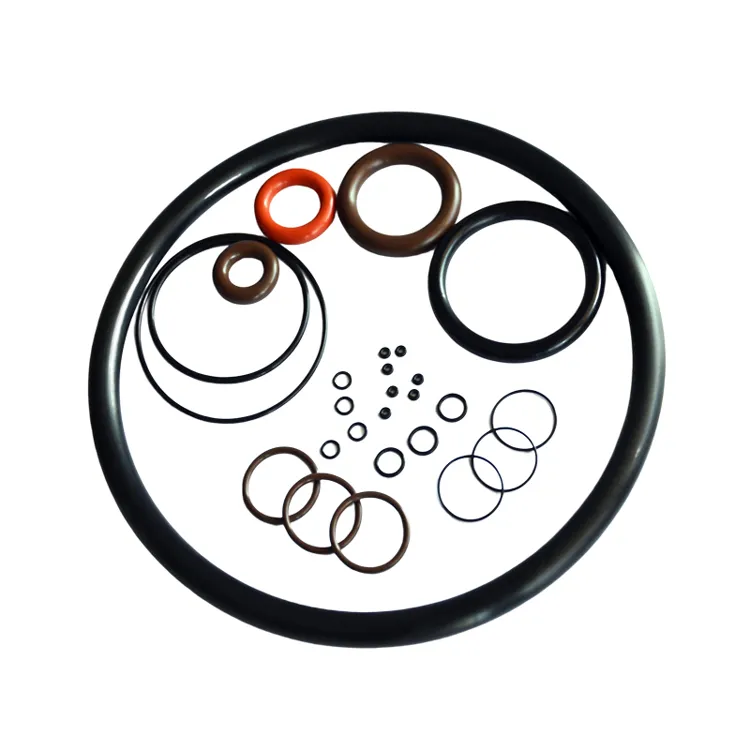
Selecting the right o ring for specific equipment parameters requires a systematic approach that considers multiple technical factors simultaneously. Equipment manufacturers and maintenance professionals must evaluate material compatibility, dimensional specifications, operating conditions, and performance requirements to ensure optimal sealing performance and extended service life.
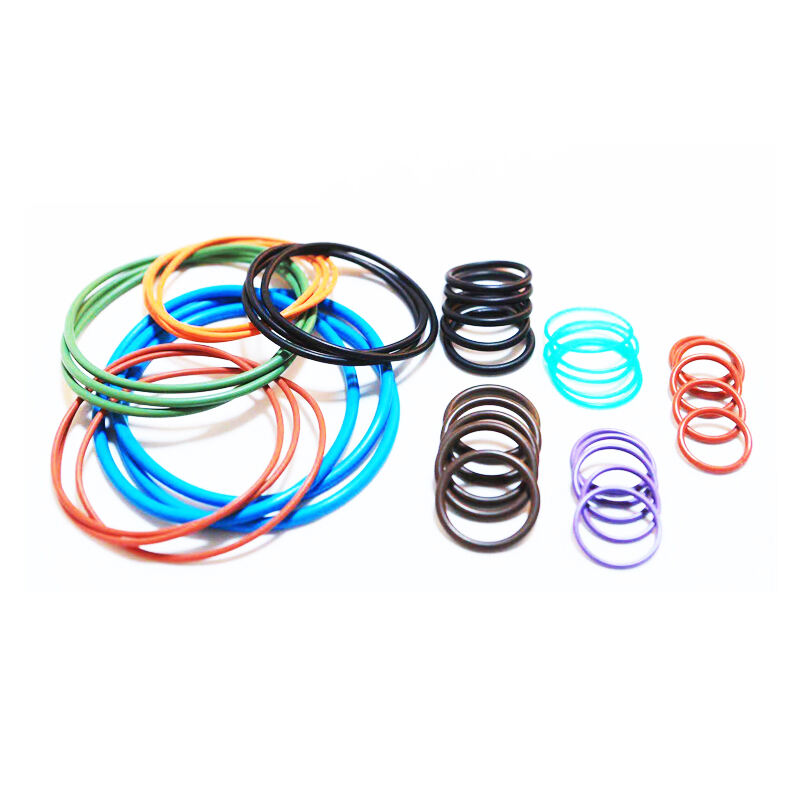
The selection process involves analyzing equipment-specific parameters such as pressure ratings, temperature ranges, chemical exposure, dynamic versus static applications, and installation constraints. Understanding how these parameters interact with o ring characteristics enables engineers to make informed decisions that prevent premature failure, reduce maintenance costs, and maintain system reliability across diverse industrial applications.
Equipment Operating Conditions Assessment
Temperature Range Evaluation
Equipment temperature parameters directly influence o ring material selection and dimensional stability. Operating temperatures affect the elastomeric properties of seal materials, with high temperatures potentially causing hardening, cracking, or chemical degradation. Engineers must identify the minimum and maximum temperatures the equipment will encounter during normal operation, startup, shutdown, and emergency conditions.
Different elastomeric compounds exhibit varying temperature capabilities, with standard nitrile o rings typically operating between -40°F to 250°F, while specialized fluorocarbon compounds can withstand temperatures ranging from -15°F to 400°F. The temperature assessment should account for thermal cycling effects, where repeated heating and cooling can accelerate material fatigue and dimensional changes that compromise sealing effectiveness.
Critical equipment applications require temperature mapping to identify localized hot spots or cold zones that might exceed the o ring's rated temperature range. This assessment helps determine whether standard compounds are sufficient or if high-temperature specialty materials are necessary to maintain reliable sealing performance throughout the equipment's operational envelope.
Pressure Requirements Analysis
System pressure parameters determine the mechanical stress the o ring must withstand while maintaining effective sealing contact. Static applications typically involve steady-state pressures, while dynamic systems may experience pressure fluctuations, pressure spikes, or vacuum conditions that require specialized o ring designs and installation methods.
High-pressure applications demand careful consideration of o ring hardness, backup ring requirements, and groove design optimization. Standard o rings may experience extrusion or nibbling at pressures exceeding their design limits, necessitating harder compounds or mechanical backup systems. The pressure analysis should include surge pressures, test pressures, and relief valve settings that might temporarily exceed normal operating conditions.
Vacuum applications present unique challenges where the o ring must maintain sealing integrity under negative pressure conditions. Equipment parameters should specify the depth of vacuum, pump-down rates, and potential outgassing requirements that influence material selection and surface finish specifications for optimal vacuum performance.
Chemical Compatibility Assessment
Equipment chemical exposure parameters encompass all substances that contact the o ring during operation, cleaning, maintenance, or emergency conditions. Chemical compatibility extends beyond primary process fluids to include cleaning solvents, lubricants, hydraulic fluids, and atmospheric exposure that might affect seal performance over time.
The compatibility assessment must consider concentration levels, exposure duration, and temperature effects that can accelerate chemical attack or degradation. Some chemicals that are benign at room temperature become aggressive at elevated temperatures, while others may cause swelling or hardening that affects dimensional stability and sealing force.
Mixed chemical environments require comprehensive evaluation of potential synergistic effects where multiple substances interact to create more aggressive conditions than individual components would produce. Equipment parameters should document all possible chemical exposures throughout the equipment's operational life cycle to ensure proper o ring material selection.
Dimensional Parameter Considerations
Groove Design Specifications
Equipment groove dimensions establish the physical constraints within which the o ring must function effectively. Groove width, depth, and finish specifications directly impact sealing performance, installation ease, and service life. Standard groove dimensions follow established engineering guidelines, but custom equipment may require specialized groove designs that influence o ring selection criteria.
The relationship between o ring cross-sectional diameter and groove depth determines the compression percentage, which affects sealing force and material stress. Insufficient compression results in poor sealing, while excessive compression can cause premature failure due to stress concentration or reduced resilience. Equipment designers must balance these factors based on application requirements and manufacturing tolerances.
Surface finish parameters within the groove and on sealing surfaces influence o ring performance, particularly in dynamic applications. Rough surfaces can cause premature wear, while overly smooth surfaces may not provide adequate sealing contact. The equipment parameters should specify appropriate surface roughness values that optimize o ring performance for the specific application requirements.
Tolerance Stack Analysis
Manufacturing tolerances in equipment components affect o ring sizing and performance predictability. Cumulative tolerances from multiple machined surfaces can create variations in groove dimensions, sealing surface positions, and installation clearances that impact o ring selection and performance consistency.
The tolerance analysis must consider thermal expansion effects where temperature changes alter component dimensions and potentially affect o ring compression or clearance relationships. Different materials expand at different rates, creating dynamic dimensional changes that the o ring must accommodate while maintaining effective sealing.
Equipment assembly procedures and adjustment mechanisms may introduce additional dimensional variables that influence o ring performance. Understanding these tolerance relationships helps engineers select o rings with appropriate size ranges and material properties to accommodate expected dimensional variations throughout the equipment's operational life.
Dynamic Versus Static Application Requirements
Motion Parameter Evaluation
Equipment motion parameters fundamentally influence o ring design requirements and material selection criteria. Static applications maintain fixed component positions, while dynamic applications involve relative motion between sealed surfaces that creates friction, wear, and heat generation challenges for o ring performance.
Rotational motion applications require analysis of surface speeds, acceleration rates, and direction changes that affect o ring wear patterns and lubrication requirements. Linear motion systems must consider stroke lengths, cycling frequencies, and load variations that impact seal durability and performance consistency over extended operating periods.
Oscillating or reciprocating motion creates unique wear patterns and lubrication challenges that may require specialized o ring compounds or surface treatments. The motion analysis should include startup conditions where static friction may exceed dynamic friction, potentially causing stick-slip behavior that accelerates seal wear and compromises performance reliability.
Lubrication and Contamination Factors
Equipment lubrication systems and contamination exposure significantly influence o ring performance in dynamic applications. Adequate lubrication reduces friction and wear while preventing heat buildup that can degrade elastomeric properties. The lubrication assessment must consider lubricant compatibility with o ring materials and potential interactions that might affect seal performance.
Contamination parameters include particle size distributions, contamination levels, and cleaning procedures that affect o ring durability. Abrasive particles can accelerate wear, while chemical contaminants may cause material degradation or dimensional changes. Equipment filtration systems and maintenance procedures should align with o ring contamination sensitivity to ensure optimal performance.
Dry running conditions or inadequate lubrication can rapidly degrade o ring performance through excessive friction and heat generation. Equipment parameters should specify lubrication intervals, lubricant types, and monitoring procedures that support long-term o ring reliability in dynamic sealing applications.
Material Selection Based on Equipment Parameters
Compound Property Matching
Elastomeric compound selection requires matching material properties to specific equipment parameter requirements. Standard compounds like nitrile rubber offer excellent general-purpose performance for moderate temperature and pressure applications, while specialized compounds provide enhanced performance for extreme conditions or specific chemical environments.
Hardness selection impacts sealing performance and durability, with softer compounds providing better sealing at low pressures but potentially experiencing extrusion at high pressures. Harder compounds resist extrusion but may require higher compression forces to achieve effective sealing. The hardness selection must balance sealing effectiveness with mechanical integrity based on equipment pressure and groove design parameters.
Compression set resistance determines how well the o ring maintains sealing force over time under constant compression. Equipment applications with infrequent maintenance intervals require o ring compounds with excellent compression set resistance to ensure long-term sealing reliability without frequent replacement requirements.
Special Performance Requirements
Some equipment applications require specialized o ring properties beyond standard elastomeric performance characteristics. Low-temperature applications may need materials that remain flexible at sub-zero temperatures, while high-temperature applications require compounds that resist thermal degradation and maintain elasticity at elevated temperatures.
Chemical resistance requirements may necessitate fluorocarbon or perfluoroelastomer compounds that resist aggressive chemicals, solvents, or corrosive environments. These specialized materials typically cost more than standard compounds but provide essential performance capabilities for demanding equipment applications.
Food grade, pharmaceutical, or medical equipment applications require o ring compounds that meet specific regulatory standards for safety and chemical extraction. These applications often specify particular compound formulations that have received appropriate approvals for contact with consumable products or human applications.
Installation and Maintenance Considerations
Assembly Parameter Compatibility
Equipment assembly procedures influence o ring selection through installation space constraints, tooling requirements, and assembly sequence limitations. Complex assemblies may require o rings that can withstand temporary deformation during installation or that accommodate limited access for proper positioning and verification.
Installation torque specifications and assembly forces must remain within o ring stress limits to prevent damage during assembly. Over-compression during installation can cause permanent deformation or stress cracking, while under-compression may result in inadequate sealing performance. The assembly parameters should align with o ring compression requirements and material limitations.
Backup ring requirements in high-pressure applications add complexity to assembly procedures and may influence groove design modifications. Equipment parameters should accommodate backup ring installation space and verify that assembly procedures can properly position both o ring and backup components for optimal performance.
Maintenance Access and Replacement
Equipment maintenance schedules and access limitations influence o ring selection through durability requirements and replacement complexity considerations. Applications with difficult access may justify premium o ring materials that provide extended service life, while easily accessible locations might use standard materials with more frequent replacement intervals.
Predictive maintenance capabilities and condition monitoring systems can influence o ring selection by enabling proactive replacement based on performance indicators rather than fixed schedules. Equipment parameters should consider monitoring options and replacement indicators that optimize maintenance timing and prevent unexpected failures.
Inventory management and standardization considerations may influence o ring selection toward common sizes and materials that reduce complexity and support costs. Equipment designers should balance performance optimization with practical maintenance and supply chain considerations for long-term operational efficiency.
FAQ
What equipment parameters are most critical for o ring selection?
The most critical equipment parameters for o ring selection include operating temperature range, system pressure levels, chemical exposure, and motion characteristics. Temperature affects material properties and dimensional stability, pressure determines mechanical stress requirements, chemical compatibility ensures material durability, and motion parameters influence wear and friction considerations. These four parameter categories typically drive the primary material and design decisions for o ring applications.
How do equipment tolerances affect o ring performance?
Equipment manufacturing tolerances create dimensional variations that affect o ring compression, clearances, and sealing performance consistency. Cumulative tolerances from multiple components can result in either excessive compression that causes stress concentration or insufficient compression that reduces sealing effectiveness. Proper tolerance analysis ensures o ring selection accommodates expected dimensional variations while maintaining reliable sealing performance throughout the equipment's operational range.
When should specialized o ring materials be considered over standard compounds?
Specialized o ring materials should be considered when equipment parameters exceed the capabilities of standard nitrile or general-purpose compounds. This includes temperatures above 250°F or below -40°F, aggressive chemical environments, extreme pressure conditions, or applications requiring specific regulatory approvals. While specialized materials typically cost more, they provide essential performance capabilities that prevent premature failure and reduce long-term maintenance costs in demanding applications.
How do dynamic equipment applications change o ring selection criteria?
Dynamic equipment applications require o rings with enhanced wear resistance, low friction properties, and superior dimensional stability under motion. Material selection must consider surface speed, lubrication conditions, and contamination exposure that don't affect static applications. Dynamic applications often require harder compounds, specialized surface treatments, or backup ring systems to manage the additional mechanical stresses and wear mechanisms associated with relative motion between sealed components.