 EN
EN
Understanding Oil Seal Quality and Market Evaluation
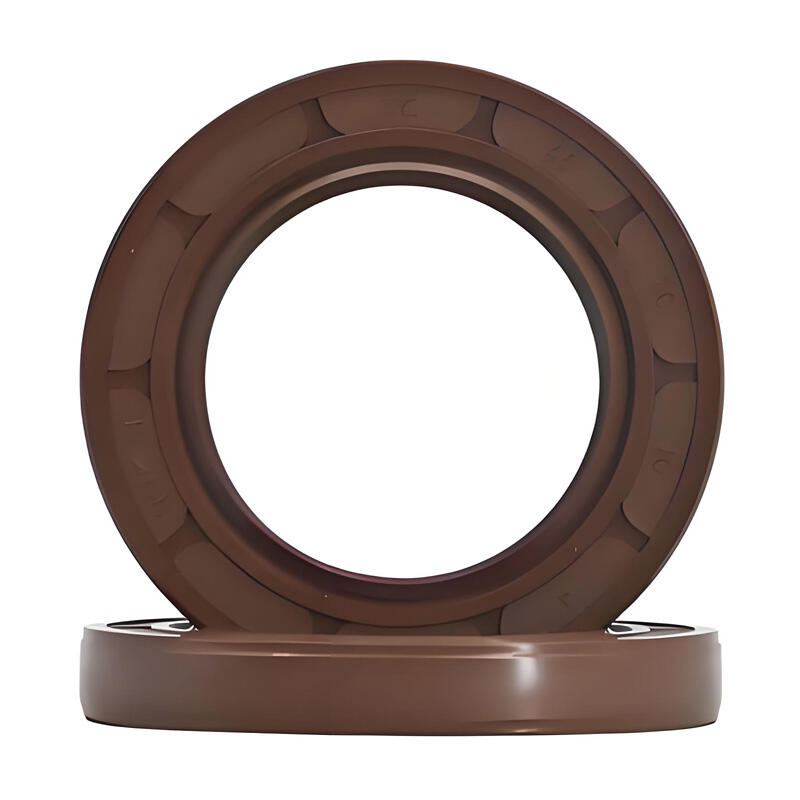
In industrial transmission systems, fluid control assemblies, and rotating machinery, the oil seal plays a fundamental role in maintaining performance stability and operational safety. An oil seal is not just a simple rubber component; it directly affects leakage prevention, friction control, equipment lifespan, and maintenance frequency. When buyers, engineers, or procurement teams look into oil seal brand rankings, they are often trying to understand which oil seal manufacturers consistently deliver reliability, consistency, and value across different applications.
Oil seal quality is typically evaluated through long-term performance rather than short-term appearance. Material formulation, structural design, dimensional precision, and manufacturing stability all influence how an oil seal performs in real operating conditions. A strong oil seal brand ranking is usually the result of accumulated technical experience, process discipline, and continuous improvement rather than marketing visibility alone. Understanding how oil seal brands are evaluated helps buyers make rational sourcing decisions instead of relying on surface-level comparisons.
In global supply chains, oil seal sourcing has also evolved from simple product purchasing to system-level cooperation. Buyers now care about batch consistency, traceability, documentation, and response speed. These factors increasingly shape how oil seal brand rankings are formed in professional markets.
Core Factors That Influence Oil Seal Brand Rankings
Material Selection and Compound Stability
Material selection is the foundation of oil seal performance. Different operating environments require different elastomer compounds, such as NBR, FKM, silicone, or specialty rubber blends. A high-quality oil seal brand demonstrates stable compound formulation and consistent raw material sourcing, ensuring that each oil seal performs within defined parameters.
Compound stability directly affects oil seal resistance to heat, oil, pressure, and aging. When oil seal brands invest in internal compound development and testing, they gain tighter control over performance outcomes. This capability often distinguishes higher-ranked oil seal brands from suppliers that rely heavily on outsourced or inconsistent material sources.
From a long-term perspective, compound stability also reduces failure rates and warranty risks. Buyers evaluating oil seal brand rankings often place strong emphasis on whether a manufacturer can maintain compound consistency across large volumes and long-term supply contracts.
Precision Manufacturing and Dimensional Control
Oil seal effectiveness depends heavily on precise dimensions. Even small deviations in lip geometry or outer diameter tolerance can result in leakage, excessive wear, or installation issues. Strong oil seal brands invest in high-precision tooling, automated production lines, and strict in-process inspection systems.
Dimensional control is not only about meeting drawings but also about maintaining consistency across thousands or millions of oil seal units. Brands with stable manufacturing processes are better positioned in oil seal brand rankings because they reduce variation-related risks for OEMs and distributors.
Manufacturers that integrate process monitoring and statistical quality control into oil seal production typically demonstrate lower defect rates. This capability supports large-scale applications where oil seal failure can cause significant downtime or safety concerns.
Design Capability and Application Adaptability
Oil seal applications vary widely across automotive, industrial equipment, agricultural machinery, and fluid power systems. Higher-ranked oil seal brands usually have strong design capabilities that allow them to adapt oil seal structures to specific operating conditions.
Design adaptability includes lip profile optimization, spring selection, dust lip integration, and housing fit adjustments. Oil seal brands that can provide engineering support during the selection or customization stage tend to gain stronger recognition in professional oil seal brand rankings.
Application adaptability also reflects accumulated experience. Brands that have served multiple industries understand how oil seal performance changes under different loads, speeds, and temperatures, allowing them to recommend suitable solutions with confidence.
Manufacturing Systems and Quality Management in Oil Seal Brands
Process Standardization and Quality Control
Consistent oil seal quality depends on standardized manufacturing processes. High-ranking oil seal brands typically operate under well-defined quality management systems that govern each production step, from raw material inspection to final packaging.
Process standardization reduces human error and ensures repeatability. For oil seal products, this translates into stable lip geometry, uniform surface finish, and reliable sealing performance. Buyers often evaluate oil seal brand rankings based on whether manufacturers follow structured quality protocols rather than relying on manual inspection alone.
Quality control also extends beyond finished products. In-process inspections, mold maintenance schedules, and traceability systems all contribute to long-term oil seal reliability. Brands that invest in these systems tend to gain trust in international markets.
Production Capacity and Supply Stability
Oil seal brand rankings are not only influenced by quality but also by supply reliability. In many industries, production delays caused by oil seal shortages can halt entire assembly lines. Brands with sufficient capacity and inventory management systems are better positioned to support long-term cooperation.
Supply stability includes the ability to handle fluctuating demand, mixed product structures, and urgent orders. Oil seal brands that maintain organized inventory systems and flexible production planning are often favored by global buyers seeking risk mitigation.
Stable supply capability also reflects internal coordination and management maturity. Manufacturers that integrate planning, production, and logistics systems are more likely to deliver oil seal products on time and within specification.
Documentation and Traceability Systems
Modern oil seal sourcing increasingly requires documentation support. Material certificates, inspection reports, and batch traceability are becoming standard expectations. Oil seal brands that provide transparent documentation often rank higher in professional evaluations.
Traceability systems allow manufacturers to identify production batches quickly in case of field feedback or quality improvement initiatives. This capability demonstrates accountability and technical confidence. Buyers evaluating oil seal brand rankings often see traceability as an indicator of long-term partnership potential rather than short-term sales focus.
Documentation consistency also supports compliance with international standards and customer-specific requirements. This is particularly important for oil seal applications in regulated or safety-critical industries.
Market Recognition and Long-Term Performance of Oil Seal Brands
Field Performance and Customer Feedback
Oil seal brand rankings are ultimately shaped by real-world performance. Laboratory testing provides baseline validation, but long-term field performance determines reputation. Brands that deliver oil seal products with stable sealing performance across extended operating cycles gain recognition through repeated customer use.
Customer feedback often highlights factors such as leakage resistance, wear patterns, and installation ease. Oil seal brands that actively collect and analyze feedback can refine designs and processes more effectively, strengthening their position in the market.
Long-term cooperation with OEMs and distributors often reflects accumulated trust. Oil seal brands that maintain consistent performance over years tend to be referenced more frequently in sourcing discussions and professional evaluations.
Global Distribution and Technical Support
A strong oil seal brand ranking often correlates with global service capability. This does not necessarily mean widespread offices, but rather the ability to support customers across regions with technical guidance and responsive communication.
Technical support includes application analysis, failure diagnosis, and selection recommendations. Oil seal brands that invest in technical teams rather than purely sales-driven operations tend to build deeper relationships with customers.
Global distribution also requires logistical coordination and packaging standards. Oil seal brands that can deliver products efficiently while maintaining quality integrity often gain an advantage in competitive markets.
Continuous Improvement and Manufacturing Discipline
Oil seal manufacturing is a mature industry, but continuous improvement remains essential. Brands that focus on process optimization, equipment upgrades, and internal training tend to maintain stable performance over time.
Manufacturing discipline includes strict adherence to specifications, controlled change management, and regular internal audits. These practices support consistent oil seal quality even as production scales.
Oil seal brand rankings often reflect how well a manufacturer balances growth with stability. Brands that expand without compromising quality tend to achieve sustainable recognition rather than short-lived visibility.
Shanfeng (NQKSF) in the Context of Oil Seal Brand Rankings
Technical Focus and Manufacturing Experience
Within the oil seal industry, Shanfeng operating under the NQKSF brand has accumulated decades of manufacturing experience. This long-term focus on oil seal and rubber sealing products has allowed the company to develop stable processes and application knowledge across multiple industries.
By emphasizing internal research and controlled manufacturing, Shanfeng (NQKSF) maintains consistency in oil seal performance. This approach aligns with the key evaluation factors commonly seen in oil seal brand rankings, particularly in terms of compound stability and dimensional control.
Experience built over many production cycles contributes to practical understanding of oil seal behavior under real operating conditions. This knowledge supports reliable product recommendations and continuous refinement.
Systemized Production and Inventory Capability
Oil seal supply reliability is increasingly important in global sourcing decisions. Shanfeng (NQKSF) integrates structured production planning and inventory management to support stable delivery for different order scales.
Systemized operations help ensure that oil seal products maintain consistent quality regardless of batch size. This capability is particularly valuable for buyers managing mixed SKU requirements or long-term supply agreements.
Inventory readiness also reduces lead time pressure and supports responsive service. In oil seal brand rankings, such operational stability often distinguishes manufacturers suited for long-term cooperation.
Quality Orientation and Service Mindset
Beyond product manufacturing, oil seal brand rankings are influenced by service attitude and communication efficiency. Shanfeng (NQKSF) emphasizes quality-oriented processes supported by structured management systems.
Clear documentation, traceability, and responsive technical communication contribute to smoother cooperation. These factors help reduce friction in international sourcing and support trust-based relationships.
A service mindset focused on problem-solving rather than transactional sales aligns with how professional buyers evaluate oil seal brands over time.
Practical Guidance for Evaluating Oil Seal Brand Rankings
Aligning Brand Strength with Application Needs
Oil seal brand rankings should always be interpreted in context. A brand strong in one application may not be optimal for another. Buyers should evaluate whether an oil seal brand’s technical strengths align with their specific operating conditions.
Understanding application requirements helps narrow down suitable oil seal brands. This approach avoids over-reliance on generalized rankings and promotes more effective selection.
Evaluating sample performance, documentation quality, and communication responsiveness often provides more insight than brand visibility alone.
Assessing Long-Term Cooperation Potential
Oil seal sourcing is rarely a one-time decision. Long-term cooperation requires stability, adaptability, and mutual understanding. Brands that support engineering changes, volume adjustments, and documentation updates tend to perform better in extended partnerships.
Oil seal brand rankings can serve as a reference point, but direct interaction and trial cooperation often reveal deeper strengths. Buyers should consider responsiveness and transparency as part of the evaluation process.
Long-term value is built through consistent delivery and technical reliability rather than short-term cost advantages.
Balancing Cost, Quality, and Risk Control
While cost remains a factor in oil seal sourcing, risk control has become equally important. Oil seal failures can lead to equipment downtime and reputational damage. Brands that demonstrate stable quality and clear accountability often justify their position in oil seal brand rankings.
Balancing unit cost with performance stability helps buyers achieve sustainable procurement outcomes. Evaluating oil seal brands through a total cost perspective provides more accurate decision-making support.
This balanced approach aligns with modern supply chain management practices and long-term operational goals.
Table of Contents
- Understanding Oil Seal Quality and Market Evaluation
- Core Factors That Influence Oil Seal Brand Rankings
- Manufacturing Systems and Quality Management in Oil Seal Brands
- Market Recognition and Long-Term Performance of Oil Seal Brands
- Shanfeng (NQKSF) in the Context of Oil Seal Brand Rankings
- Practical Guidance for Evaluating Oil Seal Brand Rankings