 EN
EN
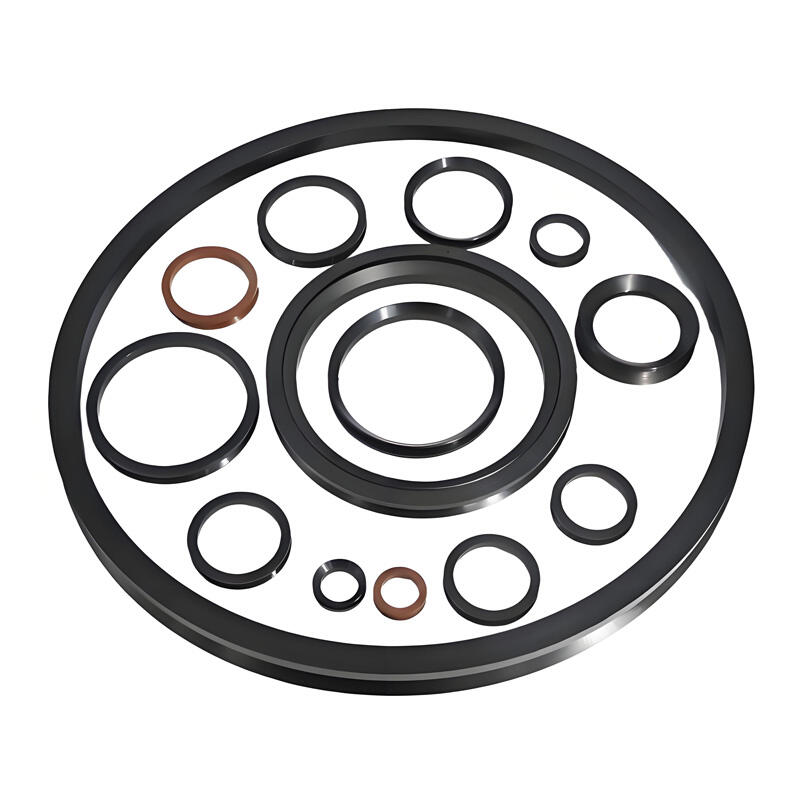
Industrial applications demand reliable sealing solutions that can withstand extreme conditions, chemical exposure, and mechanical stress. An O-Ring Kit serves as a comprehensive solution for maintenance teams, engineers, and technicians who need immediate access to various seal sizes and materials. These kits eliminate downtime by providing essential components for equipment repairs and preventive maintenance across diverse industrial sectors.
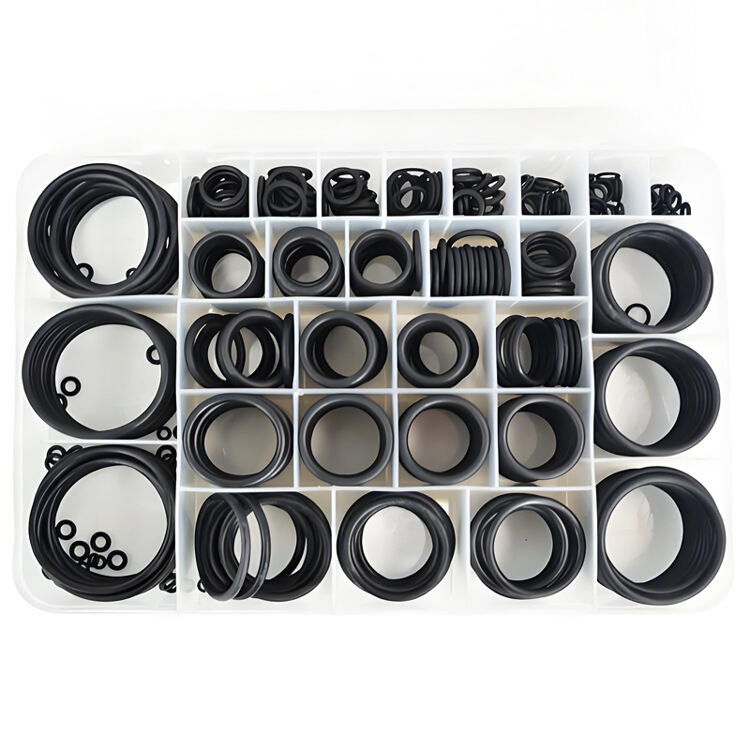
Selecting the appropriate O-Ring Kit requires careful consideration of multiple factors that directly impact sealing performance and equipment reliability. The wrong choice can lead to catastrophic failures, environmental contamination, and significant financial losses. Understanding the key selection criteria ensures optimal performance while minimizing operational risks and maintenance costs.
Material Composition and Chemical Compatibility
Elastomer Material Selection
The elastomer material forms the foundation of any quality O-Ring Kit performance. Nitrile rubber offers excellent petroleum resistance and remains the most common choice for hydraulic applications. Viton provides superior chemical resistance and temperature stability, making it ideal for aggressive chemical environments. EPDM excels in water and steam applications while maintaining flexibility across wide temperature ranges.
Silicone elastomers deliver exceptional temperature performance but sacrifice chemical resistance. Polyurethane offers outstanding abrasion resistance for dynamic sealing applications. Each material brings specific advantages that must align with your operational requirements. An O-Ring Kit containing multiple material options provides flexibility for diverse maintenance scenarios.
Chemical Resistance Evaluation
Chemical compatibility determines seal longevity and system integrity. Aggressive acids require specialized fluoroelastomer compounds that resist degradation. Petroleum-based fluids demand hydrogenated nitrile or fluorocarbon materials. Oxidizing chemicals necessitate perfluoroelastomer compounds that maintain stability under extreme conditions.
Temperature effects amplify chemical attack mechanisms, requiring careful material selection based on combined exposure conditions. A comprehensive O-Ring Kit should include materials rated for your specific chemical environment. Documentation should clearly identify chemical compatibility limits for each included elastomer type.
Size Range and Dimensional Accuracy
Standard Size Coverage
Industry-standard sizing ensures compatibility with common equipment designs and replacement requirements. AS568 standard sizes cover the majority of American industrial applications. Metric sizing systems address European and international equipment standards. A well-designed O-Ring Kit includes the most frequently required sizes based on statistical usage data.
Small bore sizes handle precision instrument sealing applications. Medium sizes address general hydraulic and pneumatic systems. Large diameter options support heavy industrial equipment and process applications. The size distribution within an O-Ring Kit should reflect your specific industry and equipment profile.
Dimensional Tolerance Control
Precise dimensional control ensures proper groove fill and sealing performance. Undersized rings create inadequate sealing force and potential leakage paths. Oversized components generate excessive compression stress leading to premature failure. Quality O-Ring Kit suppliers maintain tight tolerance controls throughout manufacturing processes.
Cross-sectional diameter affects sealing capability and installation characteristics. Consistent wall thickness prevents irregular compression patterns. Surface finish quality impacts sealing effectiveness and wear resistance. Each O-Ring Kit component should meet or exceed industry dimensional standards for reliable performance.
Temperature Performance Characteristics
Operating Temperature Range
Temperature extremes challenge elastomer performance and dimensional stability. Low-temperature brittleness causes seal fracture during installation or operation. High-temperature degradation leads to permanent deformation and loss of sealing capability. An effective O-Ring Kit addresses the full temperature range of your applications.
Continuous exposure temperatures differ significantly from intermittent peak conditions. Thermal cycling creates fatigue stresses that accelerate material degradation. Glass transition temperatures define the lower operational limits for elastomeric materials. Each O-Ring Kit component should provide documented temperature performance data.
Thermal Expansion Considerations
Differential thermal expansion between seal materials and hardware affects sealing integrity. Metal components expand at different rates than elastomeric seals. Groove dimensions change with temperature variations, altering compression ratios. A quality O-Ring Kit accounts for thermal expansion effects in material selection and sizing.
Coefficient of thermal expansion data helps predict dimensional changes under operating conditions. Thermal shock resistance prevents catastrophic failure during rapid temperature transitions. Heat aging characteristics determine long-term performance degradation rates. Understanding these factors guides proper O-Ring Kit selection for thermal environments.
Pressure Rating and Dynamic Performance
Static Sealing Capabilities
Static sealing applications impose different requirements than dynamic systems. Pressure ratings depend on groove design, material properties, and installation procedures. Extrusion resistance becomes critical at elevated pressures where backup rings may be necessary. A comprehensive O-Ring Kit includes components rated for your maximum system pressures.
Compression set resistance maintains sealing force over extended periods. Creep resistance prevents gradual seal deformation under constant stress. Gas permeation characteristics affect sealing performance in pneumatic applications. Each material in an O-Ring Kit should provide documented pressure performance limits.
Dynamic Sealing Requirements
Dynamic applications introduce friction, wear, and cyclic stresses that challenge seal performance. Surface finish requirements become more stringent for moving seal applications. Lubrication compatibility affects both sealing and wear characteristics. An appropriate O-Ring Kit for dynamic use includes materials optimized for moving applications.
Velocity limitations prevent excessive heat generation and premature wear. Stick-slip characteristics affect system operation and control precision. Abrasion resistance determines service life under sliding contact conditions. Dynamic O-Ring Kit selection requires careful consideration of motion parameters and wear mechanisms.
Quality Standards and Certification
Manufacturing Standards Compliance
Industry standards ensure consistent quality and performance across different suppliers. ASTM specifications define material properties and test methods for elastomeric seals. ISO standards provide international quality frameworks for manufacturing processes. A reputable O-Ring Kit supplier maintains compliance with relevant industry standards.
Material traceability enables quality control and failure analysis when issues occur. Batch documentation provides manufacturing history and quality test results. Certificate of compliance demonstrates adherence to specified requirements. Each O-Ring Kit should include proper documentation verifying quality standards compliance.
Testing and Validation Procedures
Comprehensive testing validates material properties and performance characteristics. Tensile strength testing ensures adequate mechanical properties for sealing applications. Compression set testing evaluates long-term sealing force retention. An O-Ring Kit from a quality supplier includes validated test data for all components.
Accelerated aging tests predict long-term performance under service conditions. Chemical immersion testing confirms compatibility with specific fluids and environments. Dimensional verification ensures consistent sizing across production batches. These validation procedures guarantee O-Ring Kit reliability in critical applications.
Storage and Organization Features
Protective Storage Systems
Proper storage prevents contamination and premature degradation of elastomeric seals. UV-resistant containers protect against light-induced aging of sensitive materials. Sealed compartments maintain cleanliness and prevent cross-contamination between different sizes. A well-designed O-Ring Kit includes appropriate storage solutions for field and shop use.
Temperature-controlled storage environments extend seal shelf life and maintain performance characteristics. Humidity control prevents moisture absorption that can affect sealing properties. Chemical isolation protects seals from exposure to incompatible substances. Professional O-Ring Kit suppliers provide storage recommendations for optimal component preservation.
Identification and Organization
Clear identification systems enable rapid component selection and reduce installation errors. Size marking facilitates quick identification without measurement requirements. Material coding prevents incompatible seal installation. An organized O-Ring Kit design improves maintenance efficiency and reduces downtime.
Color-coded systems provide visual identification of different materials or size ranges. Labeled compartments maintain organization and prevent mixing of components. Inventory tracking systems enable replacement planning and cost control. These organizational features enhance the practical value of any O-Ring Kit investment.
Cost Considerations and Value Analysis
Initial Investment versus Long-term Value
Initial O-Ring Kit costs must be evaluated against long-term operational benefits and savings. Premium materials command higher prices but deliver extended service life and improved reliability. Bulk purchasing within kit configurations typically provides cost advantages over individual component procurement. The total cost of ownership includes initial purchase price, inventory carrying costs, and replacement frequency.
Downtime costs often exceed seal replacement expenses by significant margins. Emergency procurement during failures carries premium pricing and delivery delays. Preventive maintenance programs utilizing O-Ring Kit inventory reduce these risks substantially. Quality kit investments pay dividends through improved equipment availability and reduced maintenance costs.
Supplier Selection Criteria
Supplier reliability affects both product quality and delivery performance. Technical support capabilities assist with proper seal selection and application guidance. Global availability ensures consistent supply chains for international operations. A dependable O-Ring Kit supplier becomes a strategic partner in maintenance operations.
Quality certifications demonstrate commitment to manufacturing excellence and process control. Customer service responsiveness addresses urgent requirements and technical questions. Inventory management programs help optimize stock levels and reduce carrying costs. These supplier characteristics directly impact the long-term success of your O-Ring Kit program.
FAQ
How do I determine the correct O-Ring Kit size for my application
Measure the groove dimensions carefully using precision instruments to determine the required O-ring cross-section and inside diameter. Consult equipment manuals or manufacturer specifications for recommended seal sizes. Consider the installation space constraints and compression requirements when selecting from available O-Ring Kit options. Professional engineering support can help verify proper sizing for critical applications.
What materials should I prioritize in a general-purpose O-Ring Kit
Nitrile rubber provides excellent versatility for petroleum-based fluids and general industrial applications. Viton offers superior chemical resistance for aggressive environments and high-temperature conditions. EPDM works well for water-based systems and steam applications. A balanced O-Ring Kit should include these three primary materials to address the majority of sealing requirements.
How long can O-Ring Kit components be stored before replacement
Proper storage conditions enable shelf life of five to ten years for most elastomeric materials. Store components in cool, dry, dark environments away from ozone and chemical vapors. Rotate inventory using first-in, first-out procedures to ensure fresh components for critical applications. Monitor stored O-Ring Kit components for signs of aging such as cracking, hardening, or dimensional changes.
Can different O-Ring materials be mixed within the same system
Different materials can be used in separate sealing locations within the same system provided each material is compatible with the system fluids and conditions. Avoid mixing materials in the same groove or sealing interface to prevent galvanic corrosion or incompatibility issues. Document material selections carefully to ensure proper replacement during future maintenance. Consult your O-Ring Kit supplier for guidance on material compatibility in complex systems.