 EN
EN
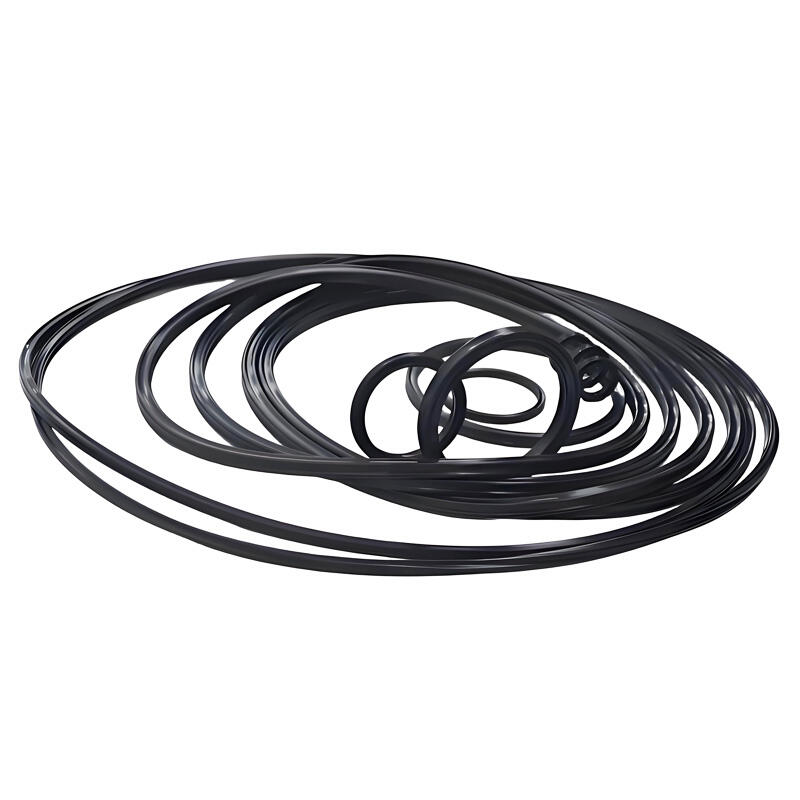
Industrial sealing applications demand precise attention to ring specification details that directly impact operational efficiency and system reliability. Understanding the critical parameters that define effective sealing performance helps engineers and procurement professionals make informed decisions when selecting components for demanding industrial environments. The complexity of modern industrial systems requires sealing solutions that meet stringent performance criteria while maintaining cost-effectiveness throughout their operational lifecycle.
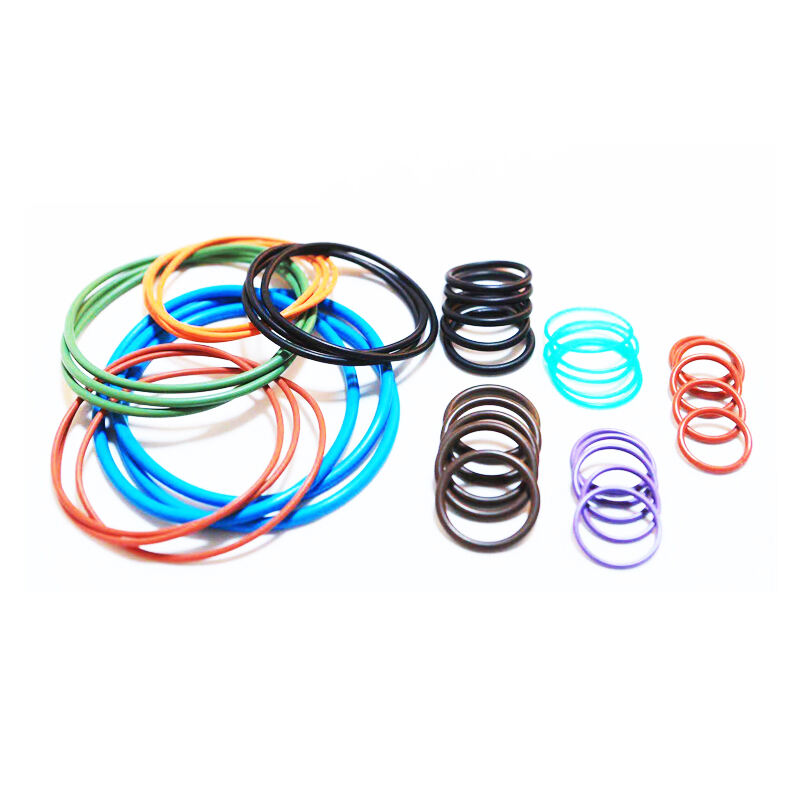
The foundation of any successful sealing application lies in the comprehensive evaluation of ring specification requirements that align with specific operating conditions. Material compatibility, dimensional accuracy, and performance characteristics form the cornerstone of effective seal selection processes. Industrial applications across sectors including automotive, aerospace, chemical processing, and manufacturing rely on standardized ring specification protocols to ensure consistent performance and interchangeability.
Material Properties and Ring Specification Standards
Elastomer Selection Criteria
The selection of appropriate elastomeric materials represents a fundamental aspect of ring specification development for industrial applications. Different elastomers exhibit varying degrees of resistance to temperature extremes, chemical exposure, and mechanical stress conditions. Nitrile rubber (NBR) offers excellent resistance to petroleum-based fluids and maintains flexibility across moderate temperature ranges, making it suitable for hydraulic and pneumatic applications where ring specification requirements emphasize oil compatibility.
Fluorocarbon elastomers (FKM) provide superior chemical resistance and high-temperature performance characteristics that make them ideal for aggressive chemical environments. The ring specification for FKM-based seals typically includes operating temperature ranges from -20°C to +200°C, with specialized grades capable of withstanding even higher temperatures. Ethylene propylene diene monomer (EPDM) materials excel in steam, hot water, and alkaline chemical applications, offering excellent aging resistance properties that extend service life in challenging environments.
Durometer and Hardness Considerations
Shore A durometer measurements play a crucial role in defining ring specification parameters that determine sealing effectiveness under specific loading conditions. Standard industrial applications typically require durometer values between 70 and 90 Shore A, with harder materials providing better extrusion resistance in high-pressure applications. Lower durometer materials offer enhanced sealing capability at reduced compression forces but may exhibit reduced resistance to system pressure fluctuations.
The relationship between durometer selection and ring specification optimization requires careful consideration of groove design parameters and expected system pressures. Applications involving rapid pressure cycling benefit from slightly softer materials that accommodate dimensional changes without compromising seal integrity. Conversely, static applications with consistent pressure levels can utilize harder materials that provide long-term dimensional stability and reduced permanent set characteristics.
Dimensional Accuracy and Tolerance Requirements
Critical Dimensional Parameters
Precise dimensional control represents a critical element of effective ring specification development that ensures proper fit and function within sealing assemblies. Inside diameter (ID), outside diameter (OD), and cross-sectional diameter (W) measurements must maintain tight tolerances to achieve optimal sealing performance. Standard AS568 ring specification guidelines establish tolerance ranges that accommodate manufacturing variations while maintaining sealing effectiveness across production batches.
The relationship between groove dimensions and ring specification tolerances directly impacts installation procedures and long-term performance characteristics. Proper squeeze ratios typically range from 15% to 25% of the original cross-sectional diameter, depending on the specific application requirements and material properties. Excessive squeeze can lead to premature failure due to stress concentration, while insufficient squeeze may result in leakage under operating pressure conditions.
Surface Finish and Quality Standards
Surface finish requirements form an integral component of comprehensive ring specification documentation that ensures consistent sealing performance. Ra (arithmetic average roughness) values for sealing surfaces typically range from 0.4 to 1.6 micrometers, depending on the specific application pressure and fluid characteristics. Smoother finishes reduce the risk of seal damage during installation and minimize leakage paths that could compromise system integrity.
Quality control procedures for ring specification verification include dimensional inspection, hardness testing, and material composition analysis. Advanced measurement techniques such as coordinate measuring machines (CMM) and optical comparators ensure that manufactured seals meet the stringent requirements outlined in specification documents. Statistical process control methods help maintain consistency across production runs while identifying potential quality issues before they impact field performance.
Operating Condition Compatibility
Temperature Range Considerations
Temperature compatibility represents a fundamental aspect of ring specification development that determines material selection and design parameters for industrial applications. Operating temperature ranges significantly influence elastomer behavior, affecting factors such as compression set resistance, tensile strength, and chemical compatibility. Standard ring specification documents must clearly define both continuous and intermittent temperature exposure limits to prevent premature seal failure.
Low-temperature performance characteristics require special attention in ring specification development for applications involving cryogenic fluids or extreme climate conditions. Materials must maintain flexibility and sealing capability at reduced temperatures while resisting brittle fracture under dynamic loading conditions. High-temperature applications demand materials with excellent thermal stability and minimal volatile content to prevent degradation and contamination of system fluids.
Pressure and Dynamic Loading
System pressure requirements significantly influence ring specification parameters that determine groove design and material selection criteria. Static pressure applications allow for different design approaches compared to dynamic systems that experience pressure fluctuations and mechanical movement. Maximum operating pressures, pressure cycling frequency, and emergency pressure conditions must all be considered during ring specification development processes.
Dynamic applications introduce additional complexity to ring specification requirements due to the presence of reciprocating or rotary motion. Friction characteristics, wear resistance, and lubrication compatibility become critical factors that influence long-term performance and maintenance requirements. The specification must address surface velocity limits, acceleration profiles, and potential stick-slip phenomena that could impact sealing effectiveness or cause premature wear.
Chemical Compatibility and Fluid Interaction
Fluid Compatibility Assessment
Chemical compatibility evaluation forms a cornerstone of comprehensive ring specification development that ensures long-term performance in contact with system fluids. Different elastomeric materials exhibit varying degrees of resistance to specific chemicals, requiring detailed compatibility testing and documentation. Swelling resistance, extraction resistance, and mechanical property retention after fluid exposure represent key performance indicators that must be addressed in specification documents.
Hydraulic fluids, process chemicals, cleaning agents, and inadvertent contamination sources all require consideration during ring specification development. Material selection must account for potential chemical interactions that could compromise seal integrity or contaminate system fluids. Compatibility charts and test data provide valuable reference information for engineers developing specifications for specific industrial applications.
Environmental Resistance Properties
Environmental factors beyond direct fluid contact significantly influence ring specification requirements for outdoor and industrial applications. Ozone resistance, UV stability, and weather resistance characteristics determine material suitability for applications involving atmospheric exposure. These environmental considerations become particularly important in mobile equipment, outdoor installations, and applications with potential exposure to cleaning chemicals or sterilization processes.
Contamination resistance represents another critical aspect of ring specification development that addresses the presence of particulate matter, abrasive materials, or corrosive atmospheres. Materials must maintain sealing effectiveness while resisting degradation from environmental contaminants that could compromise performance or require frequent maintenance. The specification should clearly define acceptable contamination levels and cleaning procedures that maintain seal integrity throughout the operational lifecycle.
Installation and Maintenance Considerations
Assembly Procedures and Tooling
Installation requirements represent an often-overlooked aspect of ring specification development that significantly impacts field performance and maintenance costs. Proper installation procedures, tooling requirements, and assembly sequence documentation help ensure that seals achieve their designed performance characteristics. The ring specification should include detailed installation guidelines that prevent damage during assembly and minimize the risk of improper installation.
Lubrication requirements during installation and operation form an integral part of comprehensive ring specification documentation. Compatible lubricants reduce installation forces, minimize wear during initial operation, and extend service life under dynamic conditions. The specification must identify approved lubricants and application methods while addressing potential compatibility issues with system fluids or cleaning procedures.
Service Life and Replacement Intervals
Predictive maintenance strategies rely on accurate ring specification data that establishes realistic service life expectations under defined operating conditions. Factors such as compression set resistance, wear rate projections, and degradation mechanisms help establish maintenance intervals that balance operational reliability with cost-effectiveness. The specification should provide guidance on inspection procedures and replacement criteria that optimize system uptime.
Storage and handling requirements ensure that seals maintain their specified performance characteristics from manufacture through installation. Proper storage conditions, shelf life limitations, and handling procedures prevent premature aging or contamination that could compromise field performance. Ring specification documents should include comprehensive storage guidelines that address temperature, humidity, light exposure, and contamination prevention requirements.
Quality Assurance and Testing Protocols
Performance Validation Methods
Comprehensive testing protocols form the foundation of reliable ring specification development that ensures consistent performance across production batches. Standard test methods such as ASTM D2240 for hardness measurement, ASTM D412 for tensile properties, and ASTM D395 for compression set provide standardized evaluation criteria that support specification compliance verification. These testing protocols establish baseline performance characteristics that guide material selection and quality control procedures.
Application-specific testing requirements may extend beyond standard material property evaluations to include performance under simulated operating conditions. Pressure testing, temperature cycling, chemical immersion, and accelerated aging studies provide valuable data for ring specification optimization. Custom test protocols may be necessary for unique applications that exceed the scope of standard testing methods or involve specialized operating environments.
Documentation and Traceability Requirements
Proper documentation standards ensure that ring specification requirements are clearly communicated and maintained throughout the product lifecycle. Material certifications, dimensional inspection reports, and performance test data provide traceability that supports quality assurance and regulatory compliance requirements. Detailed specification documents facilitate effective communication between design engineers, procurement professionals, and manufacturing partners.
Change control procedures maintain specification integrity while accommodating necessary modifications or improvements based on field experience or technology advances. Version control systems and approval processes ensure that all stakeholders work with current specification requirements while maintaining historical records for reference and troubleshooting purposes. Effective documentation practices support continuous improvement initiatives and facilitate knowledge transfer within engineering organizations.
FAQ
What are the most critical ring specification parameters for high-pressure applications
The most critical ring specification parameters for high-pressure applications include material durometer (typically 80-90 Shore A), groove design that prevents extrusion, proper squeeze ratios (15-20%), and materials with excellent compression set resistance. Temperature compatibility and chemical resistance must also align with operating conditions to ensure long-term performance under pressure cycling.
How does temperature affect ring specification material selection
Temperature significantly impacts ring specification material choice because elastomers exhibit different performance characteristics across temperature ranges. High temperatures require materials like FKM or specialized silicones that resist thermal degradation, while low-temperature applications need materials that maintain flexibility. The ring specification must define both continuous and intermittent temperature limits for proper material selection.
What dimensional tolerances are typically specified for industrial sealing rings
Standard industrial ring specification tolerances follow AS568 guidelines, with inside diameter tolerances typically ±0.005 to ±0.030 inches depending on size, and cross-sectional diameter tolerances of ±0.003 to ±0.005 inches. Tighter tolerances may be specified for critical applications, but must balance performance requirements with manufacturing cost considerations.
How do chemical compatibility requirements influence ring specification development
Chemical compatibility requirements directly influence ring specification material selection, with different elastomers offering varying resistance to specific chemicals. The specification must identify all potential fluid contacts, including cleaning agents and contamination sources. Compatibility testing data and swell resistance properties become key specification parameters that ensure long-term seal integrity in chemical environments.
Table of Contents
- Material Properties and Ring Specification Standards
- Dimensional Accuracy and Tolerance Requirements
- Operating Condition Compatibility
- Chemical Compatibility and Fluid Interaction
- Installation and Maintenance Considerations
- Quality Assurance and Testing Protocols
-
FAQ
- What are the most critical ring specification parameters for high-pressure applications
- How does temperature affect ring specification material selection
- What dimensional tolerances are typically specified for industrial sealing rings
- How do chemical compatibility requirements influence ring specification development