
 EN
EN

Heavy-duty machinery operates under extreme conditions that demand reliable sealing solutions to prevent fluid leakage and contamination. The selection of appropriate rubber oil seal materials plays a critical role in maintaining equipment performance and extending operational lifespan. Understanding the characteristics of different seal materials enables maintenance professionals and engineers to make informed decisions that optimize machinery reliability and reduce downtime costs.
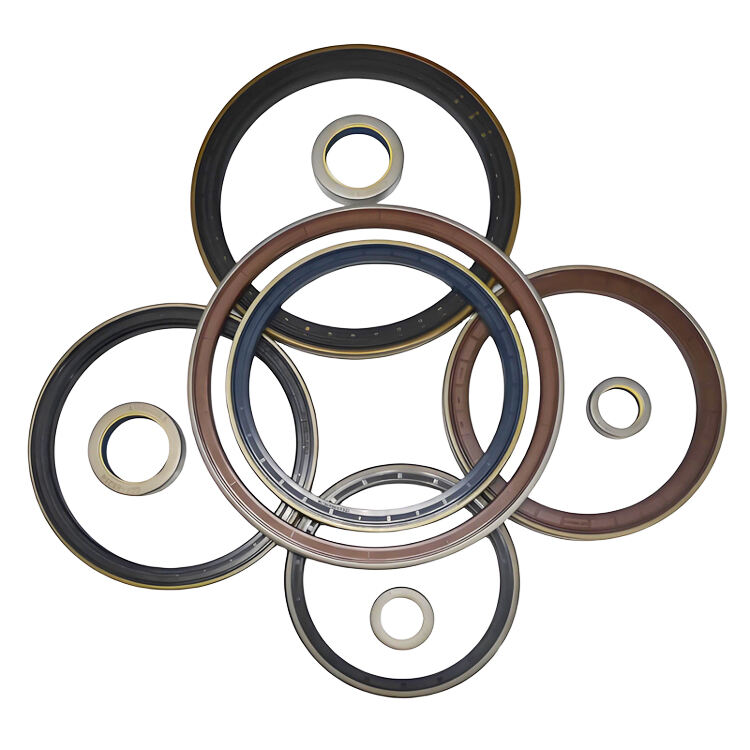
Industrial equipment faces challenging operational environments including temperature fluctuations, chemical exposure, pressure variations, and mechanical stress. Each rubber oil seal material offers unique properties that address specific application requirements. The proper material selection directly impacts seal performance, maintenance intervals, and overall equipment efficiency in heavy-duty applications.
Understanding Rubber Oil Seal Material Properties
Temperature Resistance Characteristics
Temperature tolerance represents a fundamental consideration when selecting rubber oil seal materials for heavy machinery applications. Different elastomers exhibit varying capabilities to maintain sealing integrity across wide temperature ranges. Nitrile rubber demonstrates excellent performance in moderate temperature environments, typically functioning effectively between negative forty and positive one hundred twenty degrees Celsius.
Fluoroelastomer materials excel in high-temperature applications, maintaining structural integrity and sealing effectiveness at temperatures reaching two hundred degrees Celsius or higher. These advanced rubber oil seal materials resist thermal degradation while preserving flexibility and compression characteristics essential for reliable sealing performance.
Silicone-based seal materials offer exceptional low-temperature flexibility while maintaining adequate high-temperature resistance. This temperature versatility makes silicone rubber oil seal options particularly suitable for equipment operating in variable climate conditions or experiencing significant temperature cycling during operation.
Chemical Compatibility Requirements
Chemical resistance determines seal longevity and performance when exposed to various fluids, lubricants, and environmental contaminants. Nitrile rubber provides excellent resistance to petroleum-based oils, hydraulic fluids, and most hydrocarbon compounds commonly found in heavy machinery applications. This chemical compatibility makes nitrile a popular choice for standard industrial sealing applications.
Fluoroelastomer materials demonstrate superior resistance to aggressive chemicals, acids, and synthetic fluids that would rapidly degrade standard rubber compounds. These specialized rubber oil seal materials maintain integrity when exposed to challenging chemical environments, making them ideal for chemical processing equipment and specialized industrial machinery.
Polyurethane seal materials offer exceptional resistance to abrasive particles and wear while maintaining good chemical compatibility with hydraulic fluids. The combination of chemical resistance and mechanical durability makes polyurethane an excellent choice for mobile equipment and construction machinery applications.
Material Selection for Specific Machinery Types
Construction Equipment Applications
Construction machinery operates in harsh environments characterized by dust, debris, temperature extremes, and heavy mechanical loads. Excavators, bulldozers, and loader equipment require rubber oil seal materials capable of withstanding these demanding conditions while maintaining reliable sealing performance throughout extended operating periods.
Nitrile rubber seals provide excellent performance in construction equipment hydraulic systems, offering good oil resistance and mechanical durability at moderate operating temperatures. The cost-effectiveness of nitrile materials makes them suitable for standard construction machinery applications where extreme conditions are not encountered regularly.
Polyurethane rubber oil seal materials excel in construction equipment applications due to their exceptional abrasion resistance and ability to withstand particle contamination. These seals maintain integrity when exposed to dirt, sand, and other abrasive materials commonly encountered in construction environments.
Industrial Manufacturing Equipment
Manufacturing equipment operates under controlled conditions but often requires precise sealing performance to maintain product quality and process efficiency. Steel mills, paper mills, and chemical processing facilities demand rubber oil seal materials that provide consistent performance and extended service life.
Fluoroelastomer seals offer superior performance in high-temperature manufacturing processes, maintaining sealing integrity in applications involving hot oils, steam, and elevated operating temperatures. These advanced materials justify their higher cost through extended service life and reduced maintenance requirements.
Silicone rubber oil seal materials provide excellent performance in food processing and pharmaceutical manufacturing where chemical inertness and FDA compliance are essential requirements. These specialized seals maintain purity standards while providing reliable sealing performance in sanitary applications.
Performance Optimization Strategies
Installation and Maintenance Considerations
Proper installation techniques significantly impact rubber oil seal performance regardless of material selection. Surface preparation, installation tools, and alignment procedures must be executed correctly to achieve optimal sealing results. Improper installation can compromise even the highest quality seal materials, leading to premature failure and costly downtime.
Regular maintenance schedules should account for seal material characteristics and operating conditions. Rubber oil seal materials exhibit different wear patterns and failure modes that require specific inspection techniques and replacement criteria. Understanding these material-specific behaviors enables maintenance teams to implement proactive replacement strategies.
Environmental monitoring helps optimize seal performance by tracking temperature, pressure, and contamination levels that affect material degradation rates. This data enables predictive maintenance approaches that maximize rubber oil seal service life while preventing unexpected failures.
Cost-Benefit Analysis Approaches
Total cost of ownership calculations should consider initial material cost, installation labor, maintenance requirements, and failure consequences when selecting rubber oil seal materials. Premium materials may justify higher initial costs through extended service life and reduced maintenance frequency.
Downtime costs often exceed seal material expenses by significant margins in heavy-duty applications. Selecting appropriate rubber oil seal materials that minimize failure probability can provide substantial economic benefits through improved equipment availability and reduced emergency maintenance requirements.
Inventory management strategies should balance material variety with standardization benefits. Reducing the number of different rubber oil seal materials while maintaining performance requirements can simplify procurement and reduce inventory carrying costs.
Advanced Material Technologies
Composite and Hybrid Solutions
Modern rubber oil seal technologies incorporate composite materials and hybrid designs that combine multiple elastomer properties to address complex application requirements. These advanced solutions optimize performance characteristics while maintaining cost-effectiveness for specialized heavy-duty applications.
Fabric-reinforced rubber oil seal materials provide enhanced strength and dimensional stability while maintaining flexibility and sealing capability. These composite designs excel in applications involving high pressures and dynamic movements that would challenge standard elastomer seals.
Multi-material seal designs incorporate different rubber compounds in strategic locations to optimize performance for specific seal zones. This approach allows engineers to select the optimal material for each functional area while maintaining overall seal integrity and performance.
Surface Treatment Technologies
Surface modifications enhance rubber oil seal performance through improved wear resistance, reduced friction, and enhanced chemical compatibility. These treatments extend service life while maintaining the beneficial properties of base elastomer materials.
Plasma treatments modify seal surface properties to improve compatibility with specific fluids or operating conditions. These advanced surface modifications can significantly enhance rubber oil seal performance without requiring complete material changes or major design modifications.
Coating technologies provide additional protection against specific environmental challenges while preserving the fundamental sealing characteristics of rubber oil seal materials. These protective layers can extend service life in challenging applications while maintaining cost-effectiveness.
FAQ
What factors determine the best rubber oil seal material for heavy machinery?
The selection depends on operating temperature range, fluid compatibility, pressure requirements, and environmental conditions. Nitrile rubber works well for standard applications with petroleum-based fluids, while fluoroelastomers excel in high-temperature or chemically aggressive environments. Consider the total cost of ownership including material cost, installation requirements, and expected service life when making material selections.
How do temperature extremes affect rubber oil seal performance?
Temperature extremes can cause seal hardening, cracking, or excessive softening that compromises sealing effectiveness. Different rubber oil seal materials have specific temperature ranges where they maintain optimal properties. Selecting materials with appropriate temperature ratings ensures reliable performance and prevents premature failure due to thermal stress or degradation.
Can different rubber oil seal materials be used interchangeably?
Material substitution requires careful consideration of application requirements and material properties. While some rubber oil seal materials may physically fit the same application, differences in chemical resistance, temperature tolerance, and mechanical properties can significantly impact performance. Always verify material compatibility with operating conditions before making substitutions.
What maintenance practices extend rubber oil seal service life?
Regular inspection schedules, proper lubrication, contamination control, and environmental monitoring help maximize rubber oil seal performance. Maintaining proper operating temperatures, preventing contamination ingress, and following manufacturer recommendations for installation and maintenance procedures significantly extend seal service life and reduce unexpected failures in heavy-duty applications.