 EN
EN
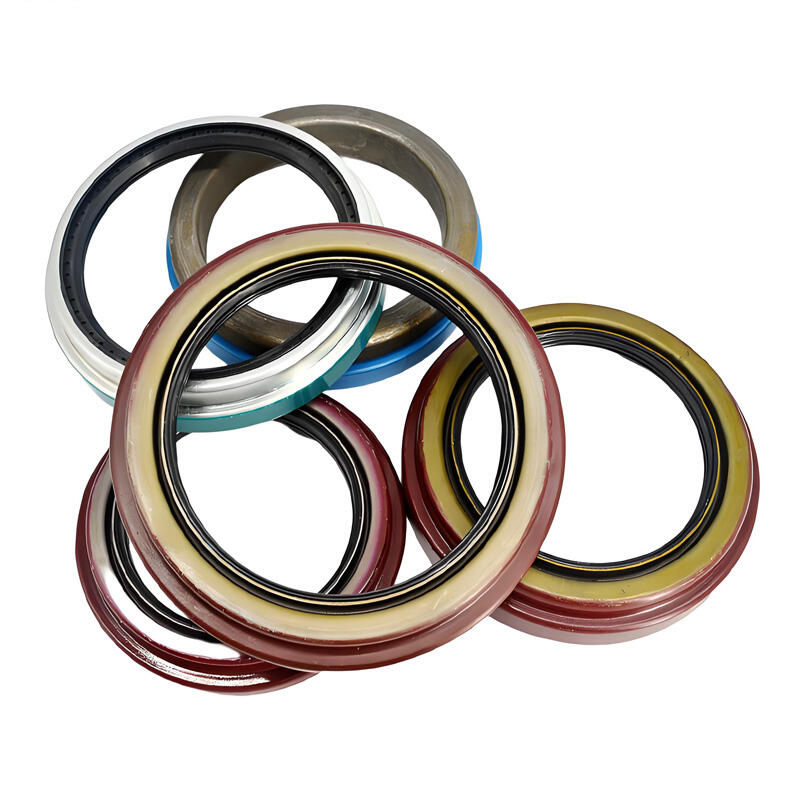
When selecting a double lip shaft oil seal for industrial applications, buyers must evaluate numerous critical factors that directly impact equipment performance and longevity. These specialized rubber oil seal components serve as the primary barrier against contamination while maintaining proper lubrication within rotating machinery. Understanding the key inspection criteria ensures optimal seal selection that prevents costly downtime and extends operational life across diverse industrial environments.
Material Composition and Quality Standards
Elastomer Selection for Operating Conditions
The primary elastomer material in a rubber oil seal determines its compatibility with specific operating fluids, temperature ranges, and chemical environments. Nitrile rubber offers excellent oil resistance and cost-effectiveness for standard applications, while fluoroelastomer compounds provide superior chemical resistance and higher temperature capabilities. Buyers should verify that the chosen material meets industry specifications such as ASTM D2000 or ISO 3601 to ensure consistent quality and performance characteristics.
Polytetrafluoroethylene materials represent the premium choice for extreme chemical resistance and low friction applications. The durometer rating of the rubber oil seal material should align with shaft hardness and operating pressure requirements to achieve optimal sealing contact without excessive wear. Material certificates from manufacturers provide verification of compound formulation and quality control processes that directly impact seal reliability.
Reinforcement and Construction Elements
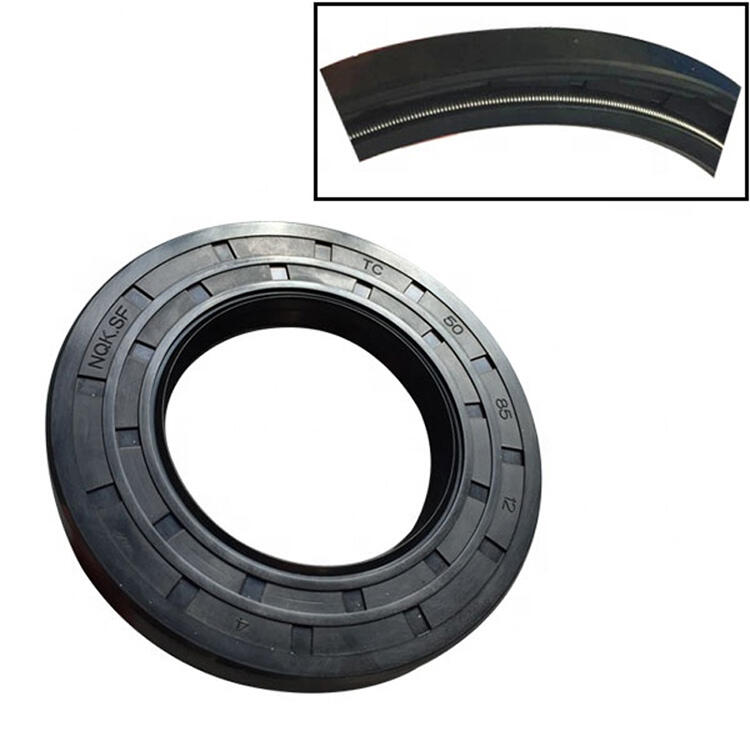
Double lip shaft seals incorporate metal reinforcement cases that provide structural integrity and proper installation characteristics. The steel case material should resist corrosion while maintaining dimensional stability under thermal cycling conditions. Spring-loaded lip designs enhance sealing contact across varying shaft tolerances and compensate for minor surface irregularities that could compromise seal effectiveness.
The garter spring material and tension specifications affect long-term sealing performance as springs maintain consistent lip contact pressure throughout the operational life. High-quality rubber oil seal designs feature precision-wound springs with appropriate material selection to resist fatigue and maintain proper tension under dynamic conditions. Buyers should verify that spring specifications match application requirements for shaft speed and operating environment.
Dimensional Accuracy and Tolerance Requirements
Shaft and Housing Dimension Compatibility
Precise dimensional matching between the rubber oil seal and mating components ensures proper installation and sealing effectiveness. Shaft diameter tolerances typically require h6 to h11 finish grades depending on seal design and application requirements. Housing bore dimensions must accommodate the seal outer diameter while providing adequate support for proper compression and retention during operation.
Manufacturers provide detailed dimension charts that specify shaft and housing requirements for each rubber oil seal configuration. Buyers should verify actual measured dimensions against these specifications rather than relying solely on nominal values. Proper dimensional control prevents installation difficulties, premature wear, and potential seal failure due to improper fit conditions.
Surface Finish and Geometric Specifications
Shaft surface finish directly affects rubber oil seal performance and service life through its impact on lip wear characteristics and sealing contact quality. Recommended surface roughness values typically range from 0.2 to 0.8 micrometers Ra depending on seal design and operating conditions. Excessive roughness accelerates lip wear while overly smooth surfaces may reduce initial sealing effectiveness.
Shaft runout specifications ensure concentric rotation that prevents uneven lip wear and potential leakage paths. Maximum allowable runout values depend on seal size and application requirements but generally should not exceed 0.05mm for optimal performance. Housing bore concentricity and perpendicularity tolerances similarly affect seal installation and operational characteristics that buyers must consider during selection.
Performance Characteristics Under Operating Conditions
Temperature Range and Thermal Stability
Operating temperature directly influences rubber oil seal material properties and service life expectations. Standard nitrile compounds typically operate effectively from -30°C to +120°C while specialized materials extend this range significantly. Buyers should evaluate both continuous operating temperatures and potential temperature excursions to ensure material compatibility throughout expected service conditions.
Thermal cycling effects on rubber oil seal performance include dimensional changes, hardness variations, and potential cracking under severe conditions. Quality seals demonstrate consistent sealing effectiveness across their specified temperature range without significant property degradation. Material selection should account for thermal expansion differences between seal components and mating hardware to maintain proper sealing contact.
Pressure Rating and Dynamic Performance
System pressure capabilities of rubber oil seal designs vary significantly based on lip configuration, material selection, and reinforcement elements. Standard double lip seals typically handle pressures up to 0.5 bar while specialized high-pressure designs accommodate substantially higher values. Buyers must match seal pressure ratings to actual system conditions including both steady-state and transient pressure events.
Shaft speed limitations affect rubber oil seal selection through heat generation and lip wear considerations. Higher speeds require specialized lip profiles and material selections to manage friction and temperature rise. Quality manufacturers provide speed-pressure charts that define safe operating envelopes for specific seal configurations under various conditions.
Quality Assurance and Testing Protocols
Manufacturing Process Validation
Reputable rubber oil seal manufacturers implement comprehensive quality control systems that include incoming material inspection, process monitoring, and finished product testing. ISO 9001 certification provides baseline assurance of quality management systems while automotive specifications like TS 16949 indicate higher-level process controls. Buyers should request quality documentation that demonstrates consistent manufacturing practices and material traceability.
Statistical process control data reveals manufacturing consistency and capability to meet specified tolerances consistently. Rubber oil seal producers should provide process capability studies and control charts that demonstrate dimensional accuracy and material property consistency. Regular third-party audits and certifications validate quality system effectiveness and continuous improvement practices.
Performance Testing and Validation Methods
Comprehensive testing protocols verify rubber oil seal performance under simulated operating conditions before field deployment. Standard test methods include pressure resistance, temperature cycling, chemical compatibility, and accelerated aging studies. Dynamic testing on rotating test fixtures provides realistic performance data under actual operating conditions including speed, temperature, and pressure combinations.
Leakage rate testing quantifies sealing effectiveness under specified conditions while endurance testing validates service life expectations. Quality rubber oil seal suppliers provide test reports and performance data that support their specifications and warranty claims. Independent laboratory testing adds credibility to manufacturer claims and provides objective performance comparisons.
Installation and Maintenance Considerations
Proper Installation Procedures
Correct installation techniques significantly impact rubber oil seal service life and performance characteristics. Specialized installation tools prevent lip damage during assembly while ensuring proper orientation and positioning. Buyers should evaluate supplier technical support including installation guides, tooling recommendations, and training resources that facilitate proper field installation practices.
Pre-installation preparation requirements include shaft and housing cleaning, dimension verification, and proper lubrication procedures. Quality rubber oil seal suppliers provide detailed installation instructions specific to their products including torque specifications, assembly sequences, and quality checkpoints. Proper installation training reduces field failures and ensures optimal seal performance throughout service life.
Maintenance Requirements and Service Life
Preventive maintenance practices extend rubber oil seal service life through proper lubrication management, contamination control, and periodic inspection procedures. Quality seals require minimal maintenance when properly installed and operated within design parameters. Buyers should understand recommended inspection intervals and warning signs that indicate potential seal deterioration or system problems.
Service life expectations vary significantly based on operating conditions, installation quality, and maintenance practices. Realistic rubber oil seal life predictions require understanding of actual operating conditions compared to design specifications. Suppliers should provide service life estimates based on similar applications and operating conditions rather than theoretical maximums under ideal conditions.
Cost Analysis and Value Considerations
Initial Cost versus Total Ownership Cost
Rubber oil seal selection decisions should consider total ownership costs rather than just initial purchase price. Premium seals with longer service life and superior performance may provide lower total costs through reduced replacement frequency and downtime. Buyers should evaluate the cost impact of seal failures including replacement parts, labor, and lost production during maintenance activities.
Quality rubber oil seal suppliers often provide value analysis tools that help buyers evaluate total cost implications of different seal options. Warranty terms and conditions reflect manufacturer confidence in product quality and provide protection against premature failures. Extended warranties may justify higher initial costs through risk mitigation and performance guarantees.
Availability and Supply Chain Considerations
Reliable availability of replacement rubber oil seal components ensures continuous equipment operation without extended downtime for parts procurement. Suppliers with global distribution networks and adequate inventory levels provide better service support for critical applications. Buyers should evaluate supplier financial stability and manufacturing capacity to ensure long-term availability of selected seal configurations.
Standardization on specific rubber oil seal designs and suppliers simplifies inventory management and reduces procurement costs. Multiple sourcing strategies provide supply security while potentially increasing inventory complexity. Buyers must balance supply security against standardization benefits when developing seal procurement strategies for their operations.
FAQ
How do I determine the correct rubber oil seal size for my application?
Measure the shaft diameter, housing bore diameter, and available axial space accurately using precision measuring tools. Consult manufacturer dimension charts to select the appropriate seal size while verifying that shaft and housing tolerances meet specified requirements. Consider both static dimensions and thermal expansion effects under operating conditions to ensure proper fit throughout the service temperature range.
What material should I choose for high-temperature rubber oil seal applications?
For continuous temperatures above 120°C, fluoroelastomer compounds provide superior heat resistance and chemical compatibility compared to standard nitrile materials. Polytetrafluoroethylene seals offer the highest temperature capability but may require special installation procedures and higher initial costs. Consult with seal manufacturers to match material properties with specific temperature requirements and chemical exposure conditions.
How can I extend the service life of my rubber oil seal installations?
Maintain proper shaft surface finish and concentricity within manufacturer specifications while ensuring correct installation procedures using appropriate tools and techniques. Implement effective contamination control measures and maintain proper lubrication levels with compatible fluids. Monitor operating conditions to prevent exceeding design limits for temperature, pressure, and speed that could accelerate wear and reduce service life.
What are the signs that indicate rubber oil seal replacement is needed?
Visible oil leakage around the seal area indicates compromised sealing effectiveness requiring immediate attention. Increased operating temperatures or unusual noise from sealed components may suggest seal deterioration or contamination problems. Periodic inspection should identify lip wear, hardening, or cracking that indicates approaching end of service life before catastrophic failure occurs.