viton shaft seal
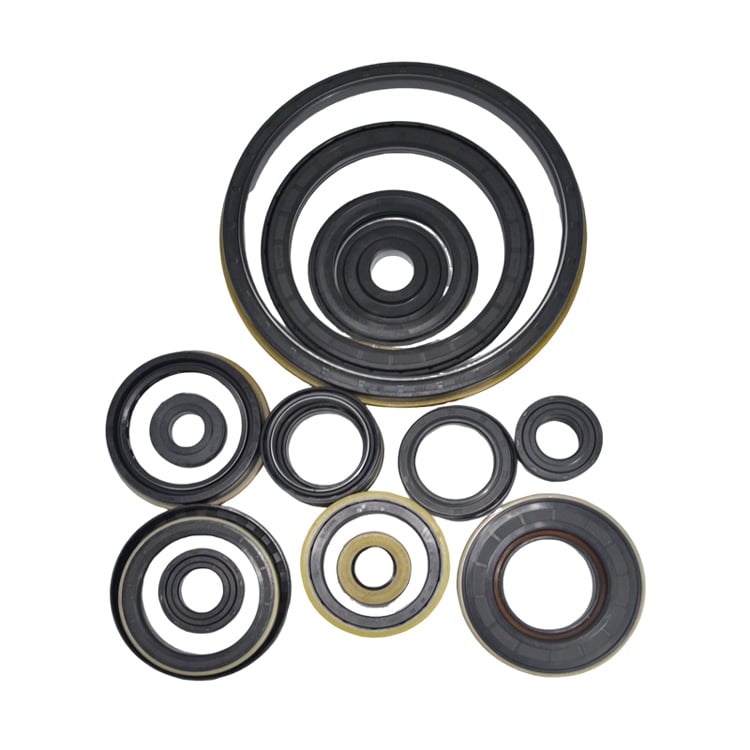
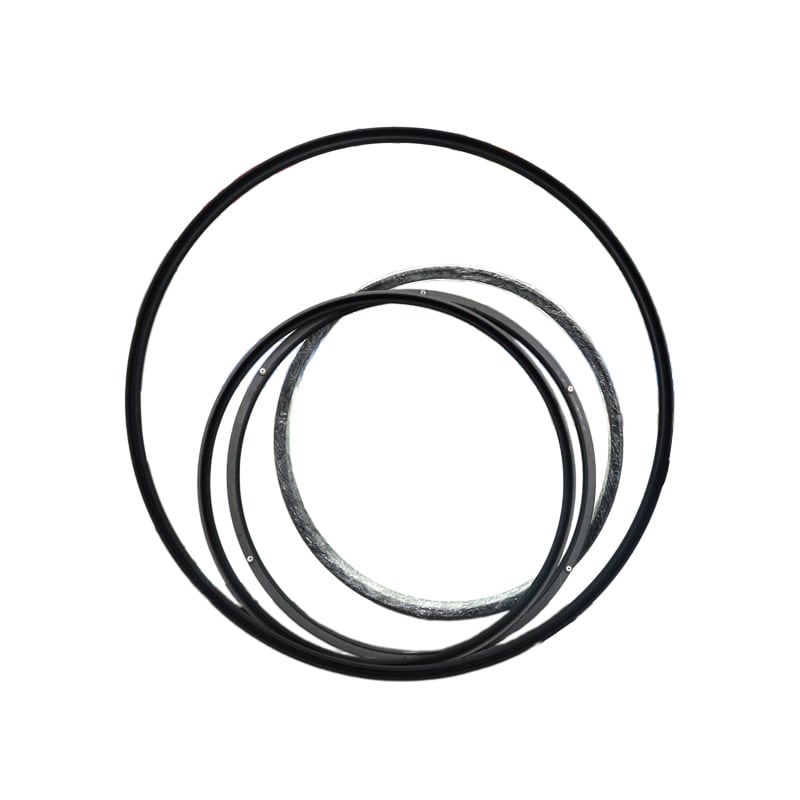
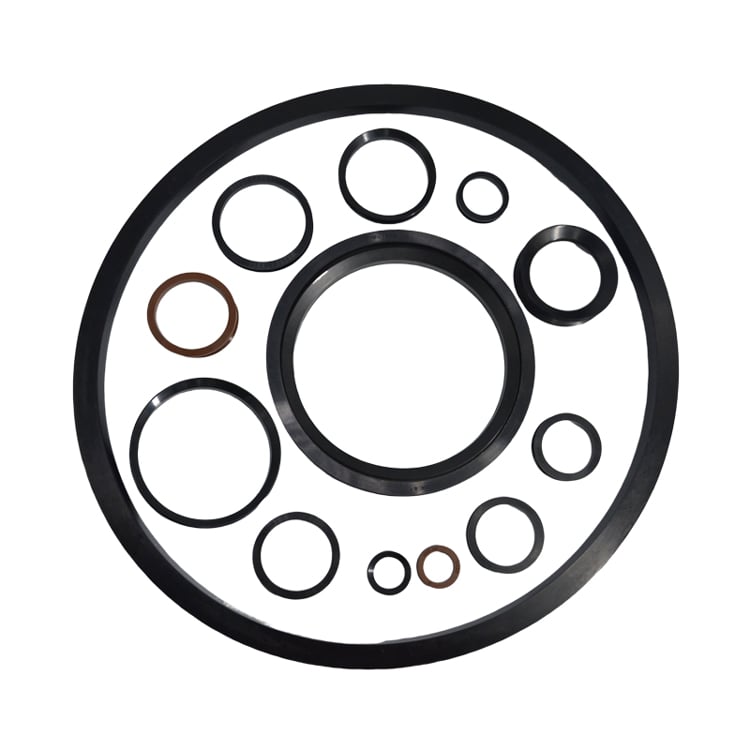
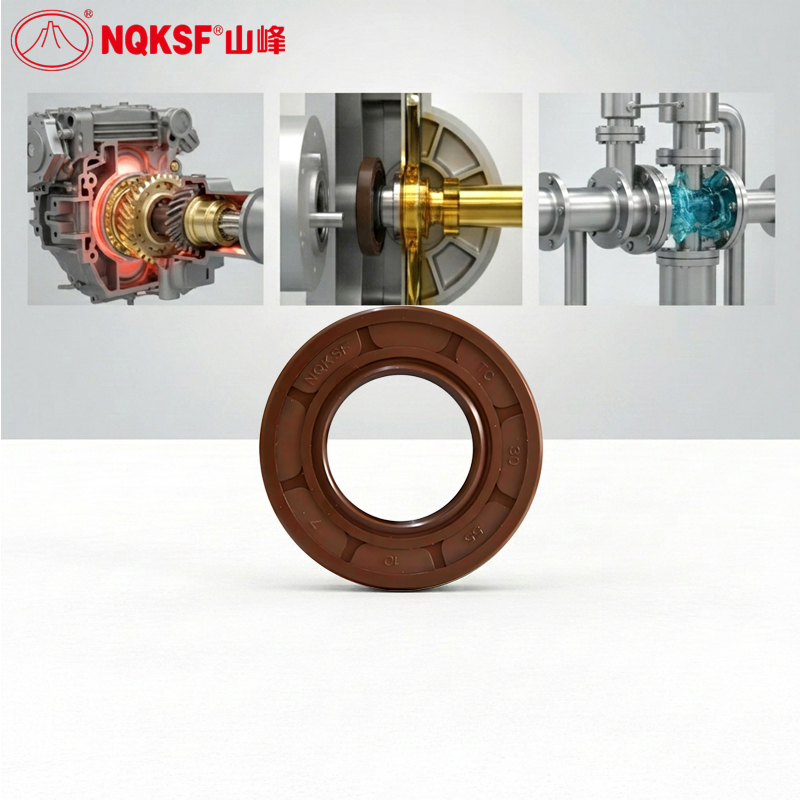
A viton shaft seal represents a critical sealing solution designed to prevent fluid leakage and contamination in rotating equipment. The viton shaft seal functions as a barrier between the internal and external environments of pumps, compressors, and turbines, maintaining system integrity under demanding operational conditions. This specialized component combines advanced material science with precision engineering to deliver reliable performance across diverse industrial applications.
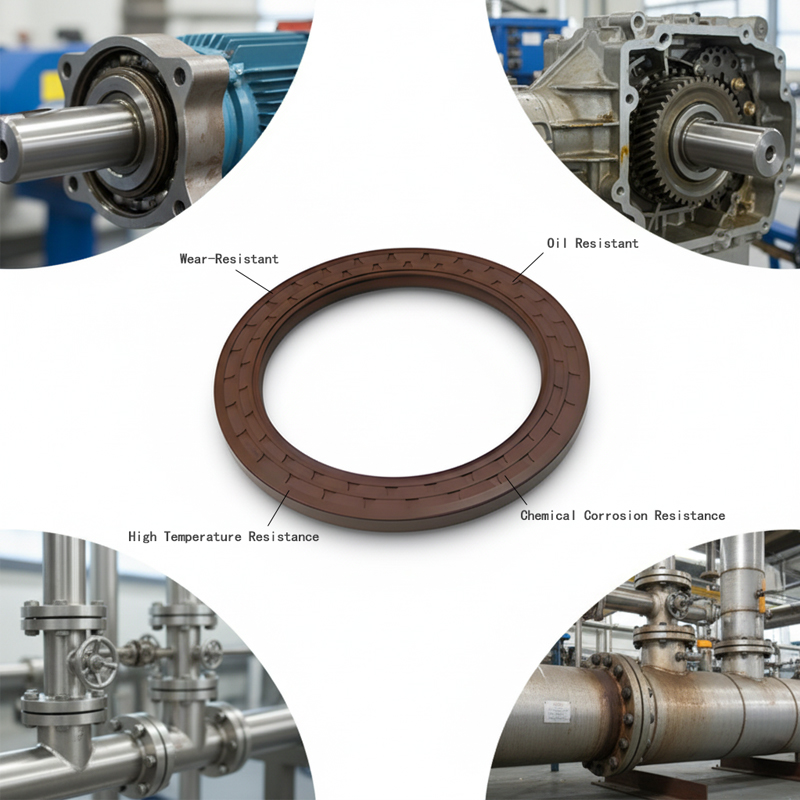
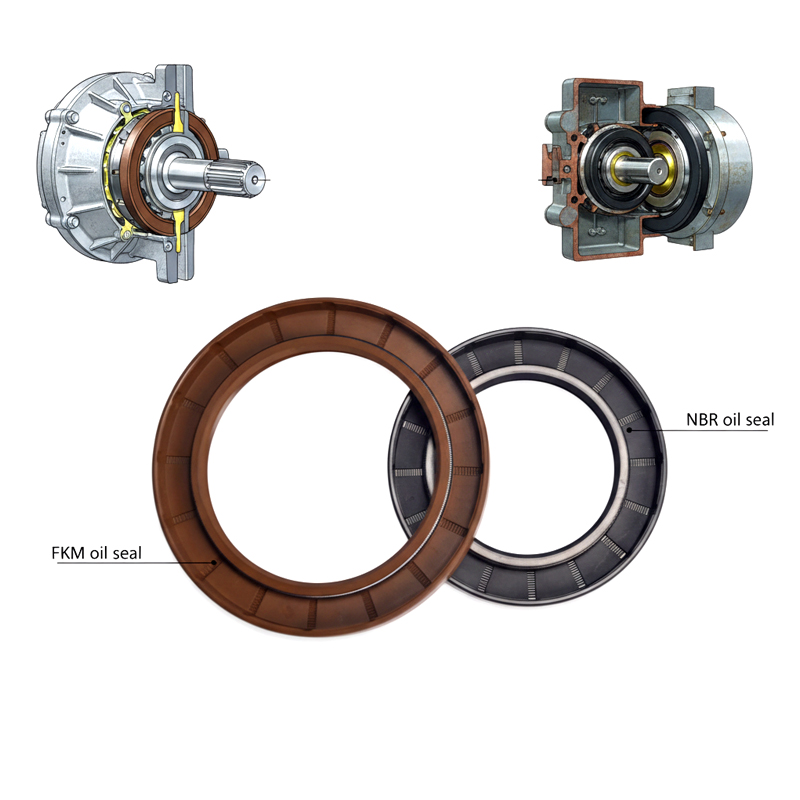
The technological features of a viton shaft seal include its construction from Viton fluoroelastomer, a synthetic rubber compound renowned for exceptional chemical resistance and thermal stability. The viton shaft seal withstands temperatures ranging from minus 20 to 200 degrees Celsius, making it suitable for extreme environments. Its superior resistance to oils, fuels, coolants, and aggressive chemicals ensures longevity even when exposed to harsh substances.
Key technological characteristics include precision-machined surfaces, optimized contact geometry, and dual-component design that combines the elastomer with metal or ceramic components. These features work synergistically to minimize friction, reduce heat generation, and extend service life significantly.
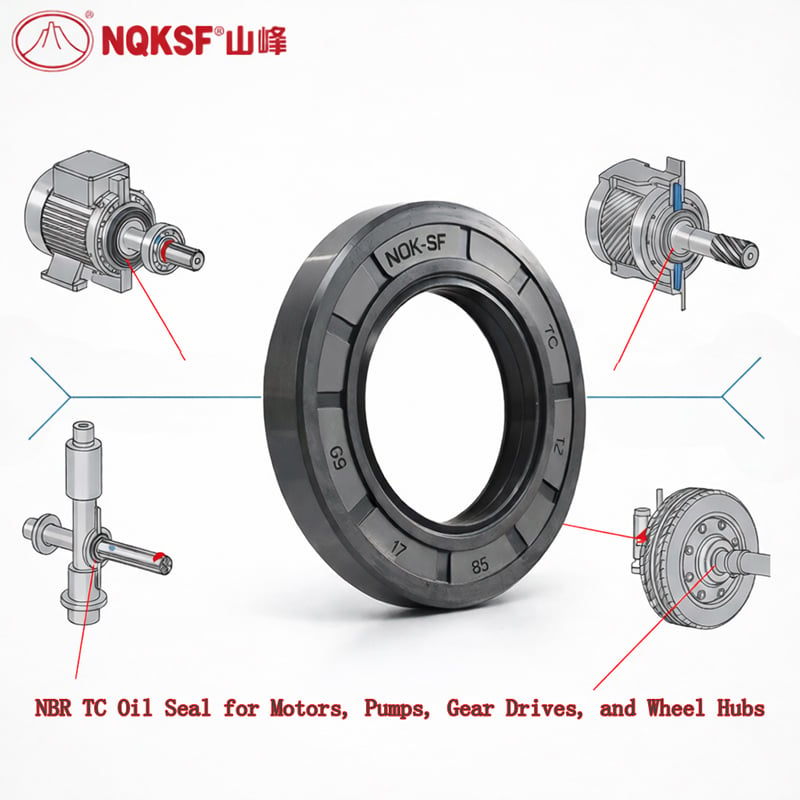
Applications for the viton shaft seal span multiple industries including automotive, pharmaceutical, chemical processing, and food manufacturing. Industrial equipment such as centrifugal pumps, vacuum pumps, and rotary compressors commonly utilize this sealing solution. The viton shaft seal proves particularly valuable in applications involving aggressive media exposure where standard seals would fail prematurely, offering businesses cost-effective reliability and operational continuity in mission-critical systems.

 EN
EN