 EN
EN
Fundamentals of Proper Oil Seal Installation in Mechanical Systems
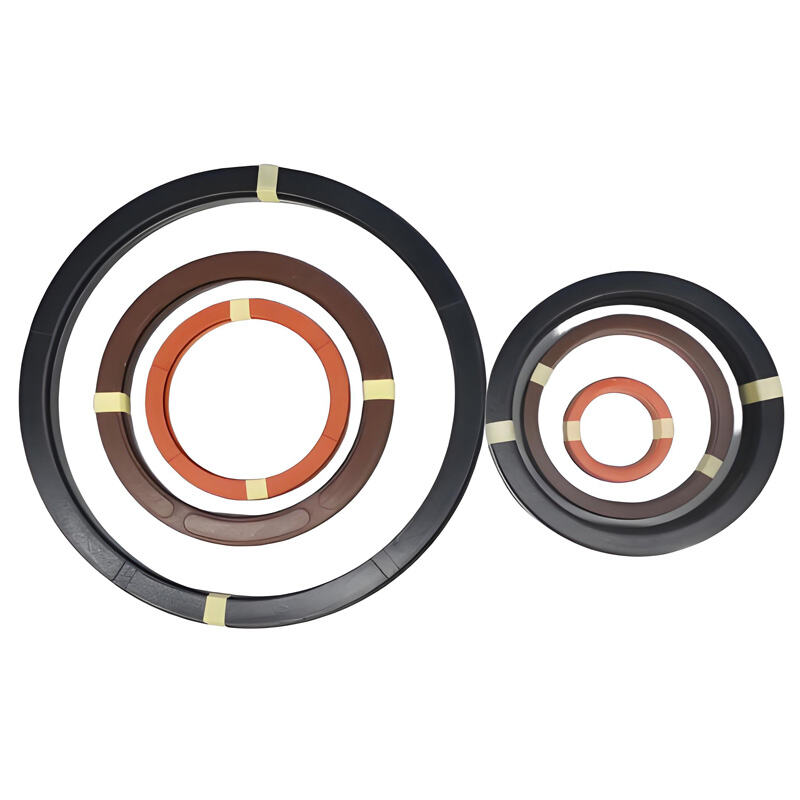
Correct installation is one of the most critical factors affecting Oil Seal performance and service life. Even a high-quality Oil Seal can fail prematurely if it is installed incorrectly. In industrial equipment, automotive assemblies, and rotating machinery, proper installation ensures stable sealing, reduced friction, and long-term reliability. Understanding installation fundamentals helps engineers, technicians, and procurement teams avoid leakage, contamination, and unexpected downtime, while fully realizing the designed value of an Oil Seal.
Understanding Oil Seal Structure Before Installation
Basic Components and Functional Areas
An Oil Seal is not a simple rubber ring. It consists of multiple functional elements, including the sealing lip, metal case, rubber coating, and in many designs, a garter spring. Each component plays a specific role in maintaining oil retention and excluding external contaminants. Before installation, installers should clearly understand which side of the Oil Seal faces the oil medium and which side faces the external environment.
The sealing lip is engineered to maintain controlled contact pressure with the shaft surface. If this lip is damaged, deformed, or installed in the wrong orientation, the Oil Seal will not perform as intended. Recognizing these structural details before installation significantly reduces the risk of early failure.
Material Behavior During Assembly
Oil Seal materials respond differently to pressure, temperature, and handling. Rubber compounds can deform under excessive force, while metal cases can distort if uneven pressure is applied. Understanding material behavior allows installers to choose appropriate tools and techniques. A professional Oil Seal manufacturer designs products with predictable material performance, but correct handling during installation remains essential.
Installers should also consider the compatibility between the Oil Seal material and the lubricant used during assembly. Proper lubrication reduces friction during installation and protects the sealing lip from damage during initial shaft rotation.
Preparing the Installation Environment
Shaft and Housing Inspection
Before installing an Oil Seal, both the shaft and housing must be carefully inspected. Surface finish, roundness, and cleanliness directly affect sealing performance. Scratches, burrs, or corrosion on the shaft can quickly damage the sealing lip, leading to leakage. Housing bores with sharp edges or misalignment can deform the Oil Seal during insertion.
Thorough inspection ensures that the Oil Seal operates under designed conditions. Cleaning the shaft and housing removes debris that could compromise sealing integrity. This preparation step is often underestimated but plays a decisive role in long-term performance.
Dimensional Accuracy and Fit Verification
Dimensional accuracy is critical for Oil Seal installation. The outer diameter of the Oil Seal must match the housing bore precisely, while the inner diameter must be compatible with the shaft size. Verifying these dimensions before installation prevents excessive interference or loose fitting.
Incorrect fit can result in spinning within the housing or insufficient sealing pressure on the shaft. A reliable Oil Seal manufacturer provides clear dimensional specifications to guide installers and reduce installation errors.
Correct Installation Techniques for Oil Seals
Controlled Pressing and Alignment
Oil Seal installation requires controlled, even pressure. The Oil Seal should be pressed squarely into the housing without tilting. Uneven force can deform the metal case or rubber coating, compromising sealing performance. Dedicated installation tools or press fixtures help ensure uniform pressure distribution.
Alignment is equally important. The Oil Seal must sit flush with the housing bore and align concentrically with the shaft. Misalignment introduces uneven lip contact, increasing wear and reducing service life. Proper alignment ensures that the Oil Seal maintains consistent contact pressure throughout operation.
Use of Installation Tools and Guides
Using appropriate installation tools is strongly recommended. Tools designed specifically for Oil Seal installation protect the sealing lip and ensure accurate positioning. Improvised tools can easily damage the Oil Seal, even if the damage is not immediately visible.
Guide sleeves or protective covers are particularly useful when installing Oil Seals over splined or stepped shafts. These guides prevent the sealing lip from catching on sharp edges, preserving its integrity during assembly.
Lubrication Considerations During Installation
Pre-Lubrication of Sealing Lips
Applying a thin, compatible lubricant to the sealing lip before installation is essential. This lubrication reduces friction during initial startup and prevents dry running, which can damage the lip surface. The lubricant should match the operating medium to avoid chemical incompatibility.
Proper pre-lubrication also helps the Oil Seal conform smoothly to the shaft surface during the first rotations. This step contributes to immediate sealing effectiveness and reduces the risk of micro-damage.
Avoiding Excessive Lubricant Use
While lubrication is important, excessive lubricant can attract contaminants or interfere with proper seating. Installers should apply only the necessary amount to protect the sealing lip. Balanced lubrication supports optimal Oil Seal performance without introducing secondary risks.
Experienced Oil Seal manufacturers often provide lubrication recommendations based on material and application conditions, helping installers achieve the best results.
Common Installation Errors and Their Consequences
Incorrect Orientation of Oil Seals
One of the most common mistakes is installing the Oil Seal in the wrong orientation. The sealing lip must face the oil or fluid being retained. Incorrect orientation prevents proper pressure distribution and leads to leakage.
Understanding Oil Seal design and clearly marking installation direction can prevent this error. Proper training and documentation further reduce the likelihood of incorrect orientation during assembly.
Damage from Improper Handling
Oil Seals are precision components and should be handled accordingly. Dropping, bending, or forcing an Oil Seal into place can cause hidden damage. Even minor deformation can compromise sealing effectiveness.
Careful handling and the use of protective packaging until installation help maintain Oil Seal integrity. Manufacturers with disciplined production and packaging standards support this requirement by delivering consistent, damage-free products.
Installation in Different Application Scenarios
Automotive and Powertrain Assemblies
In automotive applications, Oil Seal installation must account for high rotational speeds, vibration, and temperature variation. Precision installation ensures stable sealing in engines, transmissions, and axles. Any deviation can result in oil leakage that affects vehicle performance and reliability.
Automotive assemblies often require high repeatability. Standardized installation procedures and tools help maintain consistency across production lines. Reliable Oil Seal suppliers support these requirements through stable quality and precise dimensional control.
Industrial Machinery and Equipment
Industrial machinery presents diverse installation challenges, including large shaft diameters and heavy-duty operating conditions. Oil Seal installation in these environments must prioritize alignment, cleanliness, and controlled force.
Customization is common in industrial applications. A manufacturer such as Shanfeng (NQKSF), with strong in-house research and manufacturing control, supports varied installation requirements by delivering Oil Seal designs suited to specific equipment parameters.
Post-Installation Checks and Validation
Visual and Dimensional Verification
After installation, visual inspection confirms that the Oil Seal is seated correctly and evenly. The seal should sit flush with the housing, without gaps or distortion. Verifying position and depth ensures compliance with installation specifications.
Dimensional checks may also be required in critical applications. Confirming concentricity and alignment helps prevent uneven wear and extends Oil Seal service life.
Initial Operation Monitoring
Monitoring the equipment during initial operation provides valuable feedback. Checking for leakage, abnormal noise, or temperature rise helps identify installation issues early. Early detection allows corrective action before serious damage occurs.
This validation step is especially important in high-value equipment where Oil Seal failure can lead to costly downtime.
Role of Manufacturer Support in Installation Success
Technical Documentation and Guidance
A professional Oil Seal manufacturer provides clear installation guidelines, drawings, and technical support. These resources help installers understand product requirements and avoid common mistakes. Documentation tailored to specific Oil Seal designs enhances installation accuracy.
Manufacturers that emphasize technical communication demonstrate commitment to customer success. This approach reduces installation-related failures and strengthens long-term cooperation.
Consistency and Batch Reliability
Installation success is closely linked to product consistency. When Oil Seal dimensions and material properties remain stable across batches, installation procedures become predictable. Consistent products reduce adjustment time and improve assembly efficiency.
Shanfeng (NQKSF) emphasizes controlled manufacturing and stable output, supporting consistent installation results across different projects and industries.
Training and Standardization for Long-Term Reliability
Establishing Standard Installation Procedures
Standardized installation procedures reduce variability and error rates. Clear work instructions, defined tools, and documented steps help ensure that every Oil Seal is installed correctly, regardless of operator experience.
Standardization also supports scalability. As production volumes increase, consistent procedures maintain Oil Seal performance across larger output levels.
Skill Development and Knowledge Sharing
Training plays a vital role in Oil Seal installation quality. Skilled technicians understand the importance of preparation, alignment, and handling. Ongoing training ensures that installation teams stay aligned with best practices and evolving product designs.
Knowledge sharing between manufacturers and customers further improves outcomes. Feedback from real applications helps refine installation recommendations and product design.
Why Proper Installation Determines Oil Seal Performance
Impact on Service Life and Maintenance Costs
Correct installation directly affects Oil Seal service life. Properly installed Oil Seals experience uniform wear, stable contact pressure, and reduced friction. This extends replacement intervals and lowers maintenance costs.
In contrast, poor installation accelerates wear and increases the risk of leakage. The resulting maintenance burden often outweighs the initial cost of the Oil Seal itself.
Supporting Overall System Reliability
Oil Seal performance influences the reliability of the entire system. Effective sealing protects bearings, gears, and lubricants from contamination. Proper installation ensures that the Oil Seal fulfills this protective role consistently.
Reliable installation practices align with broader goals of operational stability and cost control. This makes installation quality a strategic consideration rather than a routine task.
FAQ
Oil Seal Installation Preparation Essentials
Preparation includes inspecting shaft and housing surfaces, verifying dimensions, and cleaning all contact areas. These steps create the foundation for successful Oil Seal installation and long-term performance.
Recommended Tools for Oil Seal Installation
Dedicated installation tools, press fixtures, and guide sleeves help ensure even pressure and proper alignment. Using the correct tools reduces the risk of damaging the Oil Seal during assembly.
Signs of Incorrect Oil Seal Installation
Common signs include immediate leakage, abnormal noise, uneven wear, or excessive heat generation. Early identification allows corrective action before severe damage occurs.
Table of Contents
- Fundamentals of Proper Oil Seal Installation in Mechanical Systems
- Understanding Oil Seal Structure Before Installation
- Preparing the Installation Environment
- Correct Installation Techniques for Oil Seals
- Lubrication Considerations During Installation
- Common Installation Errors and Their Consequences
- Installation in Different Application Scenarios
- Post-Installation Checks and Validation
- Role of Manufacturer Support in Installation Success
- Training and Standardization for Long-Term Reliability
- Why Proper Installation Determines Oil Seal Performance
- FAQ