 EN
EN
Structure and Classification of Modern Oil Seal Systems
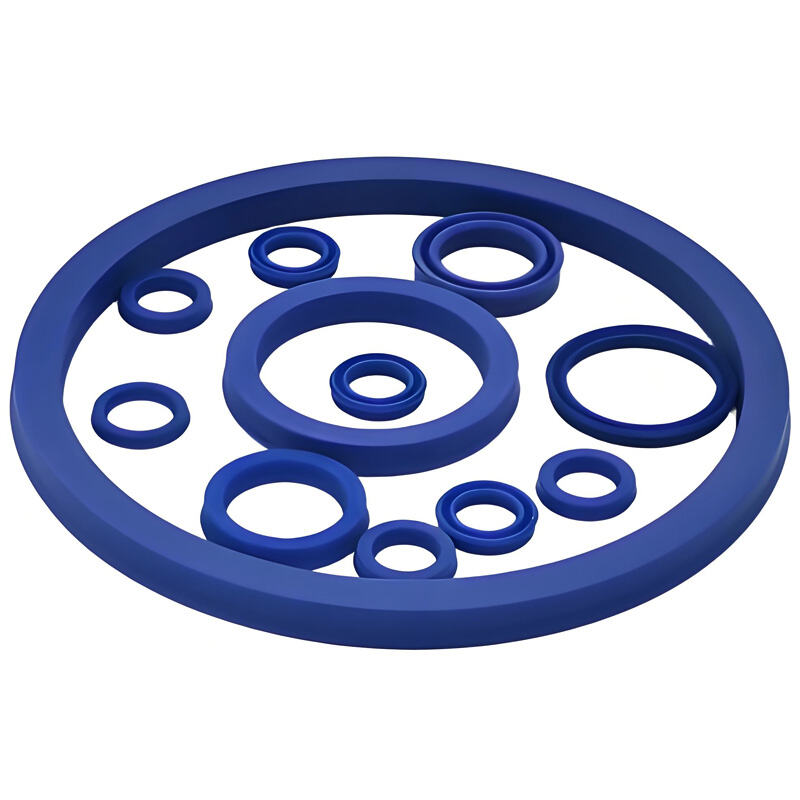
In industrial equipment, automotive assemblies, and precision machinery, the oil seal plays a foundational role in ensuring stable operation. While it is often treated as a standard component, the oil seal actually includes a wide range of models designed for different structures, materials, and operating environments. Understanding oil seal models is essential for engineers, buyers, and maintenance teams who want to avoid leakage risks, reduce downtime, and extend equipment service life. A clear understanding of oil seal classification also helps improve procurement accuracy and overall system reliability.
Basic Principles Behind Oil Seal Models
Functional Role of an Oil Seal
An oil seal is primarily designed to retain lubricants and prevent contaminants from entering mechanical systems. It works at the interface between a rotating or reciprocating shaft and a stationary housing. The sealing lip, spring structure, and material elasticity work together to maintain contact pressure under dynamic conditions. Different oil seal models adapt this principle to suit specific speeds, pressures, and environmental demands.
In practice, oil seal performance is closely related to its structural design. Variations in lip geometry, reinforcement, and auxiliary dust lips create different oil seal models. These models are not interchangeable by default, as each is engineered for a defined application range. Selecting the correct oil seal model ensures stable lubrication and protects internal components from premature wear.
Key Factors Influencing Oil Seal Design
Oil seal models are shaped by several core factors. Shaft speed determines friction and heat generation. Operating temperature affects material elasticity and aging behavior. Media type, such as oil, grease, or chemical fluids, dictates compound compatibility. Environmental exposure, including dust or moisture, influences whether secondary lips are required.
Manufacturers classify oil seal models by balancing these factors. A professional oil seal supplier evaluates real operating data rather than relying solely on nominal dimensions. This approach ensures that the selected oil seal model performs reliably throughout its service life rather than only during initial installation.
Common Structural Types of Oil Seal Models
Single Lip Oil Seal Designs
Single lip oil seal models are among the most widely used. They feature one primary sealing lip supported by a garter spring. This structure is suitable for applications where the operating environment is relatively clean and the main requirement is oil retention. The simplicity of this oil seal model allows for easy installation and cost-efficient production.
Despite their simple appearance, single lip oil seal designs require precise lip geometry and material control. Contact pressure must be sufficient to prevent leakage without generating excessive friction. For many standard industrial and automotive applications, this oil seal model provides an effective balance between performance and durability.
Double Lip Oil Seal Configurations
Double lip oil seal models add an auxiliary dust lip in addition to the main sealing lip. This structure improves protection against external contaminants such as dust, water, or debris. In harsher environments, this oil seal model significantly extends service life by reducing abrasive wear on the primary lip.
The auxiliary lip does not typically retain oil but acts as a barrier. Proper spacing and material selection are essential to prevent heat buildup. Double lip oil seal models are commonly used in construction machinery, agricultural equipment, and outdoor industrial systems where contamination risks are higher.
Material-Based Oil Seal Model Classification
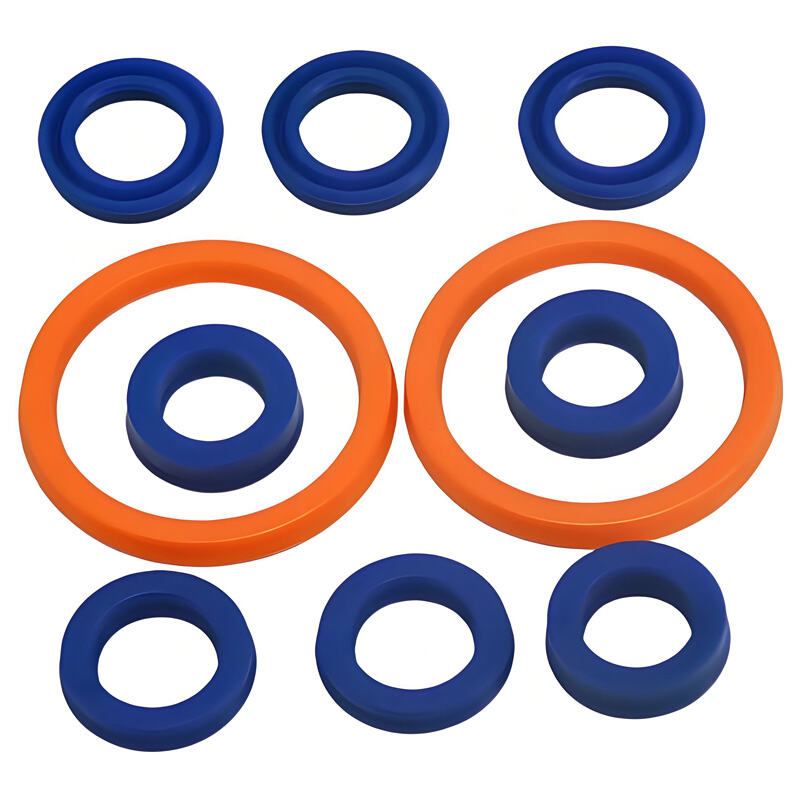
Nitrile Rubber Oil Seal Models
Nitrile rubber oil seal models are widely used due to their balanced performance and cost efficiency. They offer good resistance to mineral oils, moderate temperatures, and general industrial conditions. This oil seal model is often selected for automotive engines, gearboxes, and standard machinery.
Material stability is a key advantage of nitrile rubber oil seal designs. When properly formulated, they maintain elasticity over long operating periods. However, their temperature range is limited compared to advanced elastomers, which is why application analysis remains essential when choosing this oil seal model.
Fluoroelastomer Oil Seal Variants
Fluoroelastomer oil seal models are designed for higher temperatures and more aggressive media. They maintain sealing performance in environments where conventional rubber would harden or degrade. This oil seal model is commonly used in high-performance engines, chemical processing equipment, and demanding industrial systems.
The higher cost of fluoroelastomer oil seal designs is often justified by their extended service life and reduced maintenance frequency. Selecting this oil seal model helps prevent failures in critical applications where temperature and chemical exposure are constant challenges.
Reinforcement and Housing Styles
Metal-Cased Oil Seal Models
Metal-cased oil seal models use a steel outer shell to ensure rigid fitting within the housing bore. This structure provides excellent dimensional stability and heat dissipation. It is commonly used where housing tolerances are well-controlled and installation conditions are consistent.
The metal casing also improves sealing integrity under pressure variations. This oil seal model is widely adopted in mass production environments where consistency and repeatability are required. Proper surface finish of the housing is critical to maximize the effectiveness of this design.
Rubber-Covered Oil Seal Designs
Rubber-covered oil seal models feature an elastomer-coated outer diameter. This structure compensates for minor housing imperfections and improves static sealing. It is particularly useful in applications where housing surfaces are rough or where vibration may affect fit.
This oil seal model also reduces the risk of corrosion between the seal and housing. Rubber-covered designs are often chosen for retrofit applications or equipment with less controlled manufacturing tolerances.
Application-Specific Oil Seal Models
Automotive Oil Seal Applications
Automotive oil seal models are engineered for continuous rotation, vibration, and temperature variation. Crankshaft, camshaft, and transmission oil seal designs must maintain stable sealing over long service intervals. Precision in lip design and spring tension is essential for these oil seal models.
Consistency across production batches is especially important in automotive supply chains. Oil seal manufacturers with strong process control systems deliver stable quality that meets OEM requirements. This reliability reduces warranty risks and supports long-term vehicle performance.
Industrial Machinery Oil Seal Solutions
Industrial machinery oil seal models face diverse operating conditions. High-speed motors, heavy-load gearboxes, and specialized equipment all require tailored oil seal designs. In many cases, standard models must be modified to match shaft size, pressure, or environmental exposure.
Customization capability becomes a key advantage in these applications. Manufacturers that support tailored oil seal models help customers optimize equipment reliability and reduce unplanned maintenance events.
Dimensional Standards and Oil Seal Coding
Understanding Oil Seal Size Designations
Oil seal models are typically identified by inner diameter, outer diameter, and width. These dimensions define compatibility with shaft and housing structures. Accurate measurement and standardization are critical, as even small deviations can compromise sealing performance.
In addition to basic dimensions, oil seal models may include design codes indicating lip type, material, or reinforcement style. Understanding these codes helps buyers select the correct oil seal without ambiguity.
International Standards and Interchangeability
Many oil seal models follow international standards that promote interchangeability. These standards simplify global sourcing and maintenance planning. However, not all oil seal designs are fully interchangeable, as material quality and manufacturing precision vary.
Working with an experienced oil seal manufacturer ensures that standardized models still meet performance expectations. Attention to detail beyond nominal dimensions distinguishes reliable oil seal solutions from generic alternatives.
Manufacturing Quality and Model Consistency
Process Control in Oil Seal Production
Consistency in oil seal models depends on strict process control. Raw material handling, molding conditions, and curing cycles all influence final performance. Manufacturers that integrate quality checks throughout production achieve more stable oil seal characteristics.
This consistency is particularly important for customers ordering oil seal models in large volumes. Predictable performance across batches reduces inspection workload and minimizes assembly disruptions.
Role of Internal Systems and Inventory Management
Advanced management systems improve coordination between production, inventory, and order fulfillment. Manufacturers that maintain structured inventory can deliver oil seal models quickly while preserving quality consistency.
Shanfeng (NQKSF) demonstrates this approach by combining in-house manufacturing control with systematic order management. This structure supports stable output and responsive service without compromising oil seal performance.
Selecting the Right Oil Seal Model
Matching Operating Conditions to Design
Selecting the correct oil seal model starts with understanding operating conditions. Shaft speed, temperature, pressure, and environmental exposure must all be considered. Relying solely on size matching can lead to premature failure.
Technical consultation with an experienced oil seal supplier helps align design features with real application demands. This reduces trial-and-error costs and improves long-term reliability.
Evaluating Supplier Capability
Beyond the oil seal model itself, supplier capability matters. Engineering support, testing resources, and production stability all influence the success of oil seal applications. A capable manufacturer supports customers throughout the product lifecycle rather than only at the point of sale.
Manufacturers with long-term industry focus often provide deeper insights into oil seal model selection. This expertise becomes a valuable asset for customers managing complex equipment portfolios.
Brand Strength and Manufacturing Philosophy
Experience and Technical Depth
Experience shapes oil seal development. Manufacturers with decades of sealing industry involvement have refined their oil seal models through real-world feedback and continuous improvement. This technical depth translates into practical design reliability.
Shanfeng (NQKSF) reflects this philosophy through its emphasis on self-research, controlled manufacturing, and consistent quality. Such an approach supports stable oil seal model performance across diverse applications.
Commitment to Quality and Stability
Quality is not defined by a single test but by long-term consistency. Manufacturers that prioritize stability in materials, processes, and service build trust with customers. This trust supports long-term cooperation and scalable supply relationships.
Oil seal models developed under this philosophy deliver predictable performance, helping customers reduce maintenance risks and operational uncertainty.
FAQ
Oil Seal Model Selection for Different Industries
Different industries impose different demands on oil seal models. Automotive systems emphasize durability and vibration resistance, while industrial machinery may require higher load tolerance or contamination protection. Matching oil seal design to industry requirements improves overall system reliability.
Differences Between Similar Oil Seal Models
Similar-looking oil seal models may differ in material compound, lip geometry, or reinforcement style. These differences significantly affect performance under specific conditions. Careful evaluation prevents mismatches that lead to leakage or wear.
Custom Oil Seal Model Development
Custom oil seal model development is suitable when standard designs cannot meet unique operating requirements. Manufacturers with in-house engineering and testing capabilities can adapt designs without sacrificing quality or delivery stability.
Table of Contents
- Structure and Classification of Modern Oil Seal Systems
- Basic Principles Behind Oil Seal Models
- Common Structural Types of Oil Seal Models
- Material-Based Oil Seal Model Classification
- Reinforcement and Housing Styles
- Application-Specific Oil Seal Models
- Dimensional Standards and Oil Seal Coding
- Manufacturing Quality and Model Consistency
- Selecting the Right Oil Seal Model
- Brand Strength and Manufacturing Philosophy
- FAQ