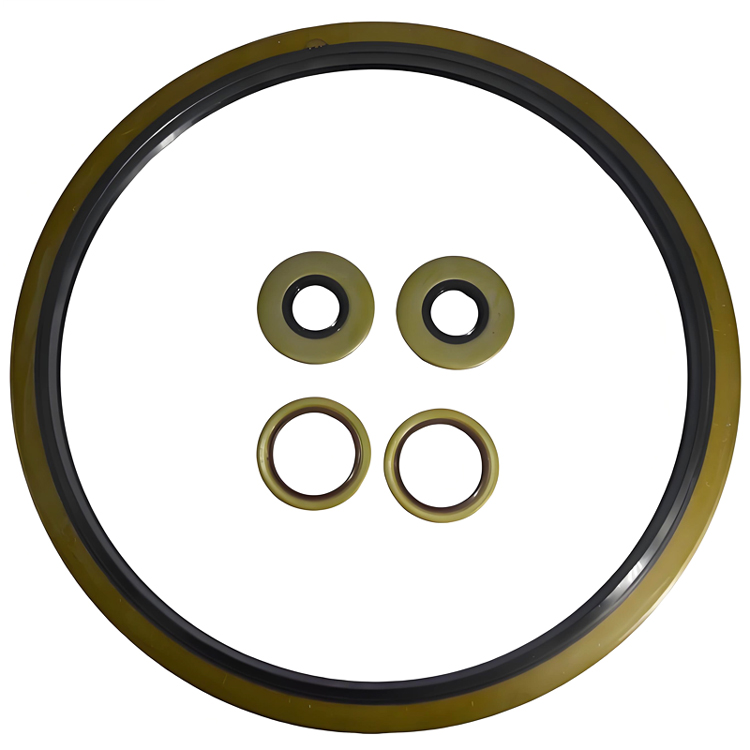
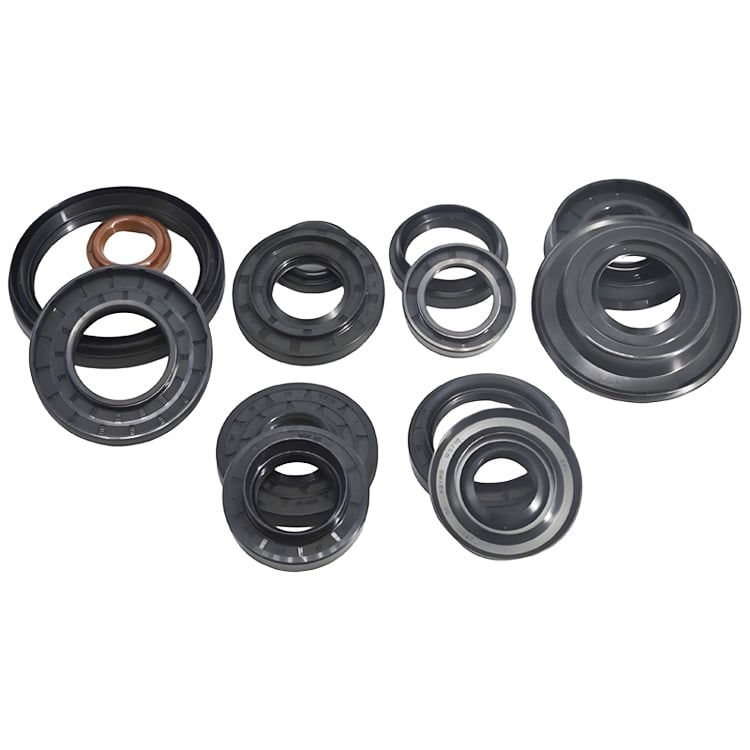
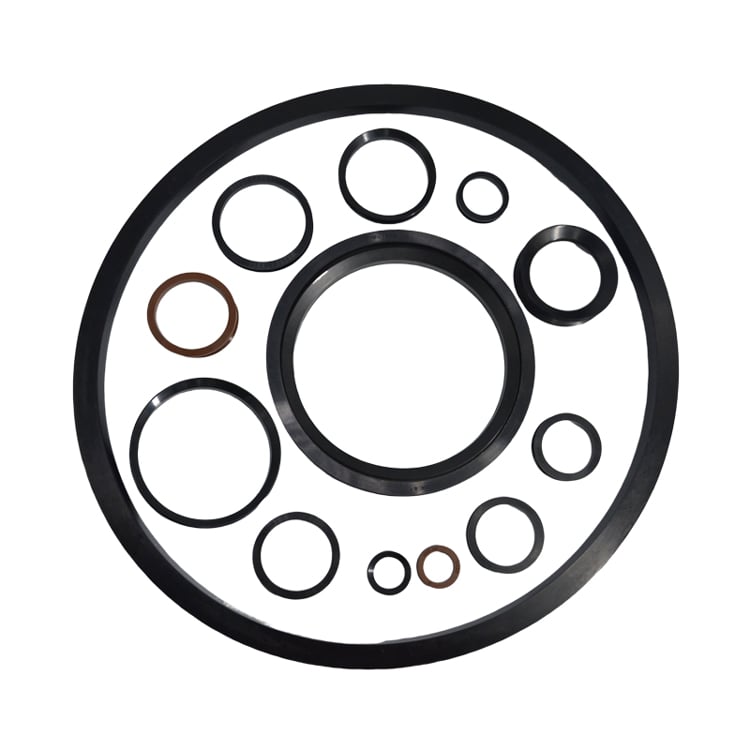
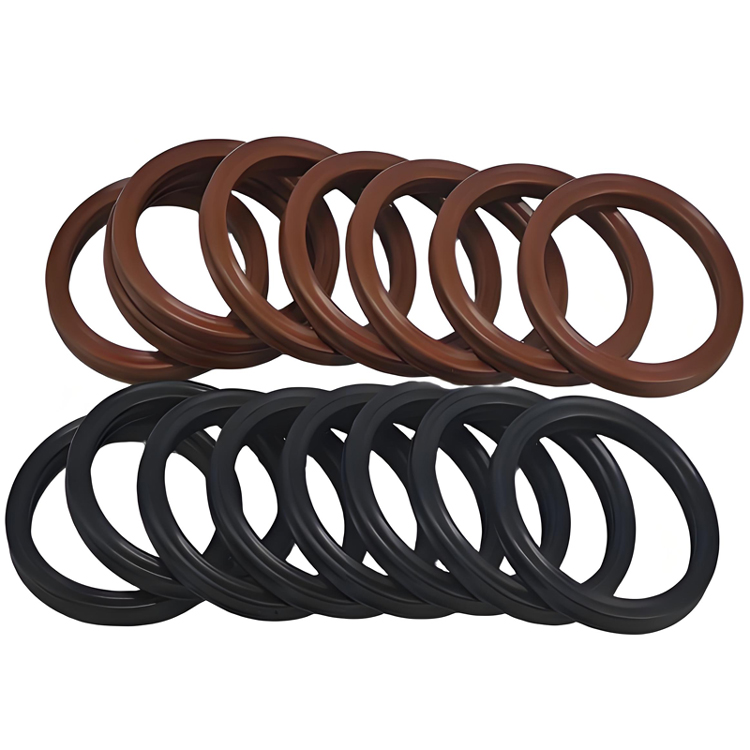
radial oil seal
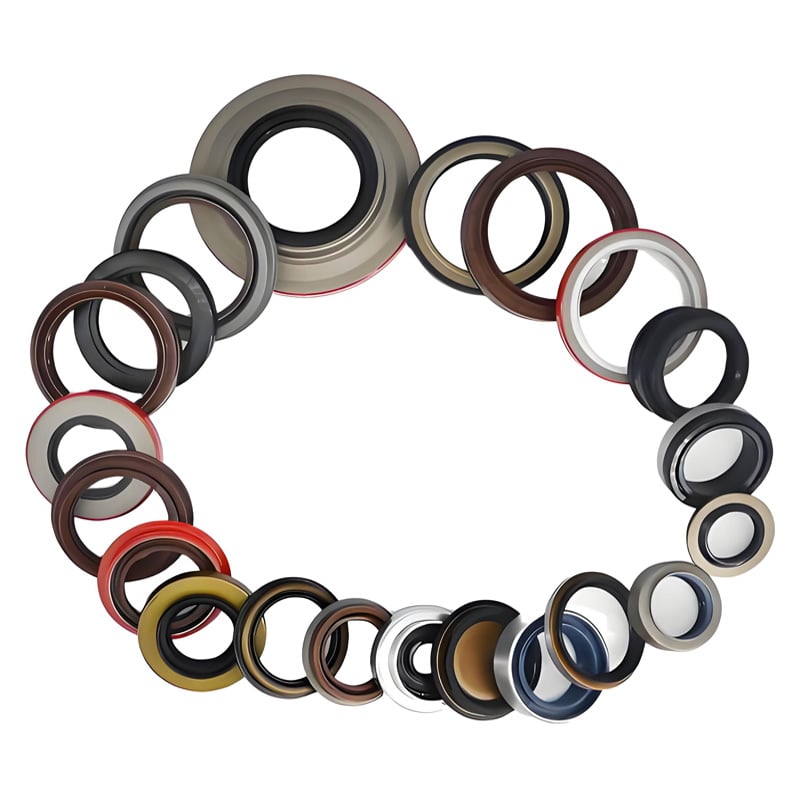
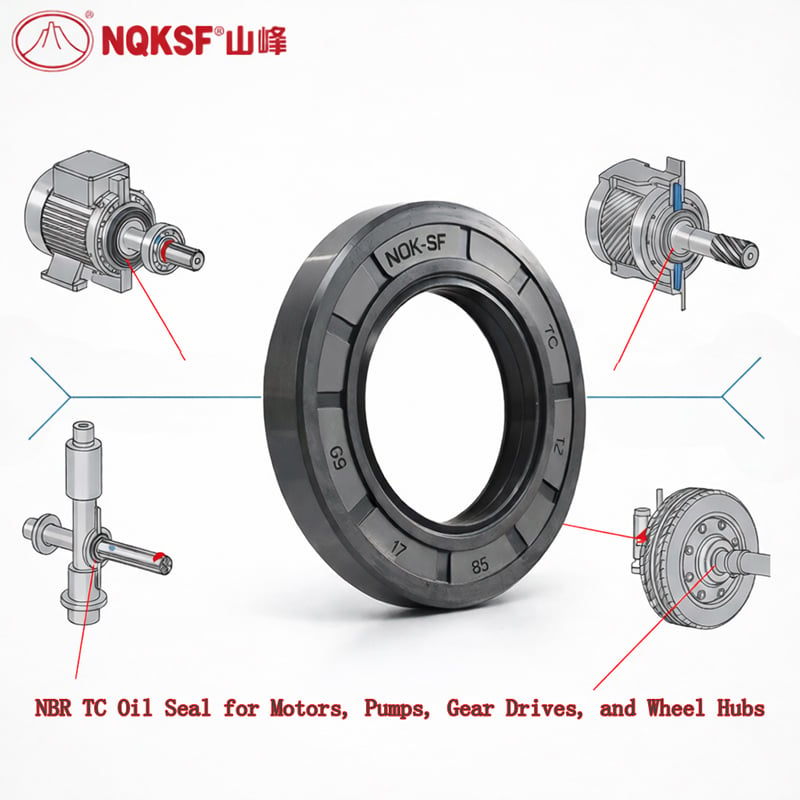
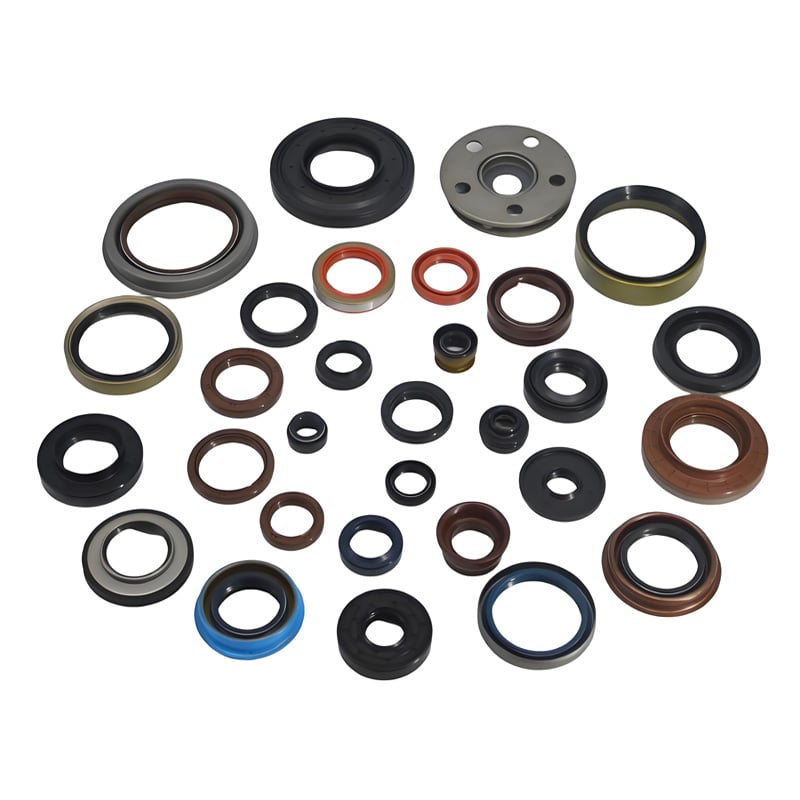
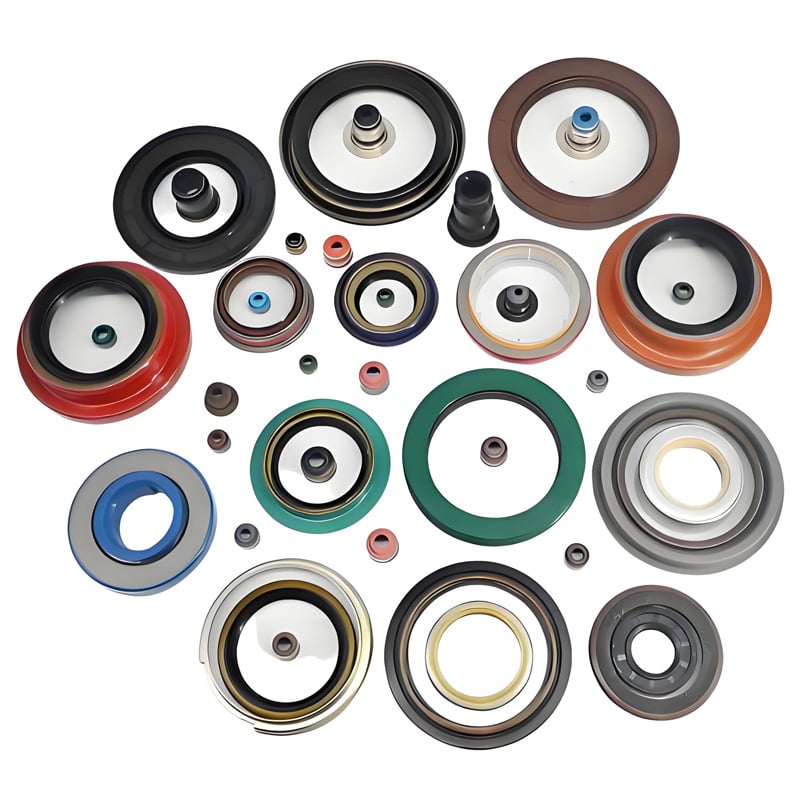
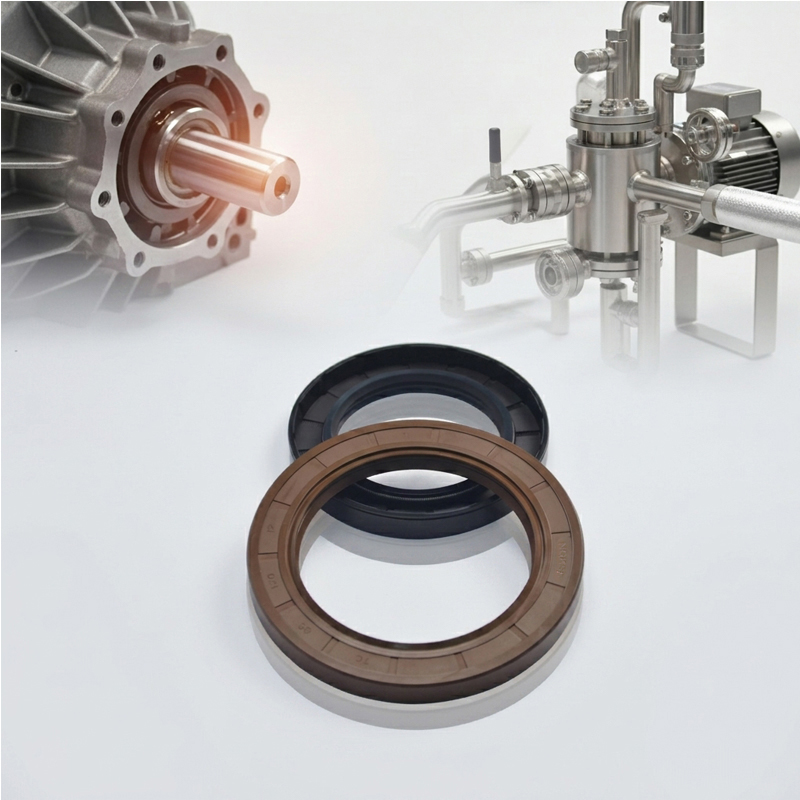
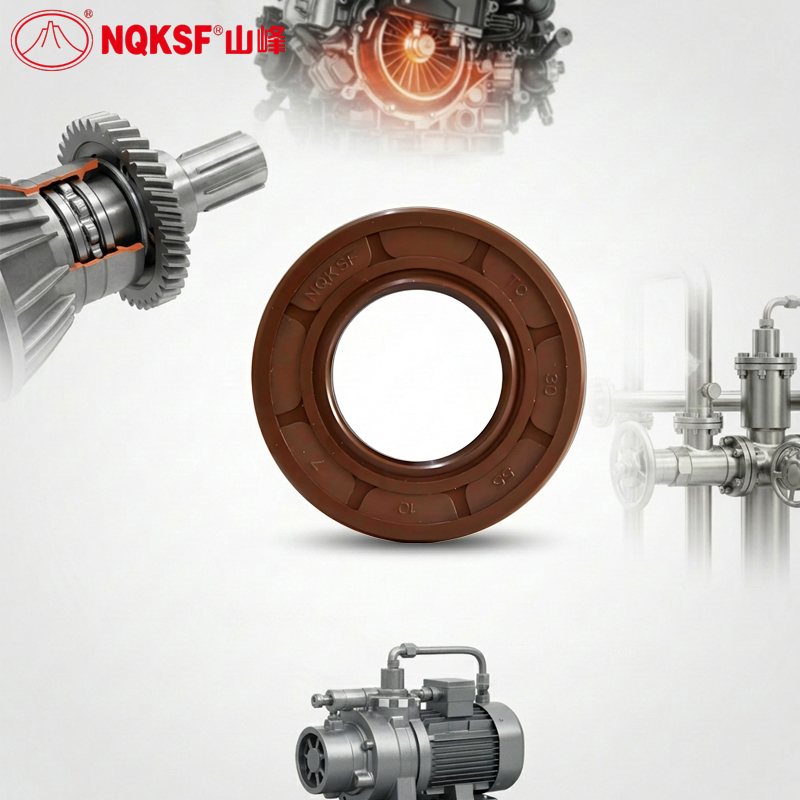
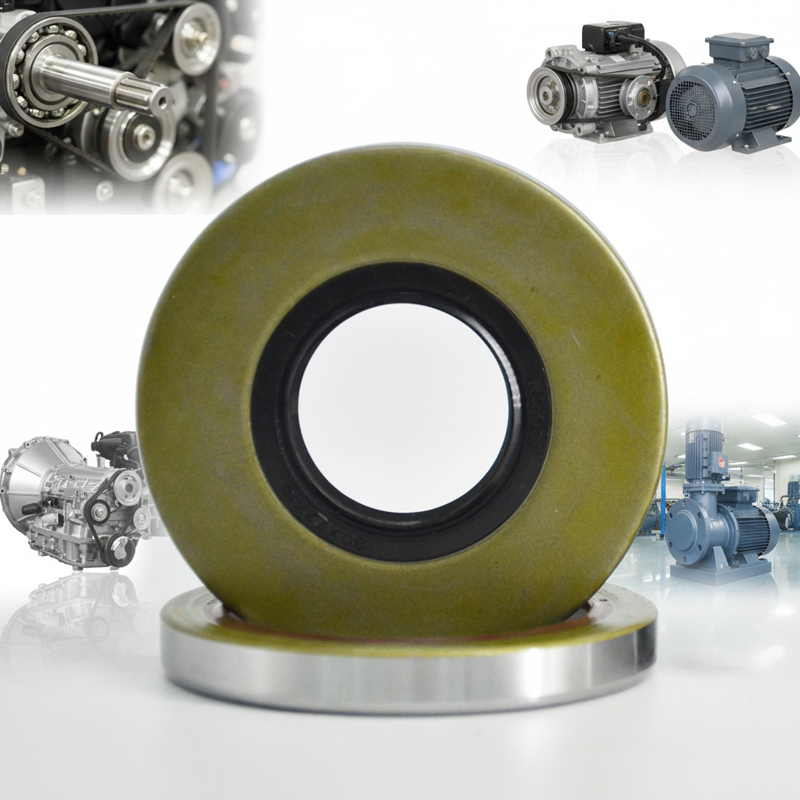
A radial oil seal is a critical component designed to prevent fluid leakage in rotating machinery and hydraulic systems. This essential mechanical seal works by maintaining a barrier between two spaces, effectively stopping oil or other fluids from escaping past a rotating shaft. The radial oil seal consists of an elastomeric element, typically made from materials like nitrile rubber or fluorocarbon, combined with a metal spring and garter that maintains constant pressure against the shaft. The radial oil seal operates through contact between its inner lip and the rotating shaft surface, creating a thin film that prevents leakage while allowing controlled shaft rotation. Technological features of a quality radial oil seal include precision engineering, advanced material composition, and optimized lip geometry for enhanced performance. These seals function across various temperatures and pressure conditions, making them indispensable in automotive, industrial, and marine applications. The radial oil seal's design allows it to handle both static and dynamic sealing challenges, ensuring long-term reliability in demanding environments. Modern radial oil seal technology incorporates improved materials that resist wear, extend service life, and maintain effectiveness under extreme conditions. Whether protecting engines, gearboxes, pumps, or compressors, the radial oil seal represents a fundamental solution for fluid containment in mechanical systems.

 EN
EN