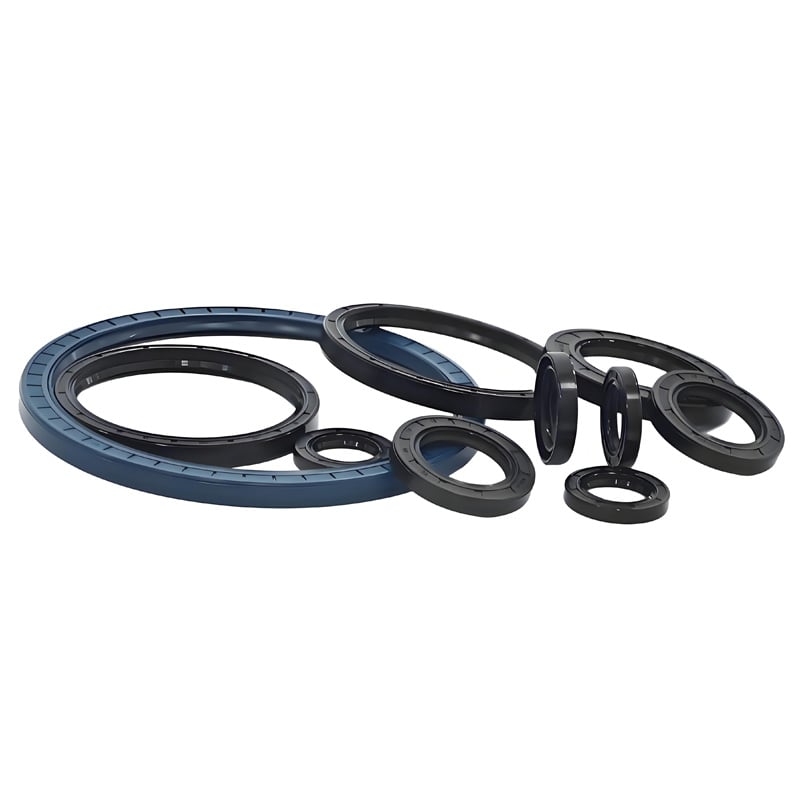
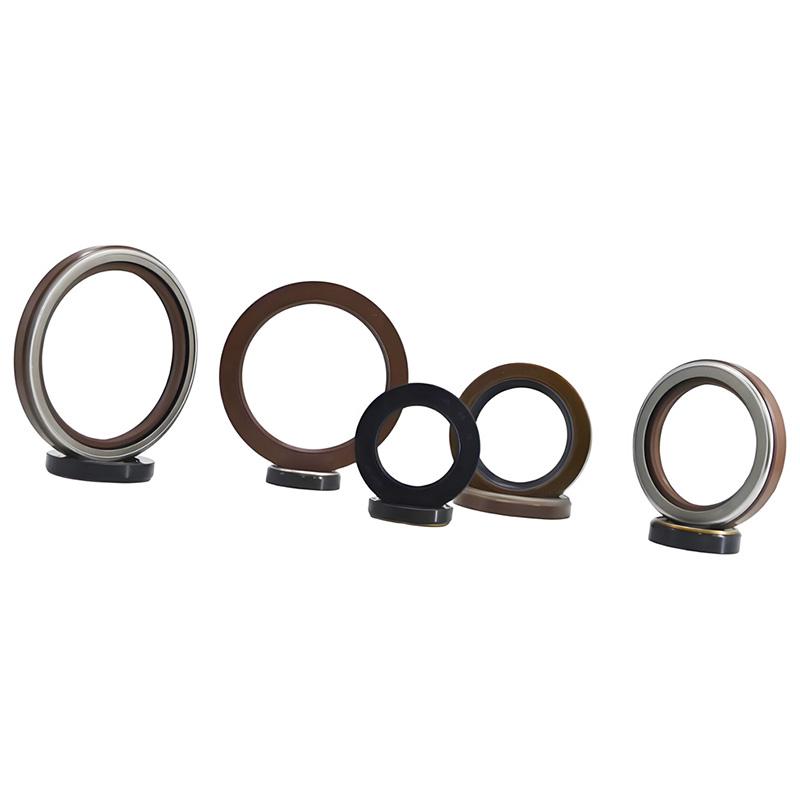
high pressure seals
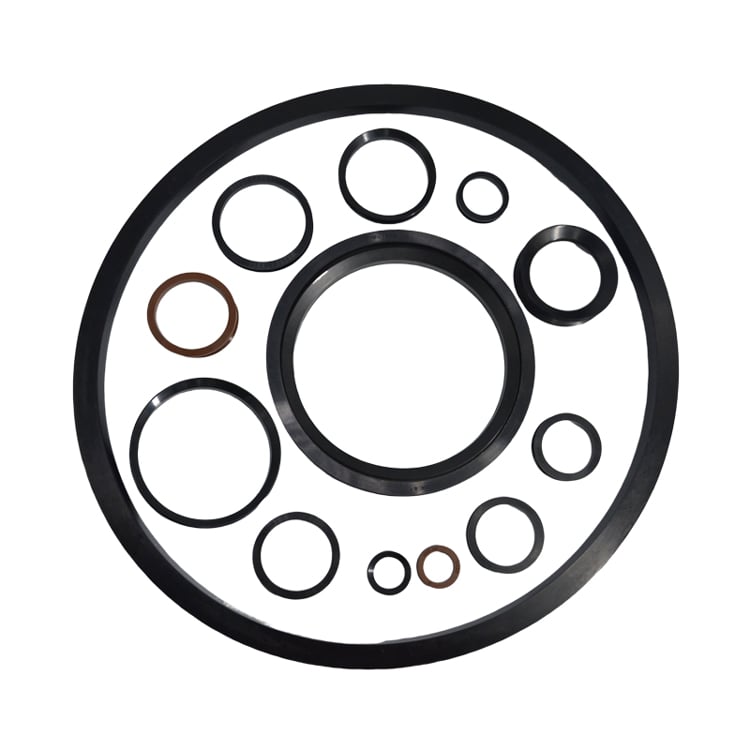
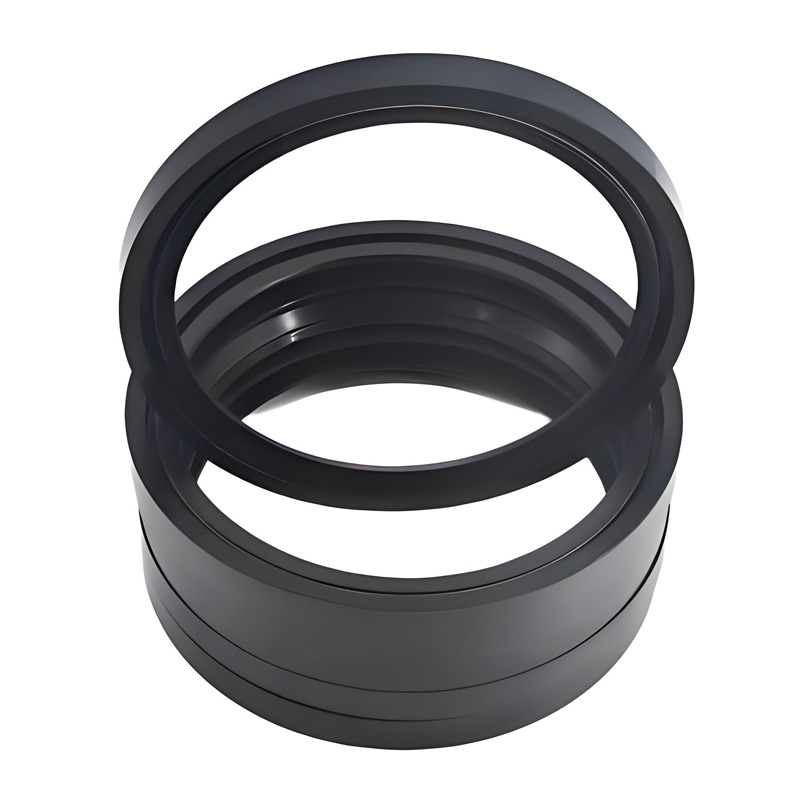
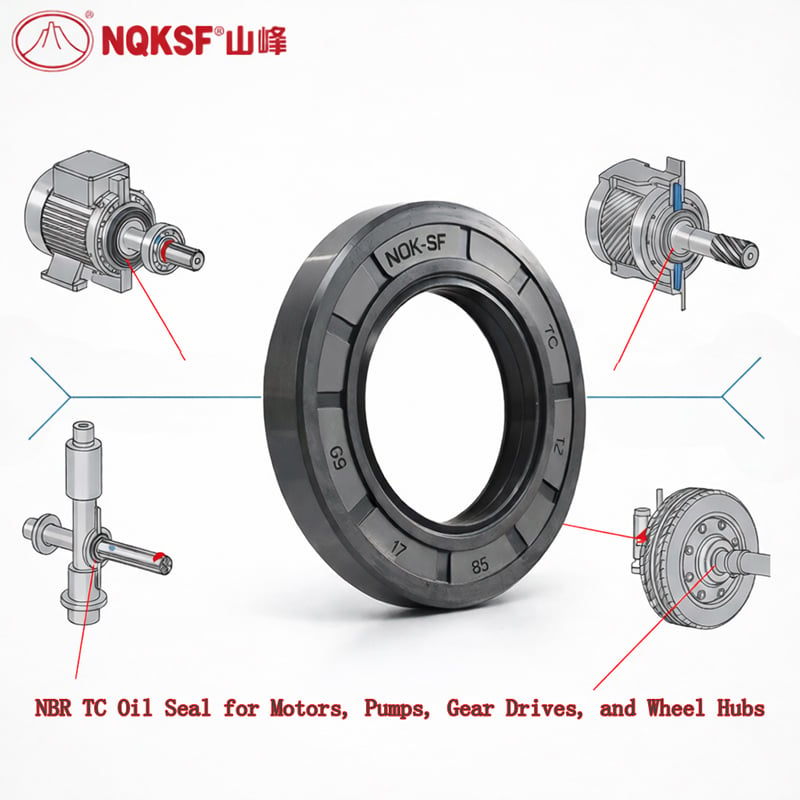
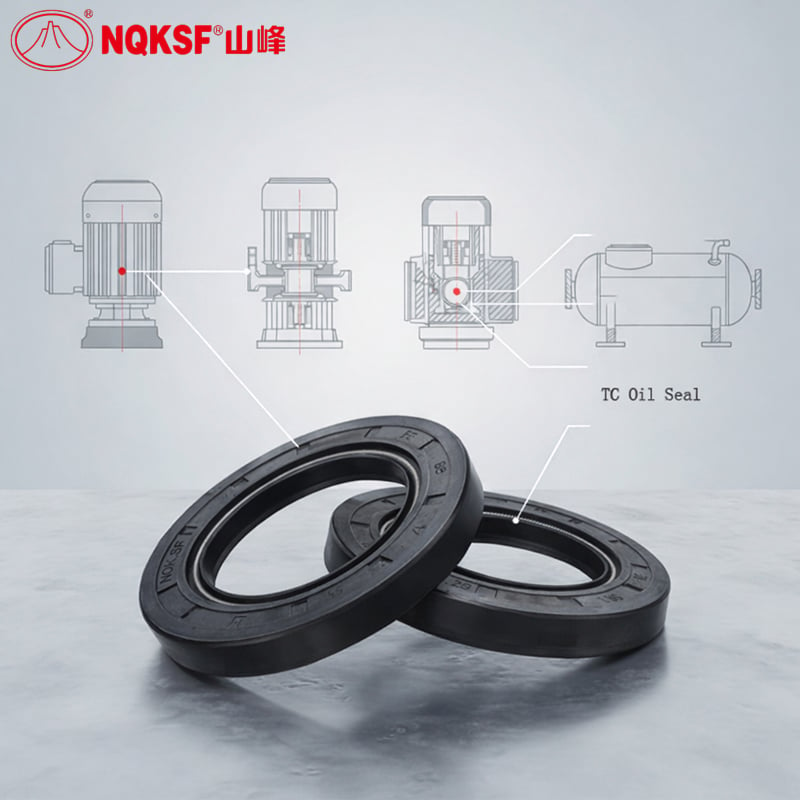
High pressure seals are specialized components designed to contain and control fluids or gases under extreme pressure conditions. These precision-engineered devices form a protective barrier that prevents leakage in demanding industrial environments where standard sealing solutions fail. High pressure seals operate by creating a tight interface between moving or stationary parts, effectively blocking the passage of pressurized media while maintaining system integrity.
The primary function of high pressure seals involves preventing fluid escape in hydraulic systems, pneumatic applications, and high-pressure equipment. These seals withstand tremendous force and stress, protecting both equipment and personnel from potentially hazardous leaks. High pressure seals are engineered with advanced materials including synthetic elastomers, polyurethane, and specialized compounds that resist degradation under intense conditions.
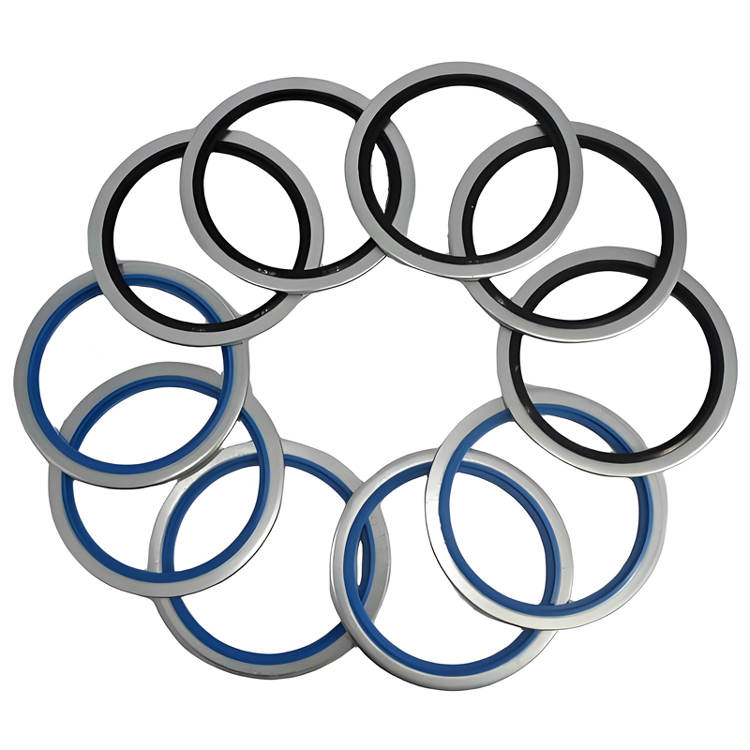
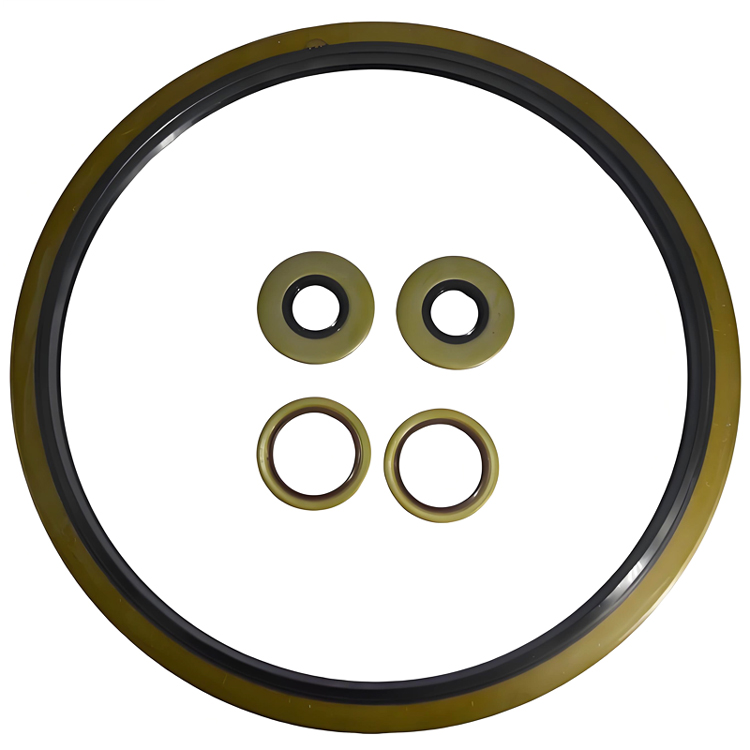
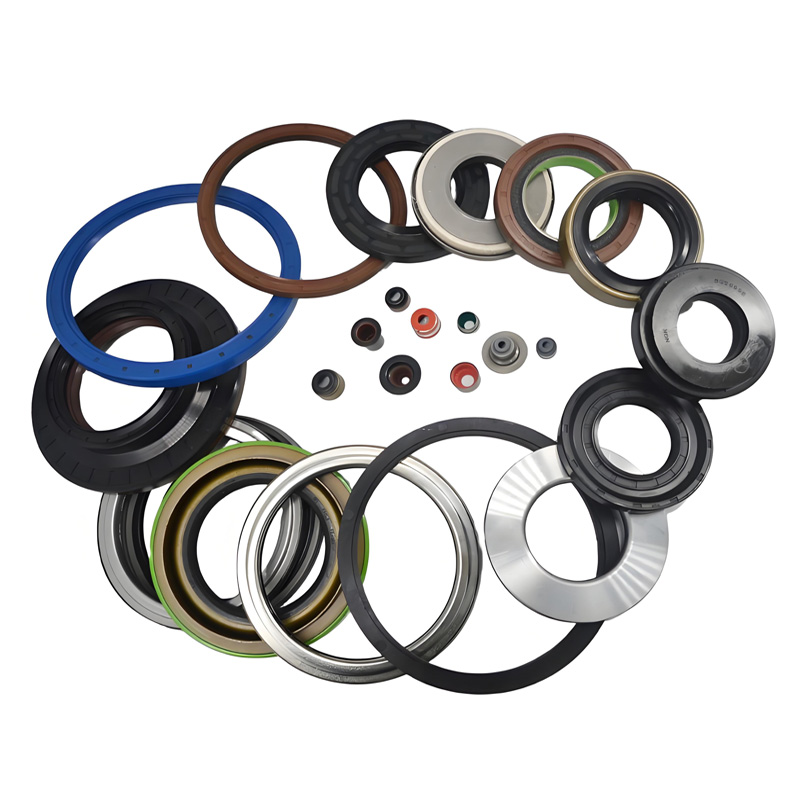
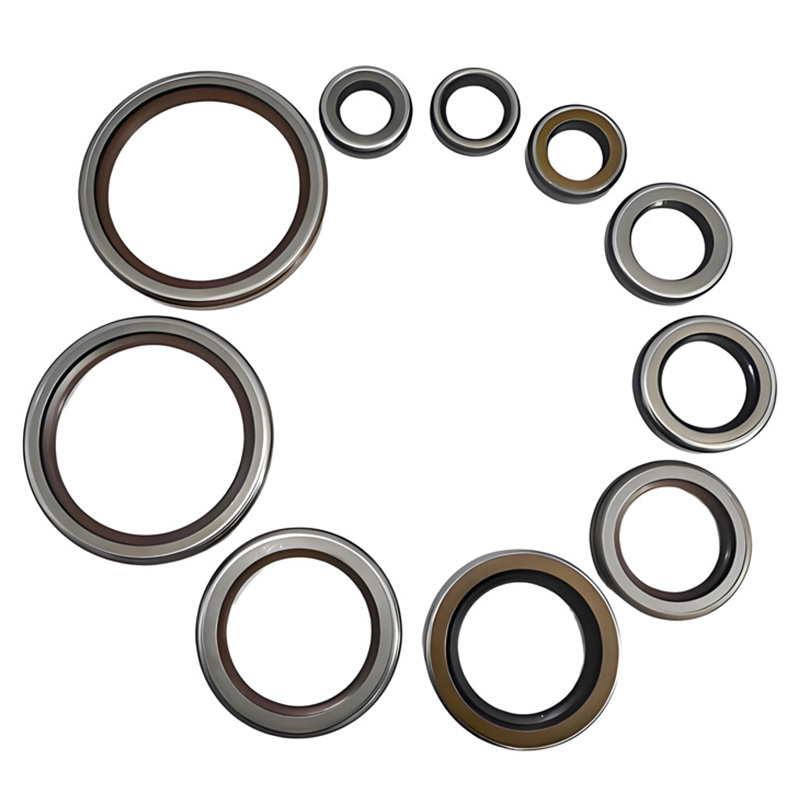
Technologically, high pressure seals feature precision-molded geometries that maximize sealing efficiency while minimizing friction. Many designs incorporate dual-seal configurations or energized mechanisms that improve performance at higher pressure ratings. The construction includes hardened metal components paired with resilient elastomeric materials, creating hybrid structures that balance durability with flexibility.
Applications for high pressure seals span numerous industries. Manufacturing facilities rely on them in hydraulic equipment, compressors, and injection molding machinery. The aerospace sector demands high pressure seals in aircraft hydraulic systems and fuel delivery mechanisms. Oil and gas operations utilize these components in downhole equipment and extraction machinery. Medical devices, automotive systems, and industrial automation also depend heavily on high pressure seals for safe, reliable operation under extreme conditions.

 EN
EN