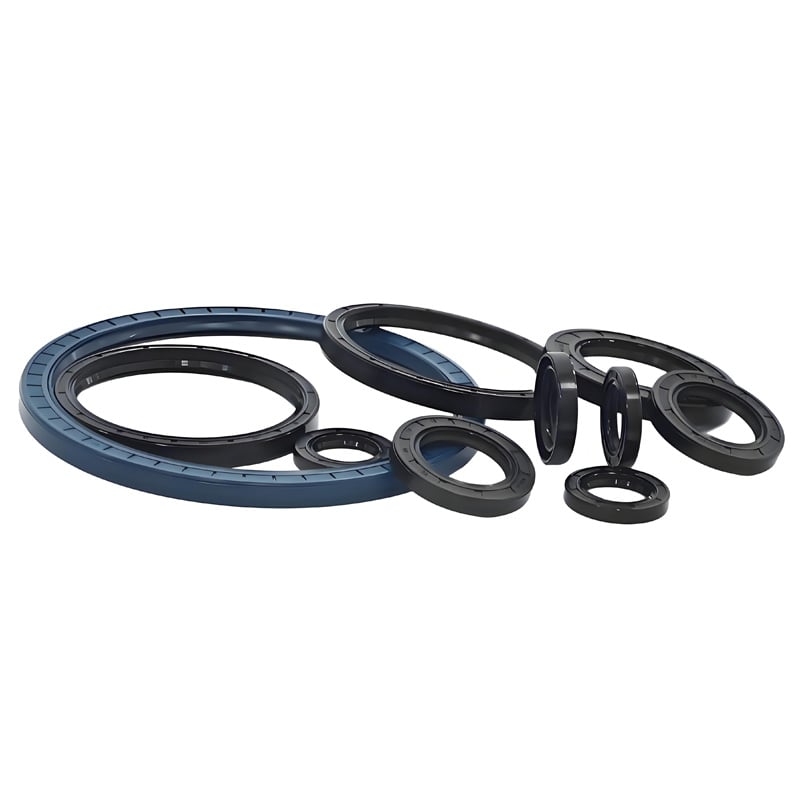
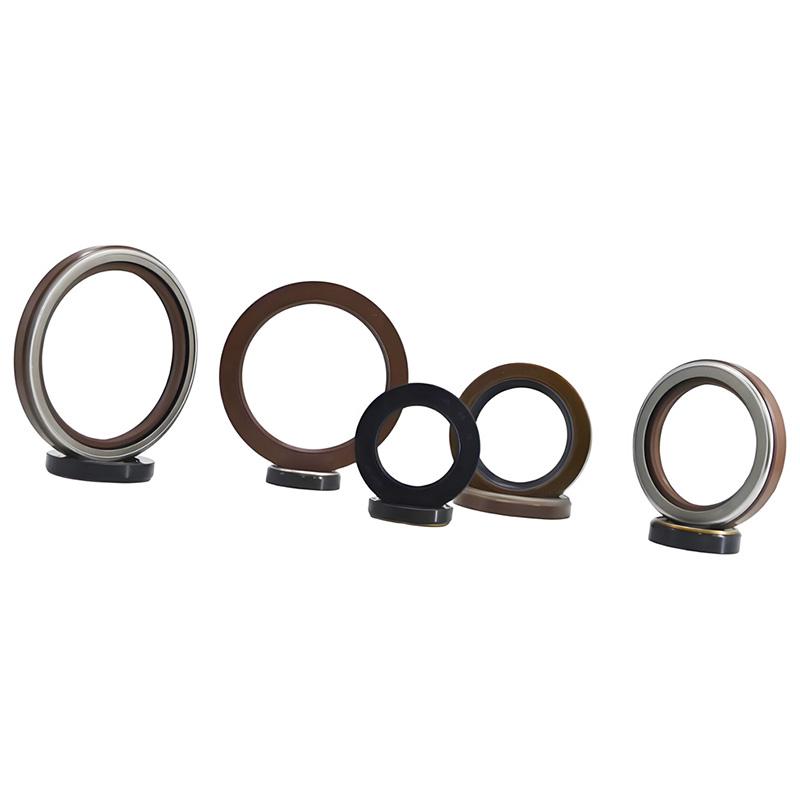
High Pressure Seals - Advanced Sealing Solutions for Extreme Pressure Applications

All Categories

high pressure seals

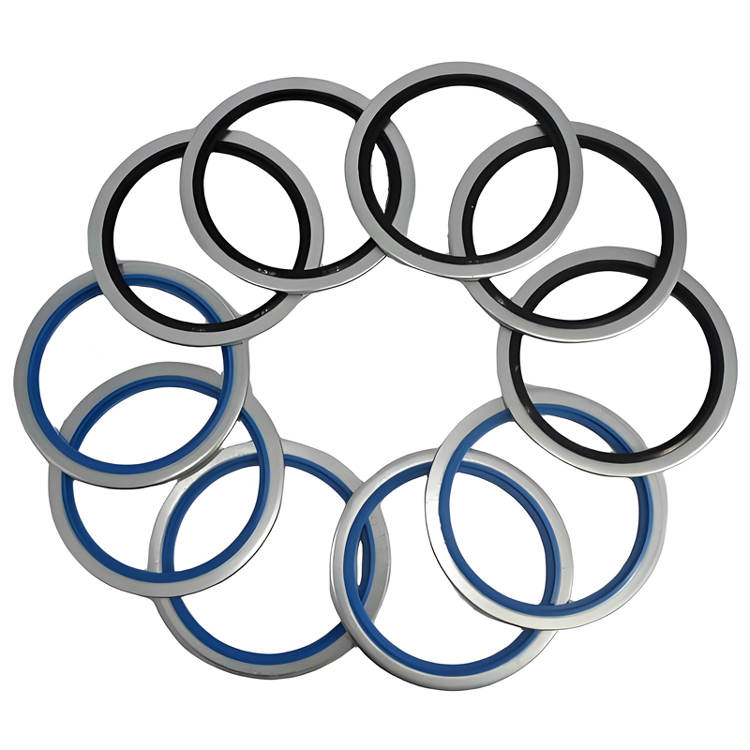
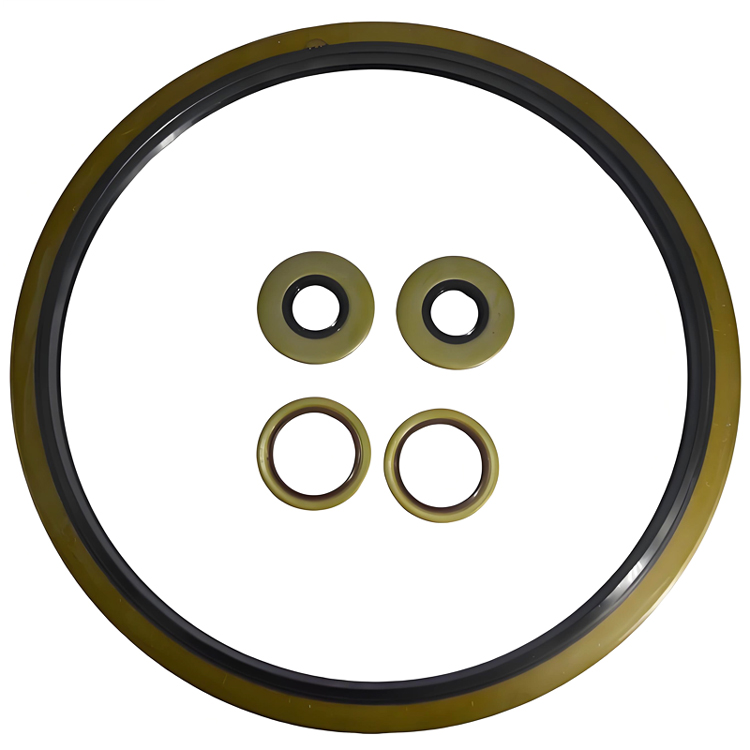
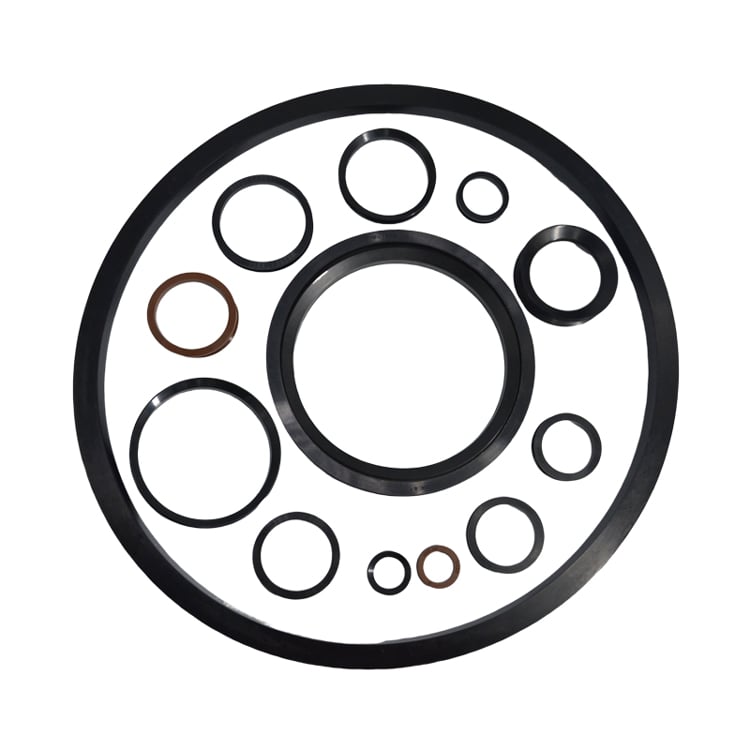
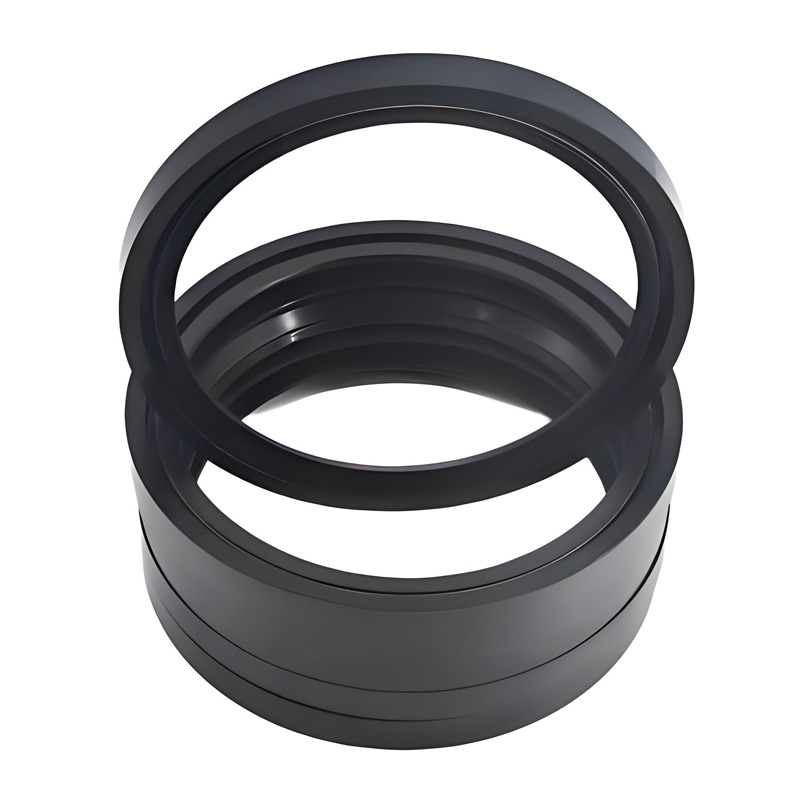
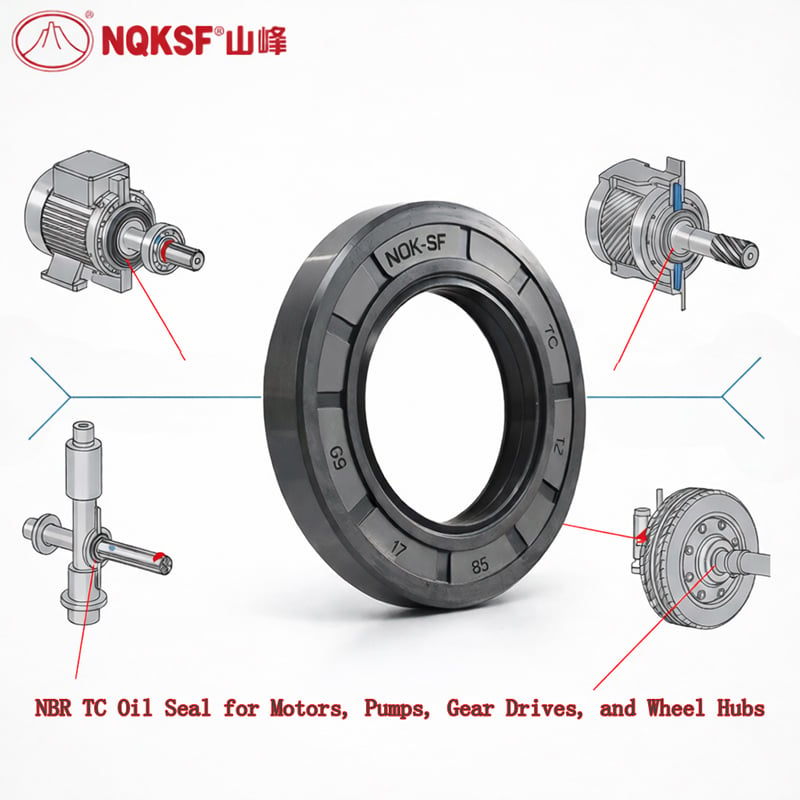
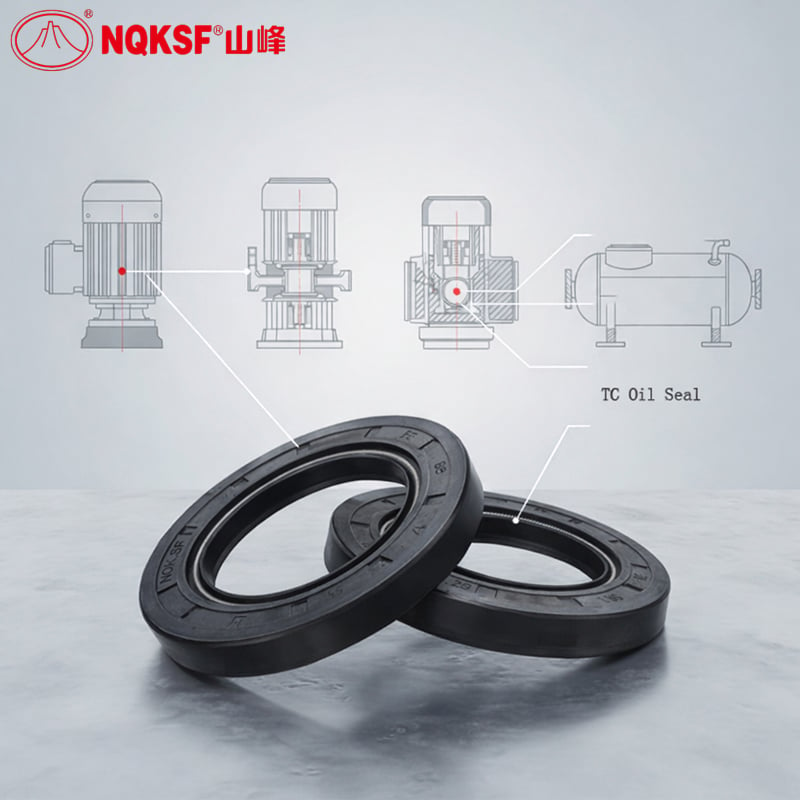
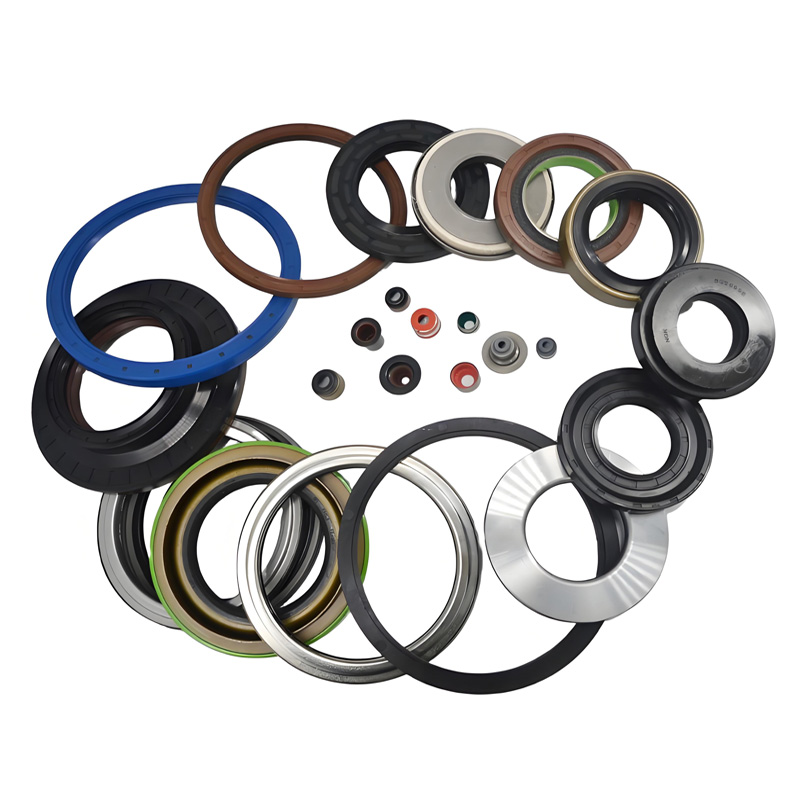
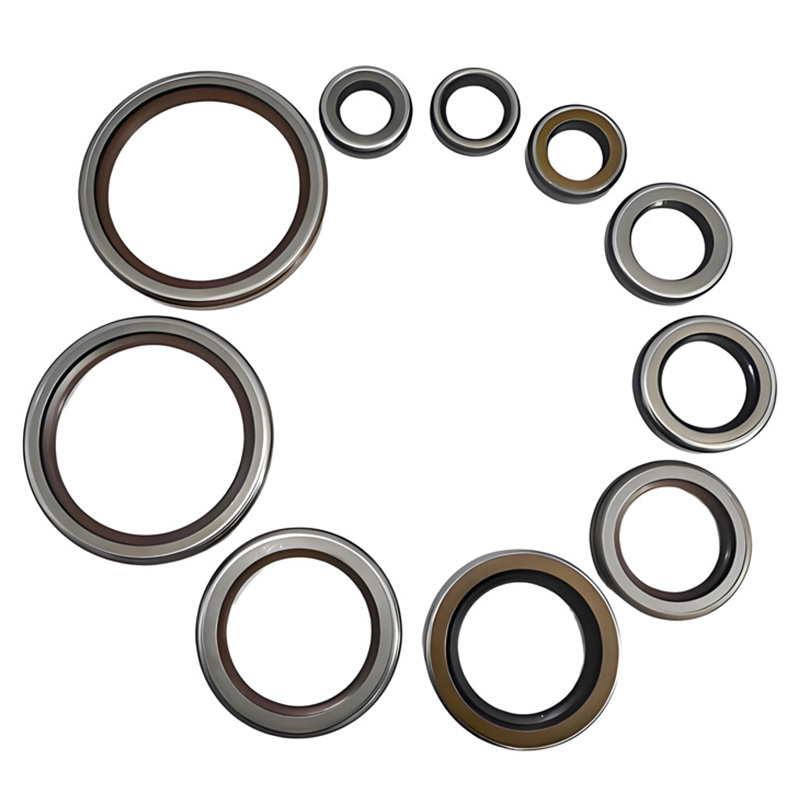
High pressure seals represent critical components engineered to prevent fluid leakage in demanding industrial applications where extreme pressure conditions exist. These specialized sealing solutions operate effectively under pressures ranging from hundreds to thousands of PSI, maintaining system integrity where conventional seals would fail catastrophically. The primary function of high pressure seals involves creating reliable barriers between different pressure zones within hydraulic systems, pneumatic equipment, and various industrial machinery. Modern high pressure seals incorporate advanced materials such as polyurethane, nitrile rubber, fluorocarbon elastomers, and specialized thermoplastics that withstand extreme pressures while maintaining flexibility and durability. The technological features of these seals include precision-engineered profiles, optimized groove designs, and enhanced material formulations that provide superior resistance to extrusion, compression set, and chemical degradation. Manufacturing processes employ computer-controlled molding techniques and stringent quality control measures to ensure consistent performance across demanding applications. High pressure seals find extensive use in hydraulic cylinders, pumps, valves, and actuators within construction equipment, aerospace systems, oil and gas operations, and manufacturing machinery. These seals also serve critical roles in automotive transmissions, marine equipment, and renewable energy systems where pressure fluctuations and extreme operating conditions challenge conventional sealing technologies. The design considerations for high pressure seals encompass factors such as pressure ratings, temperature ranges, chemical compatibility, and dynamic versus static applications, ensuring optimal performance in specific operational environments.

New Products

High pressure seals deliver exceptional performance benefits that directly translate into operational efficiency and cost savings for businesses across multiple industries. These seals provide superior leak prevention capabilities, eliminating costly fluid losses that can result in environmental contamination, equipment damage, and regulatory compliance issues. The robust construction of high pressure seals ensures extended service life, reducing maintenance frequencies and minimizing downtime associated with seal replacements. This durability translates into significant cost savings through reduced labor expenses, fewer replacement parts purchases, and improved overall equipment reliability. Enhanced safety represents another crucial advantage, as high pressure seals prevent dangerous fluid leaks that could create hazardous working conditions or equipment failures. The precision engineering of these seals enables consistent performance under varying pressure conditions, ensuring predictable system operation and reducing the risk of unexpected failures. High pressure seals also contribute to energy efficiency by maintaining proper system pressures and preventing power losses associated with internal leakage. This efficiency improvement reduces energy consumption and operating costs while supporting environmental sustainability initiatives. The chemical resistance properties of modern high pressure seals allow systems to handle aggressive fluids without seal degradation, expanding application possibilities and reducing material compatibility concerns. Temperature stability ensures reliable performance across wide thermal ranges, making these seals suitable for diverse operating environments from arctic conditions to high-temperature industrial processes. The versatility of high pressure seals allows single seal designs to replace multiple conventional seals, simplifying inventory management and reducing procurement complexity. Quality manufacturing processes ensure consistent dimensional accuracy and performance characteristics, providing predictable results and reducing variability in system performance. These seals also offer improved contamination resistance, protecting internal system components from debris and extending overall equipment life while reducing maintenance requirements and associated costs.

Tips And Tricks

Which Rubber Oil Seal Materials Fit Heavy-Duty Machinery?

06

Jan

Which Rubber Oil Seal Materials Fit Heavy-Duty Machinery?

Heavy-duty machinery operates under extreme conditions that demand reliable sealing solutions to prevent fluid leakage and contamination. The selection of appropriate rubber oil seal materials plays a critical role in maintaining equipment performanc...
View More
Recommended Oil Seal Brands?

06

Jan

Recommended Oil Seal Brands?

Understanding the Role of Oil Seal Quality in Industrial Systems Oil Seal is a critical component in modern mechanical and industrial systems. Whether used in automotive drivetrains, industrial gearboxes, hydraulic equipment, or heavy-duty machinery,...
View More
Complete Guide to Oil Seal Models?

06

Jan

Complete Guide to Oil Seal Models?

Structure and Classification of Modern Oil Seal Systems In industrial equipment, automotive assemblies, and precision machinery, the oil seal plays a foundational role in ensuring stable operation. While it is often treated as a standard component, t...
View More
How to Choose the Right O Ring for Industrial Equipment?

22

Apr

How to Choose the Right O Ring for Industrial Equipment?

Selecting the appropriate o ring for industrial equipment requires careful consideration of multiple technical factors that directly impact system performance and operational reliability. The wrong o ring choice can lead to catastrophic seal failure,...
View More

Get a Free Quote

Our representative will contact you soon.
Email
Telephone
Name
Company Name
Message
0/1000

high pressure seals

Advanced Material Technology for Extreme Pressure Resistance

Advanced Material Technology for Extreme Pressure Resistance

High pressure seals utilize cutting-edge material formulations specifically engineered to withstand extreme pressure conditions that would destroy conventional sealing solutions. These advanced materials incorporate molecular-level modifications that enhance structural integrity while maintaining the flexibility necessary for effective sealing performance. Polyurethane compounds used in high pressure seals feature cross-linked polymer chains that provide exceptional tear resistance and dimensional stability under pressure. Fluorocarbon elastomers offer superior chemical resistance combined with high-temperature stability, making them ideal for aggressive fluid environments. The material selection process considers factors such as pressure deformation characteristics, elastic recovery properties, and long-term aging resistance to ensure consistent performance throughout the seal's operational life. Specialized additives enhance wear resistance, reduce friction coefficients, and improve compatibility with various fluid types. The manufacturing process employs precise temperature and pressure control during curing to optimize material properties and eliminate internal stresses that could lead to premature failure. Quality control measures include rigorous testing for tensile strength, elongation properties, and compression set resistance to verify material performance meets specification requirements. These advanced materials enable high pressure seals to maintain their sealing effectiveness even when subjected to rapid pressure cycling, thermal fluctuations, and mechanical stress. The result is superior reliability that reduces system downtime and maintenance costs while ensuring consistent operational performance across demanding applications.
Precision Engineering for Optimal Sealing Performance

Precision Engineering for Optimal Sealing Performance

The engineering excellence behind high pressure seals involves sophisticated design methodologies that optimize every aspect of seal geometry and performance characteristics. Computer-aided design tools enable engineers to model stress distribution patterns, predict deformation behavior, and optimize seal profiles for specific pressure ranges and applications. Finite element analysis helps identify potential failure modes and guides design modifications that enhance durability and performance reliability. The groove design optimization process considers factors such as seal installation requirements, pressure distribution, and thermal expansion to ensure proper fit and function. Advanced manufacturing techniques utilize precision molding equipment with tight tolerance controls to produce seals with consistent dimensional accuracy and surface finish quality. The seal profile design incorporates features such as pressure-activated lip geometries that enhance sealing effectiveness as system pressure increases. Engineering considerations include static versus dynamic applications, with specialized designs optimized for each operating mode. Surface treatments and coatings may be applied to reduce friction, improve wear resistance, or enhance chemical compatibility. The integration of backup rings and anti-extrusion devices extends the operational pressure limits while preventing seal damage under extreme conditions. Quality assurance protocols include dimensional verification, surface finish measurement, and performance testing under simulated operating conditions. This precision engineering approach ensures high pressure seals deliver predictable performance characteristics and extended service life, providing customers with reliable sealing solutions that meet or exceed application requirements while reducing total cost of ownership.
Comprehensive Application Versatility and System Integration

Comprehensive Application Versatility and System Integration

High pressure seals demonstrate exceptional versatility across diverse industrial applications, providing reliable sealing solutions for hydraulic systems, pneumatic equipment, and specialized machinery operating under extreme pressure conditions. The broad compatibility range of these seals encompasses various fluid types including hydraulic oils, synthetic lubricants, water-based fluids, and specialty chemicals used in industrial processes. Temperature capability spans from sub-zero arctic conditions to elevated temperatures exceeding 200 degrees Celsius, making high pressure seals suitable for applications ranging from offshore drilling equipment to high-temperature manufacturing processes. The modular design approach allows engineers to select appropriate seal configurations for specific system requirements, whether static applications requiring long-term stability or dynamic applications demanding low friction and wear resistance. Installation flexibility accommodates both new equipment design and retrofit applications, with seal dimensions available to fit standard groove specifications or custom configurations. The compatibility with various housing materials including steel, aluminum, stainless steel, and specialized alloys ensures seamless integration across different system designs. Performance testing under real-world conditions validates seal effectiveness in specific applications, providing confidence in operational reliability. The ability to customize material formulations and seal geometries enables optimization for unique application requirements such as food-grade compatibility, pharmaceutical standards, or aerospace specifications. System integration benefits include simplified inventory management through standardized seal families, reduced complexity in seal selection, and improved interchangeability across equipment platforms. Technical support services provide application engineering assistance, helping customers select optimal seal solutions and troubleshoot performance issues, ensuring successful implementation and long-term satisfaction with high pressure seals performance.

Get a Free Quote

Our representative will contact you soon.
Email
Telephone
Name
Company Name
Message
0/1000