High Pressure Rotary Seals - Advanced Sealing Solutions for Industrial Applications

All Categories

high pressure rotary seals

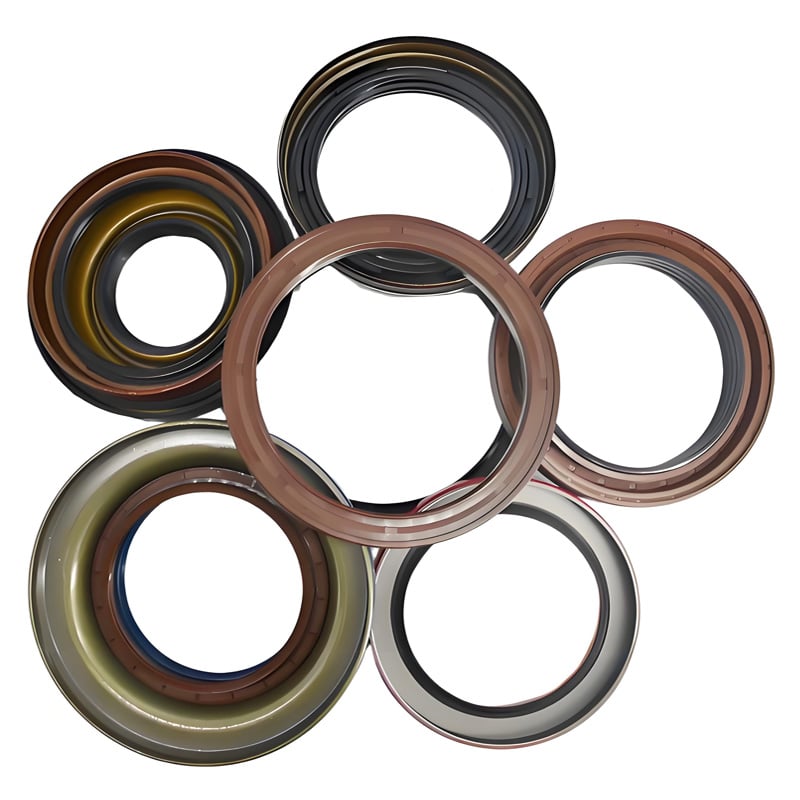
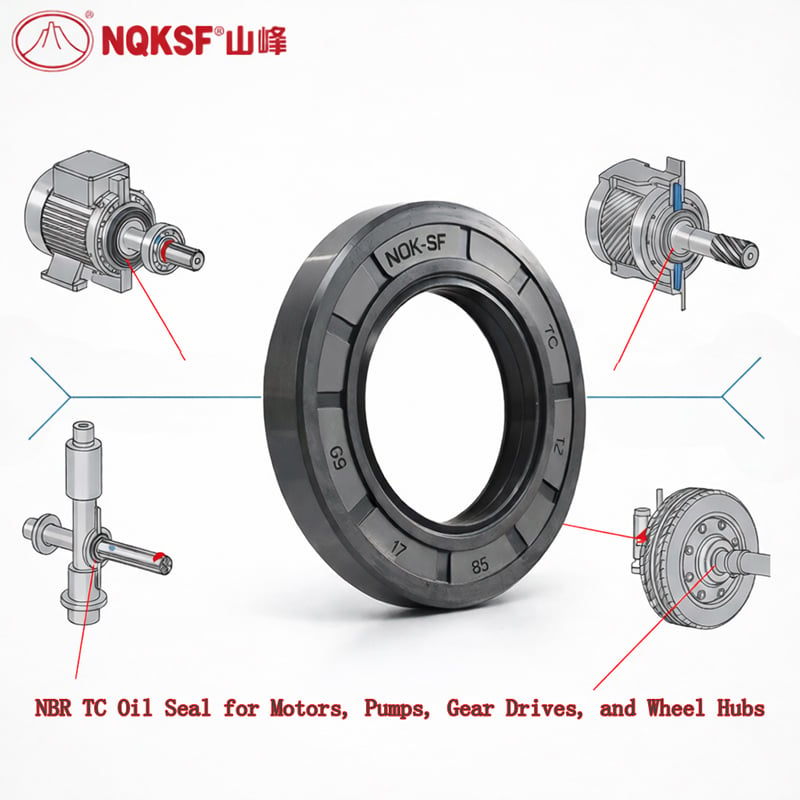
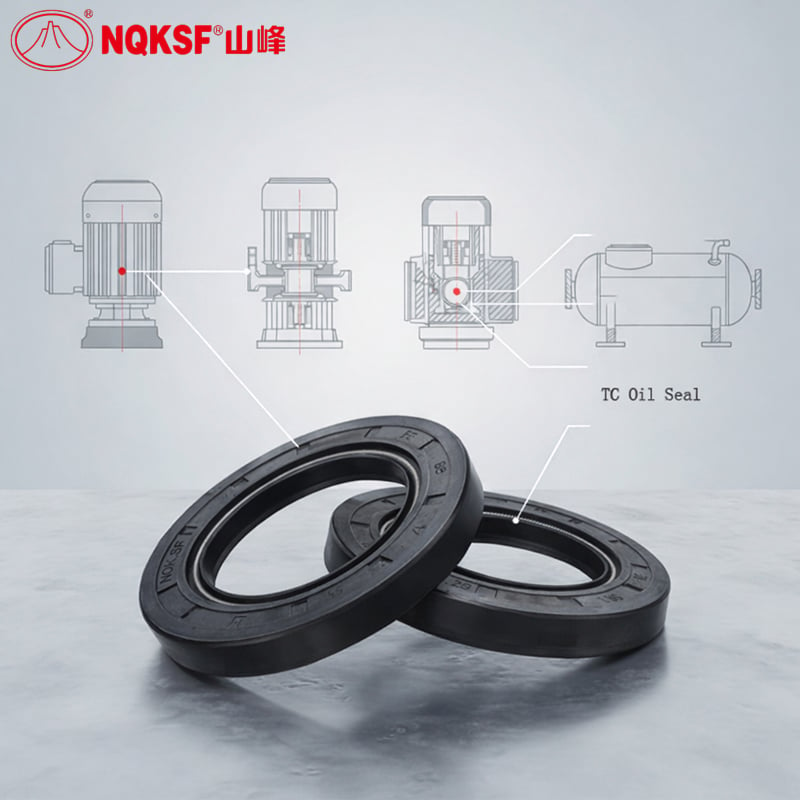
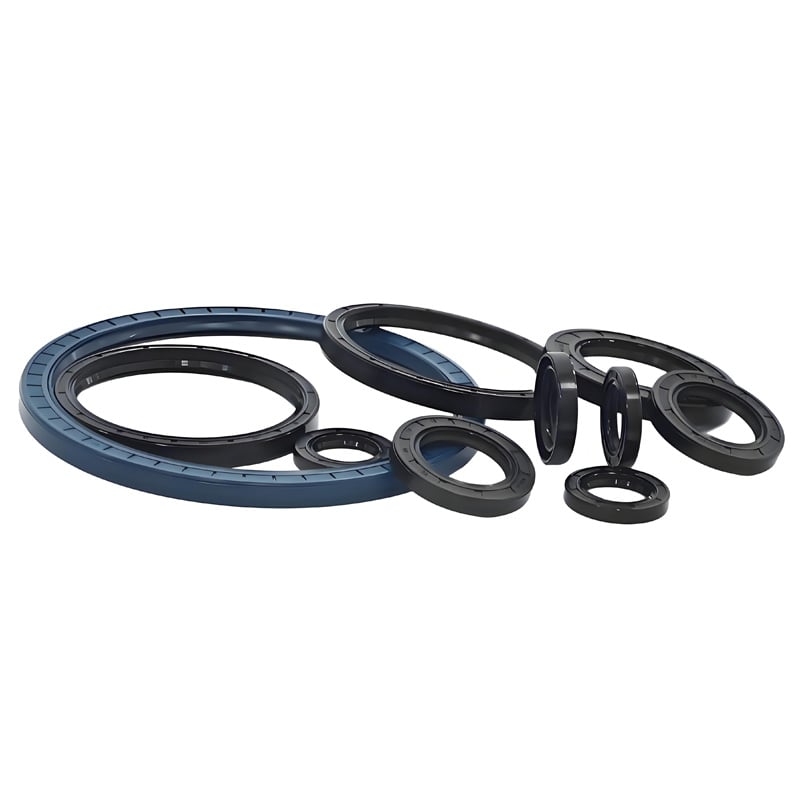
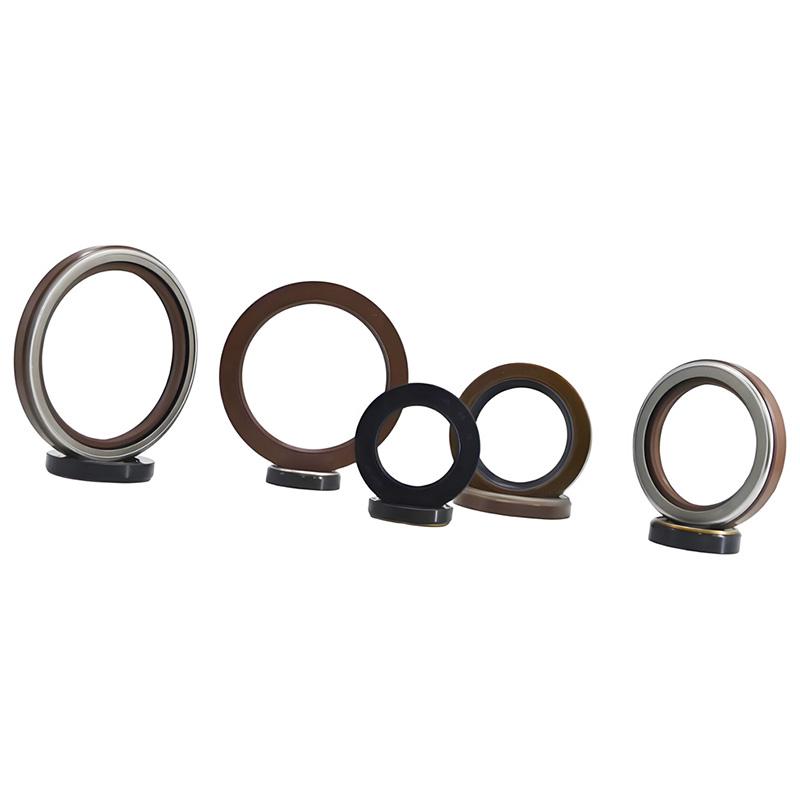
High pressure rotary seals represent a critical component in modern industrial machinery, designed to prevent fluid leakage while allowing rotational movement under extreme pressure conditions. These sophisticated sealing solutions operate effectively in environments where pressures can reach several thousand PSI, making them indispensable for heavy-duty applications. The primary function of high pressure rotary seals involves maintaining barrier integrity between rotating and stationary components while withstanding substantial mechanical stress and pressure differentials. These seals incorporate advanced materials such as specialized elastomers, PTFE compounds, and reinforced composites that demonstrate exceptional resistance to deformation under pressure. The technological features of high pressure rotary seals include precision-engineered lip designs that maintain optimal contact pressure against rotating shafts, while sophisticated groove geometries ensure proper seal positioning and stability. Many modern designs feature spring-loaded configurations that automatically compensate for wear and thermal expansion, extending operational lifespan significantly. Temperature resistance capabilities allow these seals to function reliably across wide thermal ranges, typically from -40°C to 200°C, depending on material selection. The applications for high pressure rotary seals span numerous industries including hydraulic systems, automotive transmissions, construction equipment, marine propulsion systems, and industrial processing machinery. In hydraulic applications, these seals prevent costly fluid loss while maintaining system pressure integrity, ensuring optimal equipment performance and reducing maintenance requirements. Construction equipment relies on high pressure rotary seals for excavator arms, bulldozer tracks, and crane mechanisms where reliability directly impacts operational safety and productivity. Marine applications utilize these seals in propeller shafts and steering systems where saltwater exposure and varying pressure conditions demand superior corrosion resistance and durability. Manufacturing processes benefit from high pressure rotary seals in pumps, compressors, and mixing equipment where contamination prevention and pressure maintenance are essential for product quality and operational efficiency.

Popular Products

High pressure rotary seals deliver exceptional performance benefits that directly impact operational efficiency and cost-effectiveness for industrial applications. These seals prevent costly fluid leakage that would otherwise result in expensive hydraulic fluid replacement, environmental contamination, and reduced system performance. The superior sealing capability maintains consistent pressure levels within hydraulic systems, ensuring machinery operates at peak efficiency while minimizing energy consumption and reducing operational costs. Durability represents another significant advantage, as high pressure rotary seals withstand extreme operating conditions far longer than conventional sealing solutions. This extended lifespan reduces maintenance frequency, minimizes equipment downtime, and lowers total cost of ownership for industrial operations. The robust construction materials resist wear, chemical degradation, and temperature fluctuations, providing reliable performance even in harsh industrial environments. Installation simplicity offers practical benefits for maintenance teams, as high pressure rotary seals feature standardized dimensions and straightforward mounting procedures that reduce installation time and labor costs. The precision-engineered designs eliminate complex adjustment procedures, allowing technicians to replace seals quickly without specialized tools or extensive training. This ease of installation translates to reduced maintenance windows and improved equipment availability. Temperature stability ensures consistent performance across varying thermal conditions, preventing seal failure due to thermal expansion or contraction. This reliability eliminates unexpected breakdowns and maintains operational continuity in temperature-sensitive applications. Chemical compatibility with various hydraulic fluids, oils, and industrial chemicals expands application versatility while ensuring long-term material integrity. The seals resist swelling, hardening, and chemical breakdown that commonly affect inferior sealing materials. Pressure resistance capabilities enable these seals to maintain integrity under extreme pressure conditions that would compromise standard seals, ensuring safety and preventing catastrophic equipment failure. The ability to handle pressure spikes and fluctuations provides additional operational security in dynamic industrial environments. Cost-effectiveness emerges through reduced maintenance requirements, extended equipment life, and improved operational reliability, delivering substantial return on investment for industrial facilities seeking dependable sealing solutions.

Tips And Tricks

Why Do Automotive Systems Rely Heavily on Shaft Oil Seals?

27

Nov

Why Do Automotive Systems Rely Heavily on Shaft Oil Seals?

Modern automotive systems operate under extreme conditions, requiring precise engineering solutions to maintain optimal performance and longevity. Among the most critical components ensuring system reliability are shaft oil seals, which serve as the ...
View More
What Should Buyers Inspect When Selecting a Double Lip Shaft Oil Seal?

06

Jan

What Should Buyers Inspect When Selecting a Double Lip Shaft Oil Seal?

When selecting a double lip shaft oil seal for industrial applications, buyers must evaluate numerous critical factors that directly impact equipment performance and longevity. These specialized rubber oil seal components serve as the primary barrier...
View More
Why Do Industrial Systems Depend on Reliable Rotary Oil Seals?

06

Jan

Why Do Industrial Systems Depend on Reliable Rotary Oil Seals?

Industrial machinery operates under extreme conditions where precision engineering and component reliability determine operational success. Among the critical components that ensure seamless functionality, the oil seal stands as a fundamental element...
View More
Recommended Oil Seal Brands?

06

Jan

Recommended Oil Seal Brands?

Understanding the Role of Oil Seal Quality in Industrial Systems Oil Seal is a critical component in modern mechanical and industrial systems. Whether used in automotive drivetrains, industrial gearboxes, hydraulic equipment, or heavy-duty machinery,...
View More

Get a Free Quote

Our representative will contact you soon.
Email
Telephone
Name
Company Name
Message
0/1000

high pressure rotary seals

Advanced Material Engineering for Extreme Durability

Advanced Material Engineering for Extreme Durability

High pressure rotary seals incorporate cutting-edge material science innovations that deliver unmatched durability in demanding industrial applications. These seals utilize specially formulated elastomeric compounds that combine exceptional flexibility with remarkable strength, enabling them to withstand pressures exceeding 5000 PSI while maintaining sealing integrity. The advanced polymer matrices resist deformation under extreme loads, preventing the extrusion and failure modes that plague conventional seals. Specialized reinforcement materials, including aramid fibers and metal inserts, provide structural support that maintains seal geometry even under severe operating conditions. The material engineering process involves careful selection of base polymers, cross-linking agents, and performance additives that optimize specific properties for high-pressure applications. These formulations exhibit superior resistance to rapid gas decompression, a phenomenon that can cause catastrophic seal failure in standard materials when pressure drops suddenly. The molecular structure of these advanced materials prevents crack propagation and maintains elasticity across extreme temperature ranges, from arctic conditions to high-temperature industrial processes. Surface treatments and coatings further enhance performance by reducing friction coefficients and improving compatibility with various hydraulic fluids. The materials demonstrate exceptional resistance to ozone, UV radiation, and chemical degradation, ensuring consistent performance throughout extended service intervals. Quality control processes ensure material consistency and reliability through rigorous testing protocols that simulate real-world operating conditions. This advanced material engineering translates to measurable benefits including reduced maintenance costs, extended equipment life, and improved operational safety. Industrial facilities experience fewer unexpected failures, reduced downtime, and lower total cost of ownership when implementing these technologically superior sealing solutions in their critical machinery and hydraulic systems.
Precision Lip Design for Optimal Sealing Performance

Precision Lip Design for Optimal Sealing Performance

The precision-engineered lip design of high pressure rotary seals represents a breakthrough in sealing technology that maximizes performance while minimizing operational friction and wear. These sophisticated lip geometries feature calculated angles, radii, and contact pressures that create optimal sealing force distribution across the rotating shaft surface. The engineering process involves computational fluid dynamics modeling and finite element analysis to optimize lip shape for specific pressure ranges and rotational speeds. Multiple lip configurations provide redundant sealing protection, with primary and secondary lips working together to prevent leakage while accommodating minor shaft imperfections and misalignments. The lip design incorporates hydrodynamic features that generate beneficial fluid films during rotation, reducing friction and heat generation while maintaining sealing effectiveness. Precision manufacturing techniques ensure consistent lip geometry across production batches, eliminating performance variations that could compromise sealing reliability. The lip materials feature graduated hardness profiles that provide optimal contact pressure at the sealing interface while maintaining flexibility in non-critical areas. Spring-loaded lip designs automatically adjust contact pressure as wear occurs, maintaining sealing performance throughout the service life and compensating for thermal expansion effects. The precision lip geometry accommodates shaft surface finish variations and minor eccentricities without compromising sealing integrity, providing robust performance in real-world applications where perfect shaft conditions may not exist. Advanced simulation tools predict lip behavior under various operating conditions, enabling engineers to optimize designs for specific applications and operating parameters. This precision engineering approach results in superior sealing performance, extended service life, and reduced power consumption due to optimized friction characteristics. Industrial users benefit from consistent sealing performance, reduced maintenance requirements, and improved equipment reliability when utilizing these precision-engineered high pressure rotary seals in their critical applications.
Comprehensive Pressure and Temperature Resistance

Comprehensive Pressure and Temperature Resistance

High pressure rotary seals demonstrate exceptional resistance to both extreme pressures and wide temperature variations, making them ideal for the most demanding industrial applications. These seals maintain structural integrity and sealing performance under pressures that would cause conventional seals to fail catastrophically, with pressure ratings often exceeding 10,000 PSI in specialized applications. The comprehensive pressure resistance stems from advanced material formulations and precision engineering that distributes stress evenly across the seal structure, preventing weak points that could lead to failure. Temperature resistance capabilities span an impressive range, typically from -65°F to 400°F, enabling operation in arctic environments, high-temperature industrial processes, and applications with significant thermal cycling. The materials maintain elasticity and sealing properties across this entire temperature range, preventing hardening in cold conditions and softening in high-temperature environments. Thermal stability ensures dimensional consistency during temperature fluctuations, preventing seal distortion that could compromise performance or create leakage paths. The combination of pressure and temperature resistance enables these seals to handle thermal shock conditions where rapid temperature changes create additional stress on sealing components. Advanced testing protocols simulate extreme operating conditions to validate performance under combined pressure and temperature stress, ensuring reliable operation in real-world applications. The molecular structure of seal materials resists thermal degradation and maintains cross-linking integrity even under prolonged exposure to elevated temperatures. This comprehensive resistance capability eliminates the need for frequent seal replacement in harsh environments, reducing maintenance costs and improving equipment availability. Industrial applications benefit from consistent performance across seasonal temperature variations and process temperature changes, ensuring operational continuity regardless of environmental conditions. The superior pressure and temperature resistance provides engineers with confidence when specifying these seals for critical applications where failure could result in safety hazards, environmental contamination, or significant economic losses from equipment downtime and repair costs.

Get a Free Quote

Our representative will contact you soon.
Email
Telephone
Name
Company Name
Message
0/1000