
 EN
EN
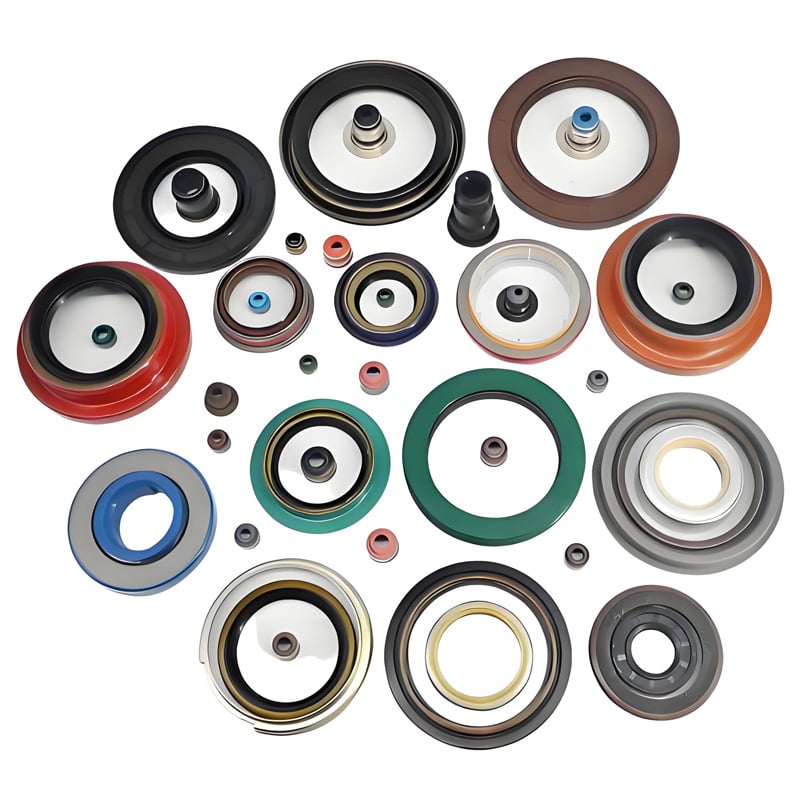
The automotive aftermarket presents significant challenges when trying to distinguish genuine auto oil seal products from counterfeit alternatives. With the proliferation of substandard sealing solutions flooding the market, automotive technicians and vehicle owners face increasing difficulty in ensuring they purchase authentic auto oil seal components that deliver reliable performance and longevity. Understanding the key identification markers becomes crucial for maintaining vehicle integrity and avoiding costly failures that result from inferior sealing products.
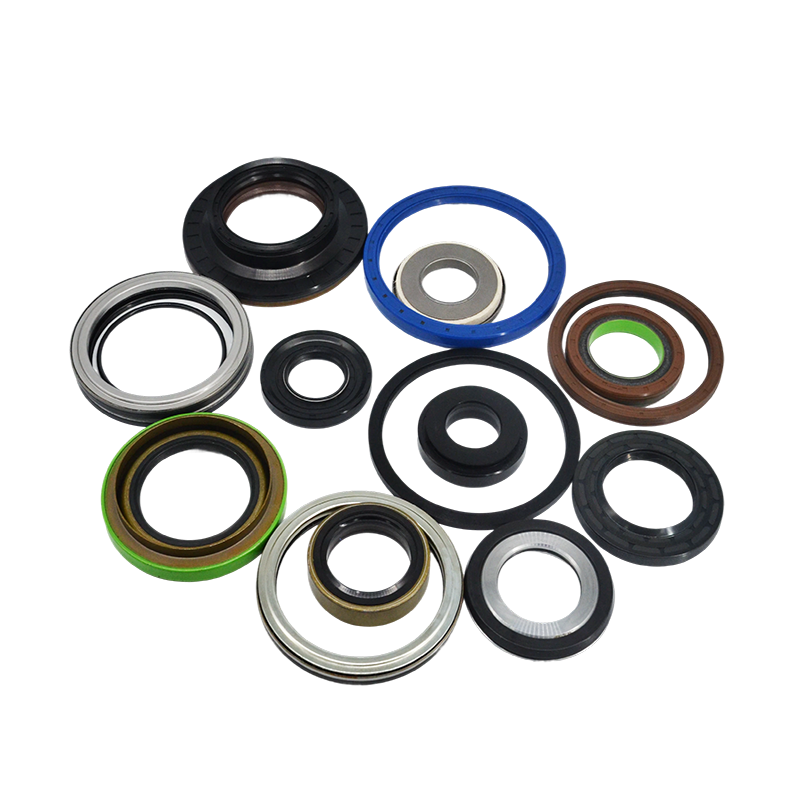
Recognizing authentic auto oil seal products requires systematic evaluation of multiple physical and performance characteristics that distinguish quality manufacturing from cheap imitations. The identification process involves examining material composition, dimensional accuracy, surface finish quality, and packaging authenticity to ensure the auto oil seal meets original equipment specifications. Professional mechanics and procurement specialists must develop expertise in these verification methods to protect their customers from premature seal failure and associated mechanical damage.
Physical Characteristics of Authentic Auto Oil Seals
Material Quality Assessment
Genuine auto oil seal products exhibit superior material characteristics that reflect advanced rubber compound formulations and precise manufacturing processes. The elastomer material should demonstrate consistent flexibility without brittleness or excessive softness that indicates substandard composition. High-quality auto oil seal materials maintain their structural integrity under temperature variations and resist degradation from exposure to automotive fluids including engine oil, transmission fluid, and differential lubricants.
The metal reinforcement components within authentic auto oil seal assemblies feature precise stamping and consistent thickness throughout the circumference. Quality manufacturers utilize corrosion-resistant steel alloys that prevent rust formation during storage and service life. The metal housing should exhibit uniform surface treatment and accurate dimensional tolerances that ensure proper fitment within the designated seal groove or housing bore.
Authentic auto oil seal products incorporate specialized additives within their rubber compounds to enhance performance characteristics including temperature resistance, chemical compatibility, and wear resistance. These formulations result in distinctive material properties that counterfeit products cannot replicate due to cost constraints and lack of technical expertise in rubber chemistry.
Dimensional Precision and Tolerances
Genuine auto oil seal components maintain extremely tight dimensional tolerances that ensure proper sealing function and compatibility with original equipment specifications. The outer diameter, inner diameter, and axial width measurements should align precisely with published specifications without deviation beyond acceptable tolerance ranges. Professional verification requires calibrated measuring instruments to confirm dimensional accuracy.
The sealing lip geometry represents a critical identification factor for authentic auto oil seal products, as the lip profile requires precise molding to achieve optimal contact pressure and sealing effectiveness. Genuine seals feature consistent lip thickness, proper spring tension, and accurate angular positioning that counterfeit products rarely achieve due to inferior tooling and quality control processes.
Surface finish quality on authentic auto oil seal components reflects advanced manufacturing capabilities and stringent quality standards. The rubber surfaces should exhibit uniform texture without visible defects such as flash, air bubbles, or contamination marks. The metal components require smooth finishes with consistent coating application and absence of sharp edges that could damage mating surfaces.
Documentation and Packaging Authentication
Manufacturer Identification Systems
Legitimate auto oil seal manufacturers implement comprehensive identification systems that include part numbering conventions, batch codes, and traceability markings molded or stamped directly onto the seal components. These identification marks should remain clearly legible and resist removal through normal handling and installation procedures. The part numbers must correspond exactly with manufacturer catalogs and cross-reference databases.
Quality auto oil seal packaging incorporates security features including holographic labels, unique serial numbers, and tamper-evident sealing mechanisms that prevent counterfeiting and unauthorized repackaging. The packaging materials should demonstrate professional design quality with accurate technical specifications, installation instructions, and manufacturer contact information clearly displayed.
Authentic manufacturers provide comprehensive documentation packages that include material certifications, quality test reports, and application guidelines specific to each auto oil seal part number. This documentation serves as verification of genuine manufacturing origin and provides technical support for proper installation and service procedures.
Supply Chain Verification
Establishing the legitimacy of auto oil seal suppliers requires investigation of their authorization status with original manufacturers and verification of their supply chain credentials. Authorized distributors maintain direct relationships with manufacturers and provide warranty support, technical assistance, and return policies that counterfeit suppliers cannot offer.
The pricing structure for genuine auto oil seal products reflects the quality materials, advanced manufacturing processes, and comprehensive quality control systems employed by legitimate manufacturers. Suspiciously low prices often indicate counterfeit products that sacrifice quality for reduced cost, ultimately resulting in premature failure and increased replacement expenses.
Reputable suppliers maintain detailed inventory records that include manufacturing dates, batch numbers, and storage conditions for their auto oil seal inventory. This traceability enables rapid identification of potential quality issues and supports warranty claims when problems arise during service.
Performance Testing and Verification Methods
Laboratory Testing Procedures
Professional verification of auto oil seal authenticity often requires laboratory testing to confirm material properties and performance characteristics that cannot be determined through visual inspection alone. Hardness testing using shore durometer measurements provides quantitative assessment of rubber compound consistency and helps identify deviations from specification requirements.
Chemical resistance testing exposes auto oil seal materials to various automotive fluids under controlled conditions to evaluate their compatibility and degradation resistance. Genuine products demonstrate superior performance in these tests due to their advanced compound formulations and quality manufacturing processes.
Temperature cycling tests subject auto oil seal components to extreme temperature variations that simulate real-world operating conditions and accelerate potential failure mechanisms. Authentic products maintain their sealing effectiveness and structural integrity throughout these demanding test protocols while counterfeit alternatives often exhibit rapid deterioration.
Field Performance Evaluation
Installation behavior provides valuable insights into auto oil seal authenticity, as genuine products demonstrate proper fitment characteristics and installation ease that reflect accurate dimensional control and appropriate material properties. Counterfeit seals often require excessive force during installation or exhibit poor fitment that indicates dimensional inaccuracies.
Service life performance represents the ultimate test of auto oil seal authenticity, as genuine products deliver extended operational periods without leakage or failure under normal operating conditions. Premature failure patterns often indicate counterfeit products that lack the material quality and manufacturing precision necessary for reliable sealing performance.
Monitoring seal performance requires regular inspection procedures that evaluate leakage rates, wear patterns, and overall condition throughout the service interval. Genuine auto oil seal products exhibit predictable wear characteristics and maintain sealing effectiveness until replacement becomes necessary due to normal wear progression.
Common Counterfeiting Techniques and Red Flags
Manufacturing Quality Indicators
Counterfeit auto oil seal products often exhibit distinctive manufacturing defects that reveal their inferior production methods and quality control deficiencies. Poor molding quality results in visible flash marks, uneven surfaces, and dimensional inconsistencies that compromise sealing performance and indicate non-genuine manufacturing origin.
The spring components within counterfeit auto oil seal assemblies frequently demonstrate inferior metallurgy and inconsistent tension characteristics that affect sealing lip contact pressure. These springs may exhibit corrosion, improper heat treatment, or dimensional variations that prevent optimal sealing function and reduce service life expectancy.
Color variations in rubber compounds often indicate counterfeit auto oil seal products, as genuine manufacturers maintain strict color consistency through controlled material formulations and quality assurance procedures. Unusual colors or inconsistent pigmentation suggest non-standard rubber compounds that may lack necessary performance characteristics.
Packaging and Documentation Anomalies
Counterfeit auto oil seal packaging frequently contains spelling errors, incorrect technical specifications, or poor-quality printing that indicates unauthorized reproduction of legitimate manufacturer materials. These packaging defects represent immediate red flags that suggest counterfeit products regardless of the apparent quality of the seal components themselves.
The absence of proper certification marks, regulatory compliance statements, or manufacturer warranty information on auto oil seal packaging indicates potential counterfeiting and should trigger additional verification procedures. Legitimate manufacturers ensure their packaging includes all required regulatory markings and quality certifications.
Inconsistent part numbering between the seal component markings and package labeling suggests counterfeit products that utilize unauthorized repackaging of inferior components. Genuine auto oil seal products maintain consistent part number identification across all documentation and component markings.
FAQ
What are the most reliable visual indicators of a genuine auto oil seal?
The most reliable visual indicators include consistent material color and texture, precise dimensional accuracy, clean molding lines without flash or defects, clear manufacturer markings, and proper packaging with security features. Genuine auto oil seal products also exhibit superior surface finish quality and accurate lip geometry that reflects advanced manufacturing capabilities.
How can I verify the authenticity of an auto oil seal supplier?
Verify supplier authenticity by checking their authorization status with original manufacturers, confirming business registration and certifications, reviewing customer testimonials and industry reputation, and evaluating their technical support capabilities. Legitimate auto oil seal suppliers maintain direct manufacturer relationships and provide comprehensive warranty support.
What testing methods can confirm auto oil seal material quality?
Material quality testing includes hardness measurement using shore durometers, chemical resistance evaluation with automotive fluids, temperature cycling tests, and dimensional verification using calibrated instruments. These testing procedures help confirm that auto oil seal materials meet original equipment specifications and performance requirements.
Why do counterfeit auto oil seals fail prematurely compared to genuine products?
Counterfeit auto oil seals fail prematurely due to inferior rubber compounds, poor manufacturing quality control, inadequate material testing, and substandard metal components. These deficiencies result in reduced chemical resistance, improper sealing lip geometry, dimensional inaccuracies, and overall poor performance that cannot match the reliability of genuine auto oil seal products.