
 EN
EN
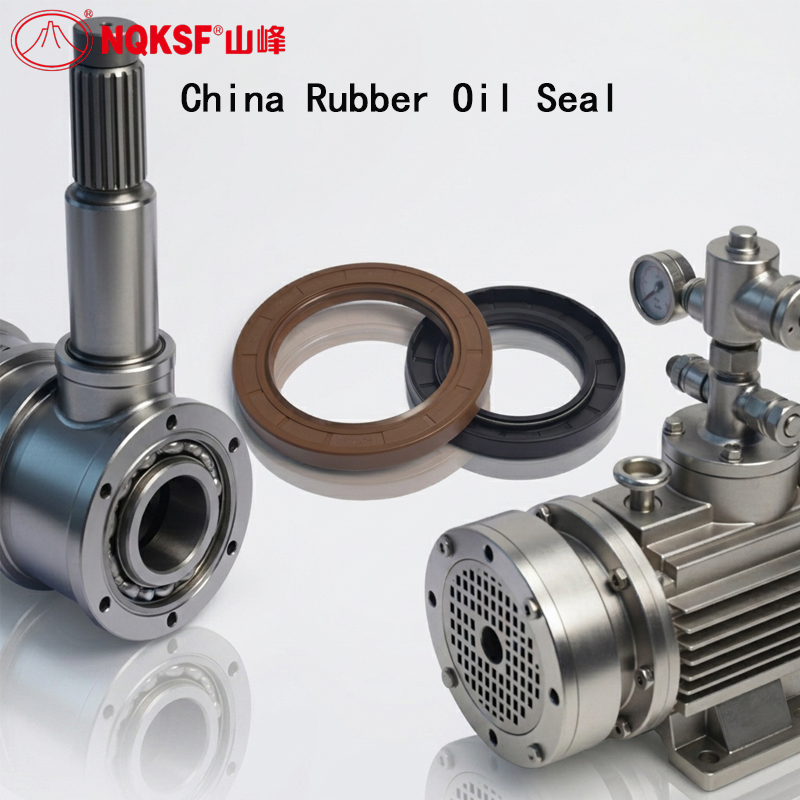
Aging is one of the most significant challenges facing any industrial operation that relies on a rubber oil seal for equipment protection. As a rubber oil seal ages, it gradually loses its flexibility and begins to harden, eventually leading to cracking and catastrophic seal failure. Understanding the mechanisms behind this degradation and implementing proper prevention strategies can dramatically extend the lifespan of your rubber oil seal and reduce costly downtime. This comprehensive guide explores the science of rubber oil seal aging, identifies the root causes of hardening and cracking, and presents practical, actionable solutions to protect your investments.
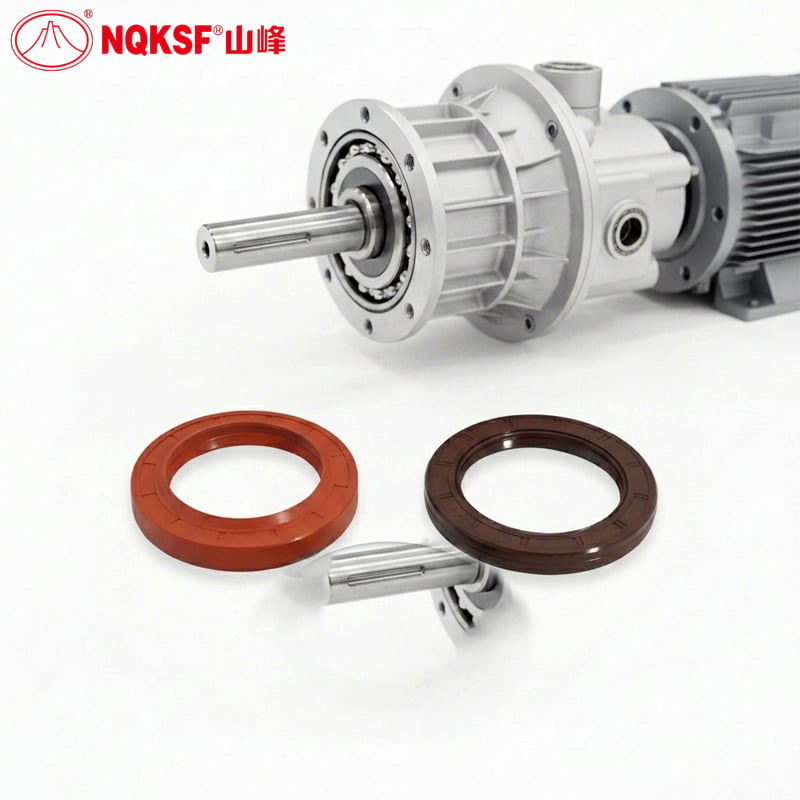
Industrial equipment depends on a rubber oil seal to maintain critical fluid containment and prevent environmental contamination. When a rubber oil seal fails due to hardening and cracking, the consequences extend far beyond the cost of replacement. Leaks compromise system efficiency, allow contaminants to enter sensitive machinery, and create safety hazards in the workplace. By recognizing the warning signs early and implementing preventive maintenance protocols, operators and maintenance teams can substantially improve equipment reliability and operational safety.
Understanding Rubber Oil Seal Degradation
The Science Behind Hardening in Rubber Oil Seals
A rubber oil seal performs its sealing function through maintained elasticity and resilience, allowing it to conform to shaft movement and maintain contact with mating surfaces. However, several natural and environmental factors gradually reduce this elasticity. Oxidation is the primary culprit; when rubber oil seal materials are exposed to oxygen, especially at elevated temperatures, chemical bonds within the polymer matrix break down, creating cross-linking that stiffens the material. This process accelerates dramatically when a rubber oil seal is exposed to heat, ultraviolet light, or ozone. The once-supple elastomer becomes brittle, losing its ability to flex and adapt to operational stresses. Understanding this degradation mechanism is essential for developing effective prevention strategies that target the root causes rather than simply treating symptoms.
Temperature and Environmental Factors Affecting Seal Life
Temperature is perhaps the most critical factor determining how quickly a rubber oil seal will harden and crack. For every 10 degrees Celsius above optimal operating temperature, the aging rate of a rubber oil seal can double or even triple. Industrial environments with high ambient temperatures, proximity to heat sources, or inadequate cooling systems create ideal conditions for accelerated rubber oil seal degradation. Moisture, ozone, and chemical exposure further compound the problem. A rubber oil seal operating in a wet, chemically aggressive environment experiences much faster hardening than one in a controlled, dry setting. Additionally, UV radiation from sunlight can cause surface cracking on exposed rubber oil seal components, initiating stress points that quickly propagate into failure.
Proven Prevention Strategies for Rubber Oil Seal Longevity
Temperature Management and Thermal Control
The most effective way to prevent hardening and cracking in a rubber oil seal is to maintain stable, moderate operating temperatures. Implementing adequate cooling systems, improving ventilation around equipment housing the rubber oil seal, and using thermal barriers or insulation can keep temperatures within the recommended range for your specific seal material. Many manufacturers specify a maximum continuous operating temperature for their rubber oil seal products; staying below this threshold can extend seal life by years. Regular temperature monitoring using sensors or infrared detection allows operators to identify trends before a rubber oil seal reaches critical degradation levels. In applications where temperature spikes are unavoidable, consider upgrading to a rubber oil seal formulation designed for high-temperature service, often incorporating synthetic elastomers that resist oxidation more effectively than standard rubber compounds.
Fluid Selection and Chemical Compatibility
The oil or fluid used in an application directly impacts how long a rubber oil seal will remain functional. Certain oils contain additives or properties that accelerate rubber oil seal hardening, while others actively preserve seal integrity. Selecting a high-quality oil with antioxidant properties and maintaining proper fluid cleanliness prevents excessive chemical stress on the rubber oil seal. Contaminated fluids introduce particles that abrade the seal surface and promote localized cracking, while fluid oxidation products degrade rubber oil seal material from within. Regular fluid analysis and timely fluid changes ensure that a rubber oil seal operates in a compatible chemical environment. Additionally, compatibility testing should be performed before introducing a rubber oil seal to a new fluid type, as some combinations can cause rapid swelling, hardening, or deterioration.
Maintenance Protocols and Inspection Routines
Preventive maintenance is the cornerstone of rubber oil seal longevity. Establishing regular inspection schedules allows technicians to detect early signs of hardening, surface crazing, or material loss before complete failure occurs. Visual inspection should assess color changes, surface cracks, hardness changes detected by touch, and any visible leakage around the rubber oil seal perimeter. Measurements of seal dimensions can reveal swelling or shrinkage indicating chemical degradation. Scheduled replacement of a rubber oil seal before reaching the end of its design life prevents unexpected equipment failures and maintains operational continuity. Many industrial operations follow a preventive replacement schedule based on hours of operation or calendar intervals, replacing a rubber oil seal during planned maintenance windows rather than responding to emergency failures.
Advanced Protection Measures and Material Considerations
Material Selection for Harsh Operating Conditions
Not all rubber oil seal formulations perform equally under demanding conditions. Standard nitrile rubber offers good general-purpose performance but has temperature and chemical limitations. For aggressive environments, upgrading to a rubber oil seal made from fluoro-elastomer or PTFE-lined materials can provide superior resistance to hardening and cracking. A rubber oil seal constructed with higher-grade materials may cost more initially but dramatically extends service intervals and reduces downtime costs. Synthetic elastomers used in premium rubber oil seal designs resist oxidation more effectively, maintain elasticity across wider temperature ranges, and offer superior chemical resistance. When facing persistent rubber oil seal failures in your application, consulting with seal manufacturers about material upgrades is often the most cost-effective long-term solution.
Design and Installation Optimization
How a rubber oil seal is installed and housed within equipment significantly influences its aging rate. Proper shaft surface finish, correct gland dimensions, and appropriate preload all affect stress distribution on the rubber oil seal and its resistance to hardening and cracking. Over-compression or under-compression of a rubber oil seal accelerates degradation by creating uneven stress and heat generation. Installing a rubber oil seal with precision tools and following manufacturer specifications ensures optimal performance. Additionally, incorporating backup rings or spacer elements can reduce squeeze stress on a rubber oil seal, slowing the hardening process. Equipment designers and maintenance personnel should collaborate to ensure installation practices align with the rubber oil seal manufacturer's recommendations, as proper installation alone can extend seal life by 30 to 50 percent.
FAQ
What is the typical lifespan of a rubber oil seal before hardening and cracking becomes problematic?
The lifespan of a rubber oil seal depends heavily on operating conditions, material composition, and maintenance practices. Under ideal conditions with moderate temperatures and compatible fluids, a rubber oil seal may function reliably for 5 to 10 years or longer. However, in harsh environments with high temperatures, chemical exposure, or poor maintenance, a rubber oil seal may begin showing signs of hardening and cracking within 1 to 3 years. Regular inspection helps determine the actual condition of your specific rubber oil seal rather than relying solely on calendar age. Establishing a preventive replacement schedule based on your observed degradation rates ensures you replace a rubber oil seal before failure occurs.
Can a hardening rubber oil seal be restored or must it be replaced?
Once a rubber oil seal has begun hardening and cracking, the degradation process cannot be reversed through restoration or rejuvenation methods. Attempting to use treatments or oils to soften a hardening rubber oil seal is generally ineffective and may introduce incompatible substances that worsen the problem. The only reliable solution is replacement with a new rubber oil seal of equal or superior specification. However, early detection of hardening allows you to schedule replacement during planned maintenance rather than facing emergency downtime. Implementing the prevention strategies discussed in this guide can extend the time between replacements and reduce the frequency of rubber oil seal failures in your operation.
How can I tell if my rubber oil seal is beginning to harden and crack?
Early warning signs of a hardening rubber oil seal include visible surface crazing or fine cracks, discoloration or darkening of the rubber material, hardness changes detectable by gently pressing the seal surface, and slight seepage or weeping around the seal perimeter. Some applications allow you to measure the seal gland area to detect shrinkage indicating material degradation. Establishing a baseline of your new rubber oil seal condition through photos or measurements makes it easier to recognize changes over time. Any combination of these signs indicates that your rubber oil seal is experiencing accelerated aging and should be replaced at the next available maintenance opportunity. Addressing these early indicators prevents the sudden seal failure that leads to system shutdown and costly repairs.