
 EN
EN
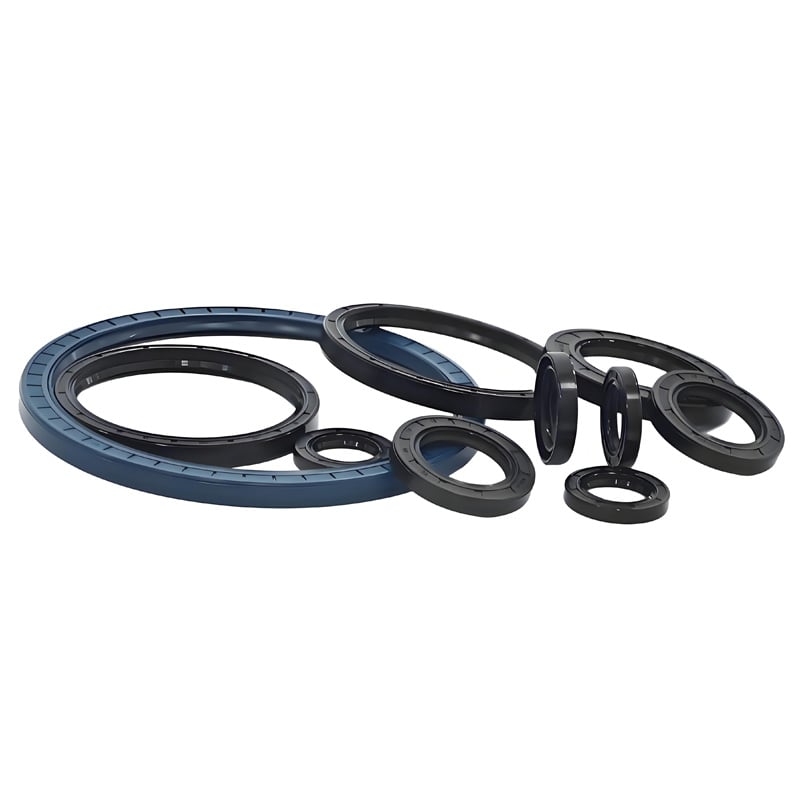
A high pressure oil seal operates in demanding industrial environments where failure is not an option. Whether used in hydraulic systems, compressors, pumps, or heavy machinery, the high pressure oil seal must withstand extreme pressures, temperature fluctuations, and continuous exposure to mineral oils and synthetic fluids. The performance of any high pressure oil seal depends fundamentally on the materials from which it is manufactured, the precision of its design, and how well those materials work together under stress.
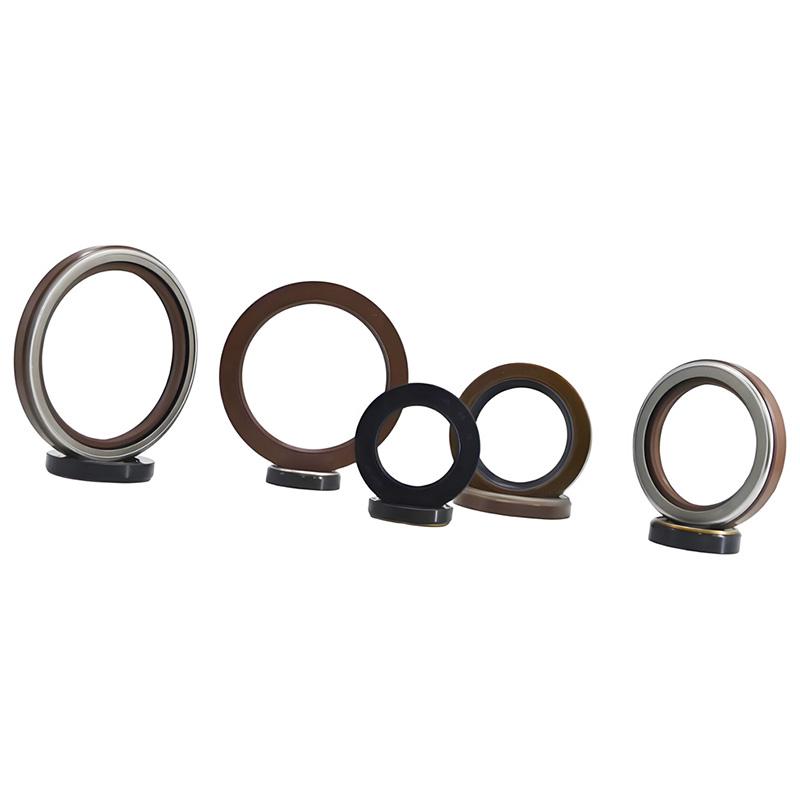
Selecting the right materials for your high pressure oil seal application requires understanding what each component contributes to seal integrity, longevity, and reliability. Industrial engineers and maintenance professionals must know which materials deliver consistent performance across varying pressure ranges, temperature conditions, and fluid compatibility requirements. This knowledge directly impacts equipment uptime, operational costs, and system safety.
Core Material Composition for High Pressure Oil Seals
Elastomer Selection and Performance
The elastomer is the primary load-bearing element of any high pressure oil seal. Nitrile (NBR) remains the most widely used elastomer for standard industrial applications because it offers excellent resistance to mineral oils, stable performance across moderate temperature ranges, and cost-effectiveness. A quality high pressure oil seal made from NBR can handle pressures typically up to 250 bar and temperatures between minus 40 and 120 degrees Celsius. For more demanding applications, fluorocarbon (FKM or Viton) elastomers provide superior chemical resistance, extended temperature ranges reaching 200 degrees Celsius, and better performance with synthetic fluids. Polyurethane (PU) materials are increasingly favored for high pressure oil seal applications requiring enhanced abrasion resistance and improved wear characteristics, particularly in oscillating or reciprocating motions where friction is exceptionally high.
Reinforcement and Structural Integrity
Behind the elastomer lies the reinforcement layer, which is critical to how a high pressure oil seal maintains its shape and dimensional stability under extreme pressure. Spring steel or stainless steel reinforcing rings are embedded within the high pressure oil seal structure to prevent extrusion and radial distortion. These metal components prevent the elastomer from being pushed out of its housing when pressure spikes occur, which is especially important in piston rod seals and pressure-containing applications. The spring tension and material grade of the reinforcement directly affect how well the high pressure oil seal responds to dynamic pressure changes and maintains a consistent sealing surface over thousands of operating cycles.
Secondary Material Layers and Chemical Resistance
Backup Rings and Wear Rings
Many industrial-grade high pressure oil seal designs incorporate backup rings made from polyoxymethylene (POM) or other high-performance polymers. The backup ring sits behind the main sealing lip and prevents extrusion of the elastomer, functioning as a protective barrier in extreme pressure scenarios. A properly engineered backup ring ensures that your high pressure oil seal can withstand pressure spikes without permanent deformation. Wear rings in high pressure oil seal assemblies reduce friction and extend the sealing element's working life by distributing contact pressure more evenly across the dynamic surface. These secondary materials must be carefully selected to resist the same fluids and temperatures as the primary elastomer, ensuring the high pressure oil seal performs as an integrated system rather than as isolated components.
Surface Finish and Compatibility Coatings
The quality of the metal shaft or housing surface where your high pressure oil seal operates directly influences seal life and performance. Hard-coated or plated shaft surfaces reduce wear on the high pressure oil seal lip and prevent score marks that would compromise the seal's ability to contain pressure. Some premium high pressure oil seal designs include PTFE (Teflon) coatings or composite layers that reduce friction, lower operating temperatures, and extend seal longevity significantly. The combination of a smooth, hard shaft surface and a properly selected high pressure oil seal elastomer creates the optimal sealing interface that minimizes leakage while maximizing durability across the service life of industrial equipment.
Material Selection Criteria for Specific Applications
Pressure Rating and Material Limits
Different material combinations within a high pressure oil seal can handle varying maximum pressures. A basic NBR high pressure oil seal with standard reinforcement typically reaches 280 bar reliably, while specialized designs using reinforced steel springs and polyurethane elastomers can exceed 400 bar under controlled conditions. Ultra-high-pressure applications in specialty hydraulics or deep-water oil extraction may require advanced high pressure oil seal configurations with premium materials like PEEK (polyetheretherketone) or metal-reinforced composite seals rated for 700 bar or higher. Understanding your system's peak pressure, not just nominal operating pressure, determines which material grade and construction type your high pressure oil seal must incorporate to prevent catastrophic failure.
Fluid Compatibility and Chemical Resistance
Not all high pressure oil seal materials are compatible with every hydraulic fluid or lubrication medium. Standard NBR seals work excellently with conventional mineral oils but may swell or degrade when exposed to certain synthetic esters or biodegradable fluids. A high pressure oil seal intended for synthetic fluid systems requires FKM or FFKM elastomers that resist chemical attack and maintain elasticity under aggressive fluid exposure. Agricultural, food processing, and environmentally sensitive applications demand that your high pressure oil seal be manufactured from materials specifically validated for biodegradable and ester-based hydraulic fluids. Selecting the wrong high pressure oil seal material for your fluid type can result in rapid elastomer degradation, loss of sealing capacity, and equipment downtime within weeks or even days.
Temperature Stability and Thermal Performance
Material thermal stability is a defining factor in whether your high pressure oil seal maintains performance across extreme temperature swings. The reinforcement steel in a quality high pressure oil seal must remain stable across temperature ranges without warping or losing spring tension. Elastomers that harden excessively at low temperatures cannot flex around shaft eccentricities, while materials that soften at elevated temperatures lose their ability to grip and contain pressure. A dependable high pressure oil seal uses material combinations specifically chosen to maintain consistent physical properties—hardness, elasticity, and sealing force—across the full operating temperature range of your equipment. This thermal consistency is what separates premium industrial-grade high pressure oil seal products from basic commodity seals that fail when conditions shift.
Manufacturing Precision and Material Quality Control
Material Grade Standards and Certifications
A high pressure oil seal is only as good as the material grade and manufacturing standards applied during production. International standards like ISO 6072 and DIN 3771 define material performance benchmarks for high pressure oil seal elastomers and reinforcements. Seals meeting these certifications have undergone rigorous testing for tensile strength, elongation at break, compression set, and chemical resistance. When specifying a high pressure oil seal for critical industrial equipment, verify that the seal has been manufactured to recognized standards and that material certificates accompany the product. Generic or uncertified high pressure oil seal products may contain inferior elastomers or improper reinforcement, leading to premature failure and expensive downtime in your operations.
Material Consistency and Defect Prevention
Manufacturing a reliable high pressure oil seal requires strict quality control over material batches, mixing procedures, and curing processes. Inconsistent elastomer composition, inadequate curing temperatures, or improper reinforcement bonding will result in a high pressure oil seal that fails under pressure despite meeting nominal specifications. Reputable manufacturers employ material traceability systems, in-process testing, and final pressure validation to ensure every high pressure oil seal leaves the facility with consistent performance characteristics. This commitment to material quality and manufacturing precision is what distinguishes premium industrial seals from lower-cost alternatives that may appear identical but perform dramatically differently in harsh operating environments.
FAQ
What is the most common elastomer material used in high pressure oil seals?
Nitrile (NBR) is the most widely used elastomer in standard industrial applications because it offers excellent oil resistance, moderate temperature range capability, and cost-effectiveness. However, a high pressure oil seal in synthetic fluid or extreme-temperature applications may use fluorocarbon (FKM), FFKM, or polyurethane materials for superior performance and extended service life across more demanding conditions.
Can a high pressure oil seal withstand temperatures above 150 degrees Celsius?
Standard NBR-based high pressure oil seals are rated up to approximately 120 degrees Celsius as their safe upper limit. For sustained operation above 150 degrees Celsius, a high pressure oil seal must be manufactured from fluorocarbon (FKM) or perfluoroelastomer (FFKM) elastomers, which maintain elasticity and sealing effectiveness at much higher temperatures. Always verify the specific material composition and temperature rating of your high pressure oil seal against your actual operating conditions.
How do backup rings improve high pressure oil seal performance?
Backup rings prevent extrusion of the elastomer when pressure spikes occur, which is critical in a high pressure oil seal design. By sitting behind the main sealing lip, the backup ring supports the elastomer and prevents it from bulging into the clearance gap. This structural support allows your high pressure oil seal to reliably contain pressures that would otherwise deform or destroy an unreinforced seal, making backup rings essential for any application exceeding 250 bar.