
 EN
EN
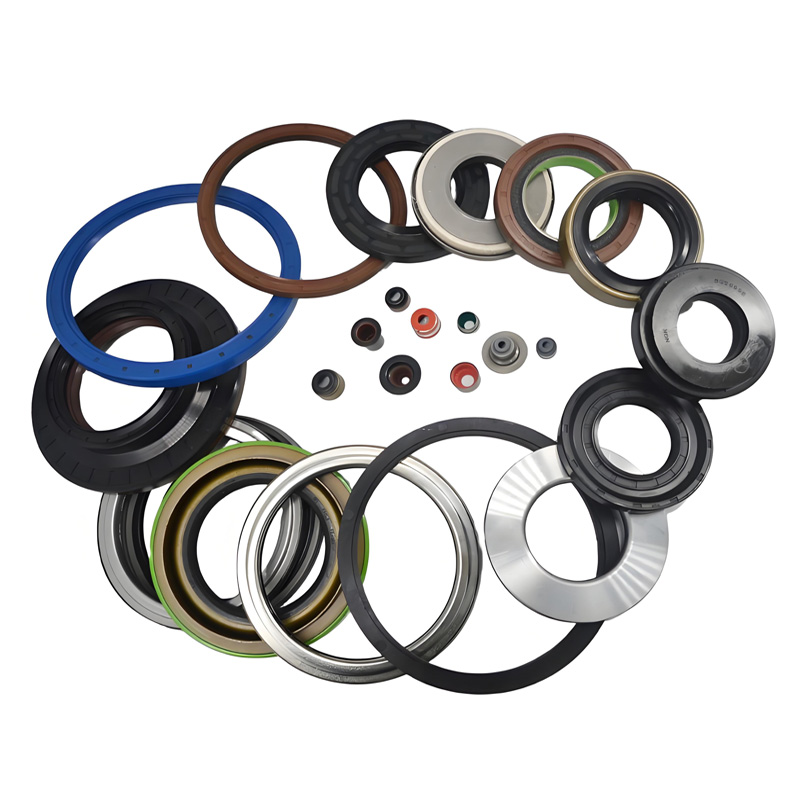
Selecting the right auto oil seal material is critical for transmission system reliability and longevity. Modern transmission fluids place unique demands on elastomeric and polymeric seal materials, requiring exceptional chemical resistance, thermal stability, and mechanical performance under extreme pressure and temperature cycling. The choice of auto oil seal material directly impacts fluid retention, contamination prevention, and overall drivetrain efficiency. Organizations that prioritize material selection based on fluid chemistry and operating conditions significantly reduce seal failure rates, maintenance costs, and unexpected downtime.
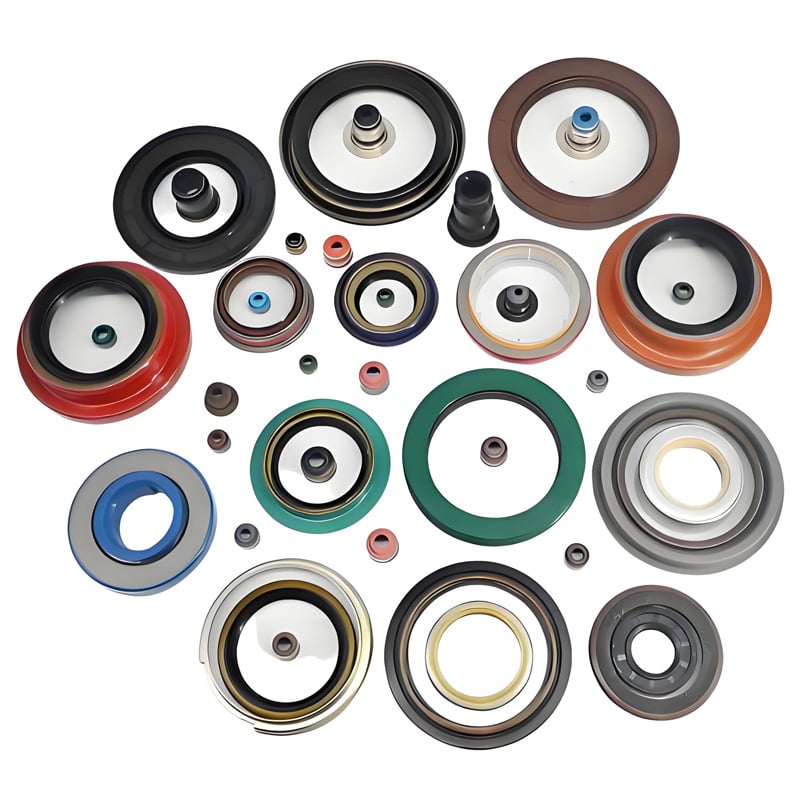
The engineering of an effective auto oil seal requires deep understanding of fluid formulations, seal geometry optimization, and material behavior across operational temperature ranges. Transmission fluids have evolved dramatically over the past decade, incorporating synthetic base stocks, advanced additives, and friction modifiers that demand compatible auto oil seal compounds. Incompatible materials swell excessively, harden prematurely, or lose elasticity, creating leakage pathways and accelerated wear. This guide explores the materials that deliver proven performance, examining how elastomers respond to modern fluid chemistry and identifying selection criteria for critical transmission applications.
Material Properties of High-Performance Auto Oil Seal Compounds
Elastomeric Materials and Fluid Compatibility
Nitrile rubber, commonly designated NBR or Buna-N, remains the industry standard for auto oil seal applications due to its excellent resistance to mineral and conventional transmission fluids. An auto oil seal fabricated from quality nitrile maintains dimensional stability across typical transmission operating temperatures of 40 to 130 degrees Celsius. The auto oil seal material exhibits minimal swell when exposed to conventional Type F or Type H transmission fluids, preserving critical clearances and sealing contact pressure. However, modern low-viscosity synthetic fluids with advanced chemistry require evaluation of the specific nitrile formulation, as some compounds exhibit marginal compatibility with certain additive packages.
Synthetic and Specialty Elastomers
Fluorocarbon elastomers, known as Viton or FKM, represent the premium choice for severe-duty auto oil seal applications, particularly where extended fluid drain intervals or aggressive synthetic fluids are deployed. An auto oil seal manufactured from FKM demonstrates superior thermal stability, maintaining elasticity at temperatures exceeding 150 degrees Celsius while resisting degradation from ester-based and polyglycol transmission fluids. Perfluoroelastomers (FFKM) push performance even further, delivering exceptional chemical resistance for specialized transmission applications in harsh industrial environments. The auto oil seal material selection between nitrile, fluorocarbon, and perfluoroelastomer ultimately depends on transmission fluid chemistry, maximum operating temperature, and cost constraints.
Chemical Resistance and Transmission Fluid Interactions
Synthetic Fluid Compatibility Considerations
Synthetic transmission fluids introduce complex chemistry that demands careful auto oil seal material evaluation. Polyalphaolefin-based synthetics, common in modern automatic transmissions, interact differently with elastomeric seals compared to conventional mineral oils. An auto oil seal exposed to PAO fluids experiences reduced swell rates but sometimes increased hardening, requiring formulations specifically engineered for synthetic compatibility. Ester-based fluids present even greater compatibility challenges, as the auto oil seal must resist aggressive swelling while maintaining elasticity and tear resistance. Selecting the correct auto oil seal elastomer ensures the seal compound absorbs the appropriate amount of fluid to maintain proper contact pressure and prevent both leakage and destructive over-swelling.
Additive Package Impact on Auto Oil Seal Performance
Modern transmission fluids incorporate zinc dialkyldithiophosphate, viscosity index improvers, friction modifiers, and anti-wear agents that chemically stress elastomeric components. The auto oil seal material must resist degradation from these additives while accommodating their presence without loss of seal function. High-quality nitrile formulations typically handle additive packages well, but marginal-grade auto oil seal compounds may harden excessively or lose resilience prematurely. Fluorocarbon auto oil seal materials provide superior resistance to aggressive additive chemistry, making them the preferred choice when fluid formulations include novel friction-reducing compounds or extended-life packages. Material compatibility testing under actual operating conditions ensures the selected auto oil seal will maintain performance throughout the transmission fluid's service life.
Thermal Performance and Durability in Modern Transmissions
Temperature Cycling and Elastomer Degradation
Transmission systems subject auto oil seal materials to continuous thermal cycling as vehicles accelerate, cruise, and brake repeatedly throughout the day. An auto oil seal fabricated from inadequate material exhibits accelerated oxidation, leading to hardening, cracking, and ultimate failure. Premium nitrile formulations resist oxidative degradation better than basic compounds, while fluorocarbon auto oil seal materials demonstrate exceptional thermal stability across extended temperature ranges. The auto oil seal must maintain elasticity at cold startup temperatures, often near freezing in winter conditions, while resisting hardening during high-temperature operation under load. Selecting an auto oil seal engineered with oxidation inhibitors and thermal stabilizers ensures long-term reliability across global climates and driving patterns.
Mechanical Durability and Pressure Cycling
Transmission pressure pulses, ranging from 5 to 50 bar depending on operating mode, continuously stress the auto oil seal across its contact surface. The auto oil seal material must resist compression set, the permanent deformation occurring after pressure cycles, which reduces sealing contact force and permits leakage. High-quality elastomeric compounds exhibit compression set resistance below 20 percent after extended pressure cycling, maintaining seal effectiveness throughout service life. An auto oil seal with inadequate compression set resistance loses contact pressure progressively, eventually permitting fluid to escape and air to contaminate the transmission. Premium nitrile and fluorocarbon formulations deliver compression set performance that ensures the auto oil seal maintains functionality across hundreds of thousands of pressure cycles inherent in automotive transmission operation.
Practical Selection Criteria for Auto Oil Seal Applications
Matching Material to Fluid Chemistry and Operating Conditions
The decision to specify an auto oil seal material begins with fluid chemistry documentation, including viscosity grade, base stock type, and additive composition. For conventional mineral-based transmission fluids and moderate operating temperatures, a premium-grade nitrile auto oil seal provides excellent performance at economical cost. Synthetic transmission fluids, particularly low-viscosity formulations deployed for efficiency gains, typically require fluorocarbon auto oil seal materials to ensure compatibility and long-term reliability. An auto oil seal selection process should involve laboratory compatibility testing when deploying novel fluid formulations or when existing seal failure history suggests material incompatibility. Documentation of fluid change intervals, maximum operating temperature, and vehicle duty cycle informs the auto oil seal specification, ensuring the chosen material withstands the complete range of conditions the transmission will encounter.
Cost-Performance Optimization and Long-Term Reliability
While premium auto oil seal materials cost more initially, the reduced failure frequency and extended service life justify the investment in critical applications. A nitrile auto oil seal might fail at 80,000 miles in severe synthetic fluid service, triggering costly transmission repairs and liability exposure. Specifying a fluorocarbon auto oil seal from the outset extends seal life to 150,000 miles or beyond, delivering superior total cost of ownership. Fleet operators and transmission manufacturers must evaluate auto oil seal material specifications holistically, considering fluid type, warranty implications, and average vehicle lifespan. An auto oil seal engineered for the specific transmission fluid and operating conditions represents an investment in reliability that pays dividends through reduced warranty claims, improved customer satisfaction, and enhanced brand reputation.
FAQ
What auto oil seal material works best with modern synthetic transmission fluids?
Fluorocarbon elastomers deliver superior performance with synthetic transmission fluids, particularly low-viscosity PAO and ester-based formulations. While quality nitrile auto oil seal compounds work adequately with many synthetics, fluorocarbon auto oil seal materials provide enhanced compatibility, thermal stability, and extended service life that justifies the material upgrade for modern transmission applications. Testing specific fluid and auto oil seal material combinations ensures compatibility before full-scale deployment.
How does an auto oil seal material affect transmission fluid retention?
An auto oil seal material that swells excessively in transmission fluid loses dimensional stability, reducing contact pressure and permitting leakage. Conversely, a material that hardens or shrinks creates gaps allowing fluid to escape. The proper auto oil seal material maintains elastic properties and dimensional stability, preserving the interference fit and contact pressure necessary for effective fluid retention. Material compatibility testing validates that the chosen auto oil seal remains stable across the full operating temperature and pressure range.
Can an auto oil seal material fail due to transmission fluid additives?
Yes, aggressive additive packages in modern transmission fluids can degrade incompatible auto oil seal materials through excessive swelling, hardening, or chemical attack. An auto oil seal fabricated from premium materials engineered for additive resistance maintains performance, while marginal materials may fail prematurely. Selecting an auto oil seal compound specifically formulated for the target transmission fluid chemistry ensures the seal withstands additive stress throughout the fluid's service life.