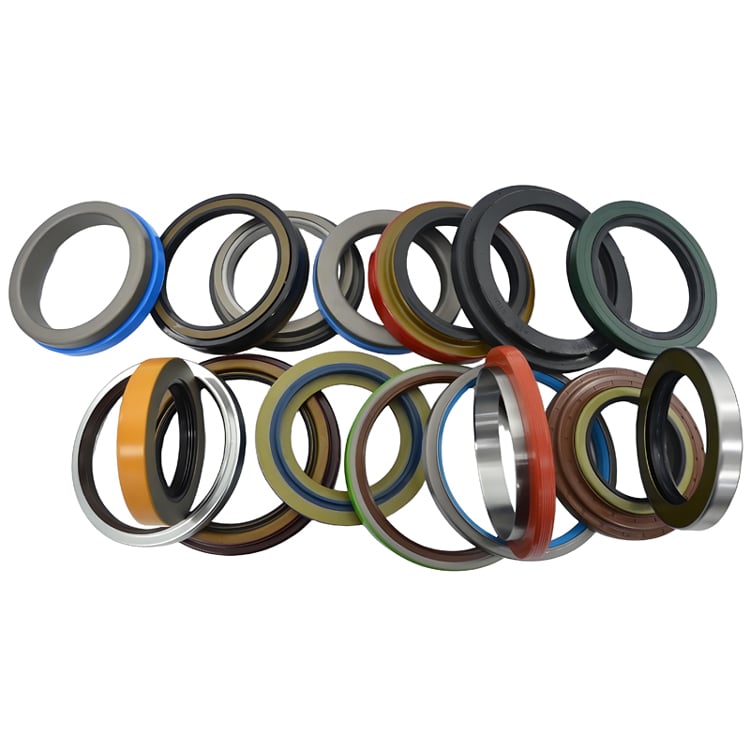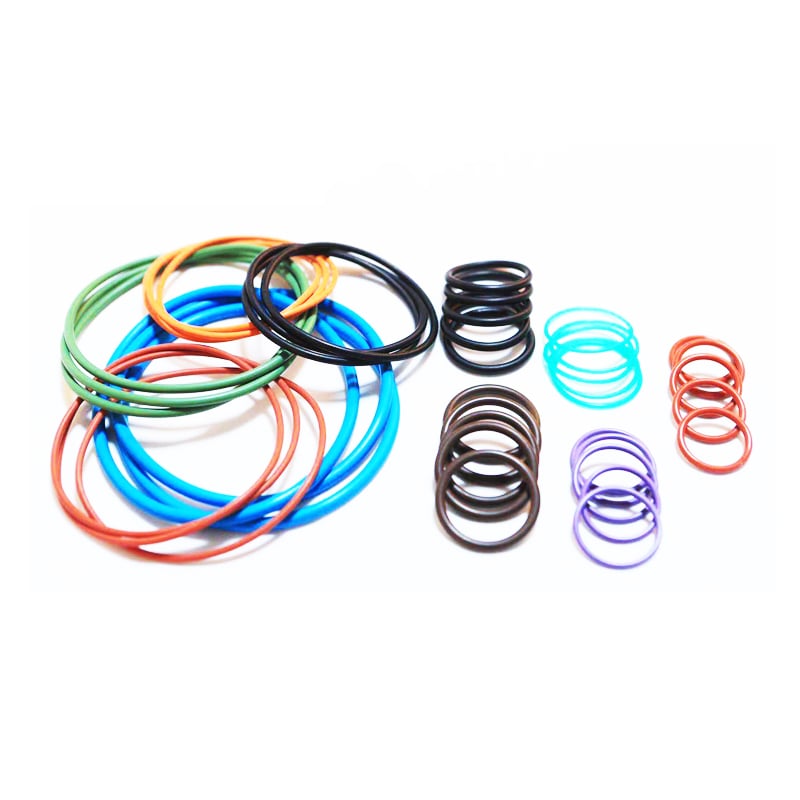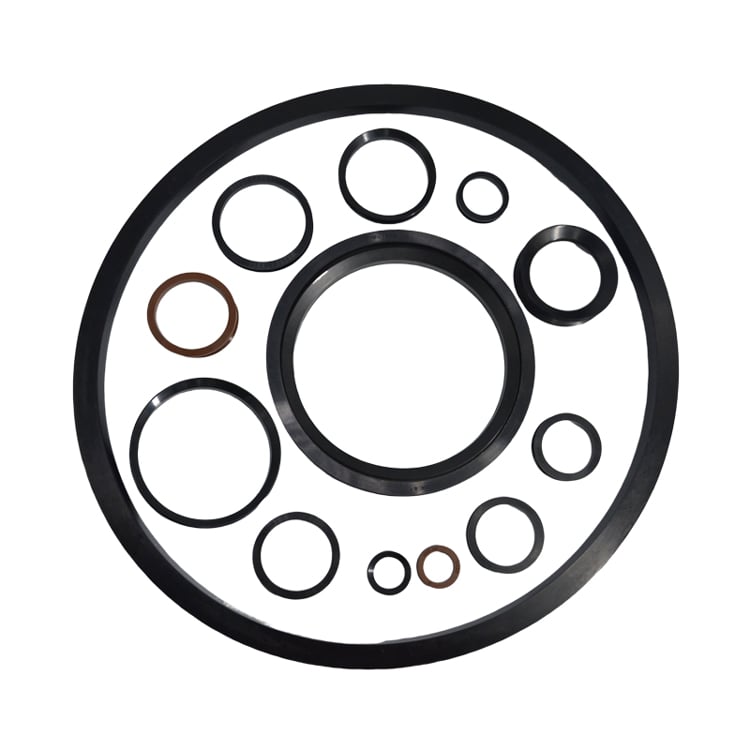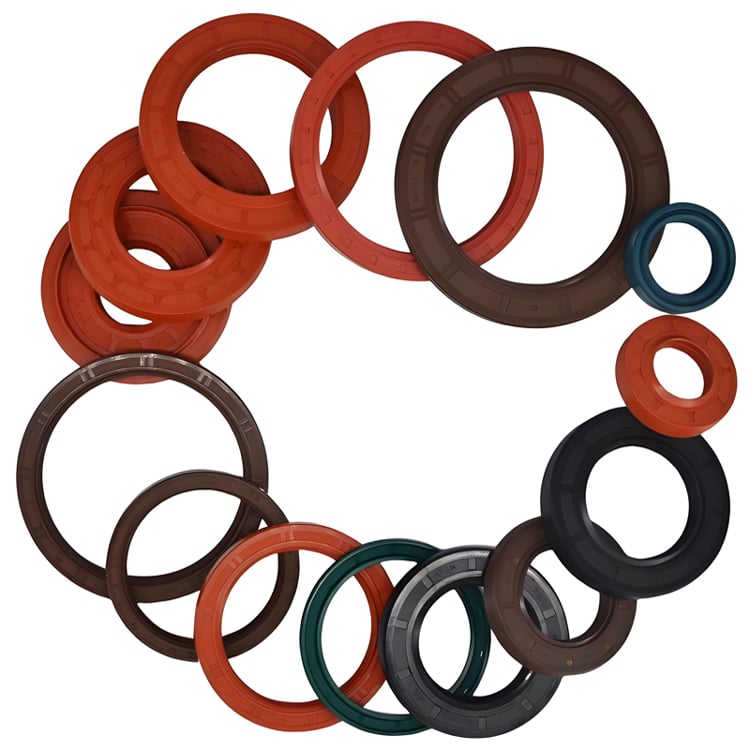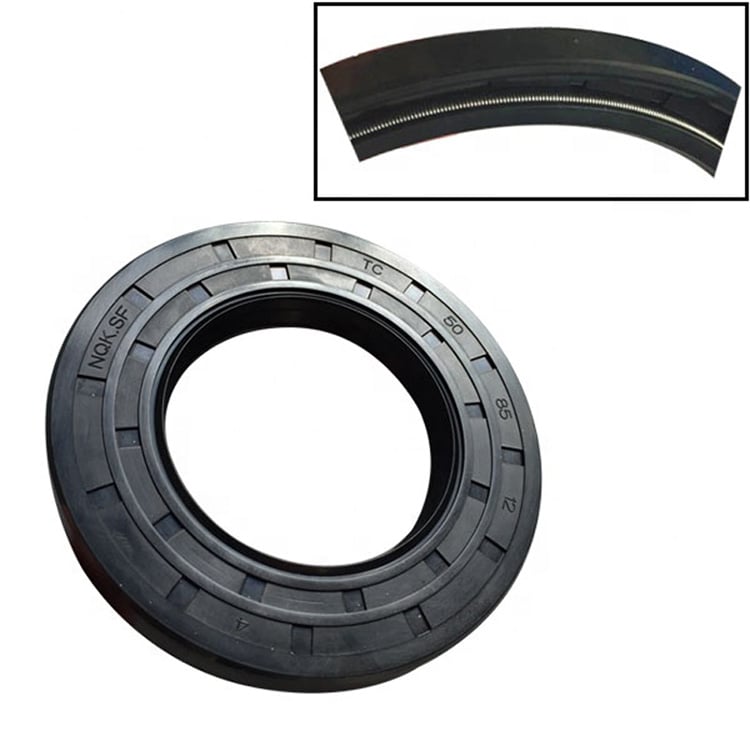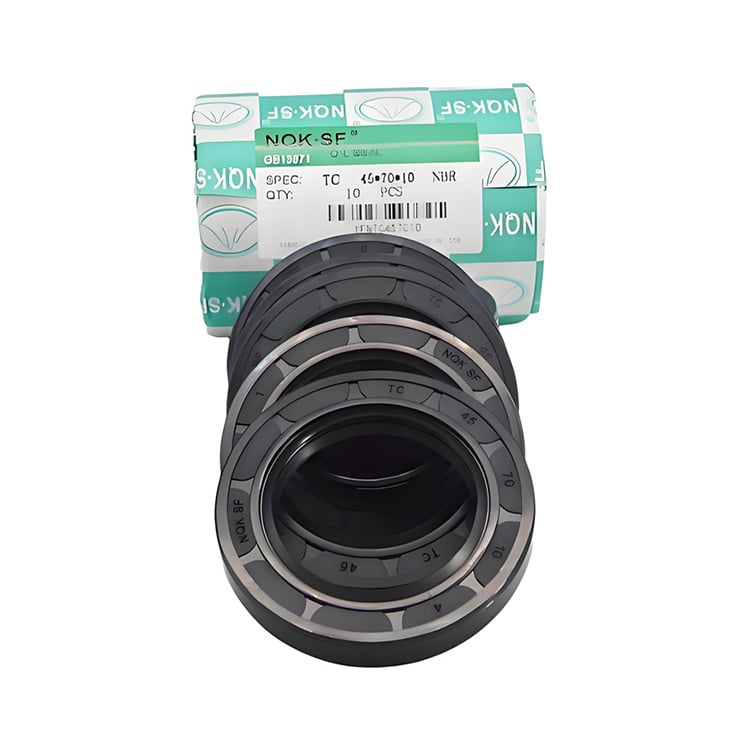

The interference of an oil seal is not selected from the shaft diameter alone. It is determined by the relationship between the seal lip, shaft, sealing material, spring force, operating speed, temperature and other working conditions. In a rotary shaft seal, interference creates radial contact pressure at the lip and shaft interface, so its value has a direct effect on sealing behavior.
A useful way to understand the issue is to imagine what happens when the seal is installed. The sealing lip is manufactured with an inside diameter smaller than the shaft diameter. After installation, the lip is stretched around the shaft and deformed into contact with the rotating surface. This difference contributes to the radial sealing force. Research on radial lip seals also treats the difference between lip diameter and shaft diameter as an important interference parameter, together with spring force and lip geometry.
Shaft speed is one of the major considerations. At higher rotational speed, friction at the lip generates more heat. If the interference produces excessive contact pressure, the additional friction can increase the temperature at the sealing interface. This can accelerate rubber aging and wear. Shanfeng is seal-selection information therefore considers speed, temperature, lubricant and pressure together rather than treating any one dimension as an isolated value.
The sealing material also changes the appropriate interference range. Different elastomers have different modulus, elasticity and resistance to temperature, lubricant and aging. A design that works well with one rubber compound cannot automatically be transferred to another material. Material stiffness affects how much radial force is generated after the lip is fitted onto the shaft.
Spring force and lip geometry must also be considered. A spring-loaded oil seal already has a designed radial force acting on the sealing lip. The interference and spring force therefore work together rather than independently. Lip angle, flex-section geometry and spring position influence the contact pressure distribution. Shanfeng describes these features as part of the balance required to obtain suitable contact between the lip and shaft.
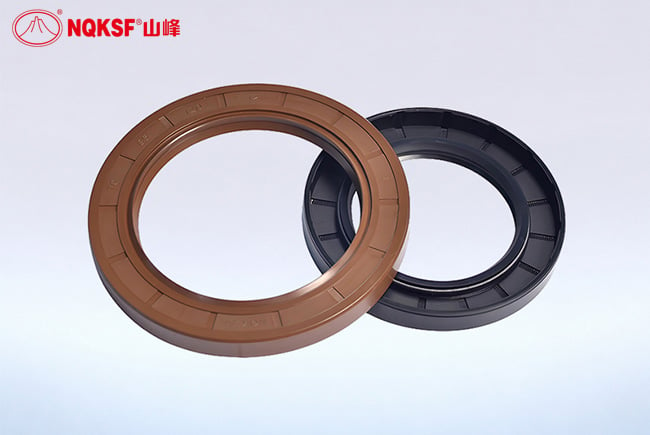
The actual operating environment adds another layer. Pressure difference, lubricant viscosity, shaft surface finish, eccentricity and misalignment can all change the working condition of the lip. For example, a shaft with excessive runout can cause the lip to repeatedly move away from and return to the shaft surface. Increasing interference alone does not necessarily solve that problem.
This is why oil seal interference should be treated as a designed parameter rather than a simple “tightness” value. The correct amount has to provide sufficient contact for sealing while keeping friction, heat and wear within an acceptable range. A good oil seal design is therefore a balance between contact pressure and operating conditions, not an attempt to maximize radial force.
 Hot News
ShanFeng Special Rubber Products Co., Ltd., operating under brand NQKSF since 1990, is a global leader in the sealing industry.
Copyright © 2026 ShanFeng Special Rubber Products Co., Ltd. All rights reserved. Privacy Policy
 EN
EN