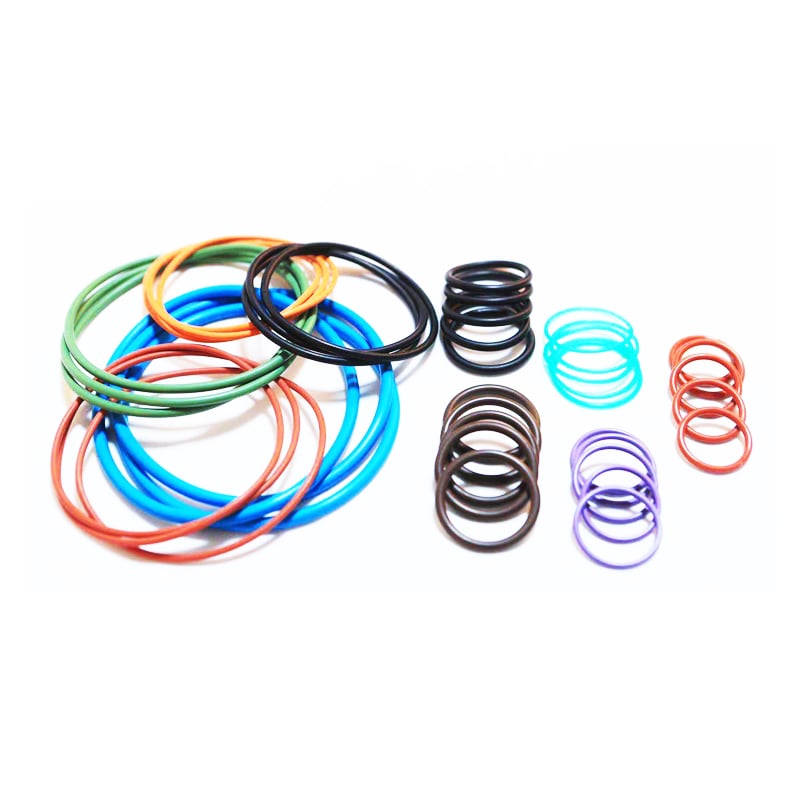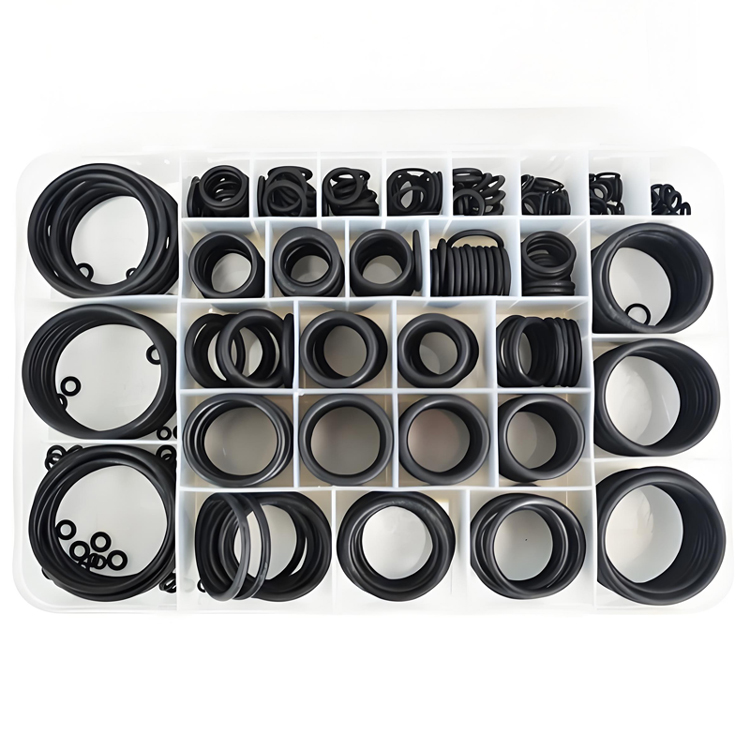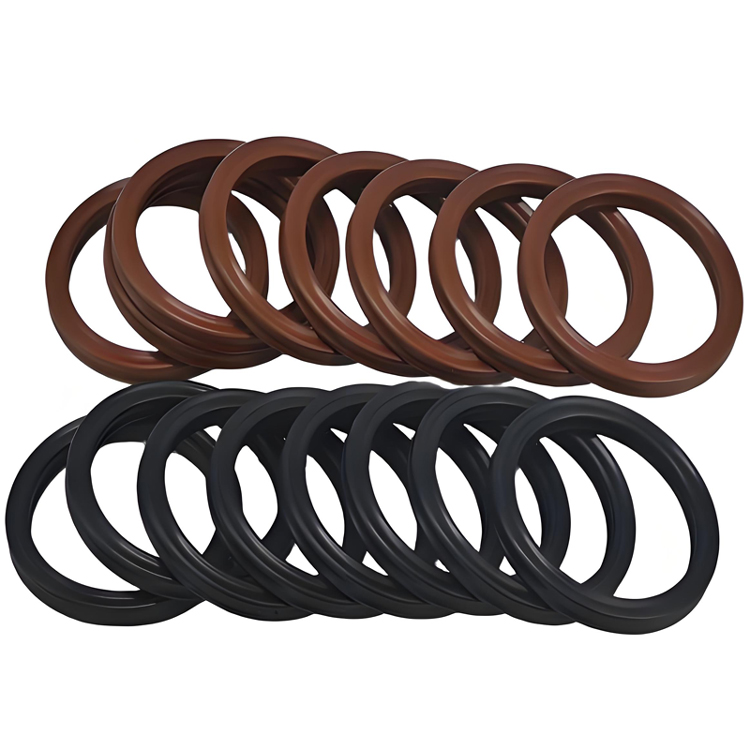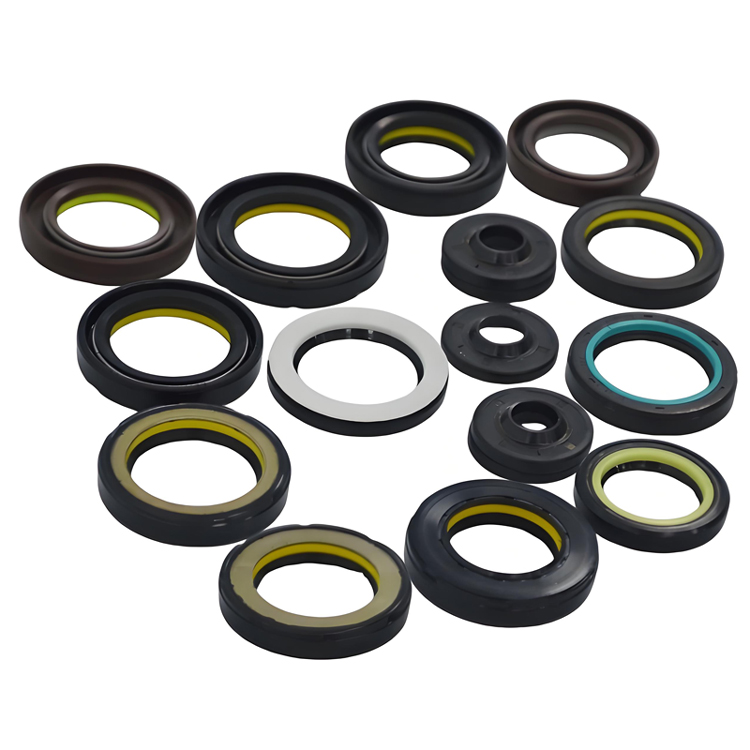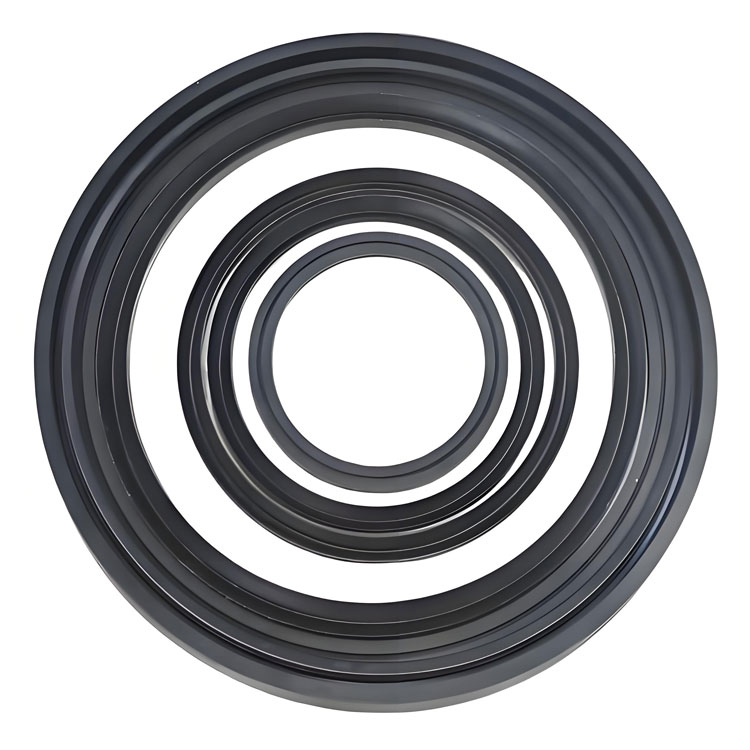

During maintenance or assembly, using a little engine oil to lubricate an O-ring may seem like a convenient solution. It is readily available and can make the rubber ring easier to install.
But convenience does not guarantee compatibility.
An assembly lubricant must be suitable for the O-ring material and the equipment. A lubricant that works with one elastomer may cause swelling or deterioration in another. This is particularly important when working with EPDM and silicone rubber.
The Problem Often Starts Before the Equipment Is Running
O-rings are commonly installed in grooves, housings, connectors, and threaded assemblies. During installation, the ring may need to slide over a shaft or pass through an opening.
Without suitable lubrication, friction can cause the O-ring to twist, stretch unevenly, or suffer surface damage. A small cut or distorted section may later become a leakage path.
Applying a thin film of compatible lubricant helps reduce installation friction. However, the lubricant must not negatively affect the rubber.
Why the Same Engine Oil Does Not Suit Every O-Ring
Consider three commonly used elastomers.
NBR (Nitrile Rubber) is widely used in applications involving many mineral oils and petroleum-based lubricants. Certain NBR compounds may therefore be compatible with the system oil used during assembly. However, compatibility still depends on the specific formulation and oil additives.
EPDM (Ethylene Propylene Diene Monomer) is commonly used in water-based systems, hot water applications, and some chemical environments. Standard EPDM compounds are generally unsuitable for mineral oils and petroleum-based lubricants. Contact with incompatible oils may cause swelling and changes in physical properties.
Silicone Rubber (VMQ) offers flexibility across a broad temperature range, but its compatibility with oils depends on the specific compound and fluid. It should not automatically be treated as equivalent to NBR.
These differences explain why a lubricant that appears harmless during assembly may cause problems after the equipment has been operating for some time.
A Simple Check Before Installation
Before applying lubricant, identify the O-ring material and check the equipment manufacturer's recommendations.
If the O-ring is used in an oil system, the operating fluid may be suitable for assembly when compatibility has been confirmed. For EPDM seals, a compatible assembly lubricant should be selected instead of assuming that ordinary engine oil is acceptable.
In food-processing, drinking-water, and other regulated applications, the lubricant may also need to meet specific industry requirements.
Once the correct lubricant has been selected, clean the groove and mating surfaces. Remove burrs and sharp edges, apply a thin and even film, and avoid twisting the O-ring as it enters the groove.
Good Installation Starts with Material Compatibility
O-ring failures are not always caused by incorrect dimensions or poor rubber quality. Installation damage and incompatible assembly lubricants can also affect sealing performance.
A few minutes spent checking the material and lubricant can help prevent unnecessary rework, replacement, and leakage problems.
Do not choose an O-ring lubricant simply because it is available in the workshop. Choose it because it is compatible with the seal and the application.
 Hot News
ShanFeng Special Rubber Products Co., Ltd., operating under brand NQKSF since 1990, is a global leader in the sealing industry.
Copyright © 2026 ShanFeng Special Rubber Products Co., Ltd. All rights reserved. Privacy Policy
 EN