pöörlev õlikinnis
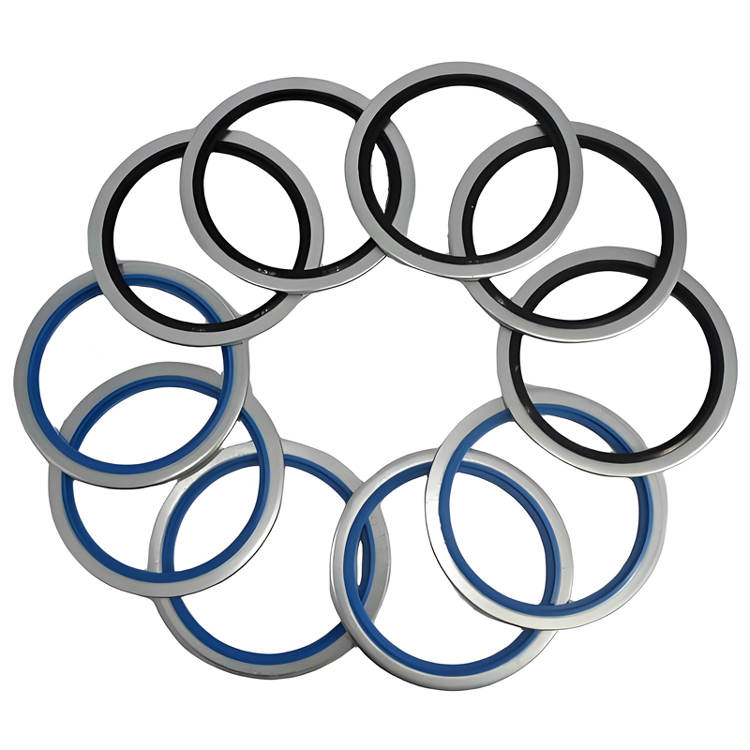
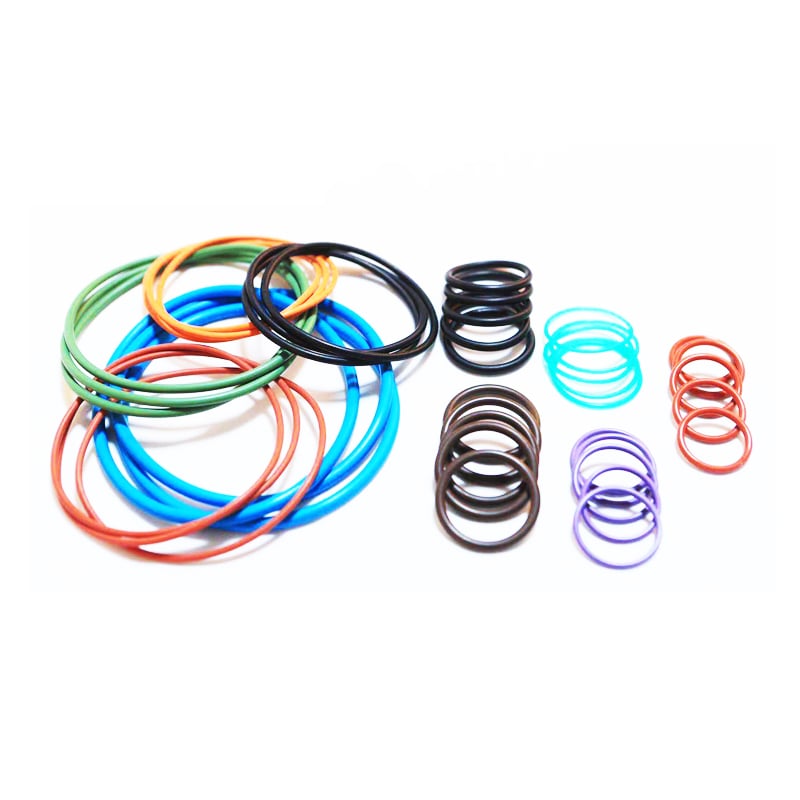
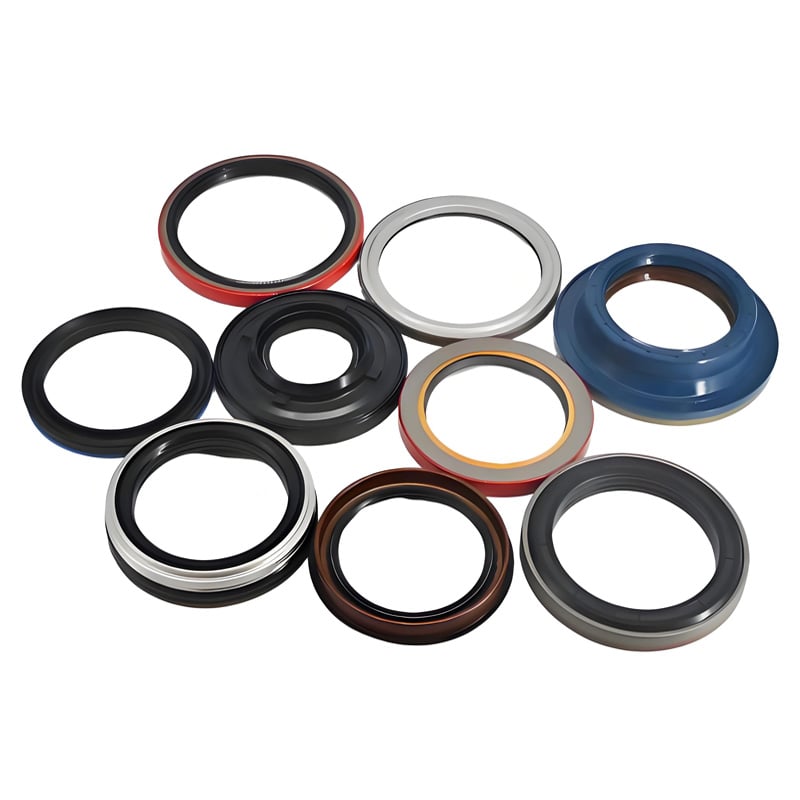
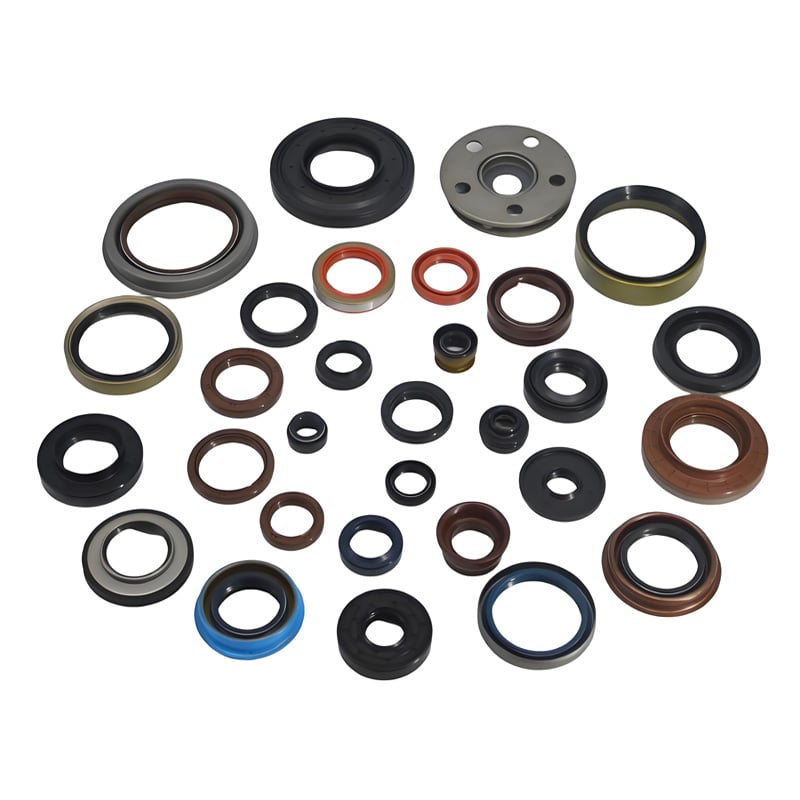
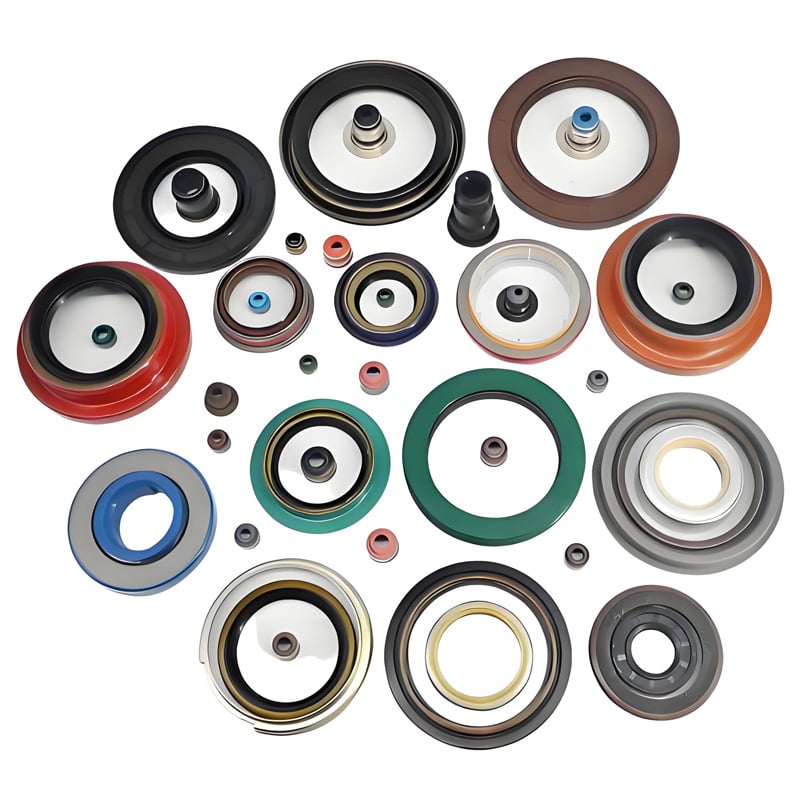
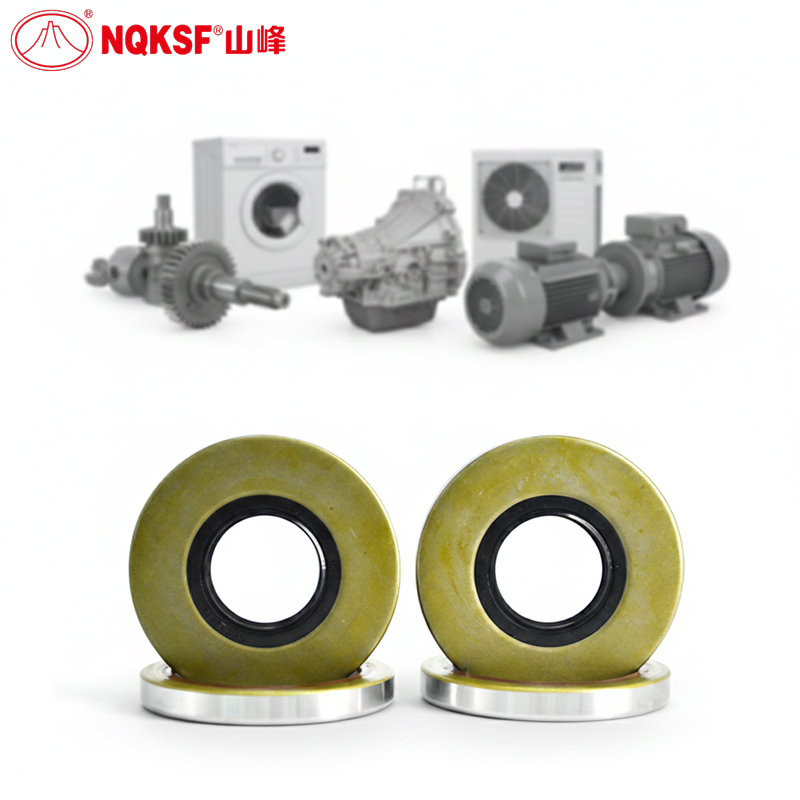
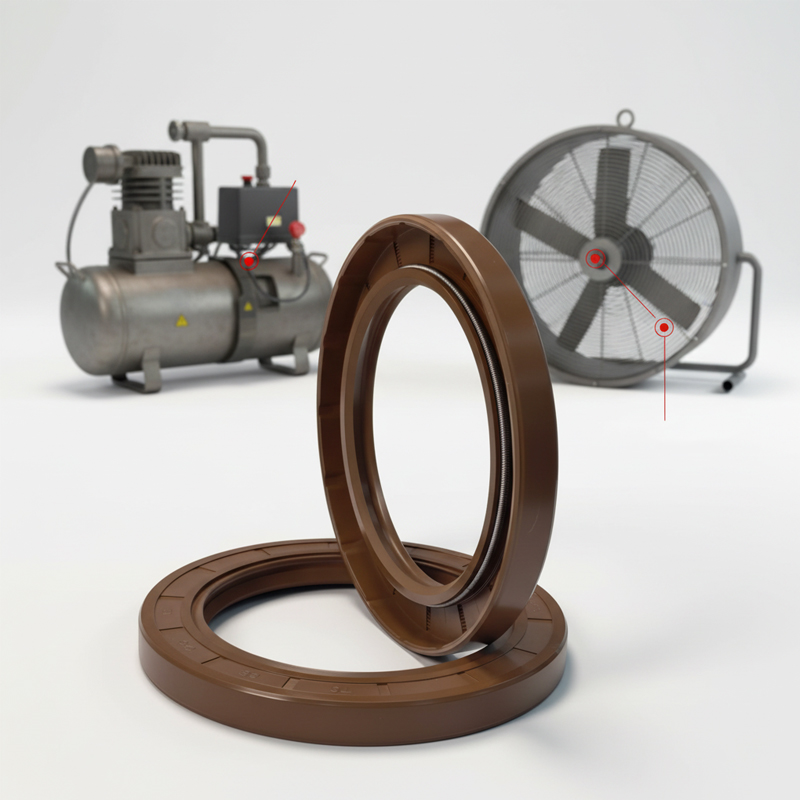
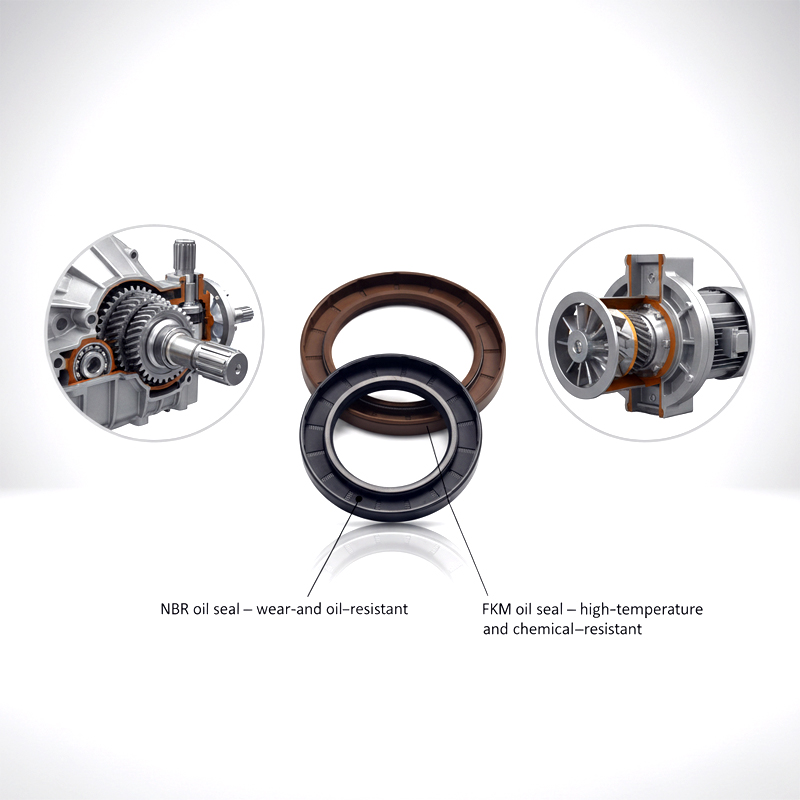
Pöörlev õlletihend on mehaaniline komponent, mille eesmärk on takistada vedeliku lekkimist pöörlevates valgustites ja seadmetes. See oluline tihendusseade säilitab süsteemi terviklikkuse, loodes barjääri pöörleva ja paigalseisva osa vahel ning takistades soovimatut õli väljumist ning samal ajal hoiates väljas kontaminaatoreid. Pöörlev õlletihend töötab lihtsa, kuid tõhusa mehhanismi põhjal, kus paindlik elastomeerist huul puudutab pöörleva valgusti pinda ja loob dünaamilise tihendi, mis kohaneb väikeste valgusti liikumistega. Pöörlev õlletihend omab tänapäevaseid tehnoloogilisi omadusi, mis tagavad usaldusväärse toimimise nõudvates rakendustes. Kaasaegsed pöörlevad õlletihendid sisaldavad kõrgklassilisi materjale, näiteks akrüül- ja butaaddiinrätikut (NBR), polüteetrafluoreetüleeni (PTFE) ning vedrukoormatud komponente, mis vastavad äärmuslikele temperatuuridele, rõhule ja keemilistele koormustele. Need tihendid säilitavad stabiilselt oma toimivuse ka siis, kui valgusti pöörlemiskiirus muutub oluliselt, tänu täpsussuunatud inseneritööle ja täiustatud konstruktsioonile. Pöörlevaid õlletihendeid kasutatakse laialdaselt tööstusmasinates, autode mootorites, hüdraulikasüsteemides ja tootmisvarustuses. Nad kaitsevad olulisi komponente pumpades, kompressorites, käigukastides ja mootorites, kus vedeliku mahutamine on oluline. Erinevad tööstusharud – alates autotööstusest kuni põllumajanduseni – sõltuvad pöörlevatest õlletihenditest, et säilitada toimivuse efektiivsust ja pikendada varustuse eluiga. Pöörleva õlletihendi tehnoloogia universaalsus teeb selle oluliseks iga pöörleva masina jaoks, mille puhul on vajalik usaldusväärne vedeliku tihenduslahendus.

 EN
EN