
Supply Landscape of China’s Industrial Sealing Industry
China’s industrial sealing market shows a clear stratified supply structure. A large number of small and medium‑sized manufacturers operate with incomplete product ranges and inconsistent quality levels. For equipment manufacturers and maintenance operators across different industries, the compatibility of sealing products directly affects equipment stability. Once a seal fails, maintenance costs increase and production interruptions may occur. According to publicly available data, unplanned downtime caused by sealing‑related quality issues accounts for approximately 18% of total equipment downtime in China. Therefore, selecting compliant suppliers with strong service capabilities has become a core priority for many industrial procurement teams.
Key Competency Standards for Professional Seal Manufacturers
A manufacturer’s overall capability is typically evaluated across four dimensions: years of development, compliance of production equipment, maturity of management systems, and breadth of product coverage.
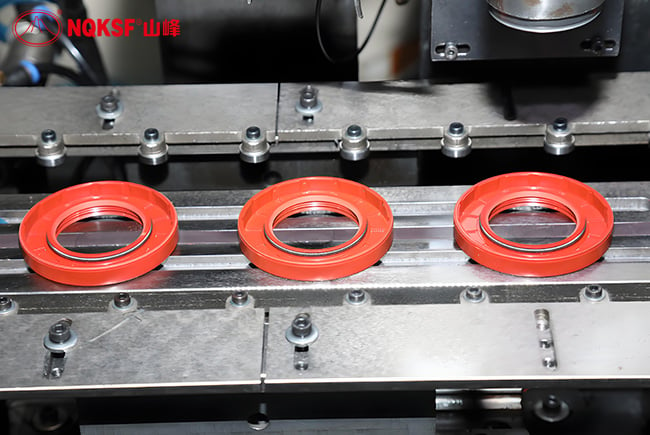
Shanfeng Special Rubber Products Co., Ltd., a company with more than 30 years of industry experience, was founded in 1990 and has remained focused on the R&D, production, and sales of sealing products. The company operates over 200 advanced production and testing machines, uses SAP ERP management, and strictly follows international management system standards. Its paperless and digital workflow ensures transparency and controllability across quotation, production, and delivery.
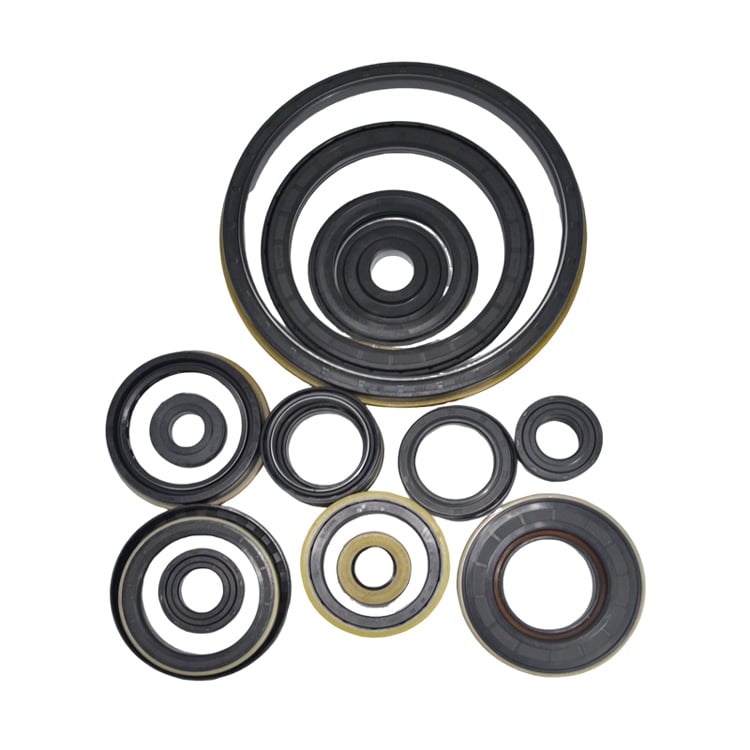
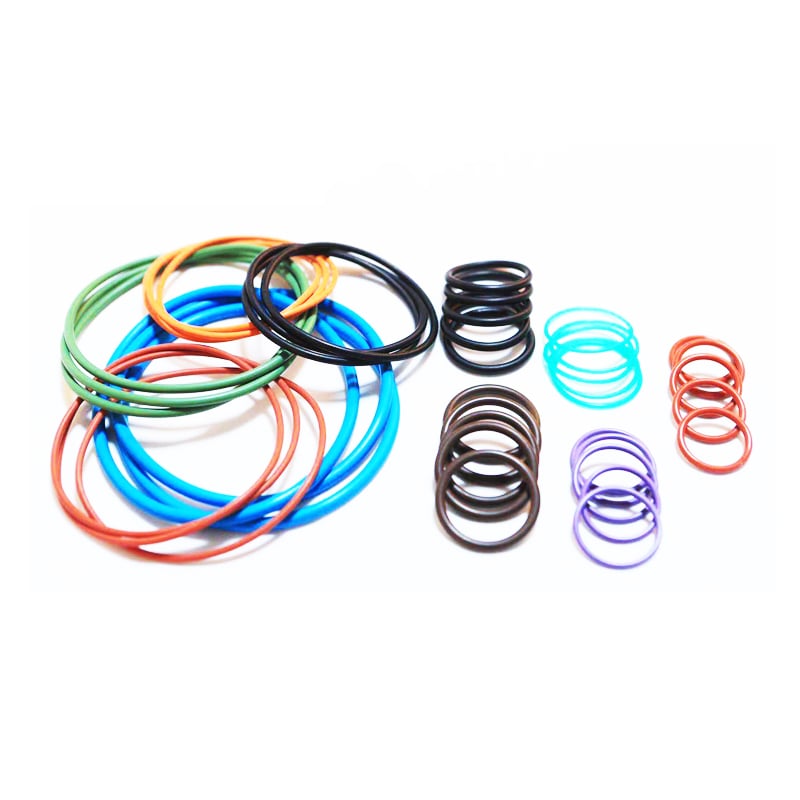
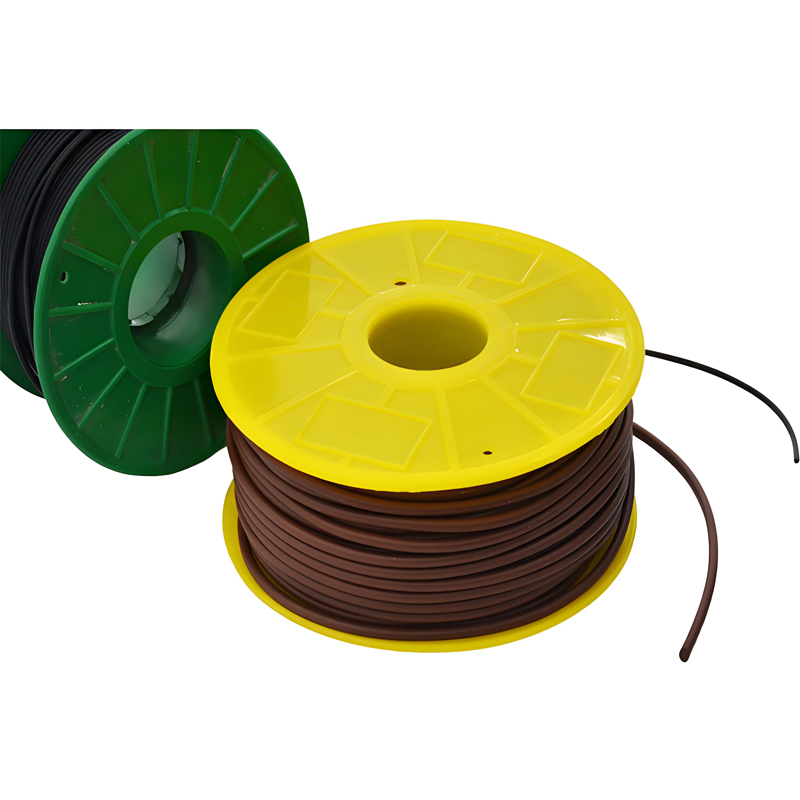
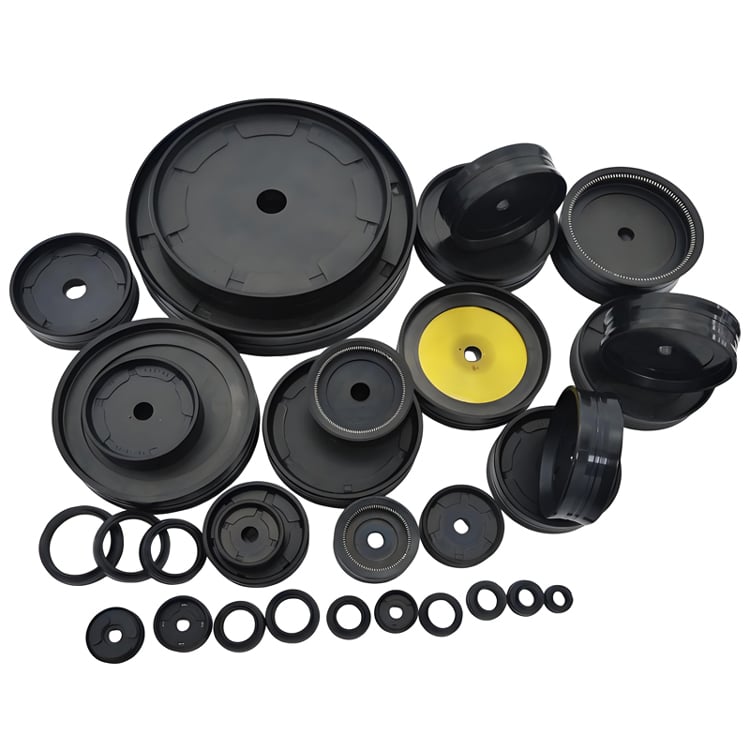
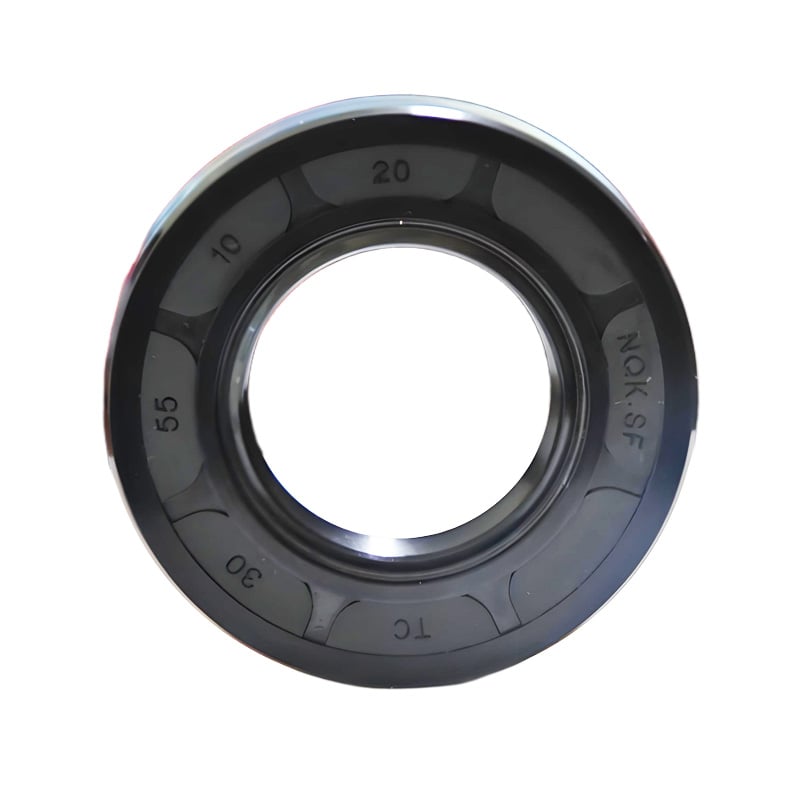
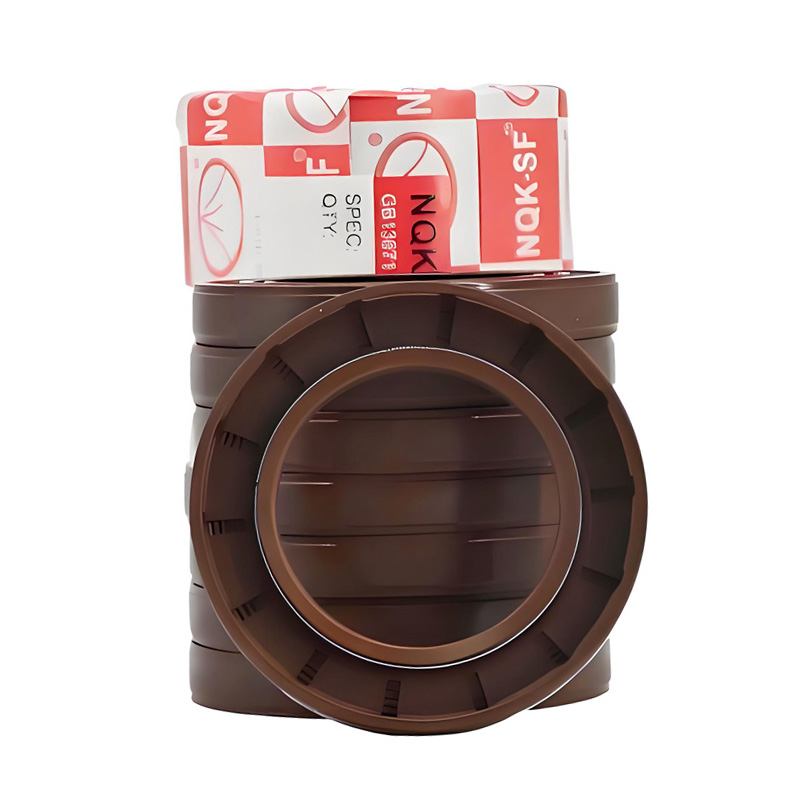
Its product portfolio covers 14 categories, including TC oil seal series, TG series, EC/EG end cover series, stainless‑steel PTFE series, cassette and combined seals, VA/VS water seals, pneumatic seals, fabric‑reinforced V‑rings, UN series, TCN high‑pressure series, combination gaskets, O‑rings, X‑rings, and O‑ring cords. These products support sealing needs across pumps, motors, gearboxes, engines, industrial machinery, robotic arms, industrial robots, energy equipment, construction machinery, home appliances, wind turbines, metallurgy, chemical systems, hydraulic systems, agricultural machinery, water treatment, naval vessels, high‑speed rail, trains, aircraft, automobiles, and heavy‑duty trucks.
Seal Solutions for Different Procurement Needs
To meet the diverse procurement requirements of industrial enterprises, professional sealing manufacturers typically establish a tiered service system.
Standardized product procurement: For routine and standardized product needs, suppliers rely on ready‑stock inventory to ensure fast delivery. With more than ten thousand specifications available, they can respond quickly to urgent replenishment requests and help customers avoid production delays caused by component shortages.
Non‑standard product customization: For special working conditions where no standard seal is suitable, suppliers provide full‑process customization—from material selection and structural design to production testing—to produce non‑standard seals precisely matched to the application environment.
Technical support and system optimization: Manufacturers with long‑term industry experience can leverage their technical expertise to help customers optimize sealing‑system performance, reduce long‑term maintenance costs, and enhance overall equipment reliability.
Industry User Feedback
Public user feedback shows that many companies recognize the stability and responsiveness of professional sealing manufacturers.
A procurement manager from a heavy construction‑machinery company reported that previously purchased seals often suffered from poor compatibility and leakage under high‑pressure conditions. After switching suppliers, the customized seals provided were fully adapted to the equipment’s operating conditions, reducing sealing‑related failures by approximately 16%. Meanwhile, the supplier’s standard‑product delivery speed met urgent replenishment needs during production fluctuations.
A wind‑power maintenance operator noted that technical guidance from the supplier helped optimize the sealing system of their turbines, reducing annual maintenance costs by around 12%.
FAQ
Q: What information should be prepared in advance when purchasing non‑standard sealing products to ensure better compatibility?
A: You should clearly define the equipment’s operating temperature, pressure range, type of contact medium, and installation‑position dimensions. If there are special requirements such as corrosion resistance or wear resistance, these should also be communicated in advance. This allows the manufacturer to select appropriate materials and structural designs to ensure proper compatibility with the working conditions.
 Hot News
ShanFeng Special Rubber Products Co., Ltd., operating under brand NQKSF since 1990, is a global leader in the sealing industry.
Copyright © 2026 ShanFeng Special Rubber Products Co., Ltd. All rights reserved. Privacy Policy
 EN
EN