
 EN
EN
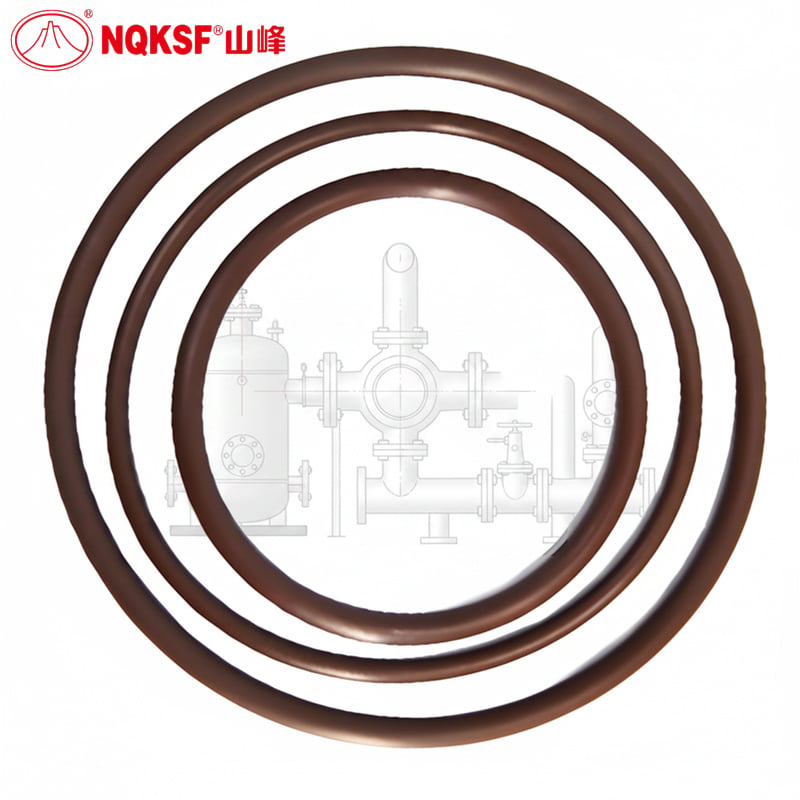
An o ring seal stands as one of the most widely adopted sealing technologies across industrial applications, yet many engineers and procurement professionals remain uncertain about how an o ring seal compares to alternative sealing methods. Understanding the distinctions between an o ring seal and other sealing solutions is critical for selecting the right technology for your specific operational requirements, environmental conditions, and performance expectations. The choice between an o ring seal and competing sealing approaches directly impacts equipment reliability, maintenance costs, and operational longevity.
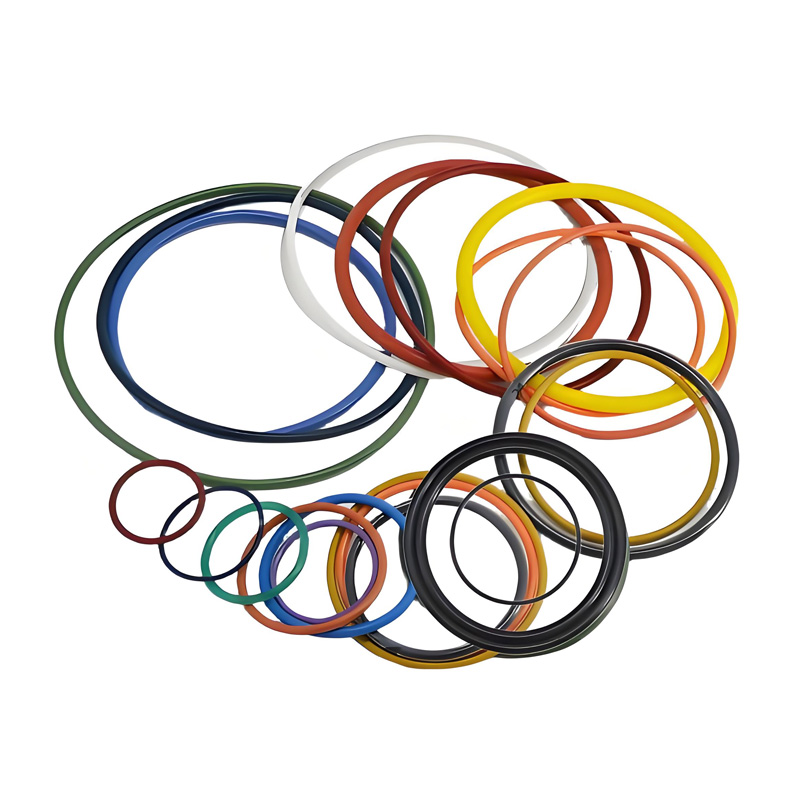
The fundamental advantage of an o ring seal lies in its simplicity, versatility, and proven performance across decades of industrial use. An o ring seal delivers exceptional sealing capability through a straightforward mechanism: a torus-shaped elastomer element compressed between two surfaces creates a dynamic or static seal without requiring complex mechanical assemblies. This straightforward design approach distinguishes an o ring seal from more complicated sealing technologies that demand intricate manufacturing, precise alignment, or specialized maintenance protocols.
Structural Design and Material Composition Differences
O Ring Seal Construction Simplicity
An o ring seal consists of a single elastomer component, typically manufactured from materials such as nitrile, EPDM, silicone, or fluorocarbon compounds. The circular cross-section of an o ring seal provides uniform load distribution and allows for consistent sealing action across its entire circumference. The manufacturing process for an o ring seal involves precision molding and quality control to ensure dimensional accuracy and material consistency. An o ring seal requires minimal secondary machining and can be produced cost-effectively in high volumes, making this technology economically attractive for widespread industrial applications.
Alternative Sealing Solution Construction
Competing sealing solutions such as mechanical seals, lip seals, and gaskets typically incorporate multiple components that must work together in coordinated fashion. Mechanical seals, for example, require rotating and stationary seal faces, springs, secondary seals, and precise rotating assemblies. Gaskets demand careful surface preparation and installation procedures to achieve effective sealing. Lip seals necessitate specific gland design and close operational tolerances. These multicomponent alternatives to an o ring seal introduce additional manufacturing complexity, higher assembly costs, and greater potential for individual component failure modes compared to the monolithic design of an o ring seal.
Performance Characteristics and Operational Advantages
Dynamic and Static Performance of O Ring Seal
An o ring seal excels in both static and dynamic sealing applications with remarkable versatility. In static conditions, an o ring seal maintains consistent sealing pressure under fixed loads with minimal maintenance intervention. In dynamic applications involving reciprocating or rotating motion, an o ring seal adapts to surface irregularities and pressure fluctuations, distributing contact forces evenly to prevent localized wear patterns. The elastomeric nature of an o ring seal provides inherent compliance that accommodates dimensional variations and manufacturing tolerances without sacrificing seal integrity. These combined advantages make an o ring seal suitable for high-frequency reciprocating pumps, rotating shafts, and fluctuating pressure environments where alternative sealing technologies would require more elaborate design accommodations.
Pressure and Temperature Operating Ranges
An o ring seal performs reliably across pressures ranging from near-vacuum conditions to ultra-high pressure applications exceeding 10,000 psi when properly gland-designed and material-selected. Temperature performance of an o ring seal varies significantly by elastomer type, with standard nitrile formulations handling temperature ranges from negative forty to two hundred seventy-five degrees Fahrenheit, while specialized elastomers extend these boundaries substantially. Alternative sealing solutions like mechanical seals often excel in extreme temperature conditions but require sophisticated cooling systems and more frequent maintenance interventions. Gaskets and lip seals typically demonstrate narrower operating windows compared to an o ring seal, particularly under dynamic pressure cycling or temperature fluctuations. The broad operational envelope of an o ring seal eliminates the need for complex environmental control systems in many applications, reducing installation and operational complexity significantly.
Cost, Maintenance, and Lifecycle Considerations
Economic Advantages of O Ring Seal Technology
An o ring seal delivers compelling economic advantages throughout its entire lifecycle compared to alternative sealing solutions. Initial material costs for an o ring seal remain significantly lower than mechanical seals or complex lip seal assemblies. Manufacturing and assembly labor for an o ring seal requires minimal specialized expertise or assembly time compared to multicomponent sealing alternatives. An o ring seal inventory management is simplified because a small number of standard sizes and material compositions serve diverse applications across manufacturing facilities. Spare part stocking for an o ring seal represents a fraction of the capital investment required for mechanical seal components or specialized gasket types. These cumulative cost factors make an o ring seal the preferred choice for cost-sensitive applications across small equipment manufacturers, maintenance departments, and industries subject to tight budget constraints.
Maintenance and Replacement Protocols
Maintenance protocols for an o ring seal remain straightforward and operator-friendly compared to competing sealing technologies. When an o ring seal requires replacement, technicians need only remove the worn elastomer and install a new component without complex disassembly procedures or specialized tools. Mechanical seals, by contrast, demand precise alignment procedures, face lapping, and sophisticated installation techniques that require trained specialists and extended downtime. Lip seals necessitate careful gland preparation and specific installation pressures to prevent damage during assembly. Gaskets require surface cleaning and specialized installation procedures to prevent leakage at reassembly. The simplicity of an o ring seal replacement translates directly into reduced maintenance labor costs, shorter equipment downtime, and lower training requirements for maintenance personnel, providing substantial operational advantages over more complex sealing alternatives throughout years of service.
Application Scenarios and Industry-Specific Suitability
Ideal Applications for O Ring Seal Performance
An o ring seal demonstrates exceptional performance in hydraulic and pneumatic systems where pressure containment and leak prevention are paramount. An o ring seal proves indispensable in rotating shaft applications, pump designs, and compressor assemblies where the dynamic sealing capability prevents gradual leakage that alternative technologies cannot reliably contain. The versatility of an o ring seal extends to food processing equipment, chemical transfer systems, and pharmaceutical manufacturing where elastomer material selections provide the necessary chemical compatibility and sterilization resistance. An o ring seal functions reliably in automotive applications, aerospace equipment, and subsea environments where proven reliability and established qualification standards provide regulatory confidence and operational assurance.
When Alternative Sealing Solutions Outperform
Mechanical seals occasionally outperform an o ring seal in extreme temperature environments exceeding elastomer operational limits or in applications involving abrasive slurry handling where elastomer surfaces would experience unacceptable wear. Lip seals may provide superior radial runout tolerance compared to an o ring seal in certain reciprocating applications involving oversized shafts or severely worn shaft surfaces. Gaskets remain appropriate for static flange connections where installation simplicity and cost minimization override sealing performance optimization. However, these alternative sealing solutions carry compensating disadvantages in complexity, maintenance burden, or lifecycle cost that make an o ring seal the more logical choice for the vast majority of industrial sealing requirements. Engineers should evaluate each application systematically rather than defaulting to alternative sealing solutions without rigorously comparing total lifecycle performance and economic implications against proven o ring seal performance.
FAQ
What makes an o ring seal more economical than mechanical seals?
An o ring seal costs significantly less to manufacture, inventory, and replace compared to mechanical seals. Mechanical seal assemblies require multiple precision-machined components, specialized installation expertise, and frequently demand coolant systems or sophisticated auxiliary equipment. An o ring seal eliminates these complications through monolithic elastomer design, reducing material costs by sixty to eighty percent and minimizing installation labor requirements substantially, resulting in lower total cost of ownership across multi-year equipment operation.
Can an o ring seal handle extreme temperature applications?
Standard elastomer compounds for an o ring seal accommodate temperatures from negative forty to two hundred seventy-five degrees Fahrenheit adequately. However, applications exceeding these boundaries require specialized elastomer selections such as perfluoroelastomer compounds or custom formulations that extend temperature performance significantly. While mechanical seals occasionally provide superior performance in extreme cryogenic or ultra-high-temperature conditions, an o ring seal with proper material selection resolves the majority of demanding temperature applications without requiring expensive alternative sealing technologies.
How does an o ring seal perform in reciprocating pump applications?
An o ring seal demonstrates exceptional performance in reciprocating pumps because the elastomeric material naturally accommodates dynamic pressure fluctuations and cylinder wear patterns. The elastic properties of an o ring seal allow continuous microscopic adjustment to surface variations, preventing the galling or intermittent contact failures that can plague lip seals or mechanical designs. High-frequency reciprocating motions often prefer an o ring seal specifically because the proven reliability and minimal maintenance requirements make an o ring seal the standard technology across pump manufacturing worldwide.