
 EN
EN
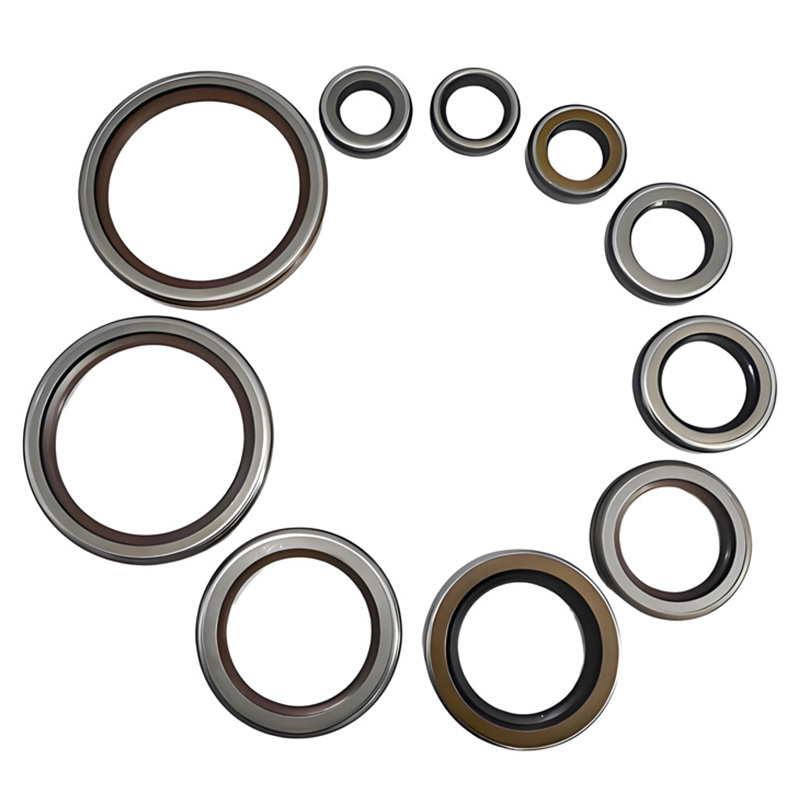
A high pressure oil seal operates in demanding industrial environments where failure can lead to costly downtime, environmental contamination, and worker safety risks. Understanding the safety factors that govern high pressure oil seal performance is essential for engineers, maintenance teams, and procurement professionals who specify seals for hydraulic systems, compressors, pumps, and rotating machinery. The safety of your equipment depends directly on selecting and maintaining a high pressure oil seal that matches your system's specific operational demands.
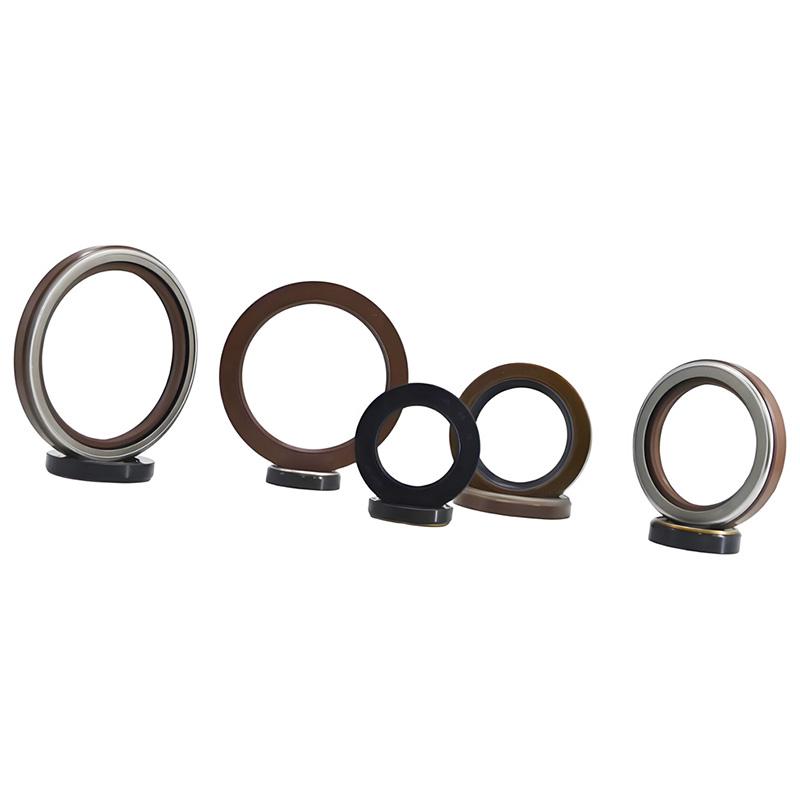
The complexity of high pressure oil seal selection extends beyond simply choosing a component rated for your system pressure. A high pressure oil seal must accommodate material expansion, thermal cycling, fluid compatibility, dynamic loading, and installation precision all simultaneously. Overlooking any single safety factor can compromise seal integrity and trigger catastrophic failure, which is why systematic evaluation of high pressure oil seal requirements must be part of every design and maintenance decision.
Pressure Rating and System Compatibility
Understanding Design Pressure Limits
Every high pressure oil seal carries a rated maximum pressure, typically expressed in bar, PSI, or MPa, that defines the seal's safe operating envelope. This rating represents the pressure at which a high pressure oil seal maintains structural integrity while containing fluid within the sealed chamber without extrusion or permanent deformation. The design margin for a high pressure oil seal typically includes a safety factor between 1.5 and 2.5, meaning the rated pressure reflects testing performed well above typical operating conditions. Selecting a high pressure oil seal with a pressure rating lower than your peak system pressure creates immediate risk, while significantly over-specifying a high pressure oil seal adds unnecessary cost without improving safety.
Transient Pressure Spikes and Dynamic Events
Industrial systems rarely operate at constant pressure. Pump start-up surges, sudden load changes, directional valve switching, and thermal expansion all create transient pressure events that can exceed average operating pressure by 20% to 40%. A high pressure oil seal must withstand these peaks without permanent damage or leakage. System pressure profiles must be fully characterized before selecting a high pressure oil seal, including identification of peak pressures, frequency of pressure transients, and duration of high-pressure cycles. When in doubt, specify a high pressure oil seal with a rating 15% to 25% above your calculated peak pressure to provide protection against unexpected surge conditions.
Temperature Effects and Material Stability
Operating Temperature Range
Temperature significantly affects high pressure oil seal performance because elastomer materials expand and contract with heat, and fluid viscosity changes dramatically across the operating range. A high pressure oil seal designed for 40°C operation may harden and lose flexibility at 60°C, or become too soft and lose load-carrying capacity at 20°C. The glass transition temperature, melting point, and thermal stability of seal materials establish hard boundaries beyond which a high pressure oil seal cannot reliably function. Most industrial high pressure oil seal materials operate safely between –20°C and 100°C, but confirm the specific temperature envelope for your seal material before installation. Even temporary excursions beyond the rated range can permanently damage a high pressure oil seal's elastomer structure.
Thermal Stress and Seal Degradation
Repeated cycling between temperature extremes accelerates degradation of high pressure oil seal materials through a process called thermal cycling fatigue. Each temperature cycle causes differential expansion and contraction between the seal, housing, and rotating shaft, creating microscopic cracks and stress concentrations that eventually lead to seal failure. A high pressure oil seal subjected to frequent thermal cycling has a shorter service life than one operating at constant temperature. Installations where process cooling cycles or seasonal temperature swings are common should specify high pressure oil seal materials with superior thermal stability, such as specialized elastomers or composite materials rated for extended thermal cycling.
Material Compatibility and Fluid Chemistry
Seal Material Selection for Specific Fluids
The hydraulic fluid or oil contained by your high pressure oil seal can interact with the seal material through absorption, swelling, hardening, or chemical degradation. A high pressure oil seal manufactured from standard nitrile rubber may swell excessively when exposed to certain synthetic hydraulic fluids, compromising the seal's compression and load-bearing capability. Conversely, aggressive ester-based fluids or harsh process oils can degrade the elastomer backbone of a high pressure oil seal, reducing flexibility and promoting cracking. Before installation, verify that your selected high pressure oil seal material is chemically compatible with the specific fluid in your system by consulting the seal manufacturer's compatibility charts or requesting laboratory compatibility testing.
Contamination and Seal Surface Degradation
Foreign particles, water ingress, and oxidized fluid degradation products can accumulate on the sealing surfaces of a high pressure oil seal, causing abrasive wear that progressively reduces sealing effectiveness. A high pressure oil seal with embedded particulate contamination loses its smooth contact geometry and begins to leak long before the elastomer material reaches the end of its chemical life. System filtration downstream of pumps and upstream of sensitive components is critical for protecting your high pressure oil seal investment. Implementing magnetic strainers, offline kidney-loop filtration, and regular fluid analysis programs extends high pressure oil seal service life by preventing contaminant accumulation on sealing surfaces.
Installation and Mechanical Integrity
Surface Finish and Shaft Geometry Requirements
A high pressure oil seal depends on a smooth, precisely finished shaft surface to maintain continuous contact and prevent leakage. Shaft surface roughness typically must be maintained between Ra 0.4 and 1.6 micrometers for proper high pressure oil seal function; rougher surfaces can score and damage the seal lip during installation or early operation. Shaft runout, taper, and eccentricity also affect high pressure oil seal performance because any deviation from perfect roundness causes the seal lip to lose contact intermittently, allowing fluid leakage. Before installing a high pressure oil seal, verify shaft surface finish with a profilometer and confirm shaft geometry within required tolerances using precision measurement equipment.
Installation Damage Prevention
The moment of high pressure oil seal installation creates critical risk for mechanical damage that can compromise seal performance immediately or cause premature failure days or weeks later. Sharp edges on shaft key slots, threads, or snap ring grooves can cut or tear the seal lip during installation, creating a leak path that persists throughout the seal's operational life. Installing a high pressure oil seal requires careful shaft preparation, use of proper installation tools or tapered sleeves to guide the seal onto the shaft without damaging the lip, and verification that the seal seats properly in the gland. Many high pressure oil seal failures trace directly to installation damage that was not immediately visible but progressively worsened under pressure and temperature cycling.
FAQ
What pressure rating should I choose for my high pressure oil seal?
Select a high pressure oil seal with a rated pressure 15% to 25% above your system's calculated peak pressure, including all transient spikes and surge events. Consult pressure profile data from your system design to identify maximum pressures, and verify compatibility between seal material, fluid type, and operating temperature before finalizing the high pressure oil seal specification.
How does temperature affect high pressure oil seal lifespan?
Higher operating temperatures accelerate chemical degradation of high pressure oil seal elastomer material and reduce the viscosity of sealing fluid, increasing internal leakage rates. Each 10°C increase above the optimum temperature typically reduces high pressure oil seal service life by 30% to 50%, depending on material chemistry. Maintain system temperature as close as possible to the seal manufacturer's recommended operating range to maximize high pressure oil seal durability.
Can I reuse a high pressure oil seal after removing it from service?
No, a high pressure oil seal should never be reused after removal from service. Once removed, the elastomer has likely begun stress-relaxation, compression set has increased, and microscopic surface damage or contamination may be present. Always install a new high pressure oil seal to ensure reliable performance and avoid expensive downtime from premature leakage or catastrophic failure.