
 EN
EN
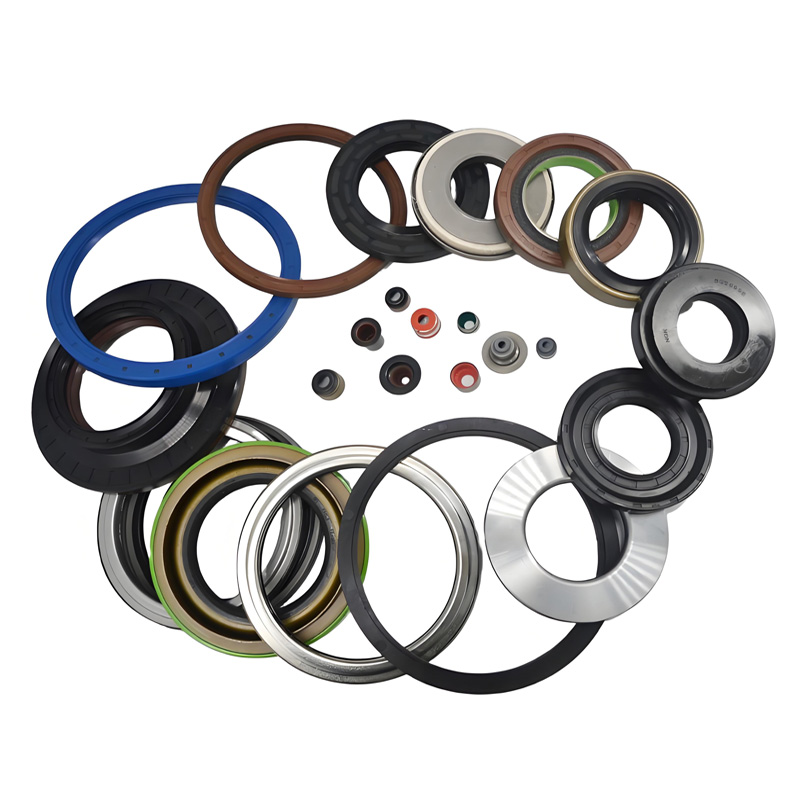
Identifying a genuine auto oil seal in the aftermarket is critical for maintaining engine reliability and preventing costly damage. Counterfeit and substandard auto oil seals flood the market, creating substantial risk for fleet managers, independent repair shops, and vehicle owners seeking replacement parts. An inferior auto oil seal will fail prematurely, leading to oil leakage, engine contamination, and potential catastrophic engine failure. Understanding how to verify the authenticity and quality of an auto oil seal before installation protects your investment and ensures long-term engine performance.
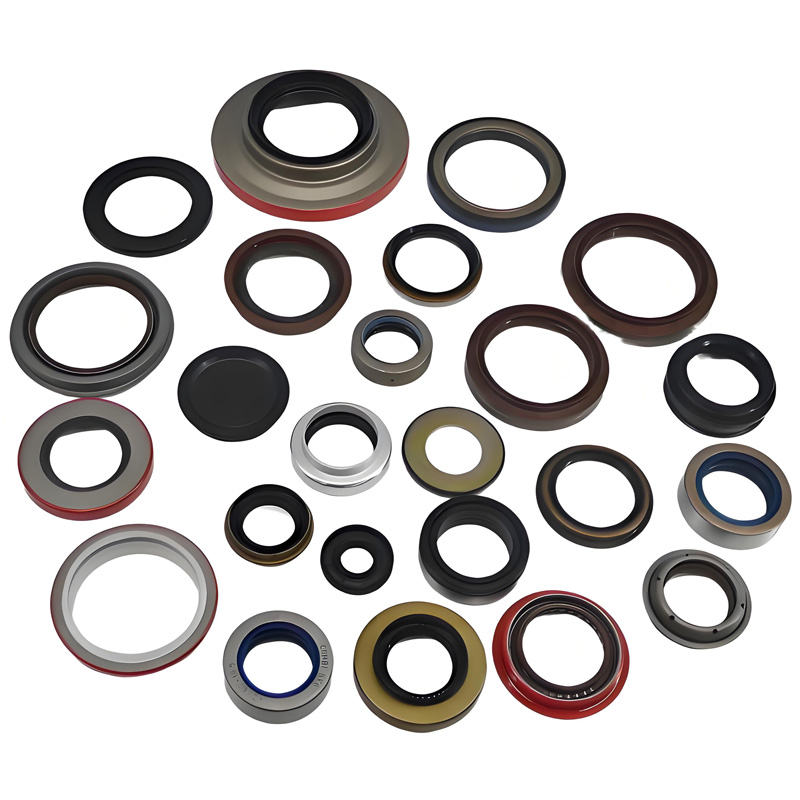
The aftermarket for auto oil seals is vast and unregulated in many regions, making it essential to develop expertise in product inspection and supplier vetting. A genuine auto oil seal meets original equipment manufacturer (OEM) specifications for material composition, dimensional accuracy, and pressure tolerance. This guide provides industrial buyers and technicians with practical methods to verify authenticity and distinguish high-quality auto oil seal products from counterfeits and inferior alternatives that may compromise engine integrity.
Understanding Auto Oil Seal Specifications and Standards
Material Composition and Design Markers
A genuine auto oil seal is manufactured from precisely specified elastomer materials, typically nitrile rubber (NBR) or fluorocarbon (FKM), selected for temperature stability and chemical resistance. The material of an authentic auto oil seal should feel uniformly firm yet slightly flexible, with consistent color and surface texture. Counterfeit auto oil seal products often use lower-grade rubber compounds that feel either too rigid or too soft, indicating inferior material quality. The inner and outer surfaces of a genuine auto oil seal will show consistent manufacturing marks and precise edge finishing, whereas counterfeit auto oil seal samples frequently display rough edges, inconsistent coloring, or visible manufacturing defects.
Dimensional Accuracy and Tolerance Verification
Genuine auto oil seal components must conform to exact dimensional specifications for bore diameter, outer diameter, and axial thickness. Using a precision caliper or micrometer to measure an auto oil seal against the manufacturer's printed specifications is one of the most reliable verification methods available. A genuine auto oil seal will fall within the OEM tolerance range (typically ±0.05mm to ±0.1mm depending on the seal type), while counterfeit auto oil seal products frequently deviate by 0.2mm or more. This dimensional variance may allow the counterfeit auto oil seal to initially install, but poor fit typically results in premature leakage and seal failure within months of service.
Visual Inspection Techniques for Authenticity
Packaging, Labeling, and Documentation Standards
Authentic auto oil seal packaging includes clearly printed part numbers, OEM cross-reference information, and manufacturing date codes that correspond to verifiable production records. A genuine auto oil seal package will display consistent printing quality, proper font sizing, and accurate color reproduction of any brand logos. Counterfeit auto oil seal packaging often shows blurry printing, incorrect spelling, misaligned text, or font sizes that do not match genuine OEM standards. Request documentation from your supplier showing batch traceability for the auto oil seal; reputable distributors maintain certificates of conformance and can trace each auto oil seal back to the manufacturing facility and production date.
Surface Finish and Wear Lip Integrity
The dynamic wear lip of a genuine auto oil seal exhibits a smooth, uniform working surface with no visible cracks, voids, or material separations. When inspecting an auto oil seal under magnification, the wear lip should display a polished appearance consistent with controlled manufacturing conditions. Counterfeit auto oil seal products frequently show visible defects including micro-cracking, inconsistent lip thickness, or incomplete material coverage. The static sealing surfaces of an authentic auto oil seal will show uniform color and surface finish, while inferior auto oil seal counterfeits may display spotting, discoloration, or areas where the elastomer material appears compromised or degraded.
Supplier Verification and Purchase Practices
Establishing Direct Supply Chain Relationships
Purchasing auto oil seal components from authorized distributors and certified suppliers significantly reduces the risk of receiving counterfeit products. A reputable auto oil seal supplier maintains ISO certifications, provides technical documentation, and stands behind product warranty commitments. Before ordering an auto oil seal in volume, request samples from the prospective supplier and conduct independent verification testing. Genuine auto oil seal suppliers welcome technical scrutiny and are prepared to provide dimensional verification reports, material test certificates, and traceability documentation for any auto oil seal shipment.
Performance Testing and Field Validation
Installing a test sample of an auto oil seal in a non-critical application or test engine allows you to verify performance before committing to large inventory purchases. Monitor the trial auto oil seal installation for oil leakage, noise, and operating temperature stability over an extended service period. A genuine auto oil seal will maintain oil containment under operating pressure, while counterfeit auto oil seal products often begin leaking within the first few hundred hours of operation. Document performance data for future reference and comparison; this field experience becomes invaluable for training technicians to recognize quality differences between an authentic auto oil seal and inferior alternatives.
FAQ
What are the main signs that an auto oil seal is counterfeit?
Counterfeit auto oil seals typically display incorrect dimensional measurements (deviation 0.2mm), poor material quality (too rigid or too soft), blurry or misspelled packaging labels, and visible manufacturing defects like rough edges or material voids. Additionally, counterfeit auto oil seal products often fail to provide verifiable batch traceability, certificates of conformance, or accurate part number documentation. Requesting dimensional verification and material certifications from your supplier immediately exposes counterfeit auto oil seal products before they enter your supply chain.
How can I verify that an auto oil seal meets OEM specifications?
Obtain the original equipment manufacturer's technical datasheet for the specific auto oil seal model and cross-reference the bore diameter, outer diameter, thickness, material composition, and pressure rating. Use precision measuring instruments to verify that your auto oil seal sample falls within the stated tolerance ranges. Contact the OEM directly or consult an authorized distributor to confirm that the auto oil seal part number and batch code match current production records. A genuine auto oil seal supplier will provide certificates of conformance and material testing reports upon request.
Where should I purchase auto oil seals to ensure authenticity?
Purchase auto oil seal products from authorized OEM distributors, ISO-certified aftermarket suppliers, or direct manufacturer channels that maintain documented supply chain oversight. Avoid purchasing auto oil seals from unverified online marketplaces or third-party resellers without clear credentials or traceability documentation. Request supplier credentials, warranty terms, and batch-level traceability before placing orders; reputable suppliers understand these requirements and respond promptly with comprehensive documentation for every auto oil seal shipment.