
 EN
EN
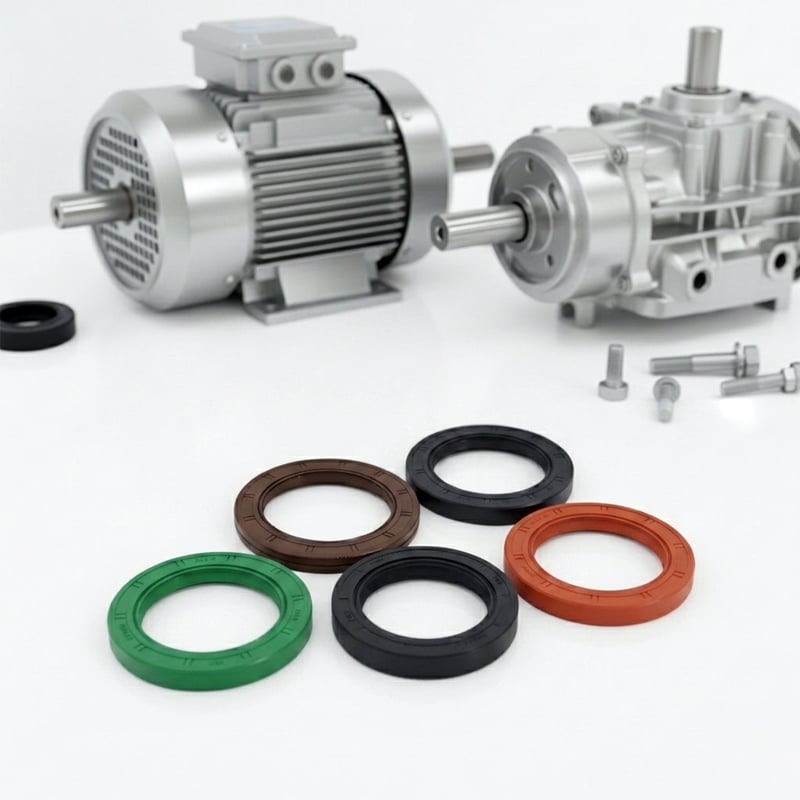
The selection of the right rubber oil seal is critical for maintaining equipment reliability and operational efficiency in demanding industrial environments. When machinery operates in oily media, the rubber oil seal must withstand continuous exposure to lubricants, hydraulic fluids, and other petroleum-based substances while maintaining a tight, leak-free barrier. NBR, also known as nitrile rubber, has become the industry standard for this application because it offers superior resistance to oil degradation and maintains its sealing properties across a wide temperature range. Understanding the specific advantages of an NBR rubber oil seal in oily media helps engineers and procurement professionals make informed decisions that directly impact equipment longevity and operational costs.
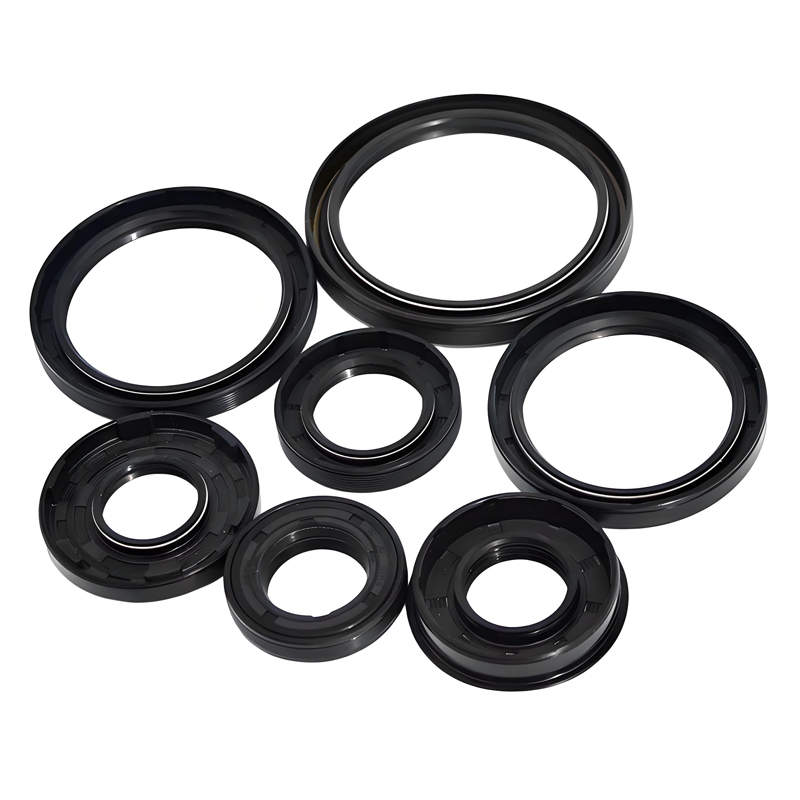
An NBR rubber oil seal combines chemical stability with mechanical durability, making it the preferred choice for sealing applications where constant oil contact is unavoidable. The performance characteristics of a rubber oil seal extend far beyond simple barrier functionality; it must resist swelling, maintain elasticity, and preserve its dimensional integrity under sustained pressure and temperature fluctuations. In industrial settings such as automotive transmissions, hydraulic systems, compressors, and pumps, the rubber oil seal serves as the frontline defense against leakage and contamination. This article explores the comprehensive advantages that make NBR rubber oil seal technology essential for professionals managing equipment in oily media environments.
Superior Oil Resistance and Chemical Stability
Extended Service Life in Petroleum Environments
The primary advantage of using an NBR rubber oil seal in oily media is its exceptional resistance to petroleum products and synthetic lubricants. NBR material exhibits low permeability to mineral oils, which means the rubber oil seal resists swelling and degradation even after prolonged immersion. Unlike elastomers such as natural rubber or neoprene, an NBR rubber oil seal maintains its dimensional stability and mechanical properties when exposed to conventional hydraulic fluids and engine oils. This chemical compatibility ensures that the rubber oil seal does not absorb fluids, which would cause it to expand and lose its precise sealing fit. Industrial facilities report significantly longer seal replacement intervals when deploying NBR rubber oil seal solutions, directly translating to reduced maintenance downtime and lower operational costs.
Predictable Performance Across Oil Types
Different industrial applications use varying oil formulations, from mineral-based hydraulic fluids to synthetic variants. An NBR rubber oil seal performs consistently across this spectrum of oily media because nitrile rubber chemistry provides broad compatibility without material degradation. The rubber oil seal maintains its elasticity and does not become brittle or excessively soft when exposed to different oil types. This predictability means that equipment manufacturers and operators can confidently specify an NBR rubber oil seal without needing to reformulate sealing strategies for every lubricant change. The chemical stability of the rubber oil seal also reduces the risk of seal failure modes caused by incompatibility, such as permanent set or loss of sealing contact.
Temperature Range and Mechanical Performance
Wide Operating Temperature Window
An NBR rubber oil seal delivers reliable performance across a broader temperature range than many competing elastomers, typically functioning effectively from minus 40 degrees Celsius to plus 100 degrees Celsius. In oily media applications where machinery generates substantial heat, the rubber oil seal must maintain its sealing force and elasticity without hardening or becoming too compliant. The nitrile polymer backbone of an NBR rubber oil seal provides inherent flexibility at low temperatures while retaining structural integrity at elevated temperatures. This wide operating window eliminates the need for multiple seal designs based on seasonal or operational temperature variations. Engineers designing thermal management for equipment can rely on a single rubber oil seal specification rather than maintaining multiple seal inventories, streamlining procurement and field maintenance procedures.
Durability Under Pressure and Dynamic Motion
Industrial sealing demands extend beyond static pressure resistance; many oily media applications involve dynamic motion, reciprocating shafts, and variable pressure cycles. An NBR rubber oil seal exhibits excellent resistance to extrusion and maintains contact geometry even under fluctuating pressure profiles. The material properties of the rubber oil seal allow it to accommodate minor shaft runout and minor surface imperfections without compromising sealing effectiveness. In hydraulic cylinders, rotary pumps, and sliding mechanisms, the rubber oil seal must flex and move while continuously blocking fluid leakage. NBR's combination of moderate stiffness and resilience makes the rubber oil seal ideal for these demanding dynamic scenarios where lower-grade elastomers would experience premature wear or failure.
Cost-Effectiveness and Industrial Reliability
Favorable Durability-to-Cost Ratio
The economic argument for specifying an NBR rubber oil seal in oily media applications centers on the balance between initial material cost and extended operational life. While specialized elastomers may offer marginal advantages in extreme conditions, the rubber oil seal made from NBR provides exceptional value through reliability and predictable service intervals. Industrial maintenance budgets benefit from longer seal replacement cycles, which reduce both parts inventory costs and labor expenses associated with frequent seal changes. The rubber oil seal manufacturing process for NBR is well-established and highly efficient, resulting in competitive pricing across the global supply base. For facilities operating dozens or hundreds of sealed devices, selecting the rubber oil seal engineered from NBR rather than premium or proprietary materials translates into significant cumulative savings without sacrificing performance or reliability.
Industry Standardization and Availability
The widespread adoption of NBR technology means that the rubber oil seal is available in virtually every size, configuration, and pressure rating required by modern industrial equipment. Standardization around the rubber oil seal based on NBR ensures rapid procurement, straightforward replacement procedures, and minimal supply chain risk. Maintenance teams can confidently order a rubber oil seal knowing that the material specification, performance envelope, and replacement protocol are clearly established. The rubber oil seal solutions available from qualified manufacturers have been validated across thousands of industrial applications, reducing the uncertainty and risk associated with seal selection. This standardization also supports knowledge sharing within the industry, as technicians readily understand NBR rubber oil seal behavior, installation requirements, and maintenance best practices.
Environmental and Operational Advantages
Compatibility with Maintenance Protocols
Industrial facilities maintain established cleaning, lubrication, and maintenance schedules that have been optimized around conventional materials. An NBR rubber oil seal integrates seamlessly into these existing protocols because nitrile rubber responds predictably to standard industrial lubricants and cleaning agents. The rubber oil seal does not require special handling, storage, or pre-installation preparation steps that might disrupt maintenance workflows. Installation crews can deploy the rubber oil seal using conventional tools and methods without requiring additional training or procedural modifications. This operational compatibility means that adopting NBR rubber oil seal technology does not impose hidden costs or workflow disruptions that reduce the economic advantage of the material choice.
Reduced Leakage and Environmental Compliance
Industrial regulations increasingly mandate environmental responsibility and contamination prevention, particularly in facilities handling significant quantities of oily media. An NBR rubber oil seal minimizes leakage through superior sealing consistency, which reduces both product loss and environmental exposure. The rubber oil seal's reliable performance reduces the frequency of unplanned failures that might result in fluid spillage or operational shutdowns. Facilities deploying high-quality NBR rubber oil seal solutions can document lower leak rates and demonstrate compliance with environmental monitoring standards. The rubber oil seal engineered from nitrile polymer contributes to facility sustainability goals while protecting equipment from internal contamination caused by ingress of external contaminants into sealed compartments.
FAQ
Can an NBR rubber oil seal work in both mineral and synthetic oils?
Yes, an NBR rubber oil seal demonstrates excellent compatibility with both mineral-based hydraulic fluids and synthetic oil formulations. The nitrile polymer chemistry provides consistent resistance to a broad spectrum of petroleum products without significant swelling or degradation. While certain extreme synthetic formulations may require specialized elastomers, a standard NBR rubber oil seal handles the vast majority of industrial lubricants reliably. Field experience across automotive, hydraulic, and industrial machinery applications confirms that the rubber oil seal performs dependably across diverse oil types commonly encountered in industrial settings.
What temperature range can an NBR rubber oil seal maintain effective sealing?
An NBR rubber oil seal typically maintains effective sealing performance between minus 40 degrees Celsius and plus 100 degrees Celsius. Within this range, the rubber oil seal preserves its elasticity and sealing contact geometry without significant performance degradation. The material properties of nitrile allow the rubber oil seal to remain flexible at the lower end while maintaining structural integrity at elevated temperatures. For applications operating outside this range, specialized elastomers may be necessary, but the standard NBR rubber oil seal covers the majority of conventional industrial machinery operating in oily media environments.
How does NBR rubber oil seal performance compare to natural rubber in oily applications?
An NBR rubber oil seal significantly outperforms natural rubber in oily media because nitrile polymer resists absorption and swelling caused by petroleum products. Natural rubber seals absorb mineral oils readily, causing dimensional expansion that compromises sealing effectiveness and shortens service life. An NBR rubber oil seal maintains dimensional stability and chemical resistance under prolonged oil exposure, delivering service intervals two to three times longer than natural rubber alternatives. For industrial applications where equipment operates continuously in oily media, selecting an NBR rubber oil seal rather than natural rubber represents the clear choice for reliability and cost-effectiveness.