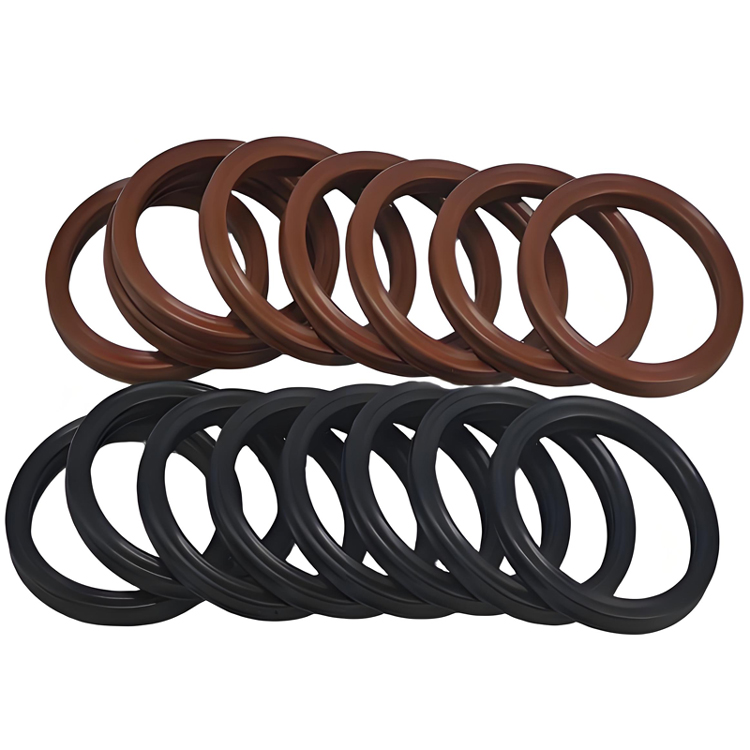

Kad inženjeri biraju čvrstinski element, obično traže rješenje koje može održati učinak čvrstine dok se prilagođava različitim radnim uvjetima. To je jedan od razloga zašto se o-prstenovi široko koriste u statičkim i dinamičkim primjenama.
Glavna prednost o prstena dolazi od jednostavnog kružnog dizajna. Kada se instalira u pravilno dizajniranom žlijezdu, gumeni prsten se komprimira i stvara kontinuirani kontakt s zapečaćivanjem površina. Ovaj kontakt sprečava prolaz tekućine ili plina kroz otvor za zapečaćivanje.
Jednostavan sustav s fleksibilnim primjenama
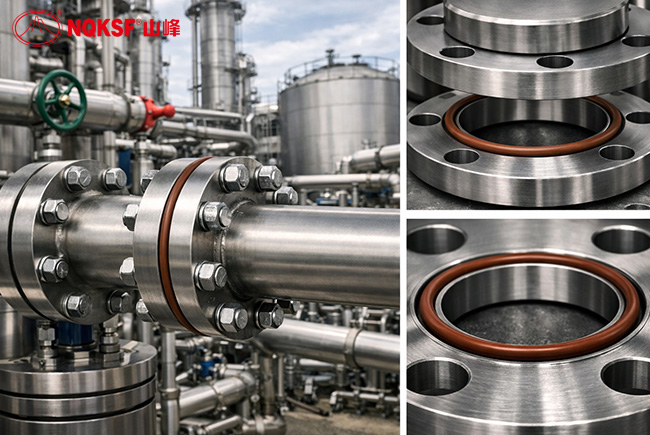
U statičkim primjenama, kao što su flange, poklopci i fiksne veze, O-prsten ostaje komprimiran između dva stacionarna dijela. Elastičnost pomaže u kompenzaciji malih nepravilnosti površine i održavanju zatvaranja.
Dinamičke primjene izazovnije su jer čvrstinski element mora raditi dok se dijelovi kreću jedni prema drugima. U hidrauličkim cilindrima i sličnim sustavima, o-prstenovi se mogu koristiti za određene obrte pokrete kada su dizajn žlijezda, materijal i uvjeti podmazivanja prikladni.
Materijal i dizajn određuju performanse
Iako je struktura O-prstenja jednostavna, njegova učinkovitost ovisi o mnogim detaljima.
Izbor materijala utječe na otpornost na temperaturu, pritisak i kemijske medije. Dimenzije žlijezda, površna obrada, razina komprimiranja i brzina rada također utječu na pouzdanost zatvaranja.
To znači da O-prsten nije jednostavno gumeni prsten postavljen između komponenti. To je čvrstina koja djeluje kombiniranjem svojstava materijala, mehaničkog dizajna i radnih uvjeta.
Ta ravnoteža između jednostavnosti i prilagodljivosti glavni je razlog zbog kojeg se prstenovi i dalje koriste u mnogim industrijskim aplikacijama za zapečaćivanje.
 Vruće vijesti
ShanFeng Special Rubber Products Co., Ltd., koji radi pod brendom NQKSF od 1990., je globalni vodeći u industriji zatvaralica.
Copyright © 2026 ShanFeng Special Rubber Products Co., Ltd. All rights reserved. Politika privatnosti
 EN
EN