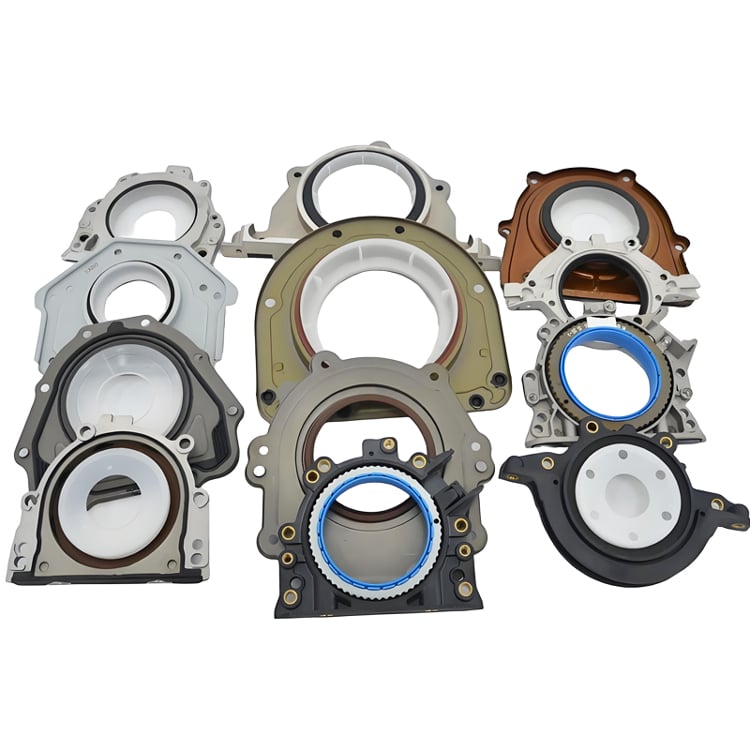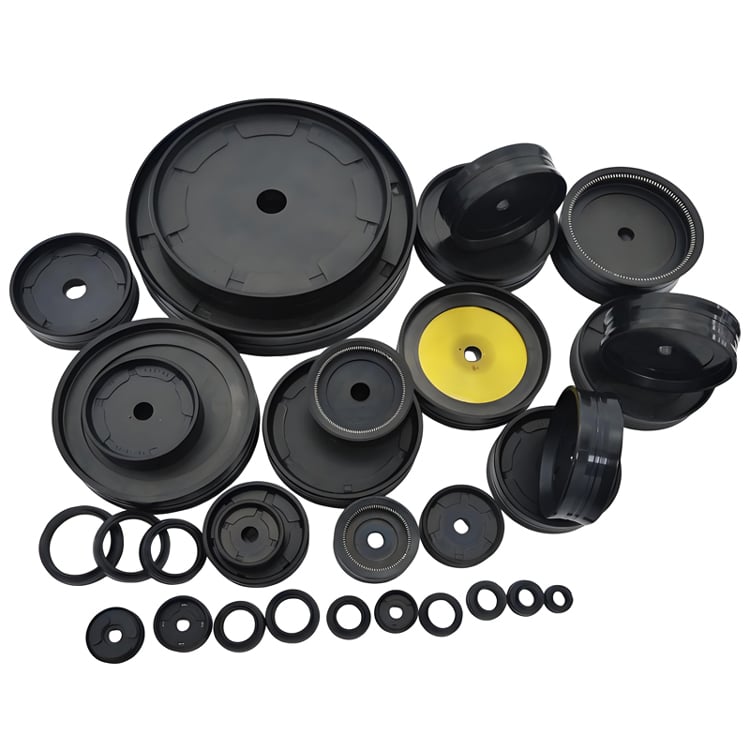

When engineers choose a sealing element, they usually look for a solution that can maintain sealing performance while adapting to different working conditions. This is one reason why o rings are widely used in both static and dynamic applications.
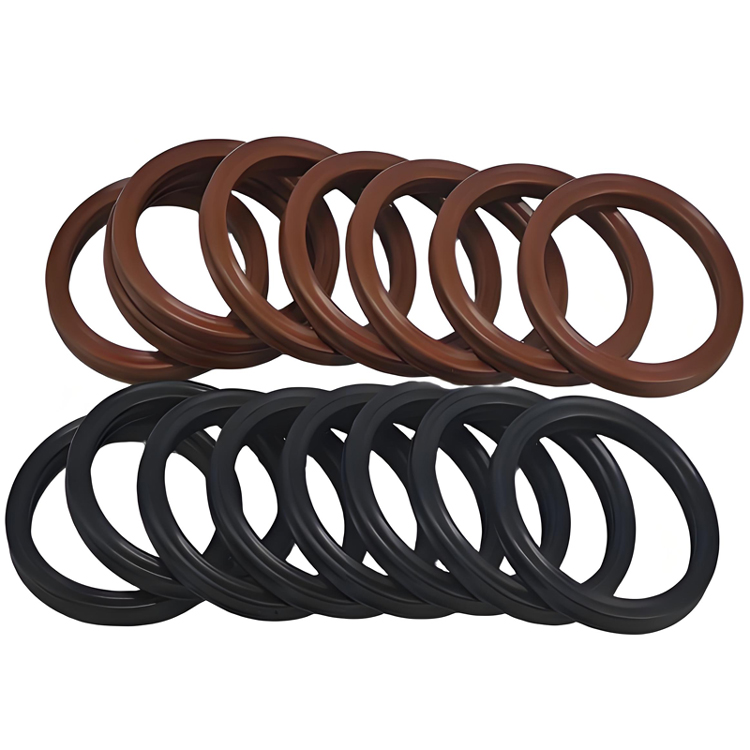
The main advantage of an o ring comes from its simple circular design. When installed in a properly designed groove, the rubber ring is compressed and creates continuous contact with the sealing surfaces. This contact prevents fluid or gas from passing through the sealing gap.
A Simple Structure with Flexible Applications
In static applications, such as flanges, covers, and fixed connections, the O-ring remains compressed between two stationary parts. Its elasticity helps compensate for small surface irregularities and maintain sealing pressure.
Dynamic applications are more challenging because the sealing element must work while parts move relative to each other. In hydraulic cylinders and similar systems, o rings can be used for certain reciprocating movements when the groove design, material, and lubrication conditions are suitable.
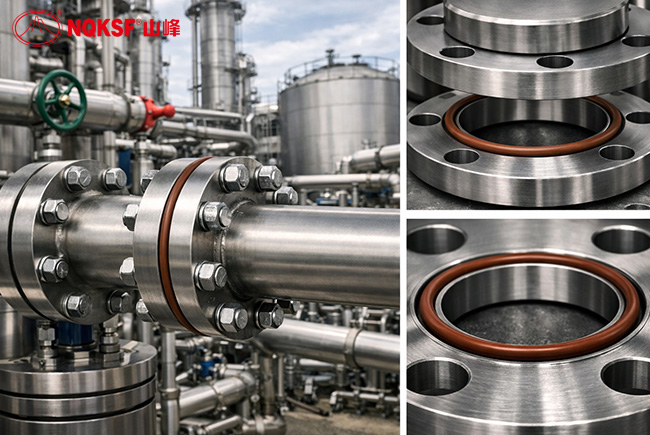
Material and Design Decide Performance
Although the O-ring structure is simple, its performance depends on many details.
Material selection affects resistance to temperature, pressure, and chemical media. Groove dimensions, surface finish, compression level, and operating speed also influence sealing reliability.
This means an O-ring is not simply a rubber ring placed between components. It is a sealing component that works through the combination of material properties, mechanical design, and operating conditions.
That balance between simplicity and adaptability is the main reason o rings continue to be used across many industrial sealing applications.
 Hot News
ShanFeng Special Rubber Products Co., Ltd., operating under brand NQKSF since 1990, is a global leader in the sealing industry.
Copyright © 2026 ShanFeng Special Rubber Products Co., Ltd. All rights reserved. Privacy Policy
 EN
EN