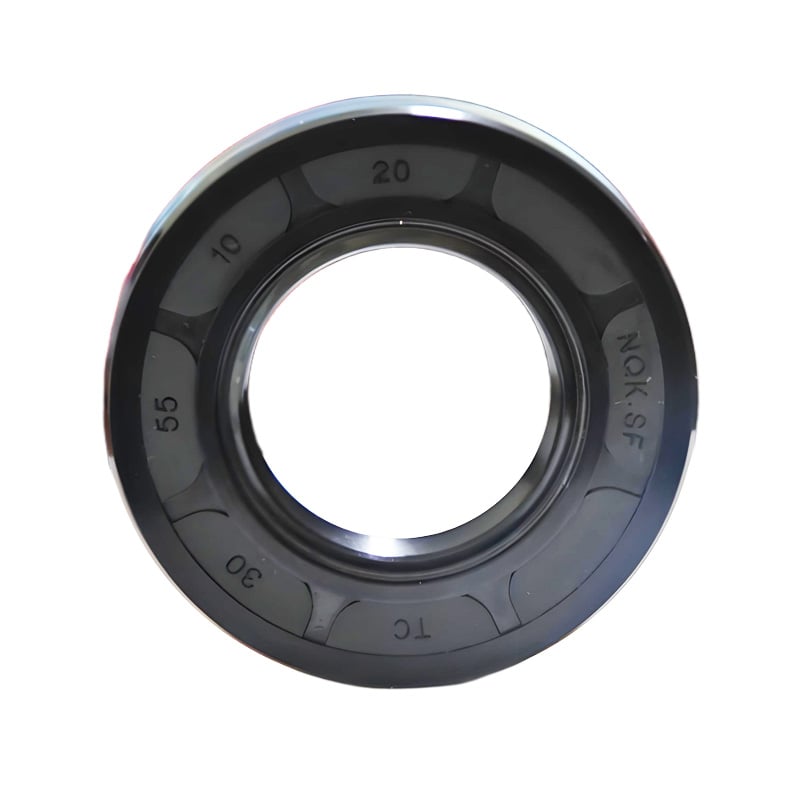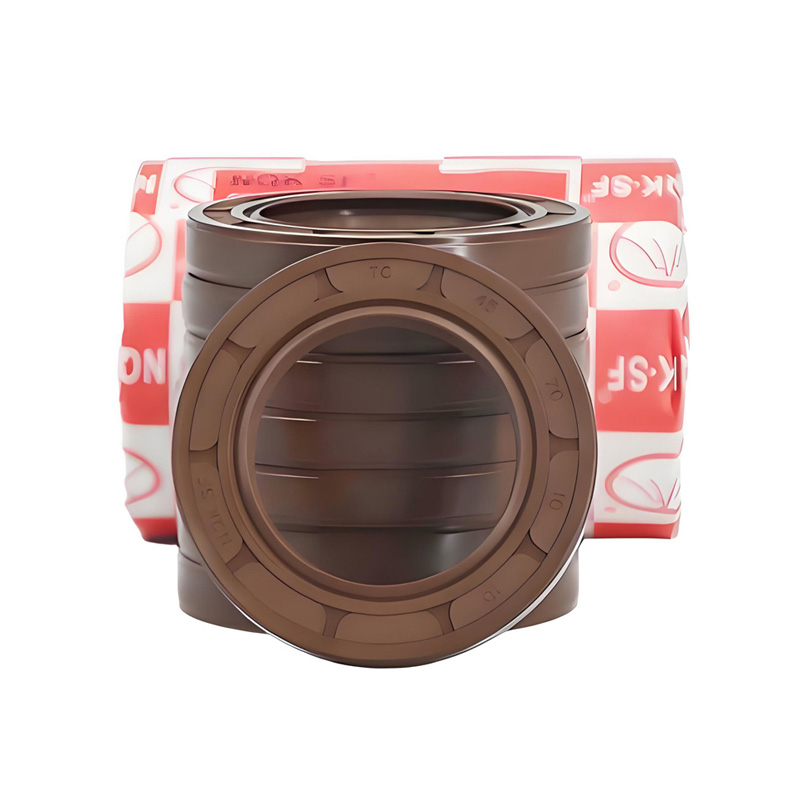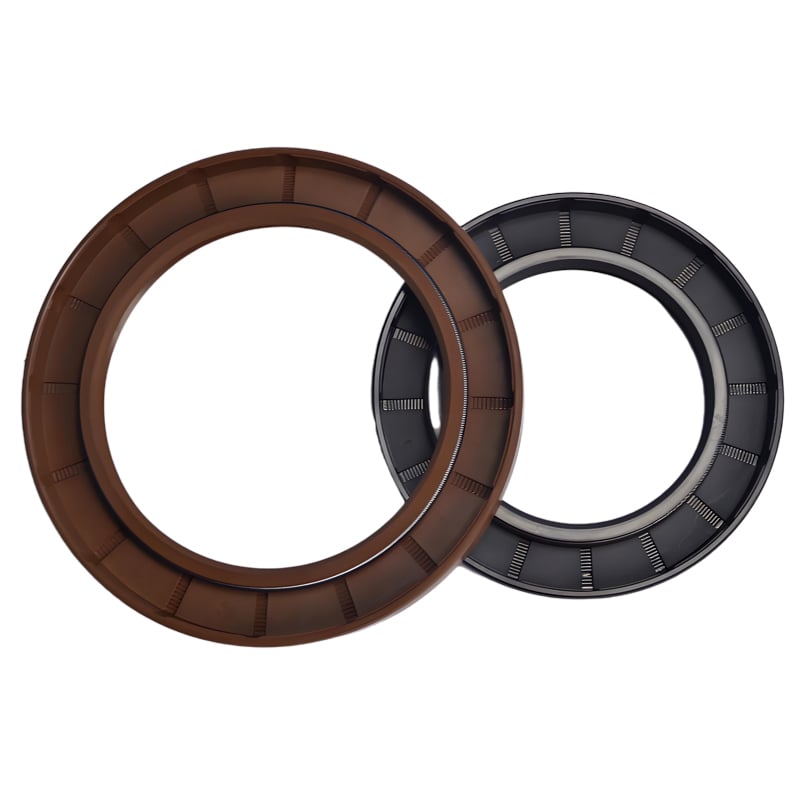

TG and TC oil seals are not fully interchangeable, even though their dimensions may align. The difference comes from how each design manages motion, pressure, and the formation of the oil film.
At NQKSF, we often see users assume that “same size means same function,” but in sealing systems, geometry and behavior matter more than appearance.
The TC type is built around a dual‑lip concept. One lip maintains lubrication, and the other shields the system from dust or moisture. This makes the TC design suitable for machines that operate in mixed environments—steady rotation inside, occasional contamination outside. The spring behind the primary lip helps it stay consistent when the shaft moves in a predictable pattern.
TG seals respond differently. Their lip profile is shaped for sharper transitions, higher speeds, or situations where the oil film needs to stabilize quickly. The structure tends to be firmer, and the lip angle is tuned for dynamic motion. In systems where the shaft accelerates or decelerates frequently, this geometry helps the seal maintain contact without drifting.
Because of these differences, swapping the two can create subtle issues. A TG seal placed in a TC environment may feel overly rigid, reducing the secondary lip’s ability to block contaminants. A TC seal placed in a TG environment may struggle to keep its lip stable when the shaft’s motion becomes more aggressive. The seal may fit physically, but the behavior will not match the system’s rhythm.
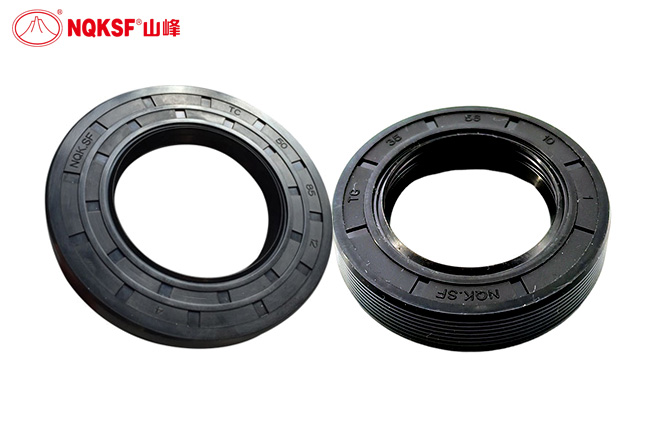
From is engineering perspective, interchangeability is not about catalog codes—it is about understanding how the machine moves and choosing the seal whose geometry naturally supports that motion. When structure and motion align, sealing reliability follows.
 Hot News
ShanFeng Special Rubber Products Co., Ltd., operating under brand NQKSF since 1990, is a global leader in the sealing industry.
Copyright © 2026 ShanFeng Special Rubber Products Co., Ltd. All rights reserved. Privacy Policy
 EN
EN