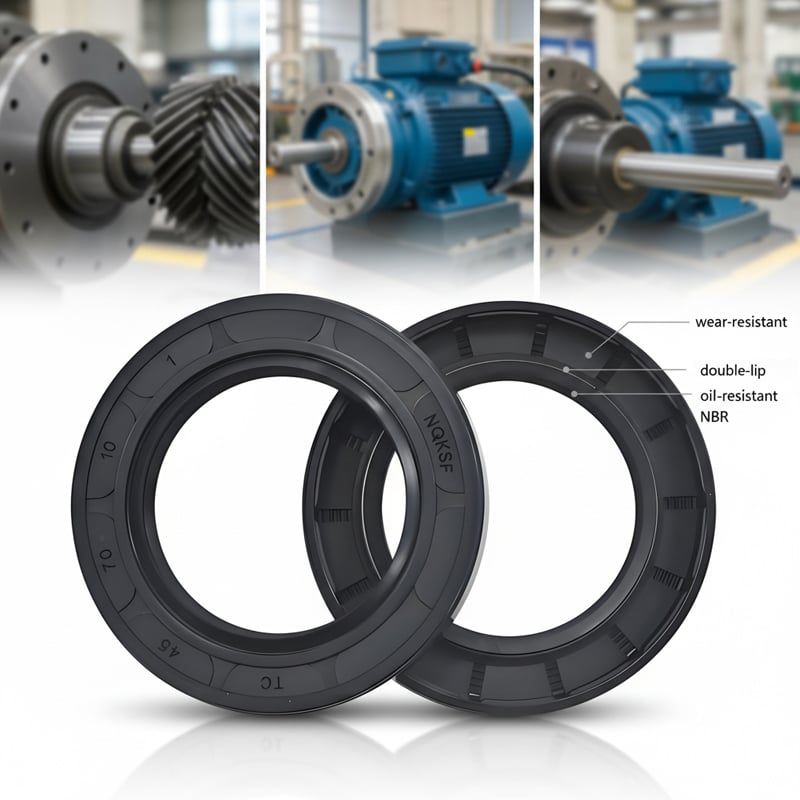
price of oil seal
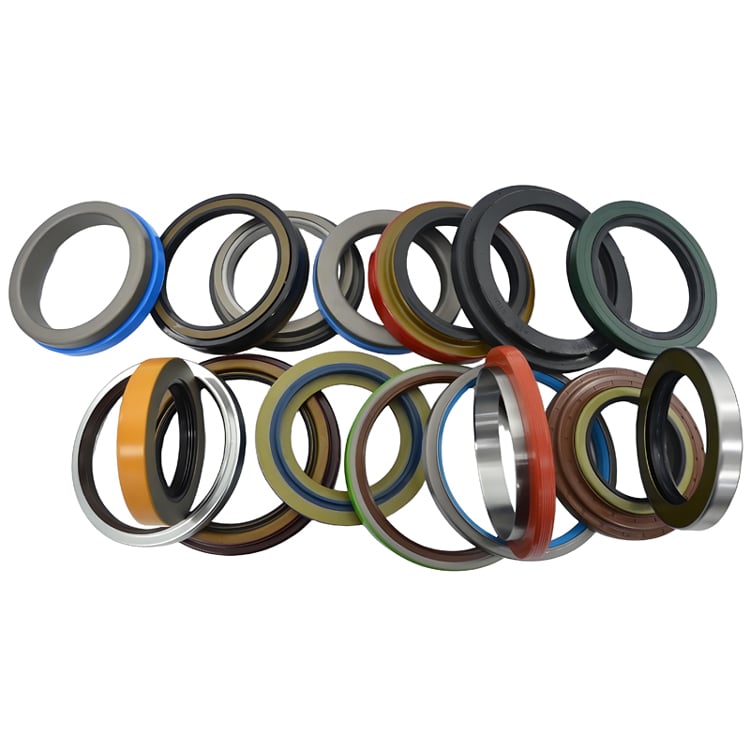
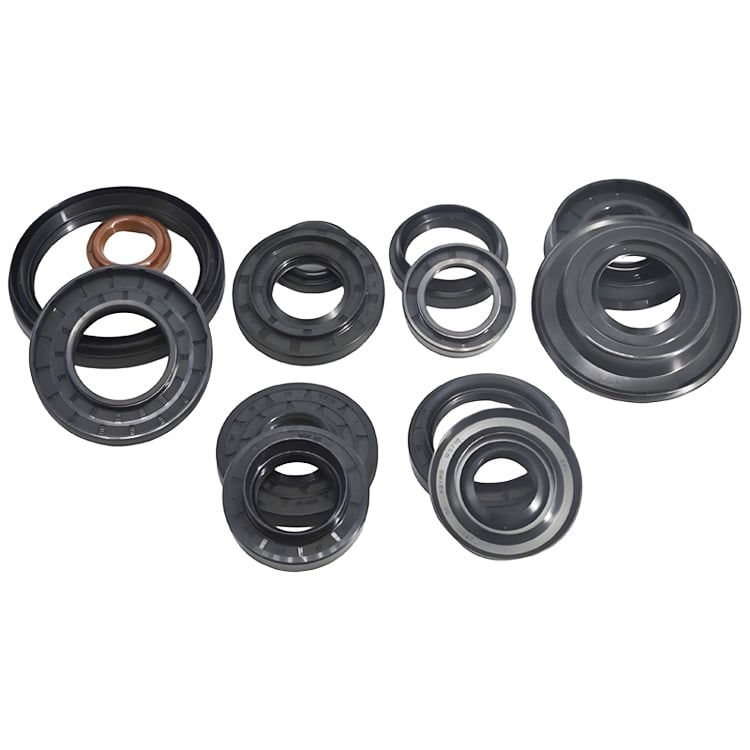
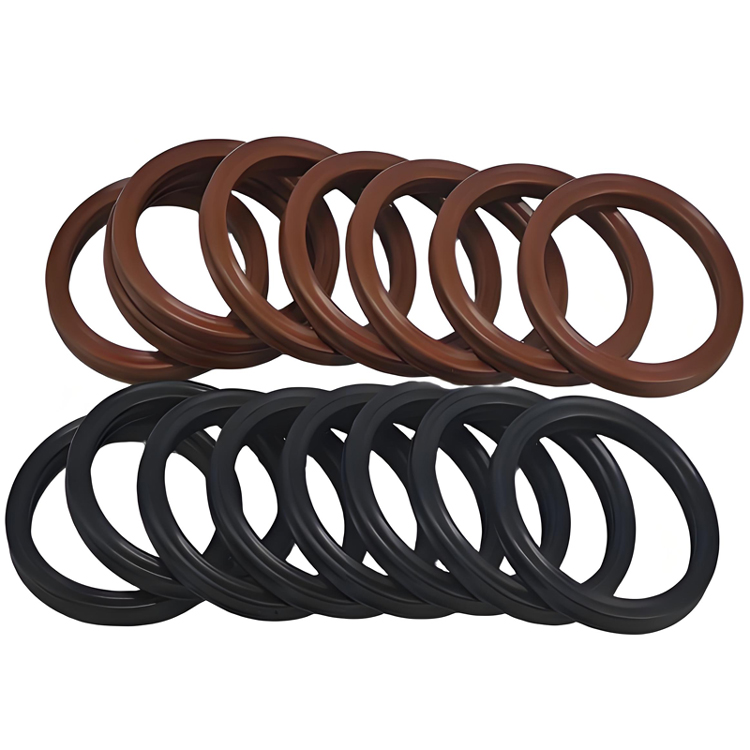
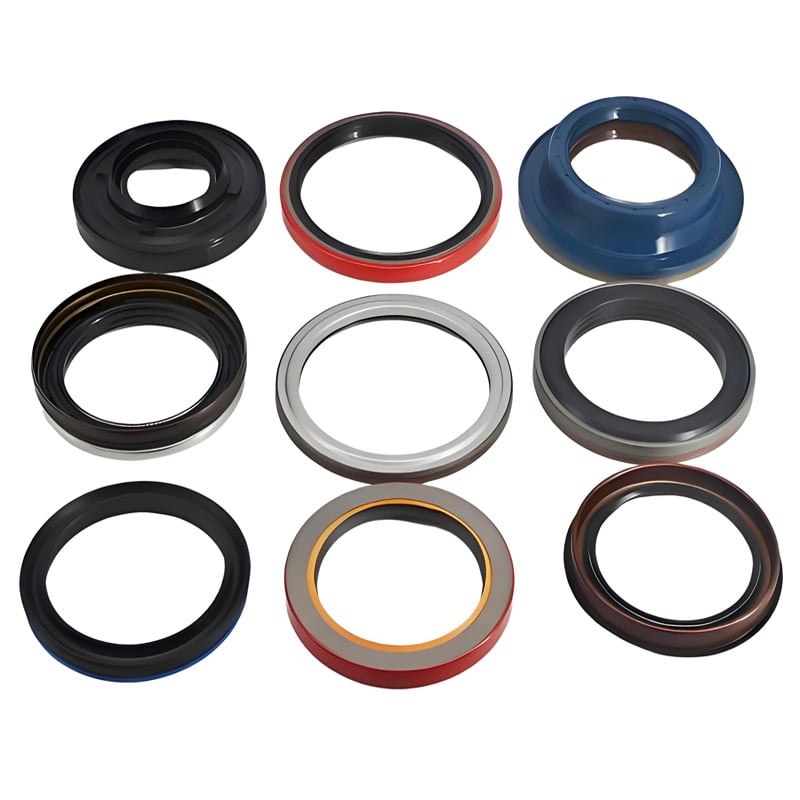
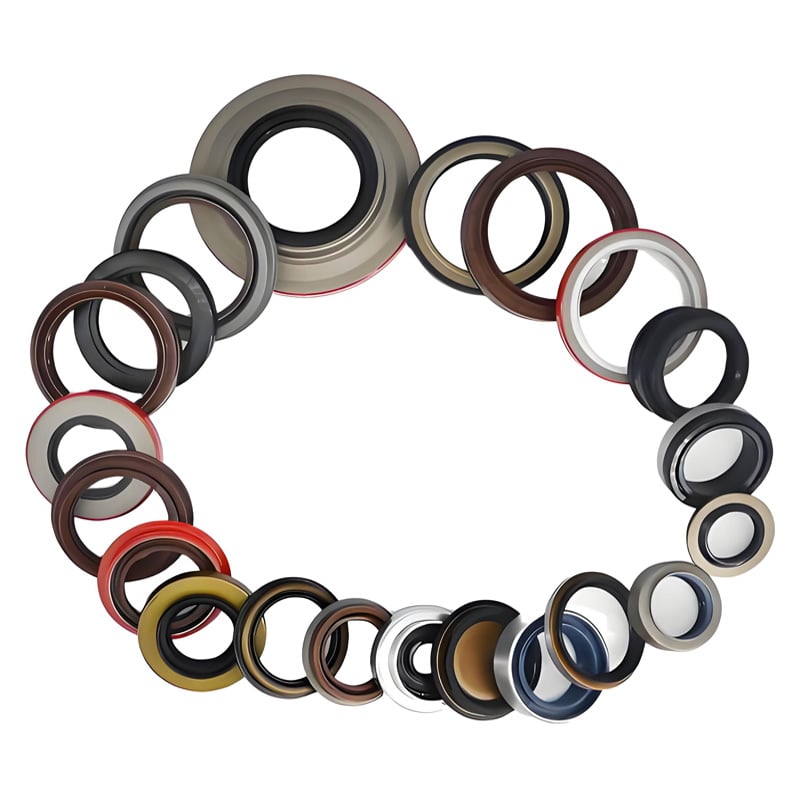
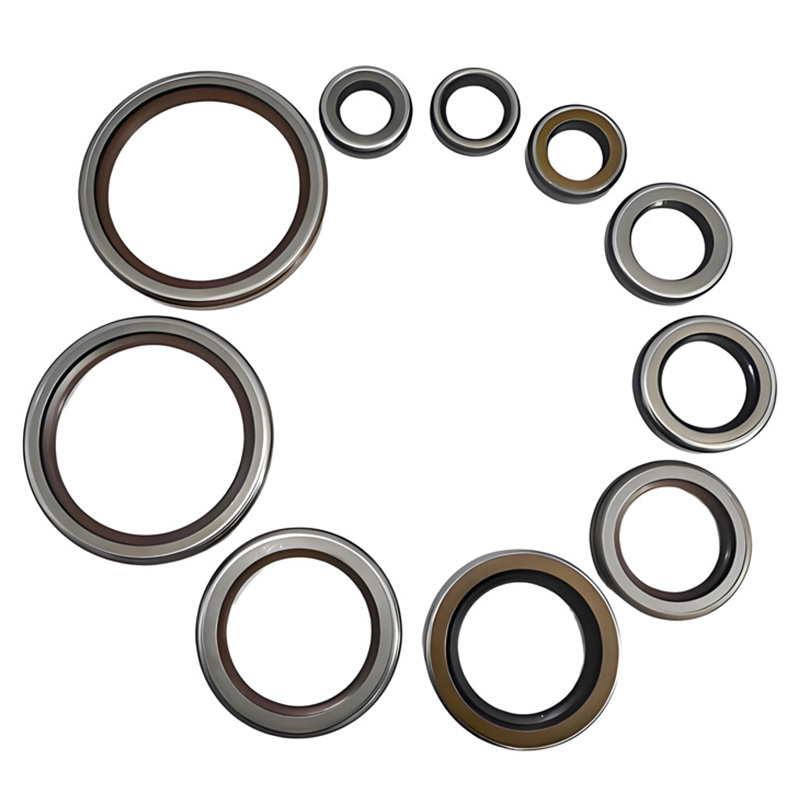
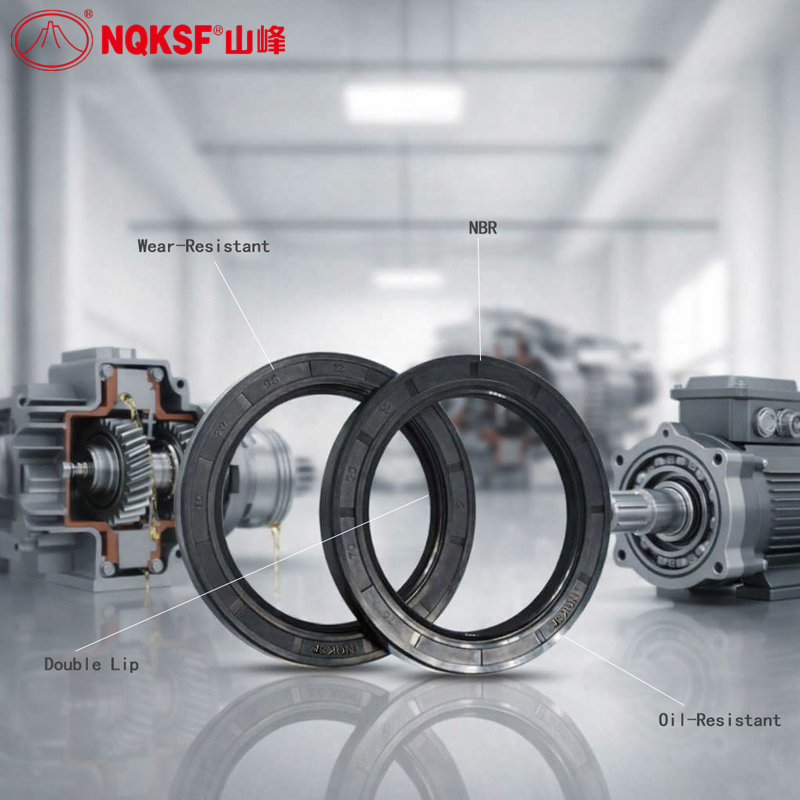
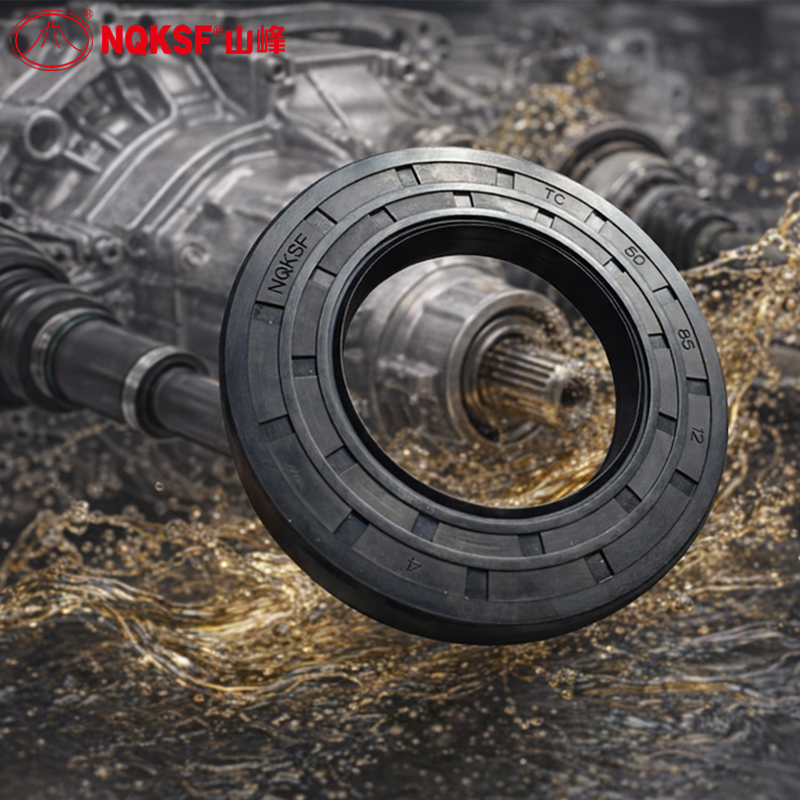
Oil seals are critical mechanical components designed to prevent fluid leakage and contamination in rotating equipment. Understanding the price of oil seal is essential for businesses seeking cost-effective sealing solutions without compromising quality. The price of oil seal varies based on material composition, size specifications, and manufacturing standards. Modern oil seals function by creating a barrier between moving and stationary parts, effectively containing lubricants while blocking external contaminants. The primary function of any oil seal involves maintaining pressure differentials across shaft interfaces in pumps, motors, and compressors. Technological features of contemporary oil seals include advanced elastomer materials, precision-engineered lip designs, and reinforced metal casings that enhance durability. The price of oil seal reflects these technological innovations, offering superior performance compared to traditional sealing methods. Oil seals find extensive applications across automotive, industrial machinery, hydraulic systems, and agricultural equipment sectors. The competitive price of oil seal makes these components accessible for both small-scale operations and large industrial facilities. High-quality oil seals operate efficiently at varying temperatures and pressures, extending equipment lifespan while reducing maintenance costs. Manufacturers continuously improve oil seal designs to offer better sealing performance at reasonable price points. Evaluating the price of oil seal alongside performance metrics helps purchasers make informed decisions about their sealing requirements and budget allocations.

 EN
EN