
Four details often reveal more than the price tag
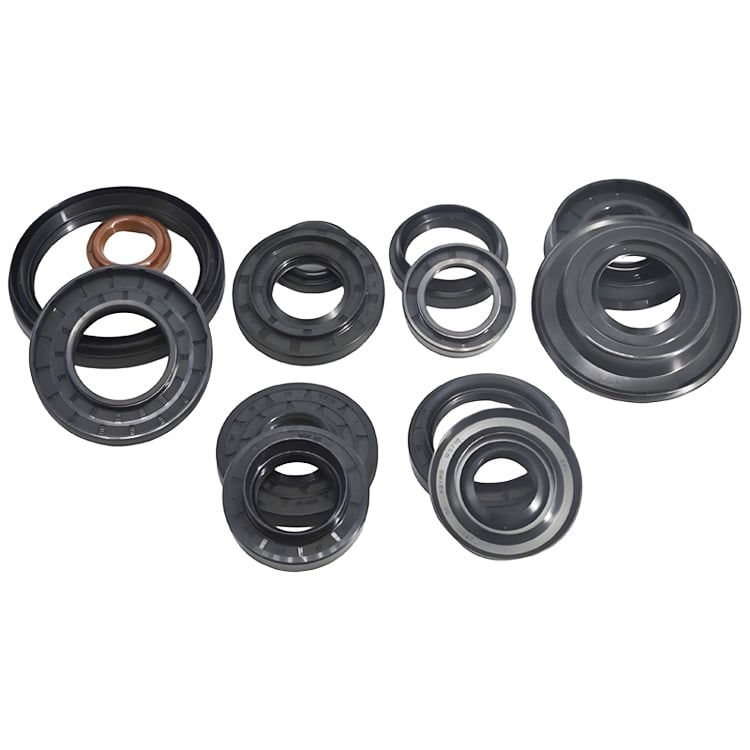
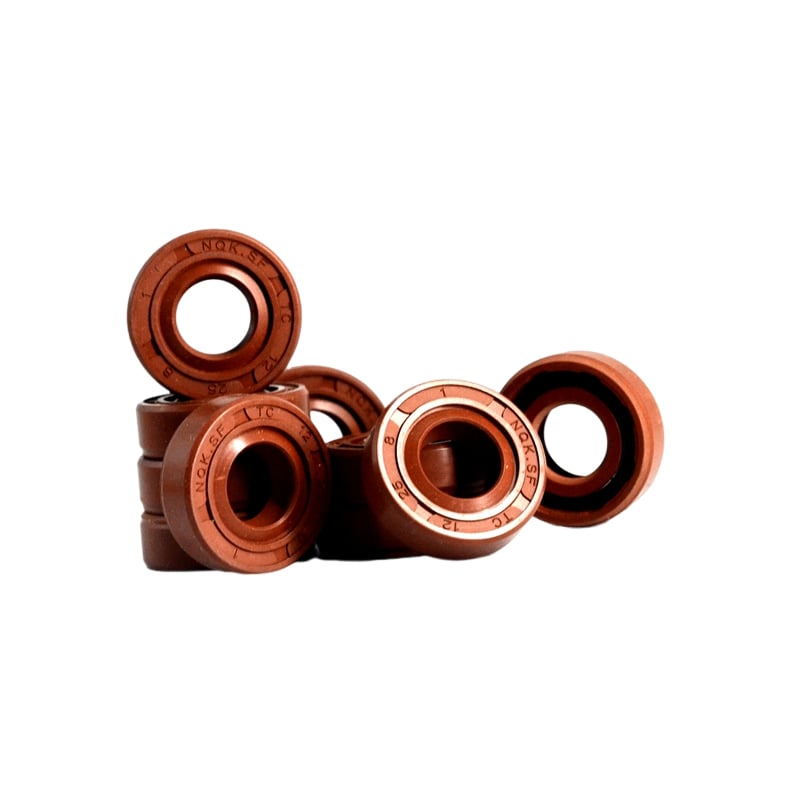
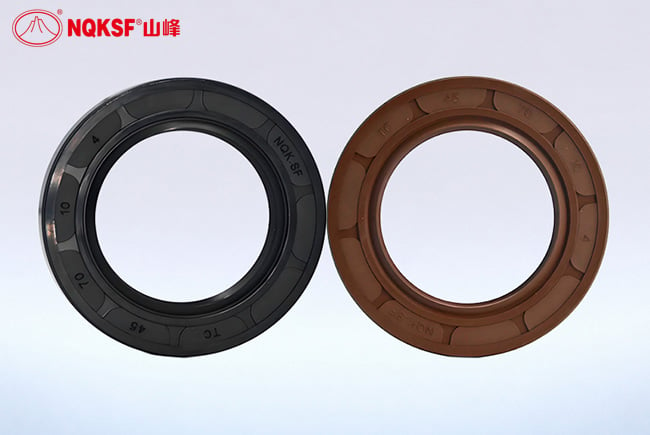
Two oil seals can look nearly identical in photographs.
Both may carry similar dimensions. Both may fit the same equipment.
Yet their performance in service can be very different.
For purchasing teams, knowing where to look often provides valuable clues about product quality before installation.
First Look at the Sealing Lip
The sealing lip is where the actual work happens.
Carefully inspect the contact edge.
A well-manufactured lip generally appears:
Uniform
Smooth
Consistent in thickness
Free from visible molding defects
Irregular edges, flash lines, or dimensional inconsistency may affect how the lip contacts the shaft.
Small imperfections in this area can influence long-term sealing behavior.
Examine the Spring, Not Just the Rubber
Many buyers focus exclusively on the elastomer.
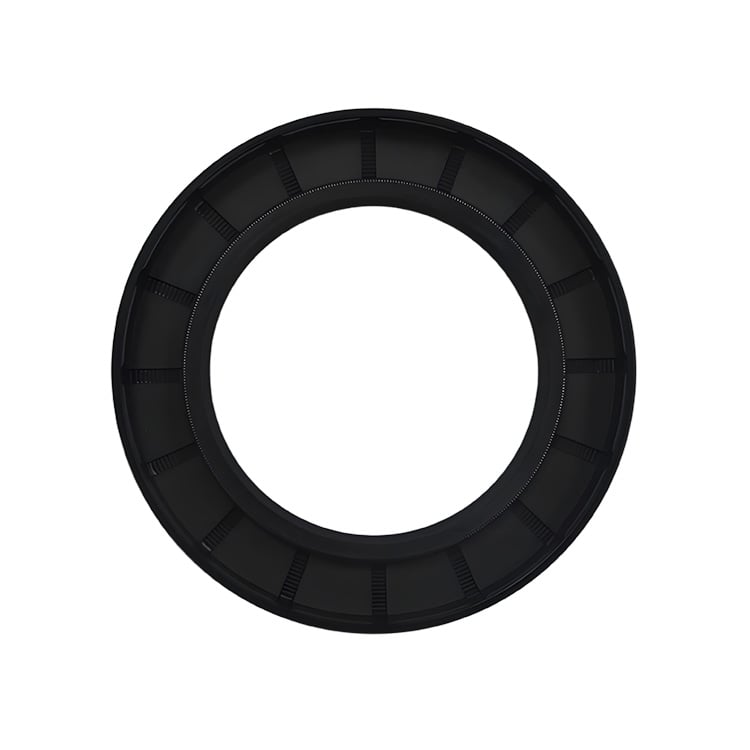
The garter spring deserves equal attention.
Its function is to maintain radial sealing force throughout operation.
Points worth checking include:
Surface finish
Corrosion resistance
Consistent coil spacing
Secure joining point
A poorly manufactured spring may reduce sealing stability even when the rubber compound itself appears acceptable.
Test the Material's Elastic Response
Rubber quality cannot be measured solely by appearance.
A simple manual inspection often provides useful information.
When gently flexed, the material should recover naturally without showing signs of brittleness.
Excessive hardness, surface cracking, or unusual stickiness may indicate material issues or improper storage conditions.
Pay Attention to Product Markings
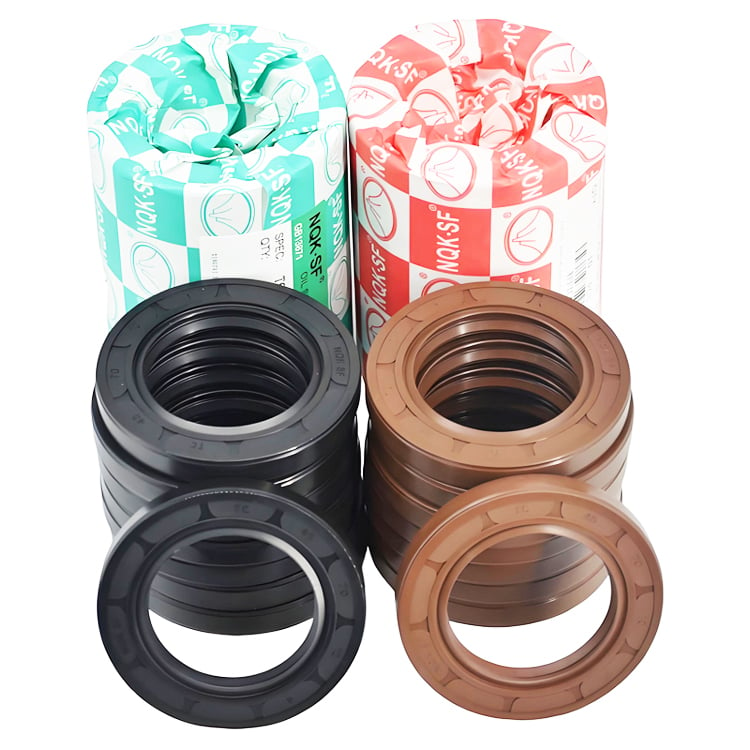
Professional manufacturers typically maintain clear identification practices.
Markings often include:
Size information
Material designation
Production traceability details
Manufacturer identification
Clear marking does not automatically guarantee quality, but it often reflects stronger process control and traceability management.
Quality Is About Consistency
The biggest difference between a reliable oil seal and an unreliable one is not always visible during the first hour of operation.
It often appears months later.
Consistent material properties, stable dimensions, controlled manufacturing processes, and proper traceability work together to support predictable sealing performance.
For procurement professionals, focusing on these details helps reduce uncertainty and supports more informed purchasing decisions.
 Hot News
ShanFeng Special Rubber Products Co., Ltd., operating under brand NQKSF since 1990, is a global leader in the sealing industry.
Copyright © 2026 ShanFeng Special Rubber Products Co., Ltd. All rights reserved. Privacy Policy
 EN
EN