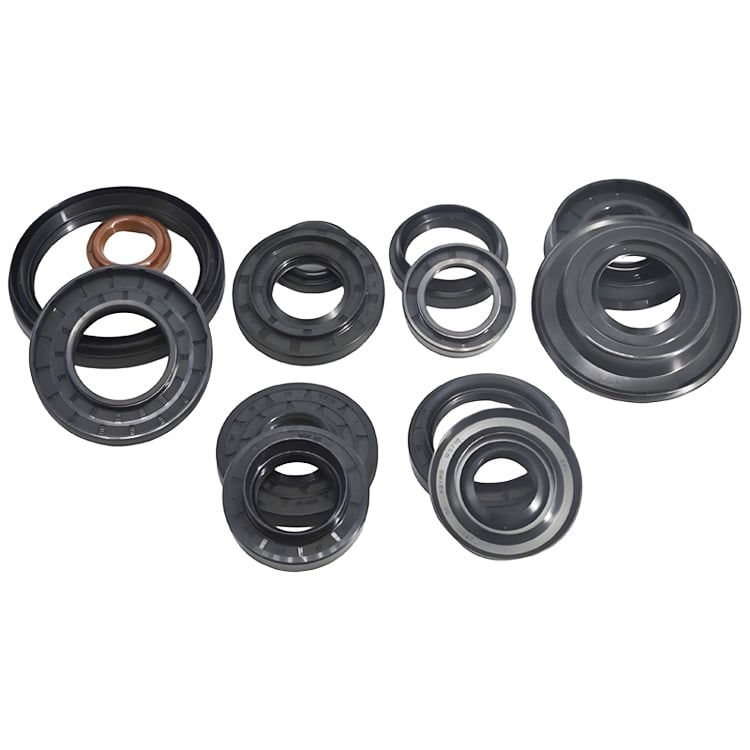
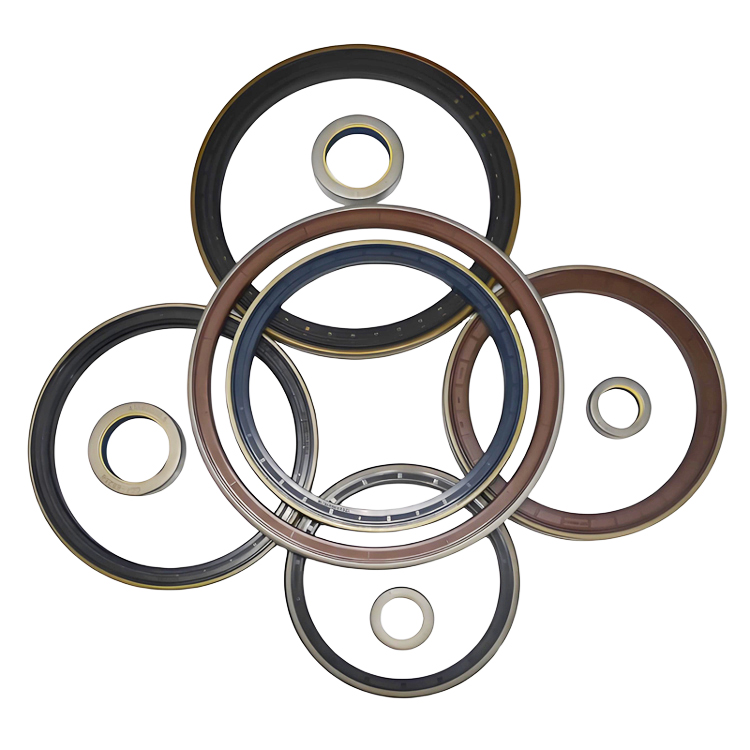
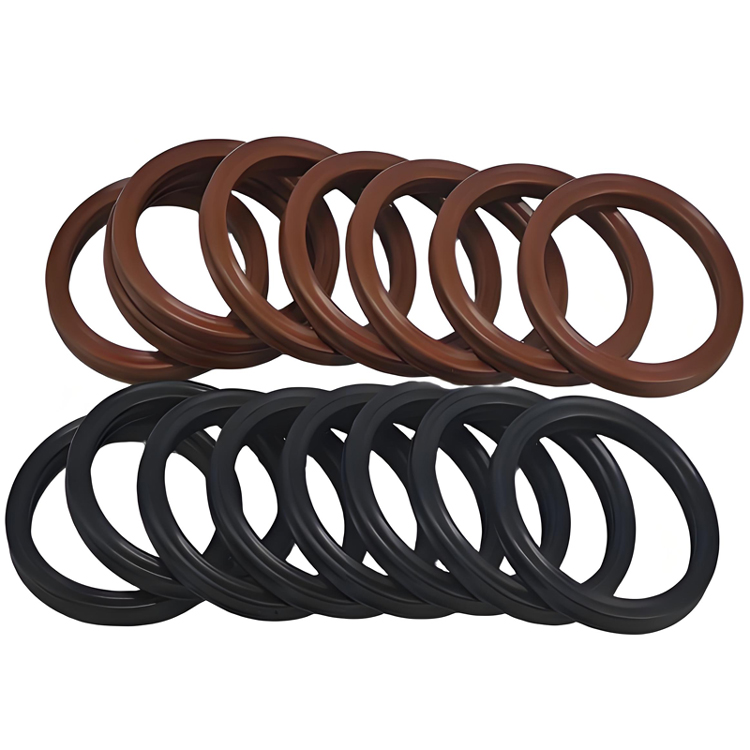
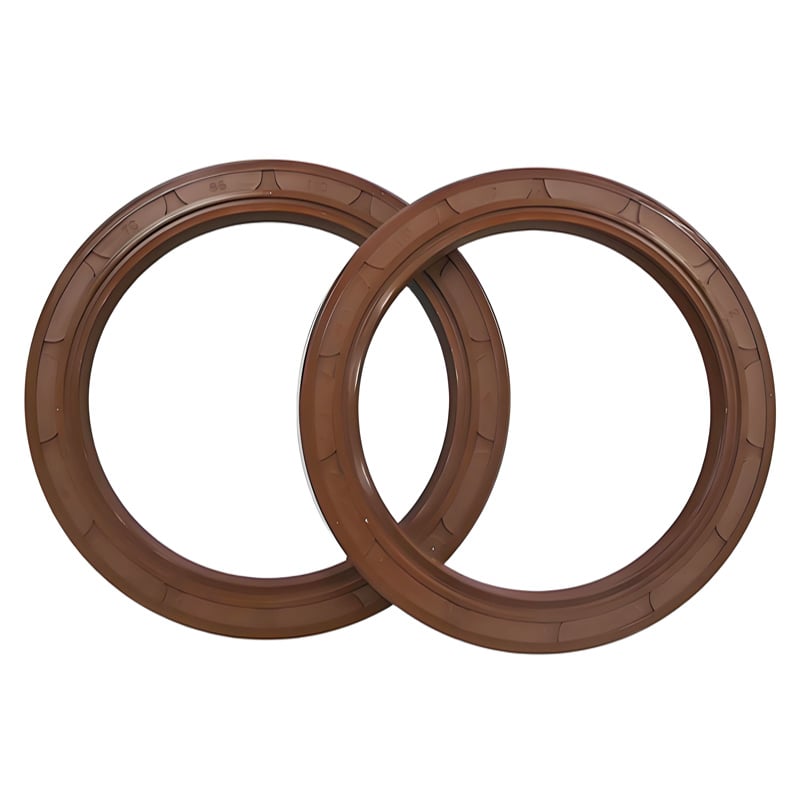
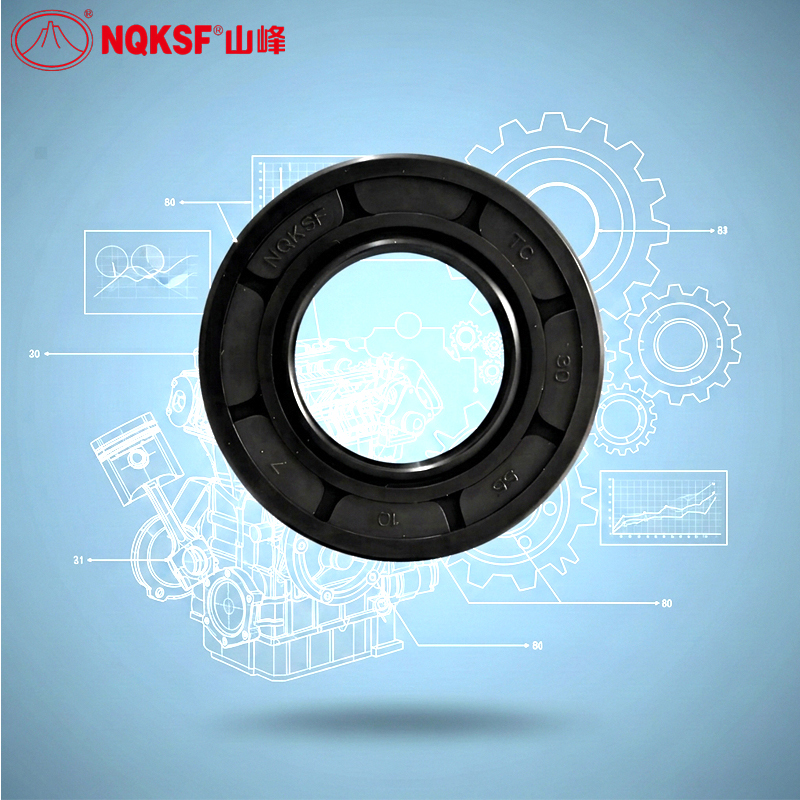
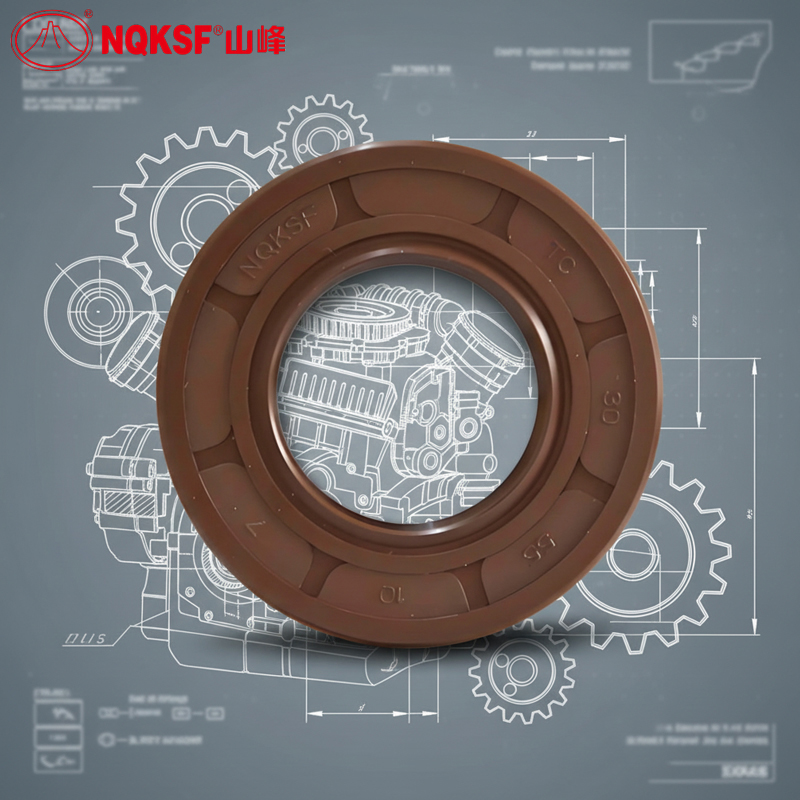
gearbox seal
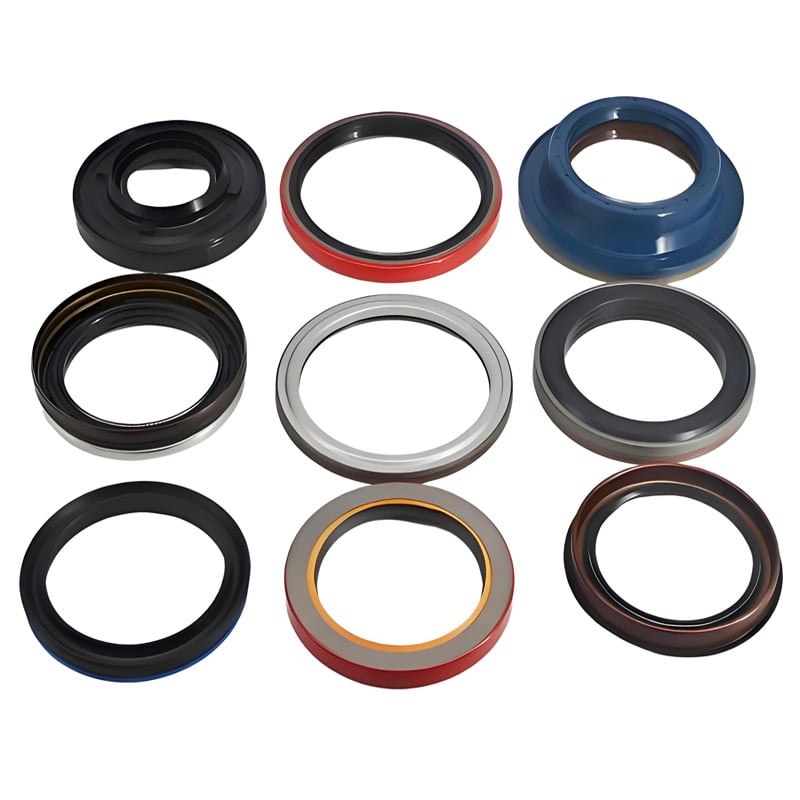
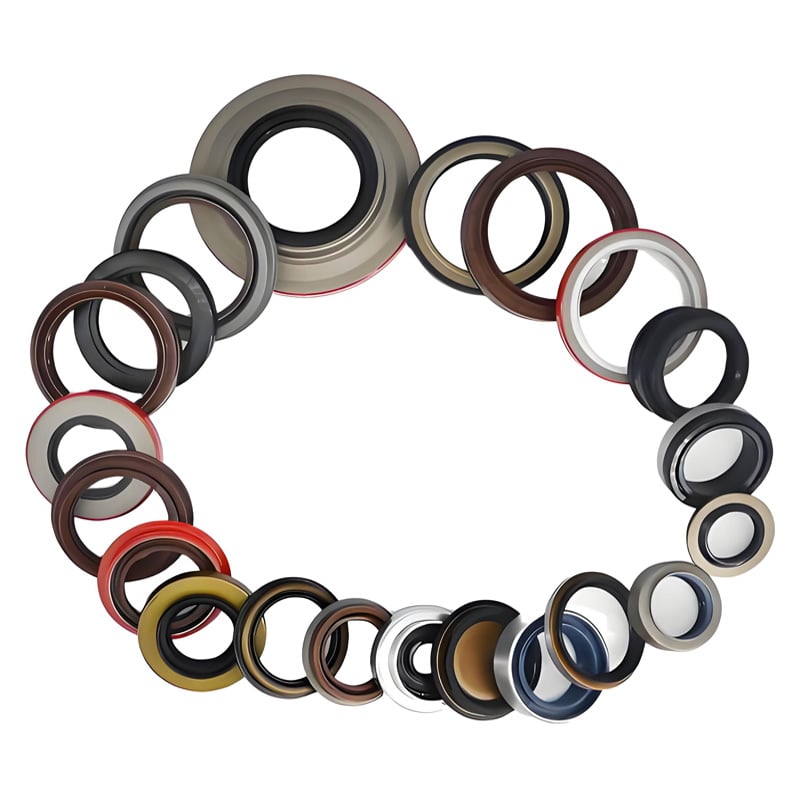
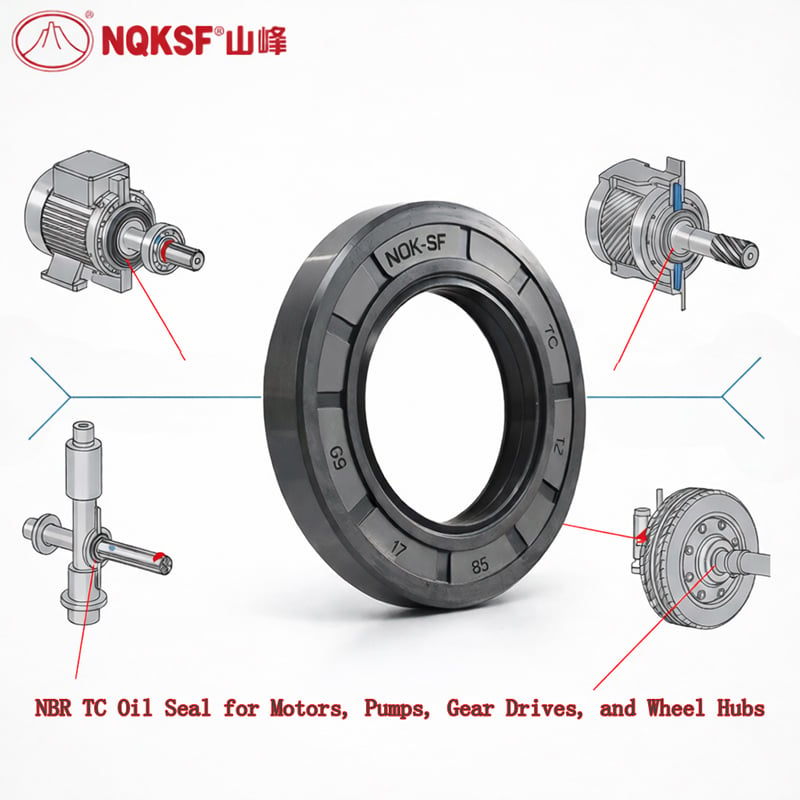
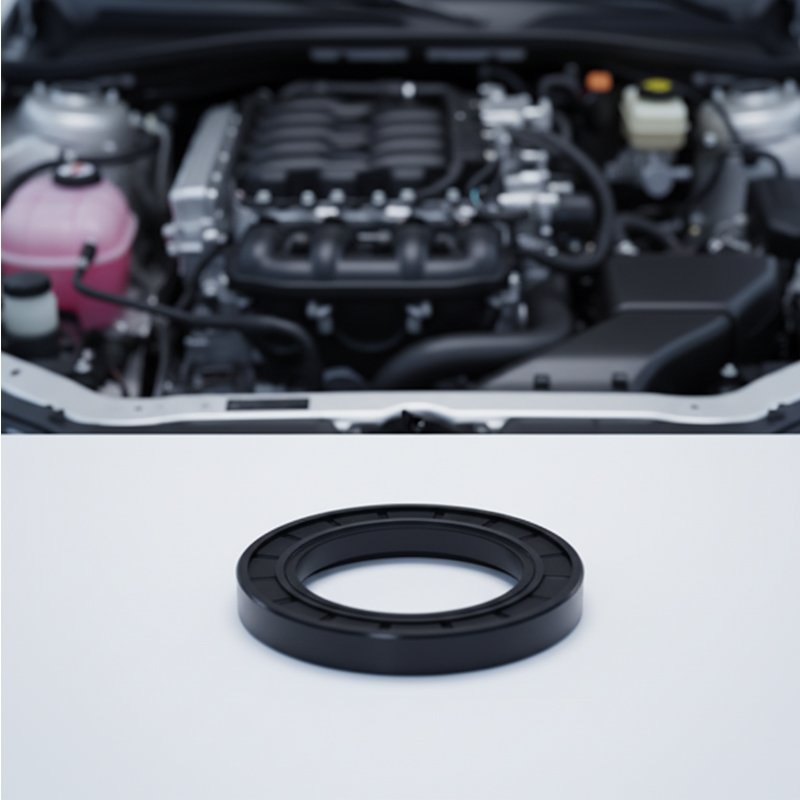
A gearbox seal is a critical component designed to prevent fluid leakage and contamination within transmission systems. This essential seal maintains the integrity of your gearbox by creating a barrier between internal mechanisms and external environments. The primary function of a gearbox seal is to retain transmission fluid while preventing dirt, moisture, and debris from entering the system. Understanding what a gearbox seal does helps you appreciate its importance in vehicle maintenance and longevity. Modern gearbox seal technology features advanced elastomeric materials that withstand extreme temperatures and pressure conditions. These seals are engineered with precision tolerances to ensure optimal performance across various driving conditions. The gearbox seal accommodates shaft rotation while maintaining a reliable barrier, combining durability with flexibility. Technological innovations have enhanced gearbox seal design through improved material composition and manufacturing processes. Contemporary gearbox seal products utilize synthetic rubber compounds that resist degradation from thermal stress and chemical exposure. Applications for gearbox seals span manual transmissions, automatic transmissions, and specialty industrial equipment. Automotive manufacturers depend on quality gearbox seal solutions to meet performance standards and warranty requirements. Heavy-duty vehicles, commercial trucks, and off-road equipment require robust gearbox seal specifications for harsh operating environments. Industrial machinery, marine engines, and agricultural equipment also rely on dependable gearbox seal performance. The gearbox seal represents a fundamental investment in system reliability and extended equipment lifespan.

 EN
EN