Premium Gearbox Seals - Advanced Sealing Solutions for Industrial Applications

All Categories

gearbox seal

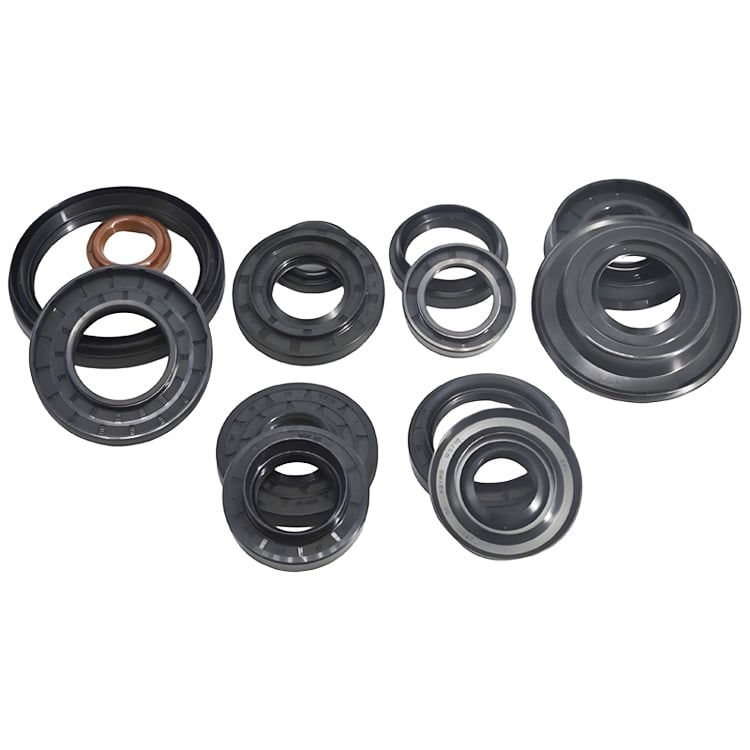
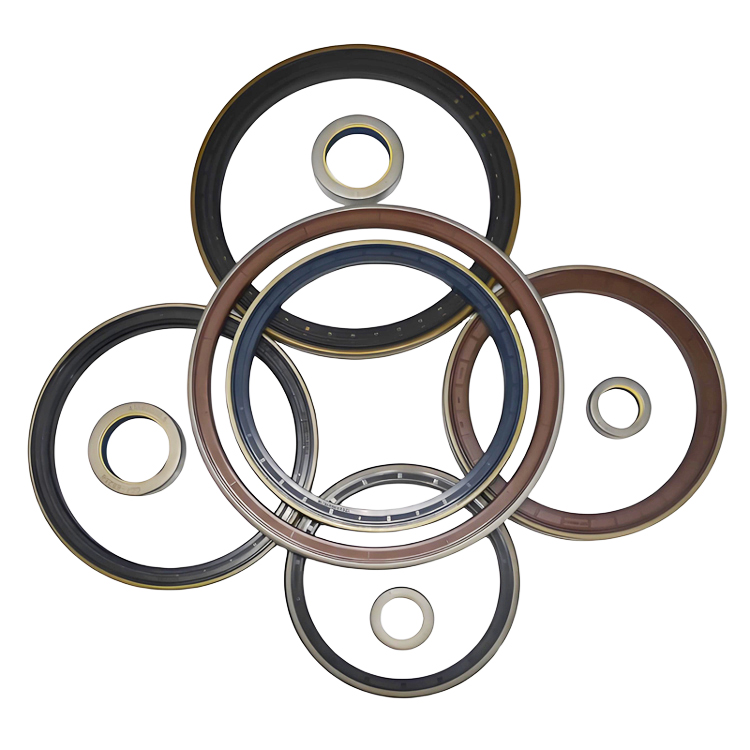
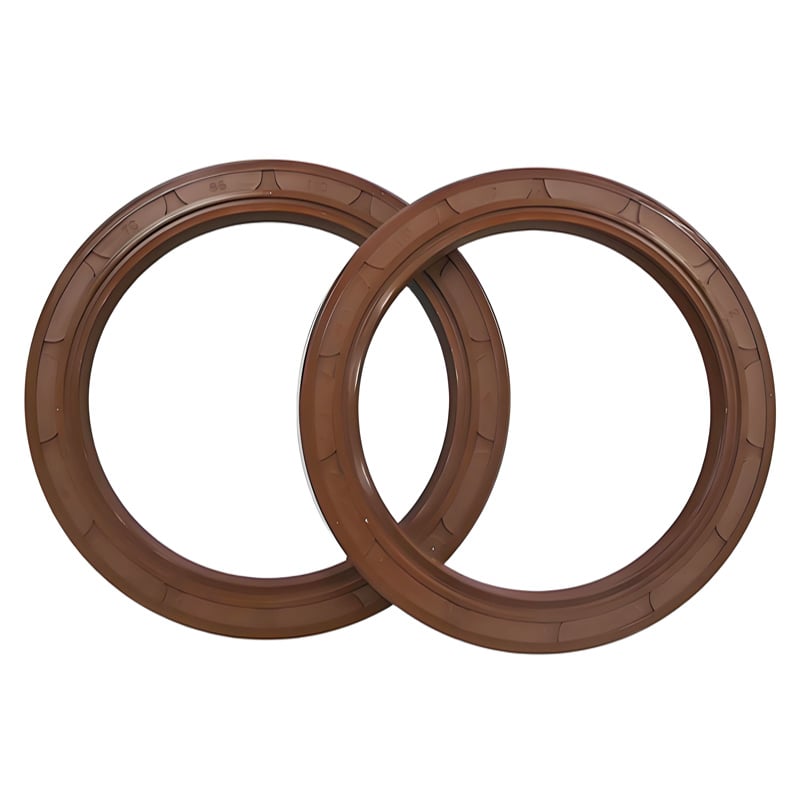
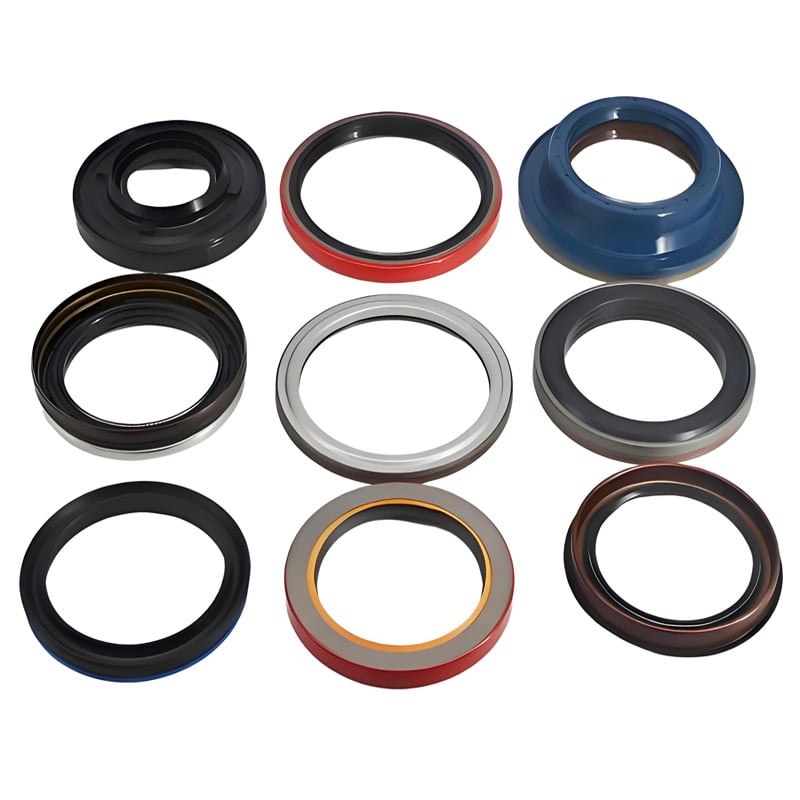
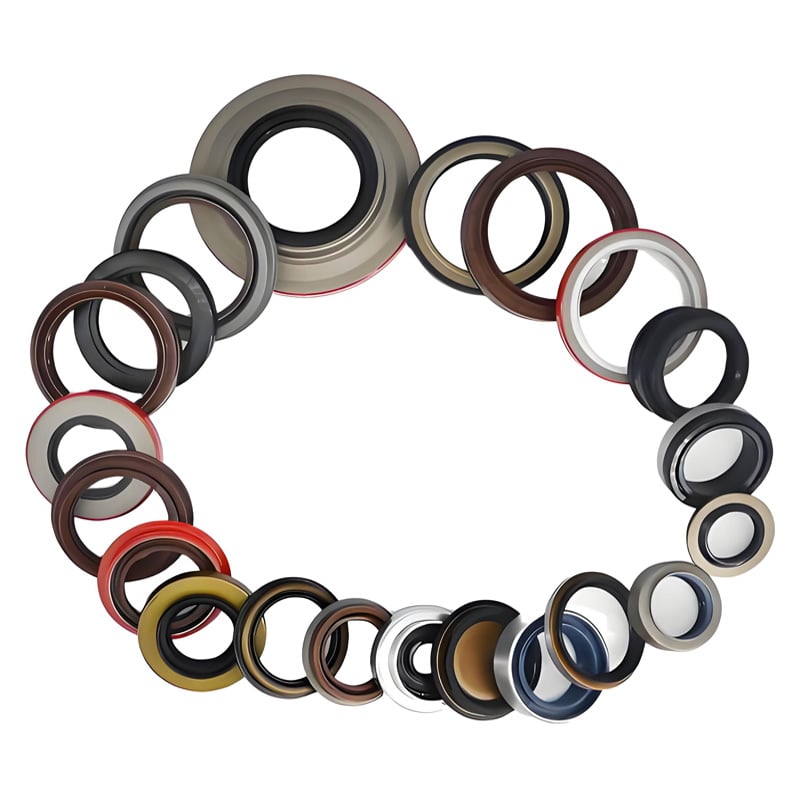
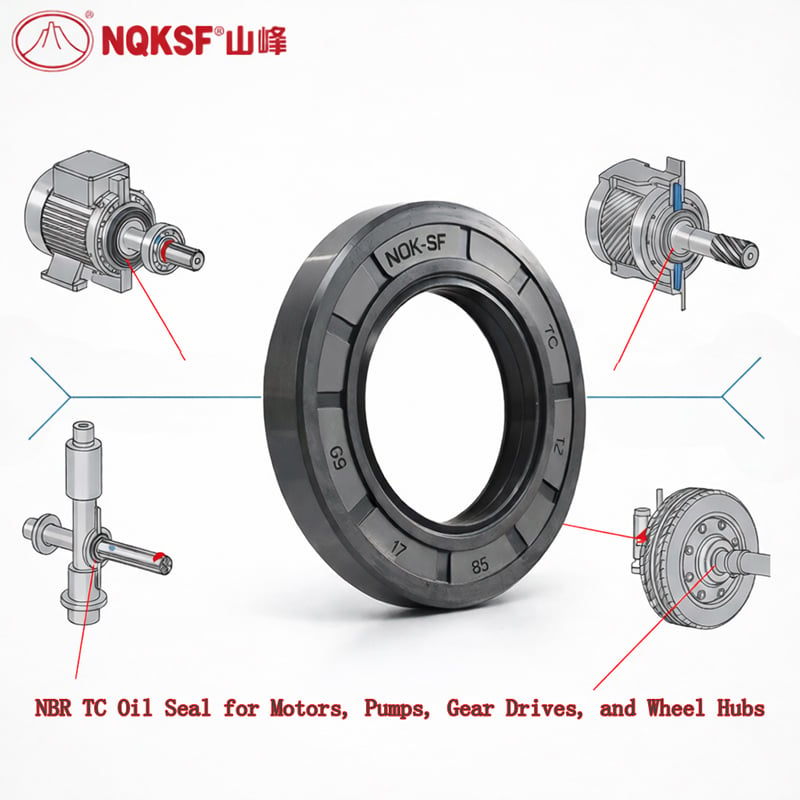
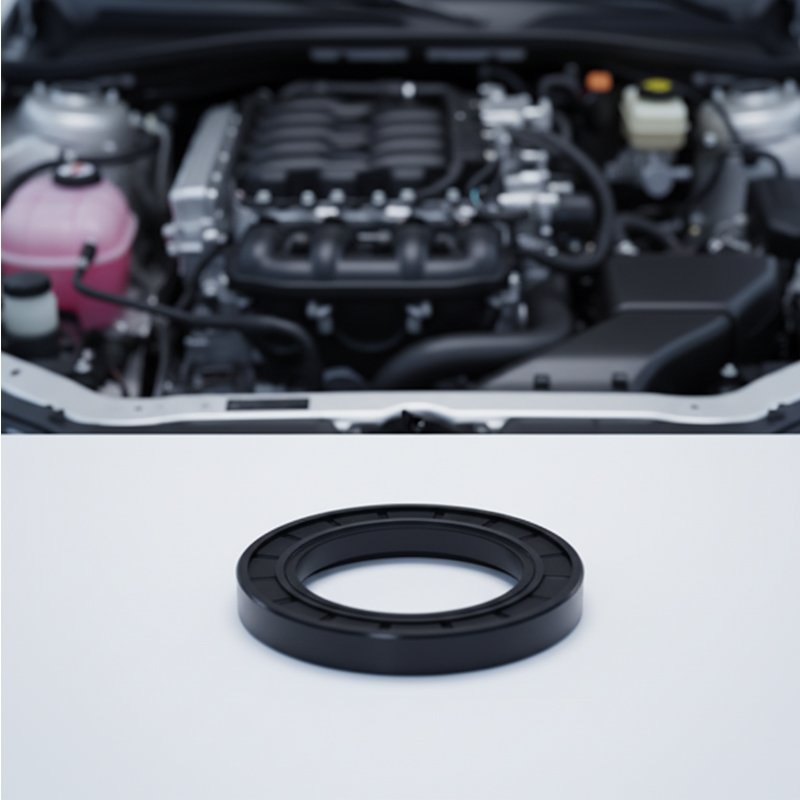
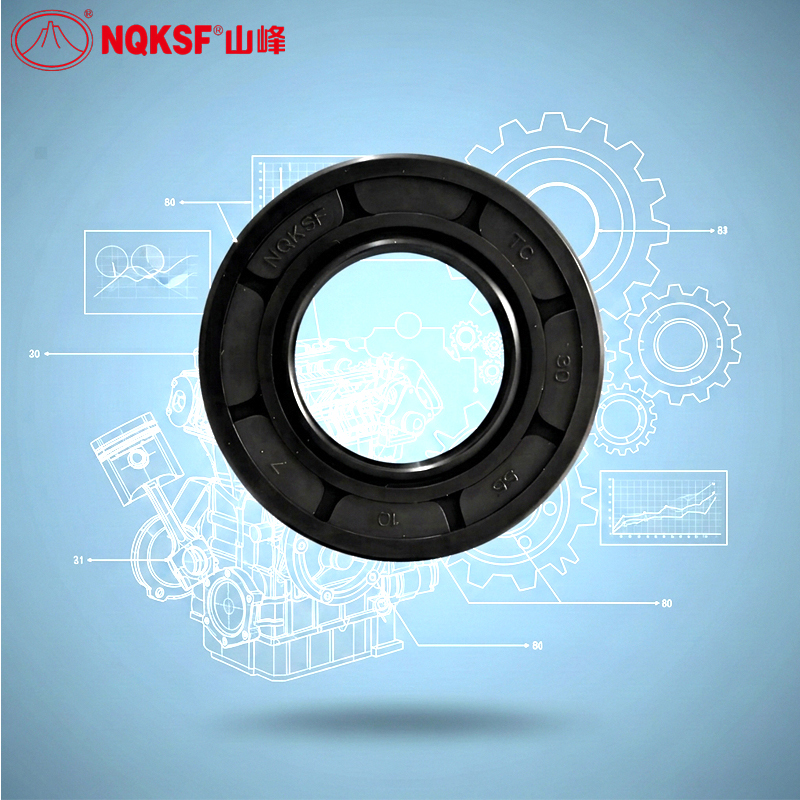
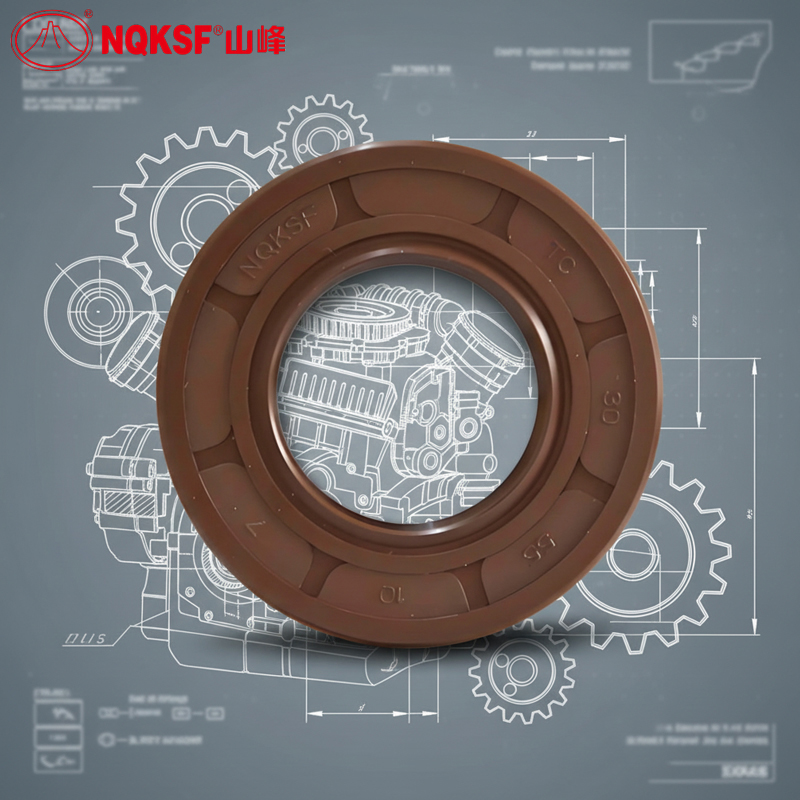
A gearbox seal represents a critical component in mechanical transmission systems, designed to prevent lubricant leakage and contamination while maintaining optimal operational efficiency. This specialized sealing solution serves as a protective barrier between rotating shafts and stationary housing components within gearbox assemblies. The primary function of a gearbox seal involves containing transmission fluid within the system while simultaneously blocking external contaminants such as dirt, moisture, and debris from entering the internal mechanisms. Modern gearbox seals incorporate advanced materials and engineering designs that enable them to withstand extreme operating conditions, including high rotational speeds, elevated temperatures, and varying pressure differentials. The technological features of contemporary gearbox seals include precision-molded elastomeric lips that maintain consistent contact with rotating surfaces, reinforced backing structures that provide dimensional stability, and specialized compound formulations that resist chemical degradation from synthetic lubricants. These seals typically feature dual-lip configurations where the primary sealing lip maintains fluid retention while a secondary dust lip prevents external contamination. Applications for gearbox seals span across numerous industrial sectors including automotive transmissions, wind turbine generators, industrial machinery, marine propulsion systems, and heavy construction equipment. The automotive industry relies heavily on these sealing solutions for manual and automatic transmissions, differential assemblies, and transfer cases. Wind energy applications demand robust gearbox seals capable of operating reliably for extended periods under challenging environmental conditions. Manufacturing facilities utilize these components in conveyor systems, pumps, and processing equipment where consistent lubrication management is essential. The design versatility of gearbox seals allows for customization based on specific application requirements, including shaft diameter, rotational speed, temperature range, and chemical compatibility with various lubricants and operating environments.

New Product Releases

Gearbox seals deliver substantial benefits that directly impact equipment performance, maintenance costs, and operational reliability. These components significantly reduce maintenance expenses by preventing costly lubricant loss that would otherwise require frequent refilling and system monitoring. Equipment operators save considerable time and resources when gearbox seals maintain proper fluid levels automatically, eliminating the need for constant inspection and topping off transmission fluids. The prevention of contamination represents another major advantage, as gearbox seals block harmful particles from entering critical transmission components. This protection extends the lifespan of expensive gears, bearings, and synchronizers by maintaining clean operating conditions within the gearbox housing. Businesses experience improved productivity when their equipment operates without unexpected breakdowns caused by contamination-related failures. The enhanced reliability provided by quality gearbox seals translates directly into reduced downtime and increased operational efficiency. Manufacturing facilities can maintain consistent production schedules without disruptions from transmission problems that stem from inadequate sealing. Energy efficiency improvements result from proper lubrication retention, as gears operate more smoothly with optimal fluid levels and reduced friction. This efficiency gain contributes to lower energy consumption and decreased operating costs over time. Environmental benefits emerge through reduced lubricant waste and decreased frequency of fluid changes, supporting sustainability initiatives while lowering disposal costs. The superior temperature resistance of modern gearbox seals ensures reliable performance across wide operating ranges, from freezing conditions to high-heat industrial applications. This thermal stability prevents seal degradation that could compromise system integrity during extreme weather or intensive operations. Installation convenience represents another practical advantage, as most gearbox seals feature straightforward replacement procedures that minimize service time and labor costs. The long service life of quality seals reduces replacement frequency, further contributing to lower total cost of ownership. Chemical resistance properties enable these seals to work effectively with various lubricant formulations, including synthetic oils and specialized industrial fluids, providing flexibility in maintenance programs and fluid selection strategies.

Practical Tips

What Are the Main Advantages of Using Shaft Oil Seals in Industrial Equipment?

27

Nov

What Are the Main Advantages of Using Shaft Oil Seals in Industrial Equipment?

Industrial machinery operates under demanding conditions where contamination, fluid leakage, and component wear can lead to costly downtime and equipment failure. Shaft oil seals represent one of the most critical components in maintaining machinery ...
View More
Which Rubber Oil Seal Materials Fit Heavy-Duty Machinery?

06

Jan

Which Rubber Oil Seal Materials Fit Heavy-Duty Machinery?

Heavy-duty machinery operates under extreme conditions that demand reliable sealing solutions to prevent fluid leakage and contamination. The selection of appropriate rubber oil seal materials plays a critical role in maintaining equipment performanc...
View More
How to Choose Skeleton Oil Seal Models for Industrial Machinery

22

Apr

How to Choose Skeleton Oil Seal Models for Industrial Machinery

Selecting the appropriate skeleton oil seal models for industrial machinery requires understanding the unique operational demands of your equipment and matching them to specific seal characteristics. The choice directly impacts equipment reliability,...
View More
What Are O Rings? Where and Why Are They Used?

29

Apr

What Are O Rings? Where and Why Are They Used?

An o ring is a mechanical gasket designed in the shape of a torus that sits in a groove and is compressed during assembly between two or more parts, creating a reliable seal at the interface. These simple yet highly effective sealing devices consist ...
View More

Get a Free Quote

Our representative will contact you soon.
Email
Telephone
Name
Company Name
Message
0/1000

gearbox seal

Advanced Material Technology and Durability

Advanced Material Technology and Durability

Modern gearbox seals incorporate cutting-edge elastomeric compounds and reinforcement materials that deliver exceptional durability and performance longevity. The advanced polymer chemistry used in contemporary seal manufacturing creates products that resist degradation from exposure to synthetic lubricants, extreme temperatures, and aggressive operating conditions. These specialized materials maintain their flexibility and sealing effectiveness even after extended exposure to ozone, ultraviolet radiation, and chemical additives commonly found in transmission fluids. The molecular structure of these elastomers provides superior resistance to compression set, ensuring that the gearbox seal maintains consistent contact pressure against rotating shafts throughout its service life. Reinforced fabric backing integrated into the seal design provides dimensional stability that prevents deformation under pressure differentials and thermal cycling. This structural integrity ensures that the gearbox seal maintains its original shape and sealing geometry even when subjected to extreme operating stresses. The material technology extends service intervals significantly compared to conventional sealing solutions, reducing maintenance frequency and associated labor costs. Enhanced abrasion resistance properties protect the seal from wear caused by shaft surface irregularities and contamination particles that may bypass initial filtration systems. The chemical compatibility of these advanced materials allows for use with a wide range of lubricant formulations, including fully synthetic oils, gear oils with extreme pressure additives, and biodegradable fluids used in environmentally sensitive applications. Temperature stability across extended ranges enables reliable operation from sub-zero startup conditions to high-temperature continuous operation without compromising seal integrity. The manufacturing precision achievable with these materials ensures consistent quality and performance characteristics across production batches, providing predictable service life and reliability for maintenance planning purposes. This technological advancement in gearbox seal materials represents a significant improvement over traditional rubber compounds, offering enhanced value through extended service life and reduced total cost of ownership.
Precision Engineering and Optimal Sealing Performance

Precision Engineering and Optimal Sealing Performance

The engineering precision incorporated into modern gearbox seal design ensures optimal sealing performance through carefully calculated lip geometries, contact pressures, and surface interactions. Advanced computational modeling and extensive testing validate the sealing effectiveness of each design configuration before production, resulting in products that deliver consistent performance across diverse operating conditions. The primary sealing lip features a precisely controlled contact angle that maintains effective sealing pressure while minimizing friction and heat generation during operation. This engineering balance prevents excessive wear on both the gearbox seal and the rotating shaft while ensuring reliable fluid retention. Secondary sealing elements provide additional protection against contamination ingress, creating multiple barriers that enhance overall system reliability. The garter spring mechanism integrated into many gearbox seal designs maintains consistent contact pressure as wear occurs over time, automatically compensating for minor shaft runout or housing tolerances. This self-adjusting feature extends service life significantly compared to seals without spring loading. Finite element analysis during the design phase optimizes stress distribution within the seal structure, preventing premature failure modes and ensuring predictable performance characteristics. The precision manufacturing processes used to produce these seals maintain tight dimensional tolerances that ensure proper fit and function in gearbox assemblies. Quality control procedures verify critical dimensions and material properties throughout production, guaranteeing that each gearbox seal meets specified performance standards. The engineering optimization extends to the seal-to-housing interface, where precise fit tolerances prevent bypassing while allowing for thermal expansion and manufacturing variations. Surface finish requirements for mating components are specified to optimize sealing effectiveness while minimizing installation requirements and costs. The systematic approach to seal engineering considers the entire operating environment, including shaft speeds, fluid pressures, temperature cycles, and contamination exposure levels. This comprehensive design methodology results in gearbox seals that provide reliable performance throughout their intended service life while minimizing maintenance requirements and unexpected failures that could disrupt operations.
Versatile Applications and Industry-Specific Solutions

Versatile Applications and Industry-Specific Solutions

Gearbox seals demonstrate remarkable versatility across numerous industrial applications, with specialized designs tailored to meet the unique requirements of different operational environments and performance demands. The automotive industry relies extensively on these sealing solutions for transmission assemblies, where they must withstand rapid acceleration cycles, varying load conditions, and diverse climatic exposures while maintaining leak-tight performance. Wind energy applications present particularly demanding challenges that specialized gearbox seals address through enhanced durability features designed for continuous operation in harsh environmental conditions with minimal maintenance access. These seals must perform reliably for extended periods while exposed to temperature fluctuations, moisture, and contamination from atmospheric sources. Marine applications require gearbox seals with exceptional resistance to saltwater exposure and the ability to maintain sealing integrity despite constant vibration and shock loading from wave action and propulsion system operation. Industrial manufacturing environments utilize these components in conveyor systems, processing equipment, and material handling machinery where consistent lubrication management directly impacts production efficiency and equipment availability. The mining industry depends on robust gearbox seals capable of operating in extremely contaminated environments with high levels of abrasive particles and dust that challenge conventional sealing solutions. Construction equipment applications demand seals that can withstand shock loading, extreme temperature variations, and frequent duty cycle changes while maintaining reliable performance throughout extended operating periods. Agricultural machinery requires gearbox seals that resist degradation from exposure to fertilizers, pesticides, and organic materials while providing dependable service during seasonal peak usage periods. The customization capabilities of modern seal manufacturers enable the development of application-specific solutions that address unique challenges in specialized industries. This includes modifications to material formulations, lip geometries, and reinforcement structures that optimize performance for particular operating conditions. The broad applicability of gearbox seals across diverse industries demonstrates their fundamental importance in maintaining mechanical system reliability and efficiency, regardless of the specific operational environment or performance requirements involved in each unique application scenario.

Get a Free Quote

Our representative will contact you soon.
Email
Telephone
Name
Company Name
Message
0/1000