 EN
EN
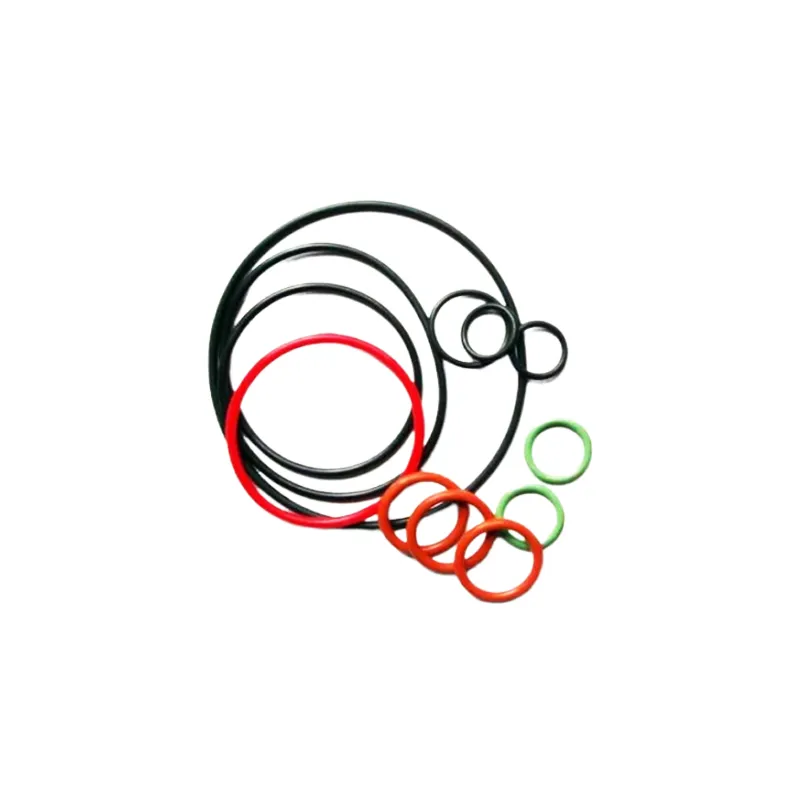
Een O-ring is een mechanische afdichting in de vorm van een torus die in een groef wordt geplaatst en tijdens de montage wordt samengeperst tussen twee of meer onderdelen, waardoor een betrouwbare afdichting op de interface ontstaat. Deze eenvoudige, maar zeer effectieve afdichtingsmiddelen bestaan uit een ronde elastomere lus met een cirkelvormige doorsnede die het doordringen van vloeistoffen, gassen of andere stoffen door de afgedichte verbinding voorkomt. Het fundamentele ontwerp van een O-ring maakt het mogelijk om een consistente afdichtingsprestatie te behouden onder wisselende drukomstandigheden, terwijl tegelijkertijd kleine oppervlakte-irregulariteiten en thermische uitzetting worden opgevangen.
De wijdverspreide toepassing van O-ringtechnologie in talloze industriële toepassingen is te danken aan hun uitzonderlijke veelzijdigheid, kosteneffectiviteit en betrouwbaarheid bij het voorkomen van lekkage van vloeistoffen. Van hydraulische systemen in zware machines tot automotormotoren en lucht- en ruimtevaartcomponenten: O-ringen vormen essentiële afdichtingselementen die operationele veiligheid en efficiëntie waarborgen. Een goed begrip van de constructie, materialen en toepassingsprincipes van deze afdichtingsmiddelen biedt essentiële inzichten in de reden waarom zij de voorkeurskeuze zijn geworden voor ingenieurs en fabrikanten die op zoek zijn naar betrouwbare afdichtoplossingen in diverse industrieën en bedrijfsomgevingen.
Constructie en materiaalsamenstelling van O-ringen
Basisontwerpprincipes
Het fundamentele ontwerp van een O-ring berust op het vermogen om elastisch te vervormen wanneer deze wordt samengeperst tussen afdichtende oppervlakken, waardoor een barrière ontstaat die de doorgang van vloeistoffen of gassen blokkeert. De cirkelvormige dwarsdoorsnede van een O-ring zorgt ervoor dat deze een uniforme contactdruk onderhoudt rond de gehele omtrek van de afdichtingsinterface, ongeacht kleine oneffenheden in de tegenoverliggende oppervlakken. Wanneer een O-ring correct is geïnstalleerd in een gefreesde groef, ondergaat deze een gecontroleerde compressie die de benodigde afdichtkracht opwekt, terwijl overcompressie wordt voorkomen die zou kunnen leiden tot vroegtijdig uitvallen of extrusie.
De torusvorm van een O-ring biedt verschillende mechanische voordelen die bijdragen aan de afdichtingswerking. Naarmate de systeemdruk stijgt, versterkt de drukverschil over de O-ring daadwerkelijk de afdrukkraft door het elastomere materiaal steviger tegen de afdichtende oppervlakken te duwen. Deze zelfactiverende eigenschap betekent dat hogere drukken doorgaans leiden tot betere afdichtingsprestaties, waardoor de o-ring bijzonder geschikt is voor hoogdrukanwendingen waar andere afdichtingsmethoden mogelijk zouden falen.
Selectie van elastomere materialen
De prestatiekenmerken van een O-ring hangen sterk af van het elastomere materiaal waaruit deze is vervaardigd; verschillende samenstellingen bieden specifieke voordelen voor bepaalde toepassingen. Nitrilrubber blijft het meest gebruikte materiaal voor algemene O-ringtoepassingen vanwege zijn uitstekende weerstand tegen petroleumgebaseerde vloeistoffen, een redelijk temperatuurbereik en kosteneffectiviteit. Deze synthetische rubberverbinding zorgt voor betrouwbare afdichtprestaties in hydraulische systemen, automotive-toepassingen en industriële machines waar veelvuldig blootstelling aan oliën en brandstoffen optreedt.
Voor toepassingen die bestandheid vereisen tegen extreme temperaturen, agressieve chemicaliën of gespecialiseerde omgevingsomstandigheden, bieden alternatieve elastomere materialen verbeterde prestatievermogens. Fluorkoolstofverbindingen bieden superieure chemische bestendigheid en hoge temperatuurstabiliteit, waardoor ze ideaal zijn voor toepassingen in de lucht- en ruimtevaart, de chemische verwerkingsindustrie en de productie van halfgeleiders. Op siliconen gebaseerde O-ringmaterialen onderscheiden zich in voedingsmiddeltoepassingen en omgevingen met extreme temperaturen, terwijl gespecialiseerde verbindingen zoals perfluoroelastomeren ongeëvenaarde chemische bestendigheid bieden voor de meest veeleisende industriële processen.
Productiestandaarden en kwaliteitscontrole
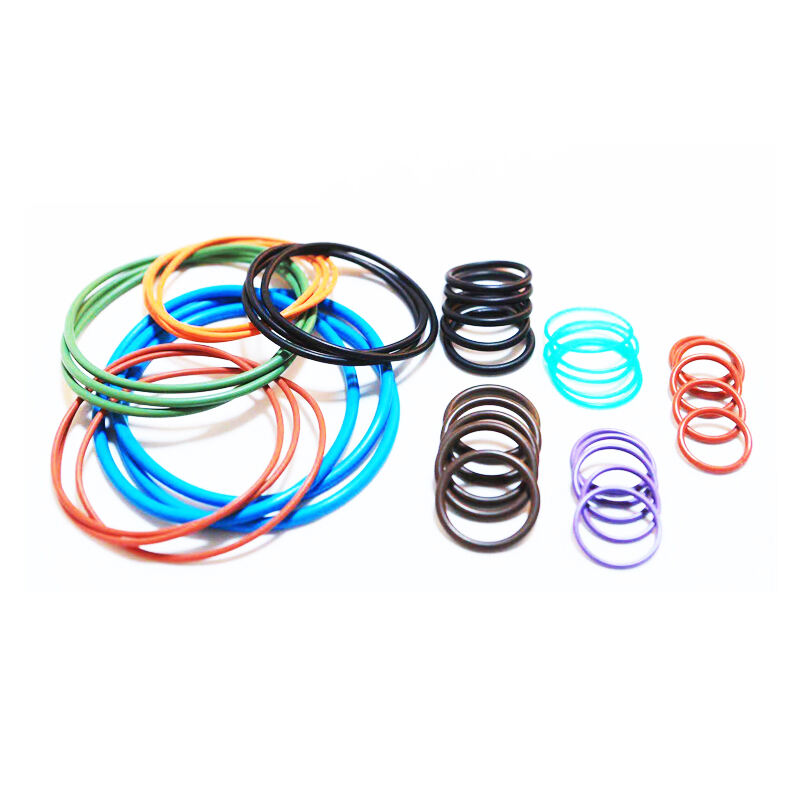
Moderne O-ringproductie maakt gebruik van precisievormgevingstechnieken die consistente nauwkeurigheid op het gebied van afmetingen en materiaaleigenschappen garanderen over alle productiepartijen heen. Het vormgevingsproces omvat het uitharden van de elastomere samenstelling onder gecontroleerde temperatuur- en drukomstandigheden, waardoor gekruiste polymeerketens ontstaan die de benodigde elasticiteit en duurzaamheid bieden. Maatregelen voor kwaliteitscontrole omvatten dimensionele inspectie, hardheidstests van het materiaal en verificatie van de prestaties, om ervoor te zorgen dat elke O-ring voldoet aan de gespecificeerde toleranties en prestatievereisten.
Industriestandaarden zoals AS568 en ISO 3601 definiëren de afmetingspecificaties, tolerantiebereiken en materiaaleisen voor O-ringen die worden gebruikt in diverse toepassingen. Deze standaarden garanderen uitwisselbaarheid tussen fabrikanten en verstrekken constructie-ingenieurs betrouwbare afmetingsgegevens voor de ontwerpen van groeven en de keuze van afdichtingen. Conformiteit met deze standaarden vergemakkelijkt ook de kwaliteitsborgingsprocessen en zorgt voor consistente prestaties bij verschillende leveranciers en productiefaciliteiten.
Belangrijkste toepassingen en montage-methoden
Statische afdichtingstoepassingen
Statische afdichting is een van de meest voorkomende toepassingen voor O-ringen, waarbij de afdichtende oppervlakken tijdens bedrijf stilstaan ten opzichte van elkaar. In deze configuraties zit de O-ring in een gefreesde groef en vormt een barrière tegen lekkage van vloeistoffen tussen flensverbindingen, schroefdraadverbindingen en geassembleerde onderdelen. Statische O-ringafdichtingen zijn bijzonder geschikt voor toepassingen zoals afsluitingen van drukvaten, pijpflensen en toegangsopeningen van apparatuur, waar betrouwbare langdurige afdichting essentieel is zonder relatieve beweging tussen de afgewerkte oppervlakken.
De montage van O-ringen in statische toepassingen vereist zorgvuldige aandacht voor de groefvormgeving en compressieverhoudingen om optimale afdichtprestaties te bereiken. Juiste groefafmetingen zorgen voor voldoende compressie om een effectieve afdichting te creëren, terwijl overcompressie wordt voorkomen die vroegtijdig materiaalverslet of montagebeschadiging kan veroorzaken. De O-ring moet voldoende elasticiteit behouden om thermische uitzetting, trillingen en geringe oppervlakte-onvolkomenheden op te vangen, terwijl hij gedurende de verwachte levensduur een consistente afdichtkracht blijft uitoefenen.
Dynamische afdichtconfiguraties
Dynamische afdichttoepassingen omvatten relatieve beweging tussen de af te dichten oppervlakken, wat extra uitdagingen met zich meebrengt en gespecialiseerde ontwerpoverwegingen vereist voor een succesvolle toepassing van O-ringen. Bij toepassingen met heen-en-weer-beweging, zoals hydraulische cilinders en pneumatische actuatoren, worden O-ringen gebruikt in speciaal ontworpen groeven die de afdichting in staat stellen mee te bewegen met het glijdende onderdeel, terwijl contact met het stationaire oppervlak wordt behouden. Het groefontwerp moet rekening houden met de vervorming van de O-ring tijdens de beweging en tegelijkertijd extrusie onder druk voorkomen.
Toepassingen met roterende beweging vereisen andere ontwerpaanpakken om de continue glijbeweging tussen de O-ring en de roterende as of behuizing te accommoderen. Deze toepassingen maken vaak gebruik van gespecialiseerde groefgeometrieën en kunnen extra ondersteuningselementen vereisen om O-ringfalen door rotatiekrachten te voorkomen. De keuze van geschikte elastomere materialen wordt kritiek bij dynamische toepassingen, aangezien het materiaal slijtage moet weerstaan, soepelheid moet behouden onder herhaalde vervormingscycli en gedurende de verwachte levensduur een consistente afdichtprestatie moet leveren.
Beste praktijken voor installatie
Juiste installatietechnieken zijn essentieel om optimale prestaties van O-ringen te bereiken en vroegtijdig uitvallen te voorkomen als gevolg van installatieschade of onjuiste positionering. Het installatieproces begint met een grondige reiniging van alle afdichtende oppervlakken en groeven om verontreinigingen, restanten van oude afdichtmassa en vuil te verwijderen die de afdichtingsintegriteit zouden kunnen schaden. Scherpe randen, bobbels of oppervlaktegebreken moeten worden verwijderd of afgeschuind om te voorkomen dat de O-ring tijdens de installatie wordt doorgesneden of beschadigd.
Het gebruik van geschikte montagegereedschappen en -technieken helpt beschadiging van de O-ring tijdens de assemblage te voorkomen. Smering met compatibele vloeistoffen vergemakkelijkt de montage en vermindert het risico op verdraaiing, knijpen of doorsnijden van het elastomere materiaal. Er dient zorgvuldig te worden gelet op een juiste plaatsing van de O-ring in zijn groef, zonder dat deze verdraaid of geknepen wordt tussen de aansluitende oppervlakken. Het assemblageproces dient geleidelijk te verlopen, zodat de O-ring zich op natuurlijke wijze kan vervormen zonder plotselinge compressie- of schuifkrachten die onmiddellijke of uitgestelde storingen kunnen veroorzaken.
Industriële toepassingen en prestatievoordelen
Hydraulische en Pneumatische Systemen
Hydraulische systemen zijn in grote mate afhankelijk van O-ring afdichtingstechnologie om de systeemdruk te behouden en lekkage van vloeistof te voorkomen, wat de prestaties zou kunnen aantasten of veiligheidsrisico’s zou kunnen veroorzaken. In hydraulische cilinders zorgen O-ringen voor afdichting tussen de zuiger en de cilinderboring, waardoor de drukverschillen worden gehandhaafd die nodig zijn voor een soepele werking, terwijl ze tegelijkertijd de heen-en-weergaande beweging van de zuigerassemblage opnemen. Het vermogen van een O-ring om de afdichtingswerking onder wisselende drukomstandigheden te behouden, maakt deze ideaal voor hydraulische toepassingen waarbij de systeemdruk tijdens de werking sterk kan fluctueren.
Pneumatische systemen maken gebruik van O-ringen voor het afdichten van perslucht in actuatoren, kleppen en verdeelsystemen, waarbij betrouwbare insluiting van onder druk staand gas essentieel is voor een juiste werking. De samendrukbaarheidseigenschappen van gassen vormen andere afdichtingsuitdagingen dan hydraulische vloeistoffen, maar de zelfversterkende eigenschappen van O-ringen zorgen voor een effectieve afdichting over een breed bereik van bedrijfsdrukken. De lage wrijvingseigenschappen van goed ontworpen O-ringafdichtingen dragen ook bij aan een soepele werking en een lagere energieverbruik in pneumatische toepassingen.
Automobilerij en vervoer
De automobielindustrie is sterk afhankelijk van O-ringtechnologie voor afdichttoepassingen in alle voertuigsystemen, van motordelen tot transmissieopbouwen en remsystemen. Toepassingen in motoren omvatten afdichting tussen cilinderkoppen en -blokken, brandstofinjectiesystemen en onderdelen van het koelsysteem, waarbij weerstand tegen autovloeistoffen en temperatuurwisselingen essentieel is. De betrouwbaarheid van O-ringafdichtingen in deze kritieke toepassingen heeft directe invloed op de prestaties van het voertuig, het brandstofverbruik en de emissiebeheersing.
Transmissie- en aandrijflijssystemen maken gebruik van O-ringen voor afdichting van hydraulische circuits, differentieelopbouwen en versnellingshuisjes, waarbij blootstelling aan smeermiddelen en extreme bedrijfsomstandigheden duurzame afdichtoplossingen vereist. Het vermogen van een O-ring om de afdichtintegriteit te behouden onder de trillingen, temperatuurschommelingen en drukwisselingen die veelvoorkomen in automotive toepassingen, maakt het tot de voorkeurskeuze voor vele afdichtvereisten in moderne voertuigen.
Lucht- en defensietoepassingen
Lucht- en ruimtevaarttoepassingen vereisen uitzonderlijke betrouwbaarheid en prestaties van O-ringafdichtingen vanwege het kritieke karakter van vliegtuigsystemen en de extreme bedrijfsomstandigheden die optreden tijdens vluchtoperaties. Hydraulische vluchtbesturingssystemen, landingsgestellen en motordelen zijn afhankelijk van gespecialiseerde O-ringmaterialen en -ontwerpen die bestand zijn tegen extreme temperaturen, hoogteverschillen en agressieve vloeistoffen, terwijl ze tegelijkertijd een consistente afdichtprestatie behouden. Het uitvallen van een O-ring in lucht- en ruimtevaarttoepassingen kan catastrofale gevolgen hebben, waardoor materiaalkeuze en kwaliteitscontrole van het grootste belang zijn.
Defensietoepassingen omvatten vaak blootstelling aan gespecialiseerde vloeistoffen, extreme omgevingsomstandigheden en veeleisende prestatievereisten die o-ringtechnologie tot op de grens belasten. Militaire voertuigen, maritieme systemen en gespecialiseerde apparatuur vereisen afdichtoplossingen die betrouwbaar kunnen functioneren in vijandige omgevingen, terwijl ze tegelijkertijd voldoen aan missie-kritische prestatienormen. De veelzijdigheid van o-ringtechnologie stelt ingenieurs in staat geschikte materialen en ontwerpen te selecteren die aan deze uitdagende eisen voldoen en tegelijkertijd de betrouwbaarheid bieden die essentieel is voor defensietoepassingen.
Selectiecriteria en ontwerpnormen
Beoordeling van materiaalverenigbaarheid
De keuze van geschikte O-ring-materialen vereist een zorgvuldige beoordeling van de chemische compatibiliteit met systeemvloeistoffen, omgevingsomstandigheden en bedrijfsparameters. Chemische compatibiliteitsdiagrammen bieden richtlijnen voor materiaalkeuze, maar praktijktoepassingen omvatten vaak complexe vloeistofmengsels, additieven en bedrijfsomstandigheden die een gedetailleerdere analyse vereisen. Degradatie van een O-ring door chemische onverenigbaarheid kan leiden tot opzwellen, verharden of oplossen van het elastomere materiaal, wat resulteert in afdichtingsfalen en mogelijk schade aan het systeem.
Temperatuuroverwegingen spelen een cruciale rol bij de materiaalselectie, aangezien de elastomere eigenschappen sterk veranderen met temperatuurschommelingen. Toepassingen bij lage temperaturen vereisen materialen die hun buigzaamheid en afdichtingsvermogen behouden zonder bros te worden, terwijl toepassingen bij hoge temperaturen materialen vereisen die bestand zijn tegen thermische afbraak en hun elasticiteit behouden onder verhoogde temperatuurvoorwaarden. Het bedrijfstemperatuurbereik moet rekening houden met zowel stationaire omstandigheden als tijdelijke temperatuurschommelingen die tijdens de systeemwerking kunnen optreden.
Maatspecificaties en toleranties
Een juiste O-ringmaat vereist een nauwkeurige berekening van de groefafmetingen, compressieverhoudingen en spelingen om een optimale afdichtprestatie te garanderen, zonder overcompressie of ondercompressie van het elastomere materiaal. Standaardmaatsystemen bieden afmetingspecificaties voor veelvoorkomende toepassingen, maar voor maatwerktoepassingen zijn mogelijk gespecialiseerde maatberekeningen nodig op basis van specifieke bedrijfsomstandigheden en prestatievereisten. De relatie tussen de O-ringmaat, de groefafmetingen en de compressieverhoudingen beïnvloedt rechtstreeks de afdichtprestatie en de levensduur.
Fabricagetoleranties voor zowel de O-ring als de aansluitende oppervlakken beïnvloeden de afdichtingsprestaties en moeten tijdens de ontwerpfase in overweging worden genomen. Kleinere toleranties verbeteren over het algemeen de afdichtingsprestaties, maar verhogen de productiekosten, terwijl grovere toleranties de betrouwbaarheid van de afdichting onder veeleisende bedrijfsomstandigheden kunnen verminderen. De ontwerpingenieur moet deze tegenstrijdige factoren in evenwicht brengen om optimale prestaties te bereiken binnen de gestelde kosten- en fabricatiebeperkingen.
Werkdruk en veiligheidsfactoren
De maximale werkdruck voor een O-ringafdichting is afhankelijk van de materiaaleigenschappen, de groefvormgeving en de spelingen tussen de aansluitende oppervlakken. Voor toepassingen met hoge druk zijn vaak steunringen of speciale groevenvormen vereist om extrusie van het O-ringmateriaal in de spelingen te voorkomen. De drukwaardering van een O-ringafdichtingssysteem moet rekening houden met drukpieken, temperatuurinvloeden en langdurige materiaaleigenschappen om betrouwbare werking gedurende de verwachte levensduur te garanderen.
Veiligheidsfactoren bij O-ringtoepassingen houden rekening met de gevolgen van afdichtingsfouten, onzekerheden in de bedrijfsomgeving en variaties in materiaaleigenschappen in de tijd. Voor kritieke toepassingen zijn doorgaans hogere veiligheidsfactoren vereist en kunnen redundante afdichtingssystemen worden gebruikt om catastrofale fouten te voorkomen. De keuze van geschikte veiligheidsfactoren vereist een zorgvuldige analyse van mogelijke foutmodi, gevolgen en de beschikbaarheid van alternatieve afdichtingsmethoden indien de primaire O-ringafdichting zou uitvallen.
Veelgestelde vragen
Welke materialen worden veelal gebruikt voor de productie van O-ringen?
O-ringen worden vervaardigd uit diverse elastomere materialen, waarbij nitrilrubber de meest gebruikte keuze is voor algemene toepassingen vanwege zijn uitstekende oliebestendigheid en kosteneffectiviteit. Andere populaire materialen zijn fluorocarbon voor chemische bestendigheid en hoge temperaturen, siliconen voor voedselgeschikte en extreme temperatuurtoepassingen, en gespecialiseerde verbindingen zoals perfluoroelastomeren voor de meest veeleisende chemische omgevingen. De keuze van materiaal hangt af van de specifieke toepassingsvereisten, waaronder compatibiliteit met vloeistoffen, temperatuurbereik en omgevingsomstandigheden.
Hoe bepaal ik de juiste O-ringmaat voor mijn toepassing?
Het juiste formaat van O-ringen bepalen vereist het meten van de afmetingen van de groef, inclusief binnendiameter, buitendiameter en dwarsdoorsnede-breedte. Standaardafmetingen volgen industrienormen zoals AS568, die afmetingen definiëren voor veelvoorkomende toepassingen. Voor maatwerktoepassingen moet de O-ring bij installatie in de groef doorgaans 15–25% van zijn dwarsdoorsnede-diameter worden samengeperst. Professionele maattabellen en technische richtlijnen helpen om een juiste pasvorm en afdichtprestatie te garanderen, terwijl overcompressie — die de afdichting kan beschadigen — wordt voorkomen.
Wat veroorzaakt het uitvallen van O-ringen en hoe kan dat worden voorkomen?
Veelvoorkomende oorzaken van O-ringdefecten zijn chemische onverenigbaarheid, blootstelling aan te hoge temperaturen, onjuiste montage, overmatige compressie en extrusie onder hoge druk. Voorkoming omvat het selecteren van chemisch compatibele materialen, het ontwerpen van geschikte groeven met adequate compressieverhoudingen, het gebruik van juiste montage-technieken en het overwegen van back-upringen voor toepassingen onder hoge druk. Regelmatig inspecteren en vervangen volgens het onderhoudsplan helpt eveneens onverwachte storingen in kritieke toepassingen te voorkomen.
Kunnen O-ringen na verwijdering uit apparatuur opnieuw worden gebruikt?
O-ringen mogen over het algemeen niet opnieuw worden gebruikt vanwege het risico op verminderde afdichtprestaties en mogelijke systeemstoringen. Tijdens het verwijderen treedt doorgaans permanente vervorming, oppervlakteschade of verontreiniging op, waardoor de afdichtwerking wordt verminderd. Het elastomere materiaal kan ook tekenen van veroudering, chemische blootstelling of slijtage vertonen die niet direct zichtbaar zijn, maar die kunnen leiden tot vroegtijdig uitvallen. Voor kritieke toepassingen dienen tijdens onderhoud altijd nieuwe O-ringen te worden geïnstalleerd om betrouwbare afdichtprestaties en systeemveiligheid te garanderen.