
In agricultural equipment, construction machinery, industrial gearboxes, and other equipment operating in dusty environments, oil seals are exposed to more than internal lubrication. Dust, sand, mud, moisture, and external contaminants can gradually affect the sealing area, particularly when the shaft rotates continuously under demanding conditions.
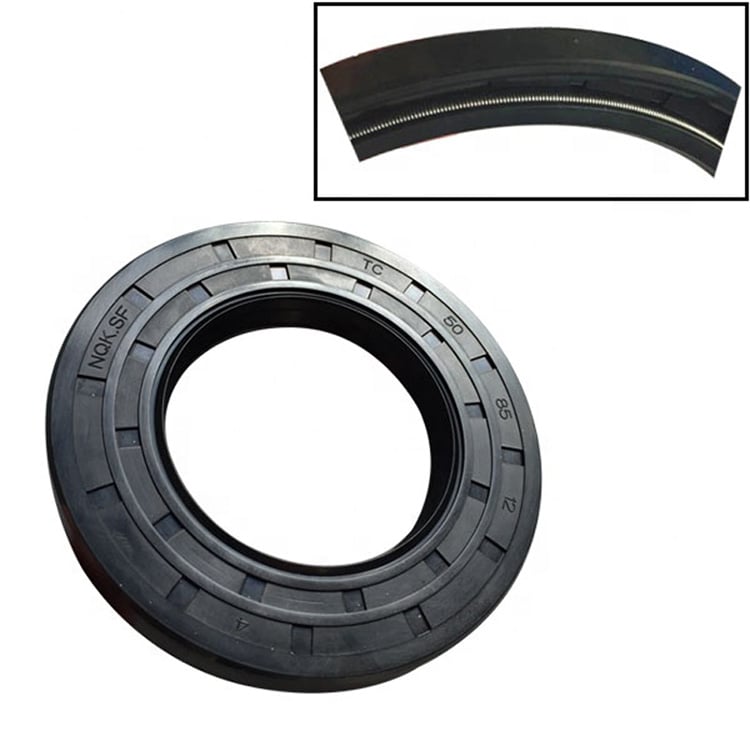
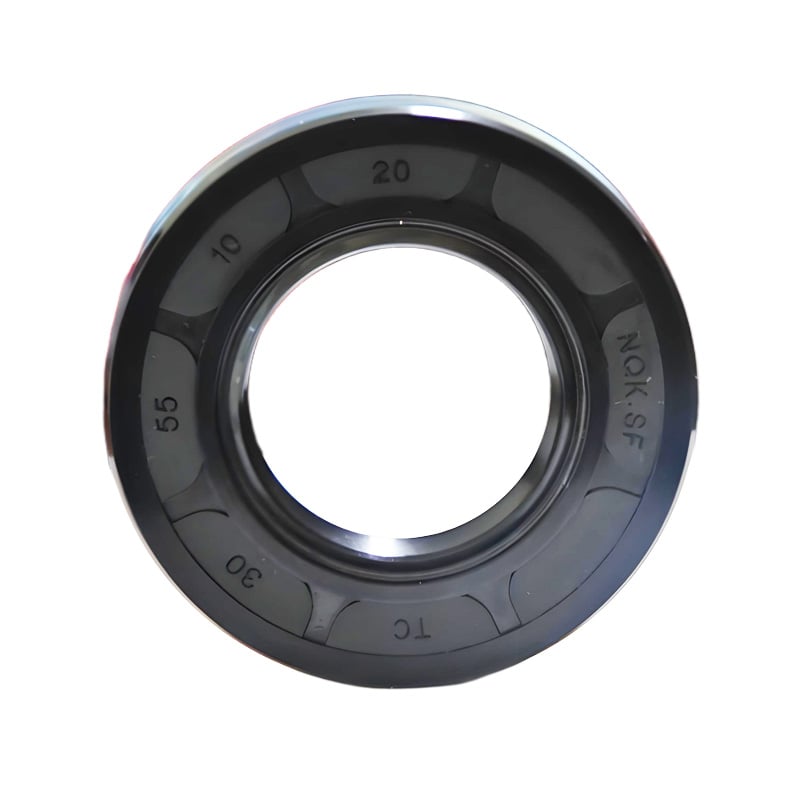
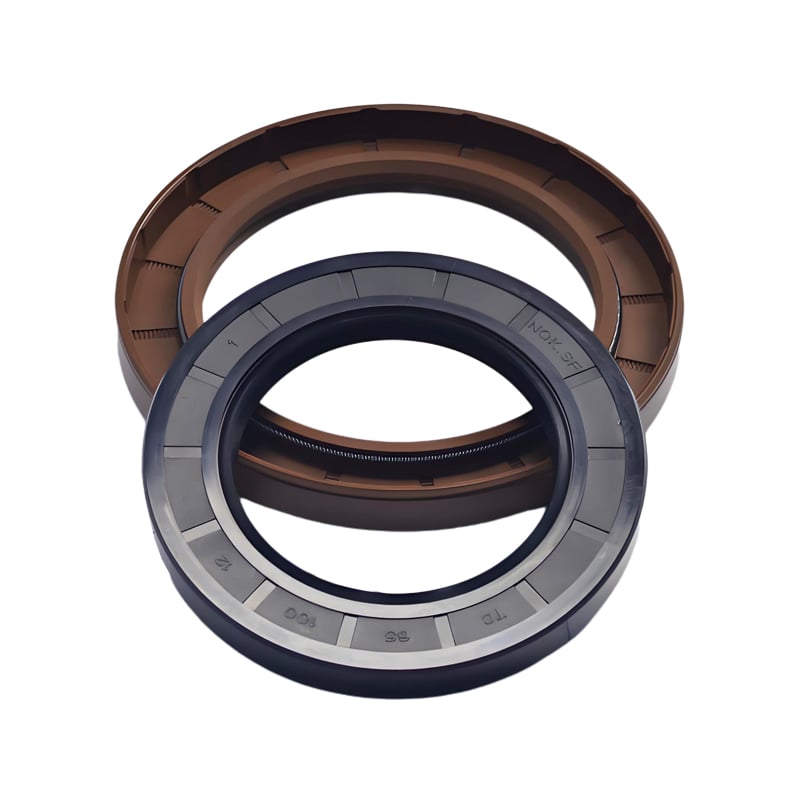
A conventional rotary shaft oil seal is primarily designed to retain lubricant, while additional lip structures can provide protection against external contamination. TC oil seals, for example, feature a primary sealing lip and a secondary dust lip. The main lip helps prevent lubricant leakage, while the outer lip provides additional protection against dust and contaminants entering the sealing area. However, the effectiveness of this structure depends on the actual operating environment, shaft condition, installation quality, and the type of contaminants involved.
When selecting oil seals for equipment exposed to dust, buyers should consider the severity of contamination, shaft speed, lubrication, temperature, and the frequency of maintenance. Fine dust, abrasive particles, water, and mud may create different sealing requirements. In particularly harsh environments, a more protective sealing arrangement may be necessary instead of relying on a standard oil seal alone.
For distributors and equipment manufacturers, understanding the application is often more useful than selecting a seal based only on its dimensions. A suitable sealing design can help reduce contamination-related wear and support longer maintenance intervals, provided the complete sealing system is properly matched to the equipment.
 Hot News
ShanFeng Special Rubber Products Co., Ltd., operating under brand NQKSF since 1990, is a global leader in the sealing industry.
Copyright © 2026 ShanFeng Special Rubber Products Co., Ltd. All rights reserved. Privacy Policy
 EN