
A replacement oil seal may have the correct inner and outer diameters and still be the wrong part. This is a common source of confusion in industrial purchasing. Buyers often send two measurements, receive a product with matching dimensions, and then discover that its width, construction, or material does not match the original application.
The problem is that an oil seal is more than a ring with an inner and outer diameter.
Why the Original Dimensions May Not Tell the Whole Story
Most standard rotary shaft oil seals are identified by three dimensions:
ID × OD × Width
ID refers to the shaft diameter, OD refers to the housing bore diameter, and width refers to the axial thickness of the seal.
For example, a 30 × 52 × 7 mm oil seal is designed around a 30 mm shaft, a 52 mm housing bore, and a 7 mm installation width.
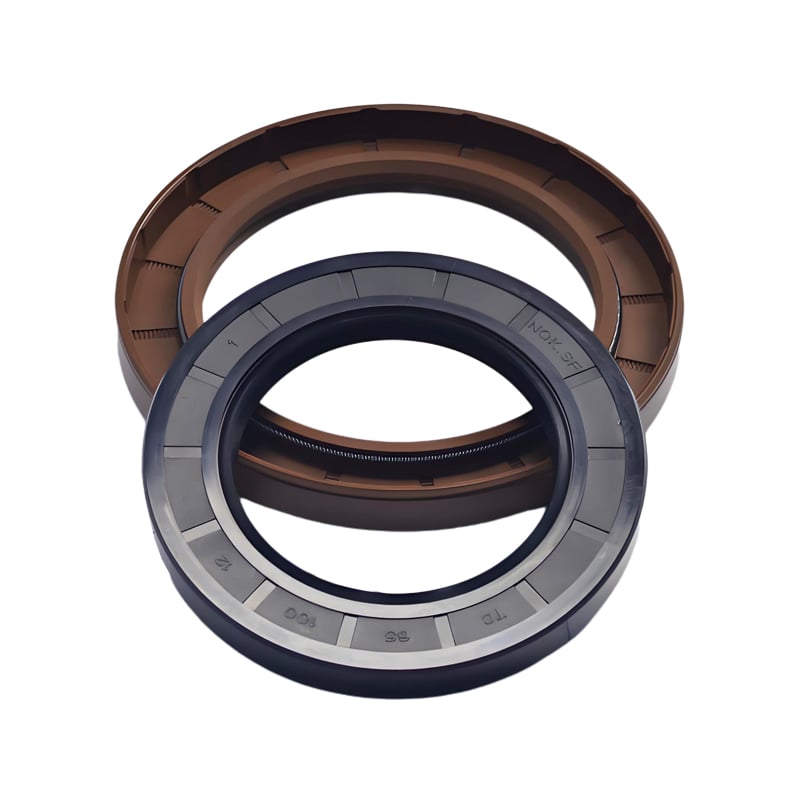
These measurements are essential, but they do not describe the complete construction. Two seals with identical dimensions may have different lip arrangements, metal cases, outer diameters, or spring configurations.
A TC style seal and another profile may fit the same nominal space but provide different contamination protection or installation characteristics. Product codes should also be checked against the relevant manufacturer's catalogue rather than assumed to have identical meanings across all brands.
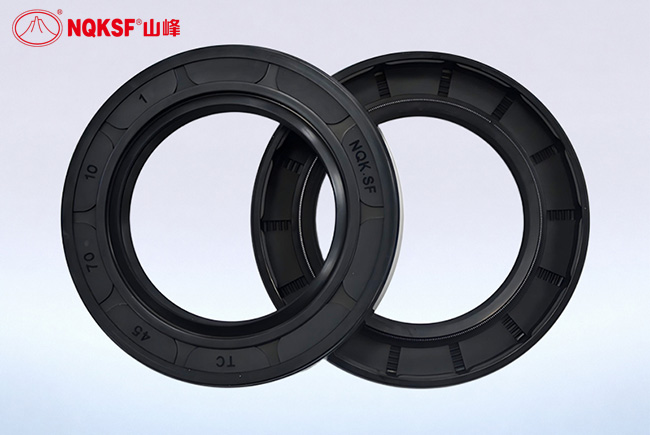
The Details That Often Get Missed
The first overlooked detail is seal width. A replacement that is too wide may interfere with nearby components, while one that is too narrow may not sit correctly in the housing.
The second is the sealing structure. Does the original seal have one lip or two? Is the outer diameter rubber-covered or metal-cased? Does it use a garter spring?
Material is another important consideration. NBR is widely used in many mineral-oil applications, while FKM may be selected for certain higher-temperature or fluid-compatibility requirements. Neither should be chosen without checking the actual operating medium.
Finally, consider the equipment itself. Shaft speed, temperature, pressure, lubrication, and external contamination can all affect the replacement specification.
A Better Way to Send an Oil Seal Inquiry
If you are requesting a quotation, send the three dimensions first, followed by a clear photograph of the original seal. Include any visible markings or part numbers.
If possible, also provide the material, seal type, operating fluid, temperature range, and equipment application.
When the original part is damaged or the model number is unknown, a technical drawing or the equipment manufacturer's part reference can be particularly helpful.
Matching dimensions is the beginning of replacement selection, not the final confirmation. A reliable replacement must fit the housing, match the original sealing requirements, and suit the actual working conditions.
 Hot News
ShanFeng Special Rubber Products Co., Ltd., operating under brand NQKSF since 1990, is a global leader in the sealing industry.
Copyright © 2026 ShanFeng Special Rubber Products Co., Ltd. All rights reserved. Privacy Policy
 EN