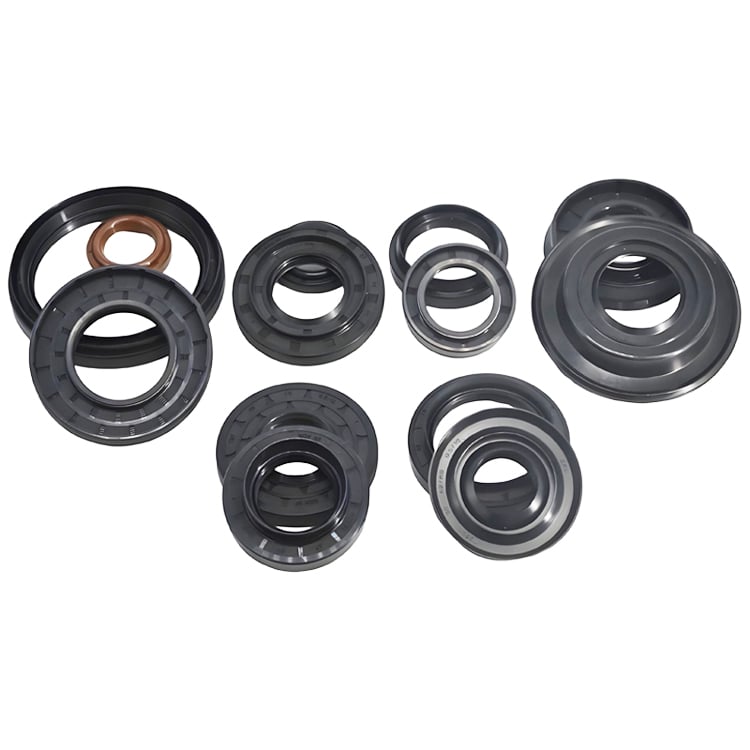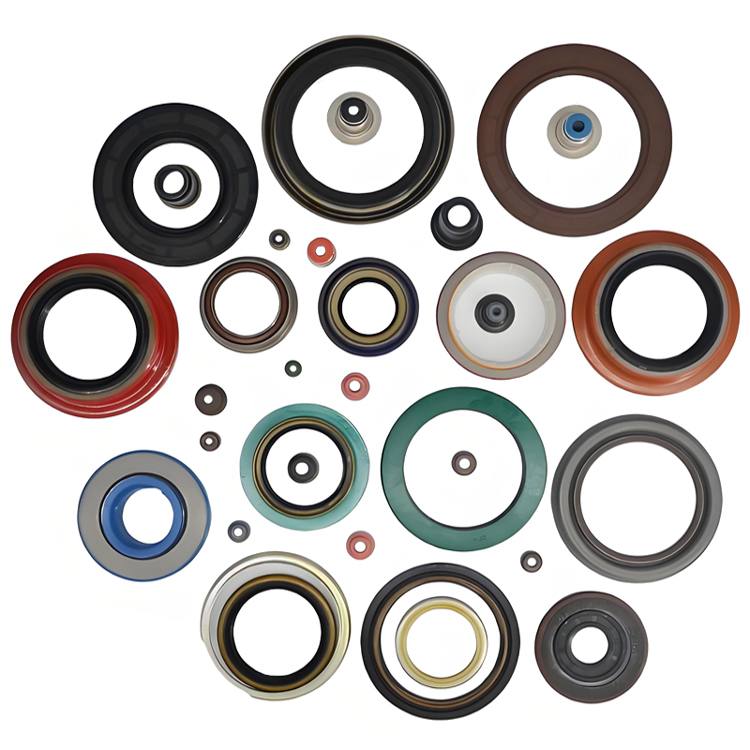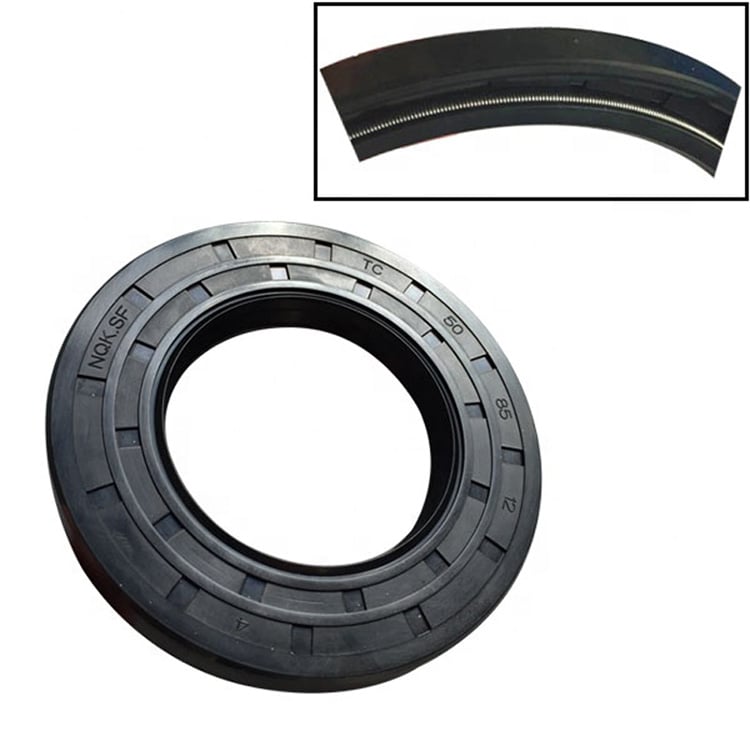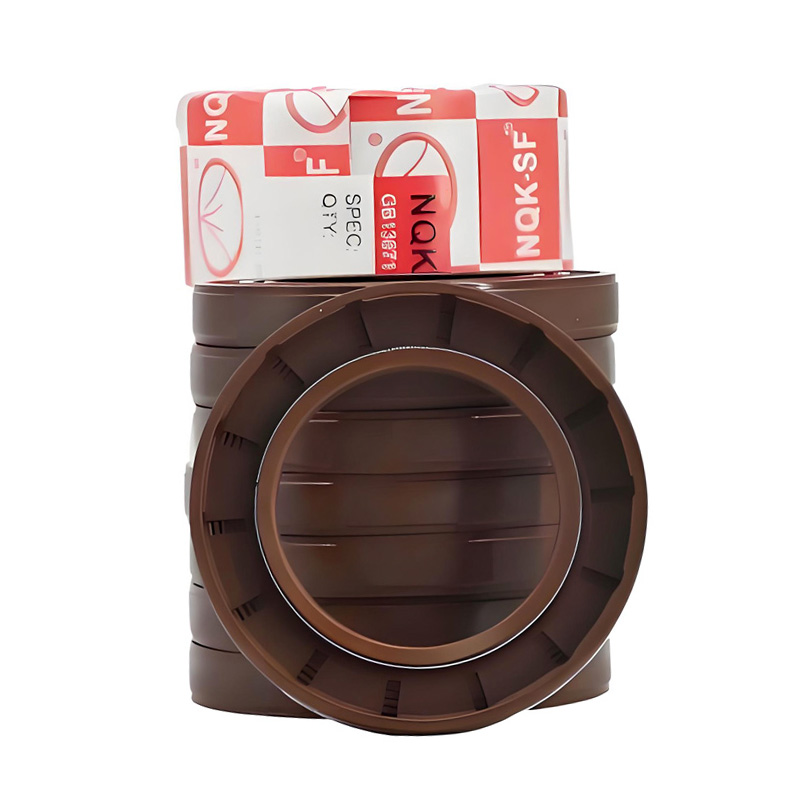

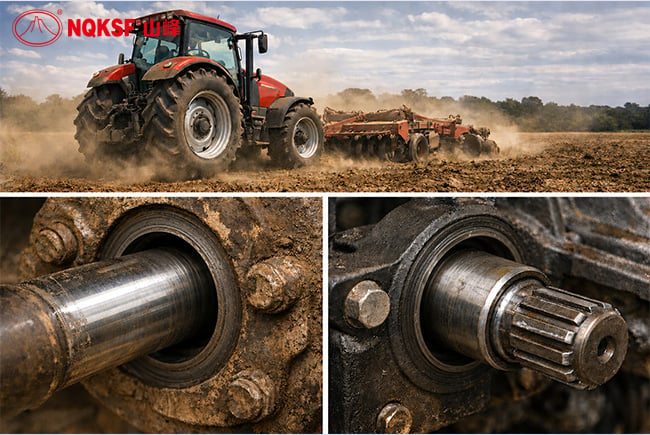
An oil seal does not work independently of the shaft it contacts. Even when the seal itself is manufactured to the correct dimensions, an unsuitable shaft surface can lead to oil leakage, premature lip wear, or unstable sealing performance. Shaft surface finish is therefore an important consideration when selecting and installing rotary shaft seals.
The sealing lip operates against the rotating shaft, and the surface texture directly influences friction, lubrication, and wear. A shaft that is too rough may accelerate lip abrasion, while an unsuitable surface texture may affect the formation and maintenance of the lubricating film between the lip and shaft. Excessive smoothness is not necessarily ideal either, because sealing performance depends on the characteristics of the surface rather than simply achieving the lowest possible roughness value.
Surface finish should be evaluated together with shaft hardness, runout, rotational speed, lubrication conditions, and operating temperature. In high-speed applications, frictional heat and wear become particularly important. If the shaft surface is damaged, corroded, or worn along the sealing contact area, replacing the oil seal alone may not solve the leakage problem.
For equipment manufacturers and maintenance teams, checking shaft condition before installation can help prevent repeated seal replacement. Selecting a suitable oil seal design and ensuring the shaft meets the application's requirements are both necessary for reliable sealing. At NQKSF, oil seal selection involves considering the operating conditions and installation dimensions, rather than treating the seal as an isolated component.
 Hot News
ShanFeng Special Rubber Products Co., Ltd., operating under brand NQKSF since 1990, is a global leader in the sealing industry.
Copyright © 2026 ShanFeng Special Rubber Products Co., Ltd. All rights reserved. Privacy Policy
 EN