ufunguo wa mafuta wa kisasa
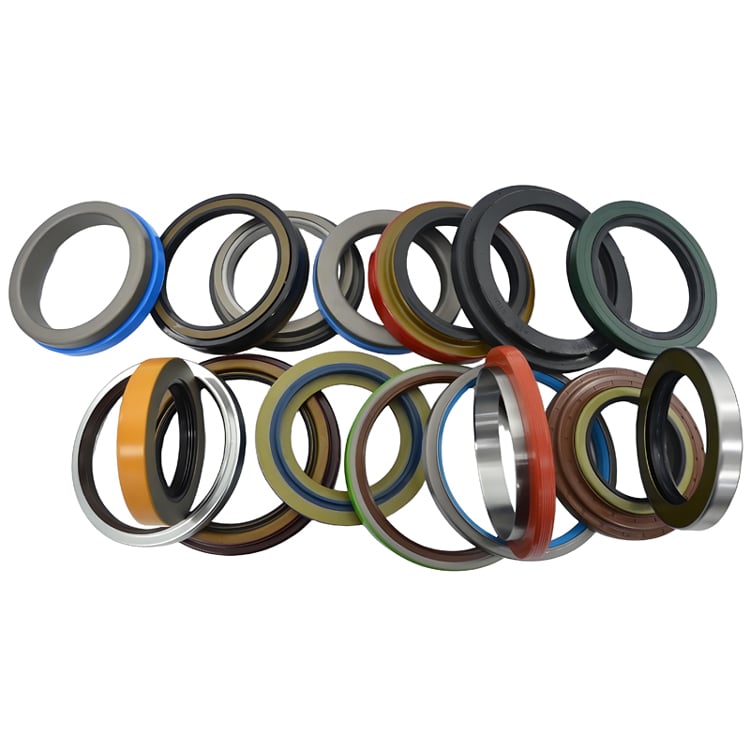
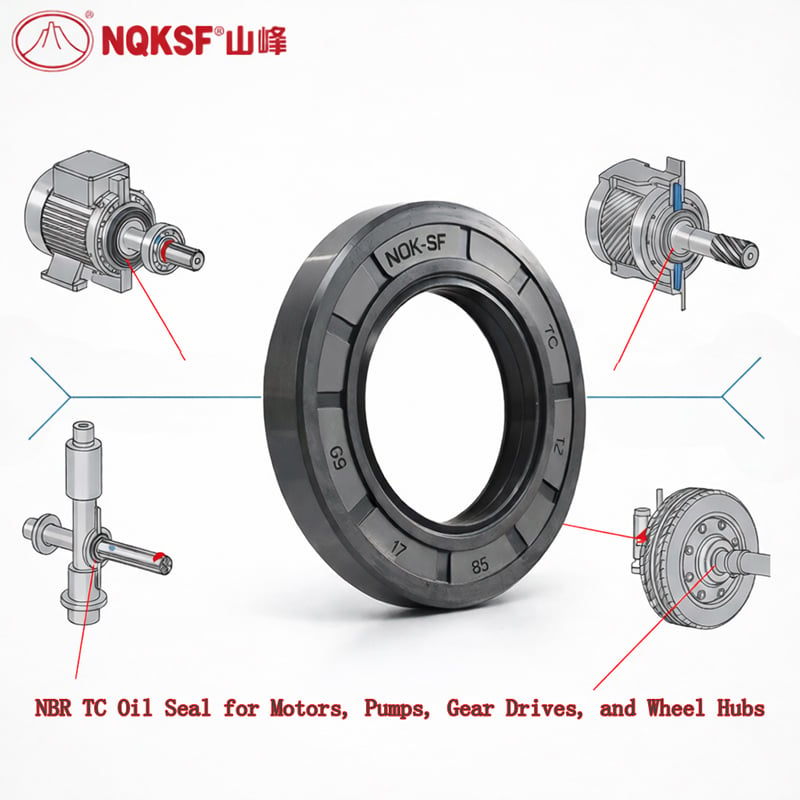
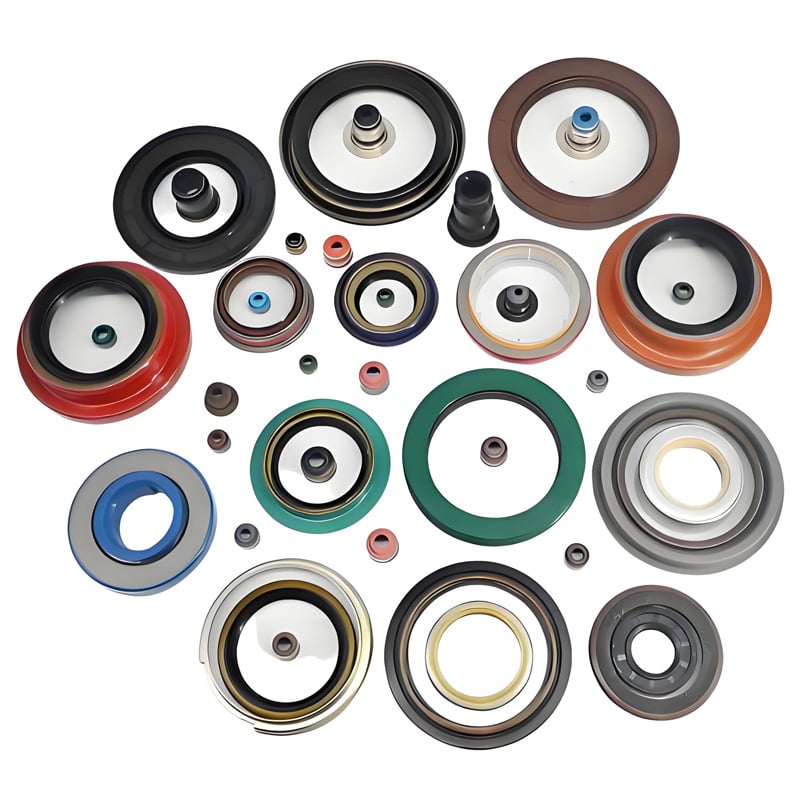
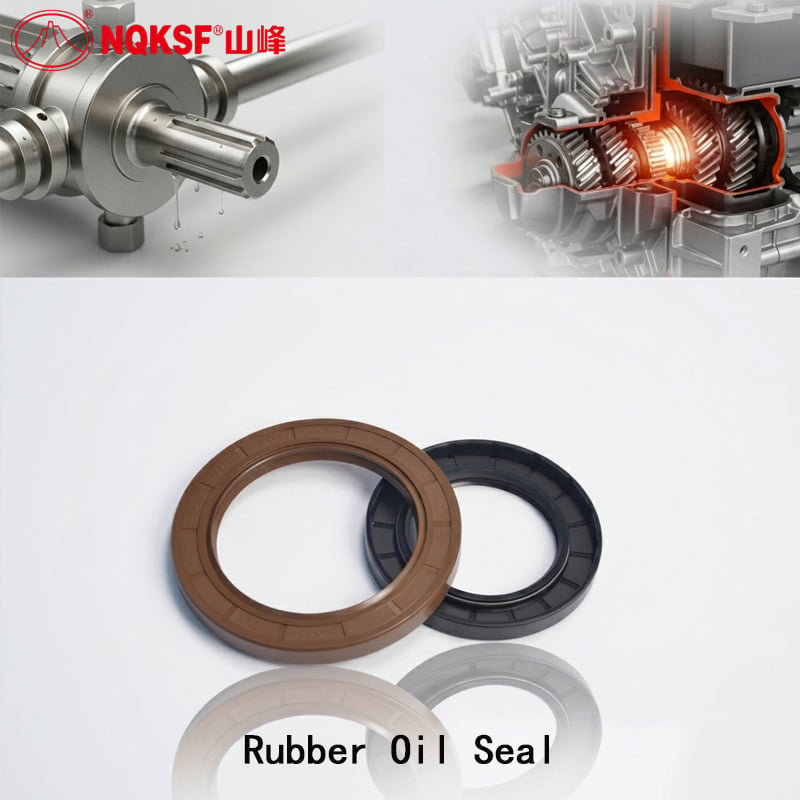
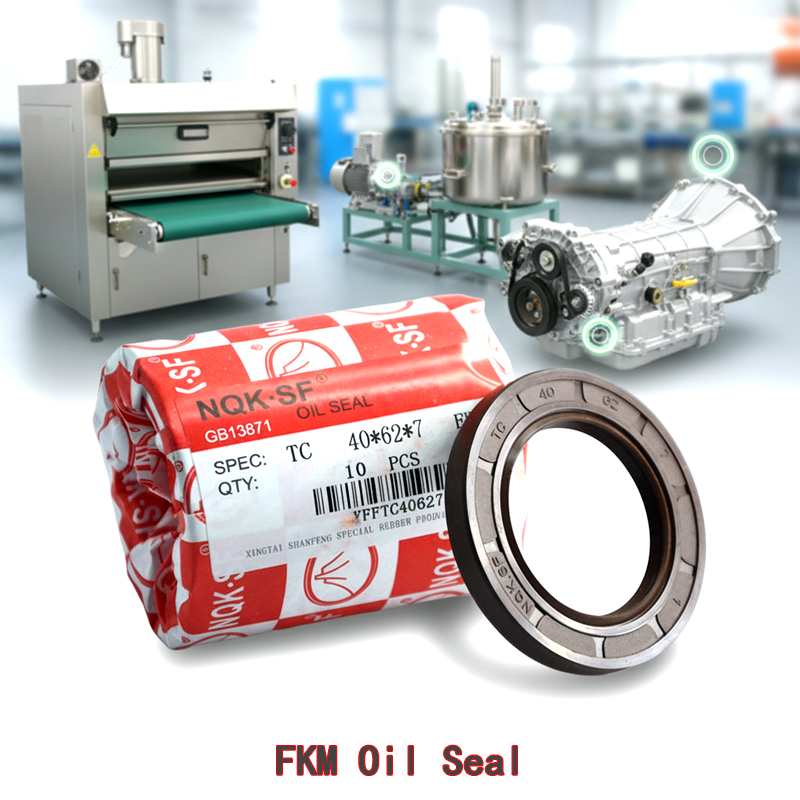
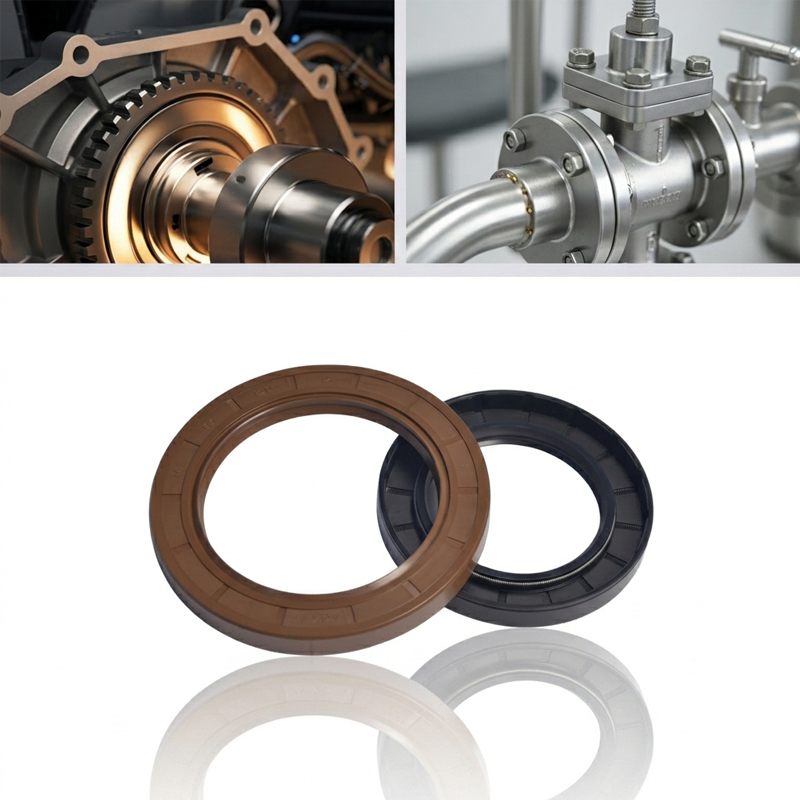
Kifungo cha mafuta kwa mita ni sehemu ya uundaji wa uhakika ambayo inaandaliwa kuzuia kutokwa kwa mafuta katika mifumo ya makinia inayozunguka na mifumo ya hidrolik. Kifungo hiki muhimu cha kufunga kinashughulikia kwa kudumisha barazani iliyodhibitiwa kati ya sehemu zinazozunguka na zile zisizozunguka, kuhakikisha kuweka mafuta na mafuta ya kufanya kazi wakati huo huo kuzuia uingizwaji wa uvimbe katika eneo la makinia muhimu. Kifungo cha mafuta kwa mita kinafanya kazi kama kilio cha ulinzi kinachopanua muda wa kufanya kazi wa makinia kwa kudumisha kiwango cha mafuta na uaminifu wa mfumo. Vipengele vya teknolojia vya kifungo cha mafuta kwa mita vinajumuisha vitu vya kuvutia vya kisasa, kama vile nitrile au fluorocarbon, vinavyotoa uwezo wa kudumu na upinzani wa kemikali kwa kiasi kikubwa. Kifungo hiki pia hukidhi vipimo vya mita vinavyotumika kawaida, kuhakikisha uwezekano wa kufanana na vipimo vya kimataifa vya makinia. Kifungo cha mafuta kwa mita hujumuisha mfumo wa spring unaofanya kazi kwa uhakika ili kudumisha shinikizo la mara kwa mara dhidi ya shafiti zinazozunguka, ikibadilika kiotomatiki kulingana na uvimbe na mabadiliko ya joto. Faida za teknolojia muhimu zinajumuisha muundo wa msuguano mdogo, kupungua kwa uzito wa joto, na upotevu mdogo wa nishati wakati wa kufanya kazi. Kifungo cha mafuta kwa mita huchanganywa kwa kihakika cha juu, kuhakikisha utendaji bora katika matumizi yoyote ya viwanda. Matumizi yake yanajumuisha mifumo ya kutuma kwenye magari, pombo za viwanda, compressor, na makinia ya kilimo. Kifungo cha mafuta kwa mita hufanya kazi nzuri katika mazingira yanayotegemea baridi sana hadi joto kali, kumefanya kuwa muhimu sana katika viwanda, ujenzi, na sekta ya usafiri. Uwezekano wake wa kutumika katika mazingira mbalimbali na uwezo wake wa kufunga kwa uaminifu unamfanya kifungo cha mafuta kwa mita kuwa sehemu muhimu ya mfumo wa makinia ya kisasa duniani kote.

 EN
EN