motor oil seal
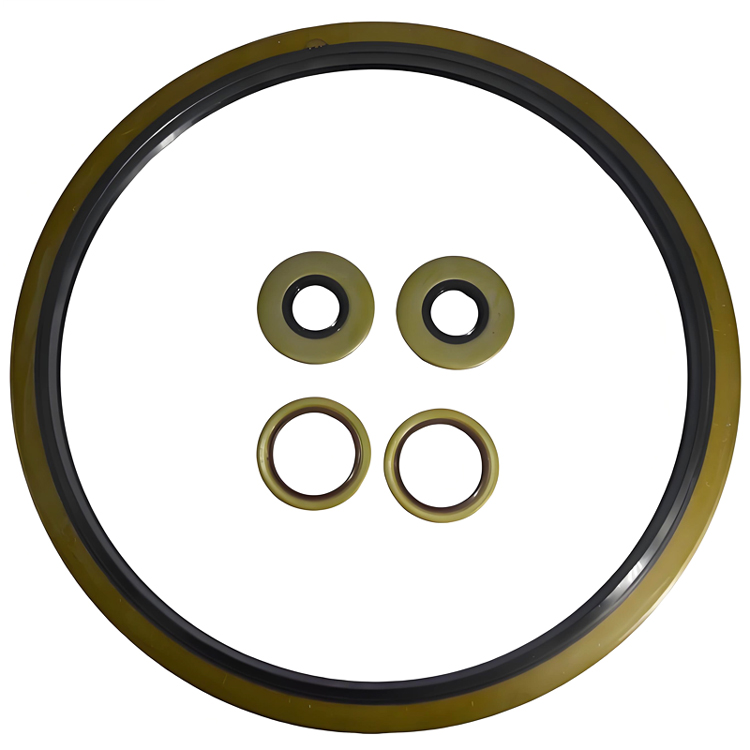
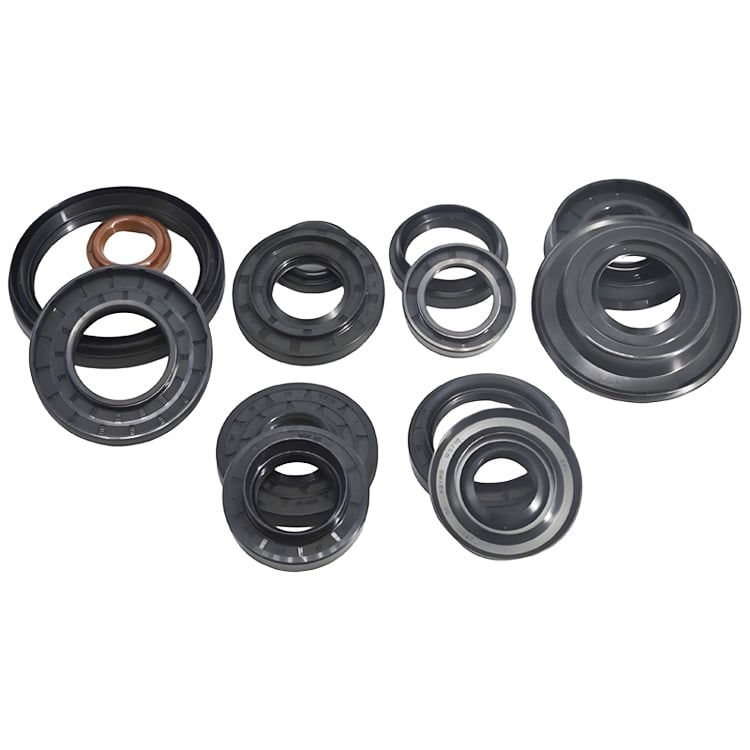
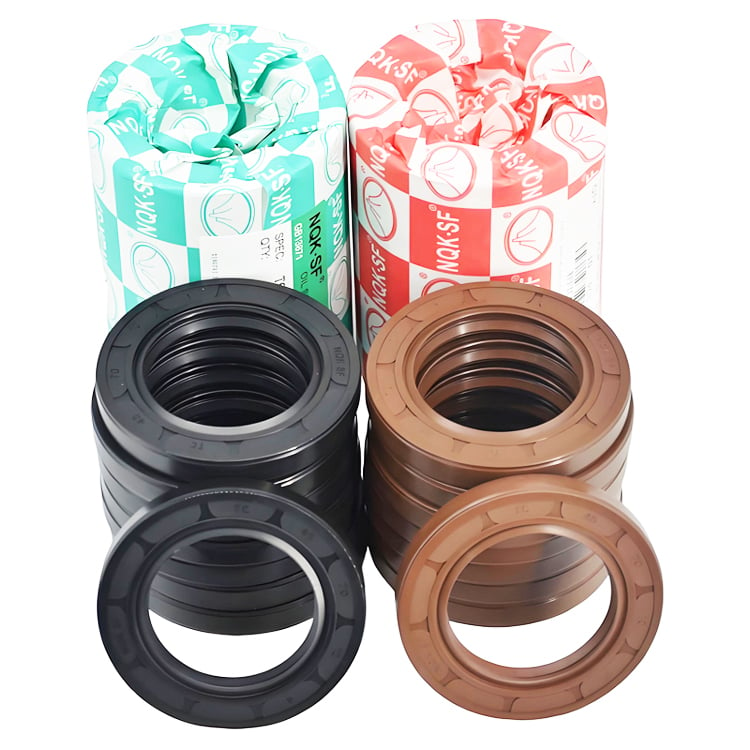
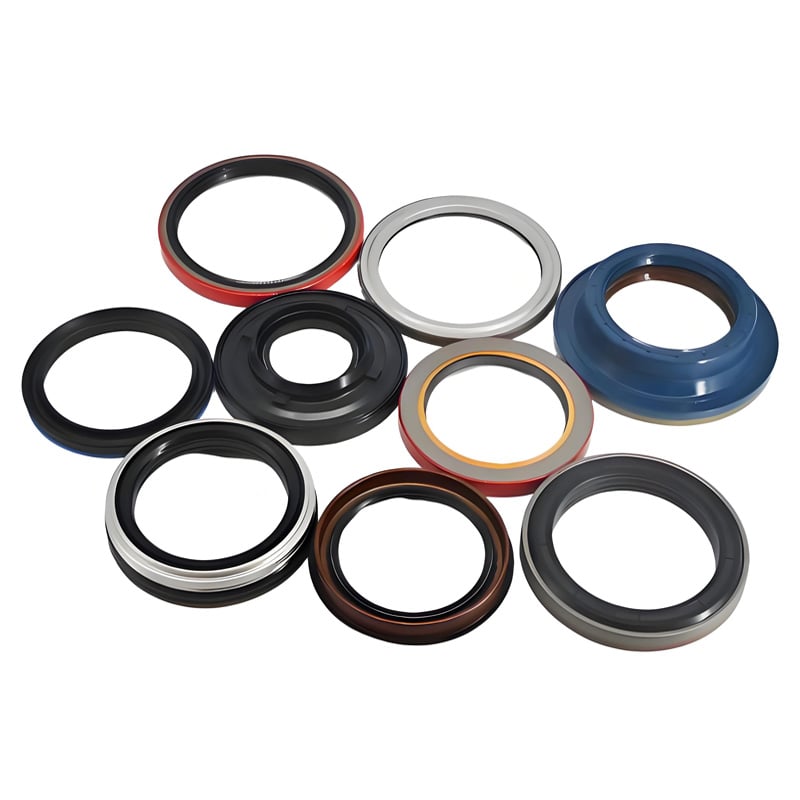
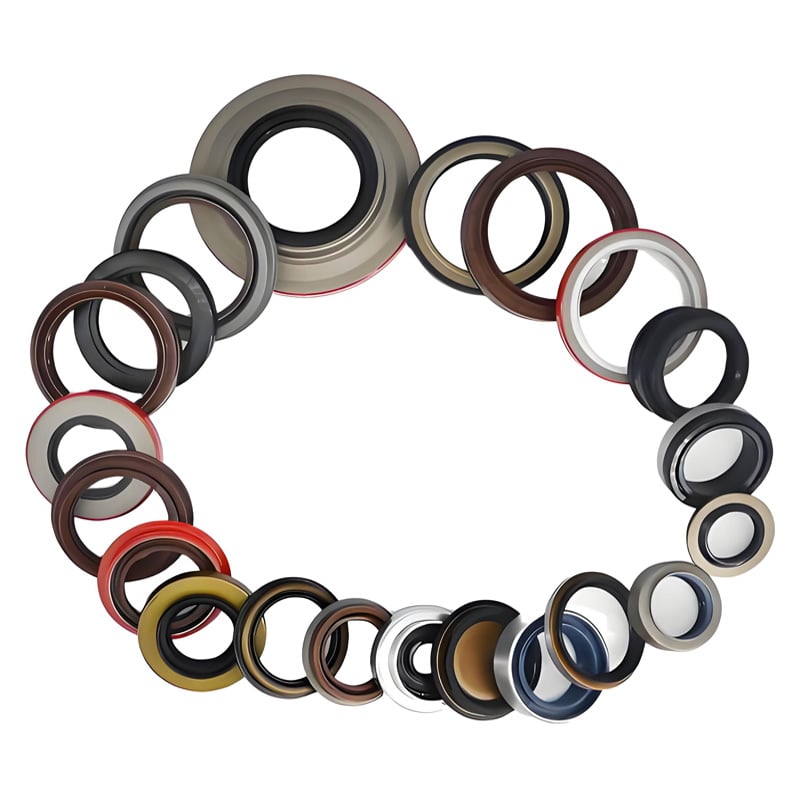
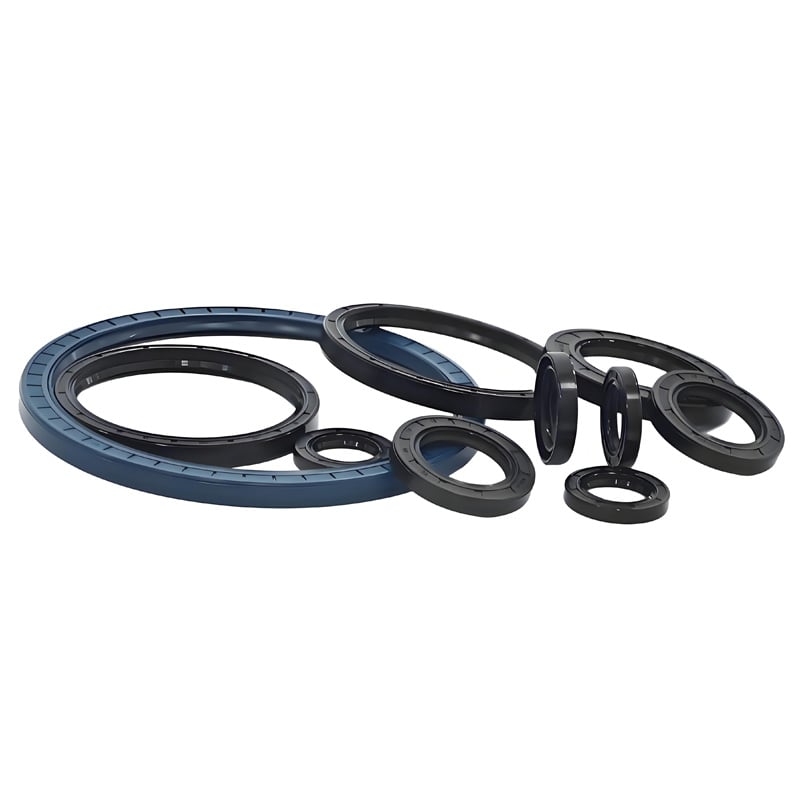
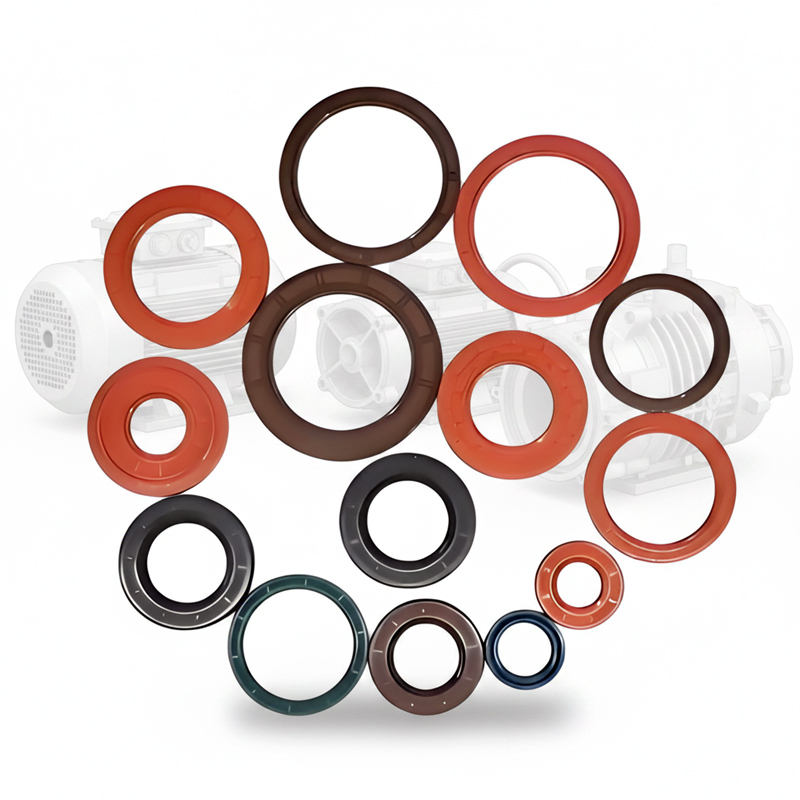
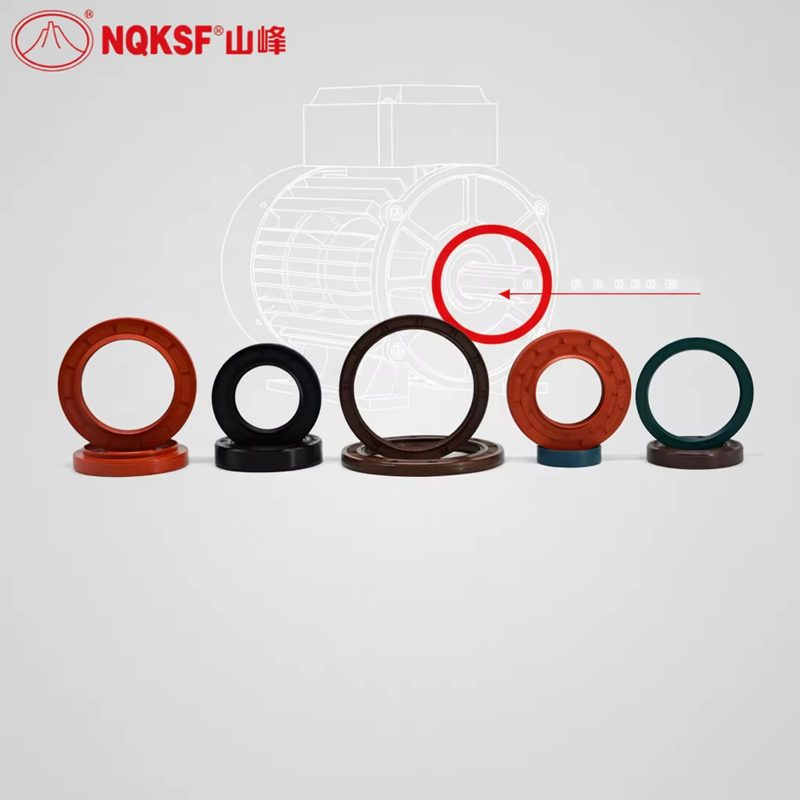
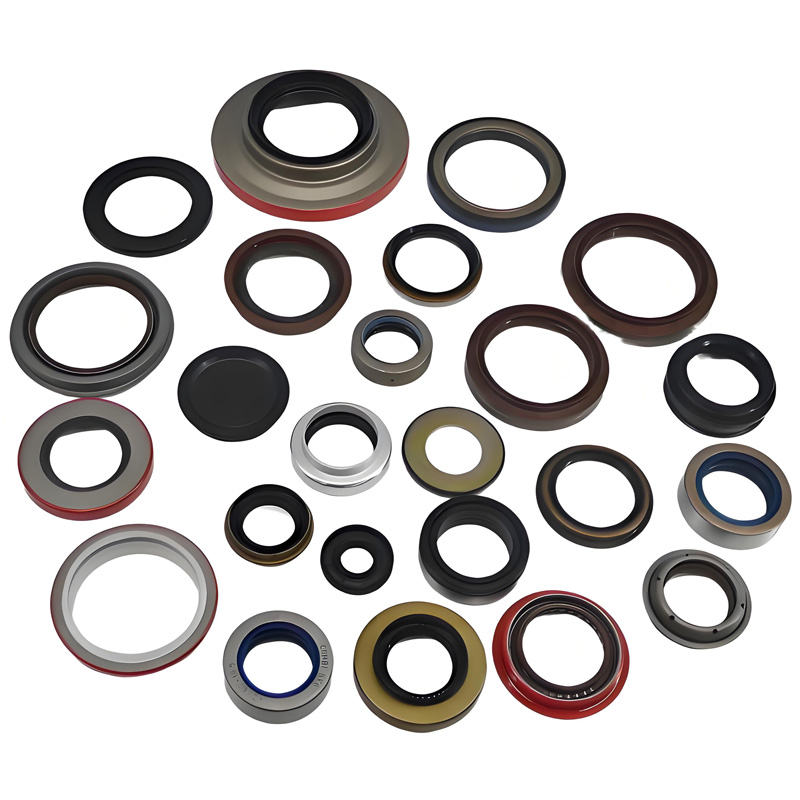
A motor oil seal is a critical component designed to prevent oil leakage from the engine and maintain proper lubrication throughout the system. This essential automotive part serves as a barrier between moving and stationary engine parts, ensuring that motor oil remains contained within designated areas while keeping contaminants out. The motor oil seal functions by creating a watertight barrier that accommodates engine vibrations and temperature fluctuations without compromising its integrity.
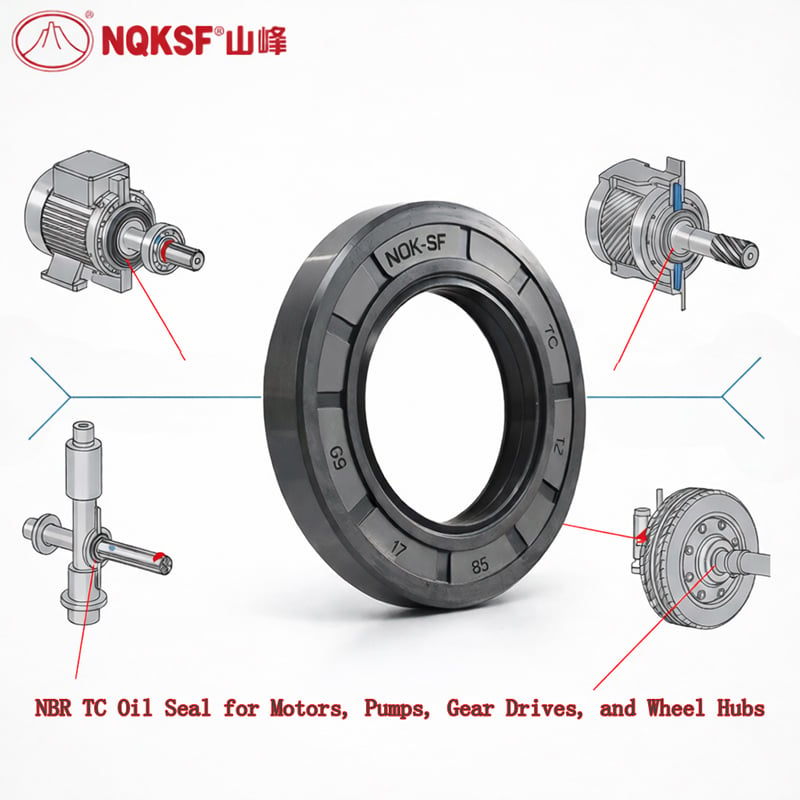
Modern motor oil seal technology incorporates advanced materials such as fluoroelastomer and silicone compounds that withstand extreme heat, pressure, and chemical exposure. These materials allow the motor oil seal to maintain flexibility and durability even under demanding operating conditions. The design of a motor oil seal typically features a spring-loaded lip mechanism that maintains consistent contact with rotating or reciprocating surfaces, preventing fluid escape while minimizing friction.
Applications for the motor oil seal extend across all types of internal combustion engines, including passenger vehicles, commercial trucks, and industrial machinery. Whether in automotive crankshaft seals, camshaft applications, or transmission housings, the motor oil seal plays a vital role in engine reliability and performance. Proper motor oil seal function directly impacts engine longevity, fuel efficiency, and environmental protection by preventing oil contamination and loss. Understanding the importance of this component helps vehicle owners appreciate routine maintenance and timely replacements.

 EN
EN