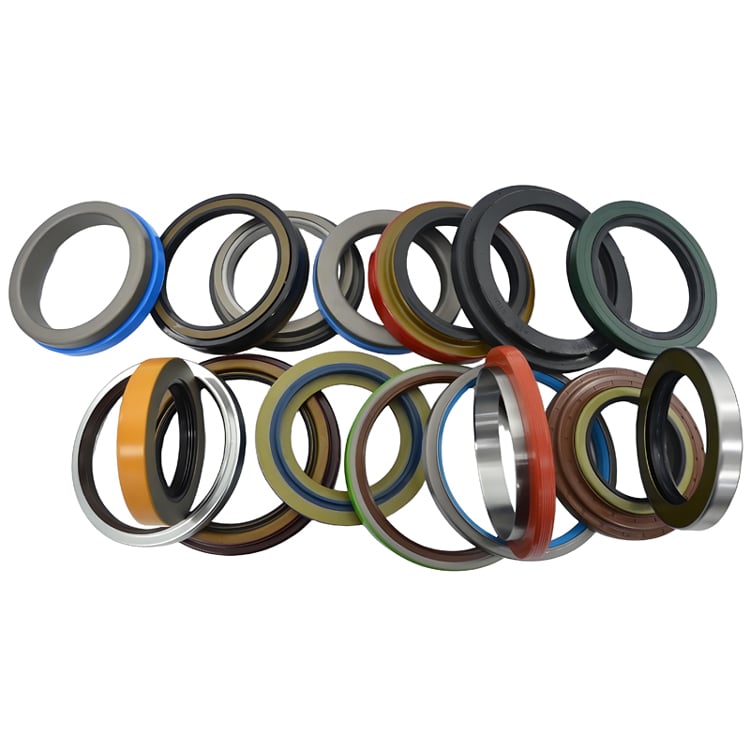
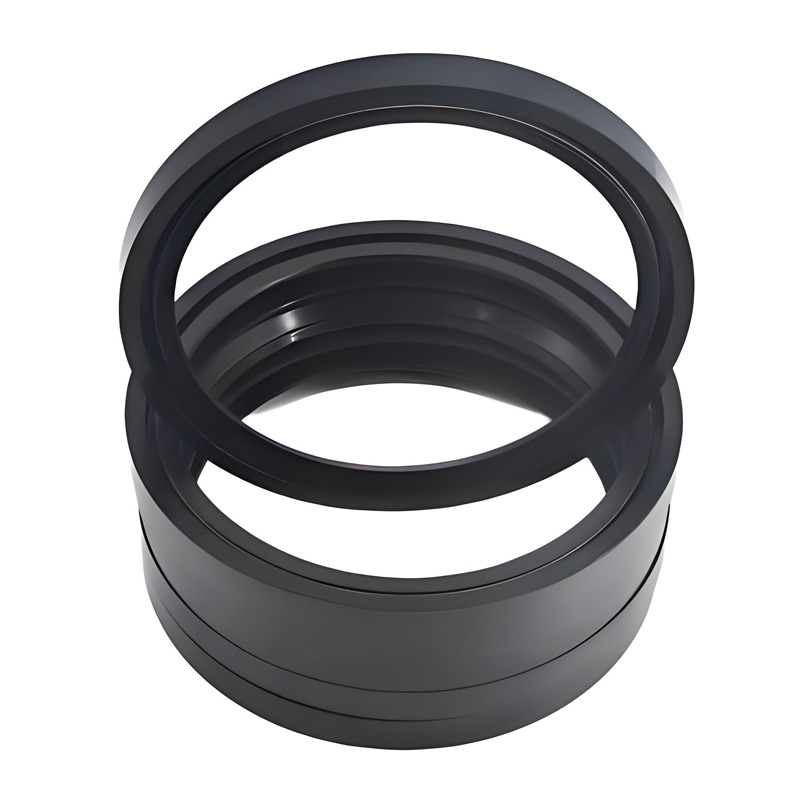
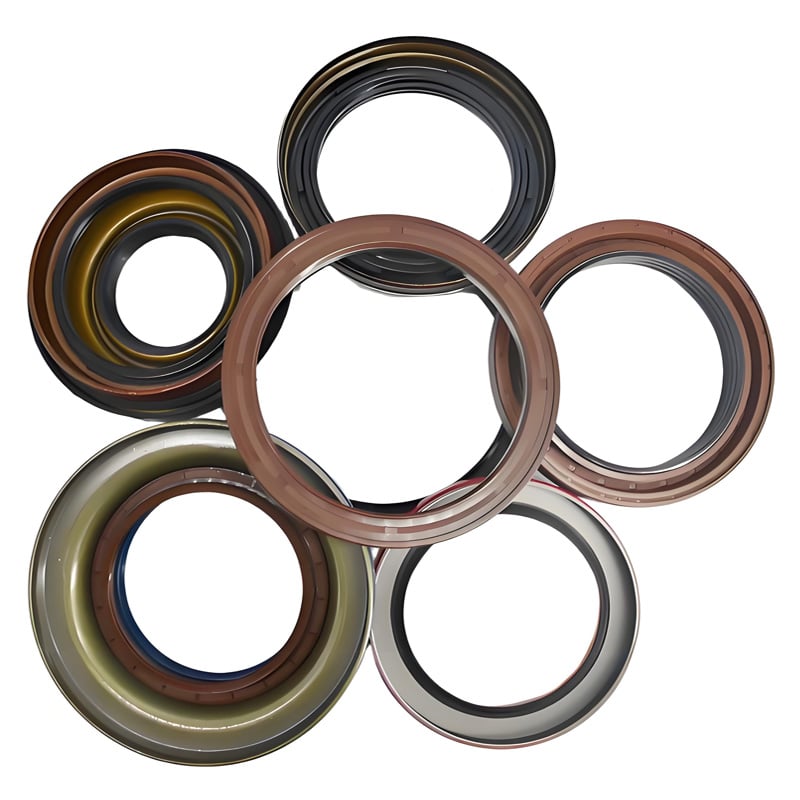
oil seal tc type
The oil seal tc type represents a fundamental component in modern machinery and equipment, designed to prevent fluid leakage while maintaining optimal performance. This specialized sealing device functions as a barrier between rotating and stationary parts, effectively containing lubricants and other fluids within designated areas while preventing external contaminants from entering critical mechanical systems.
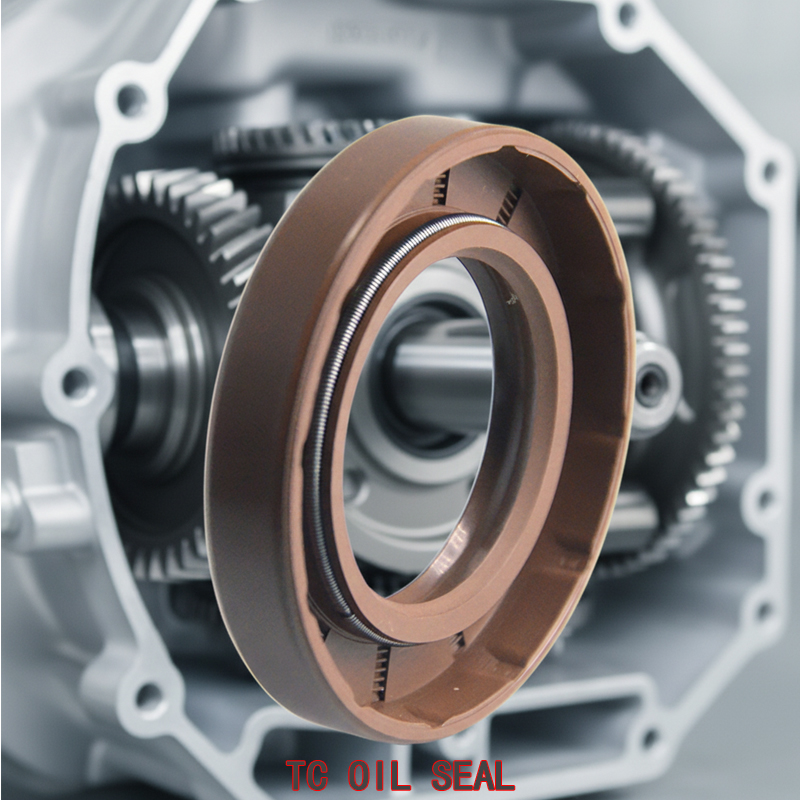
The oil seal tc type operates by creating a tight seal around a rotating shaft, utilizing precision engineering and advanced materials. The technology behind the oil seal tc type involves a spring-loaded elastomer lip that maintains consistent contact with the shaft surface, ensuring reliable performance across varying operational conditions. This design principle makes the oil seal tc type highly effective in applications requiring continuous protection.
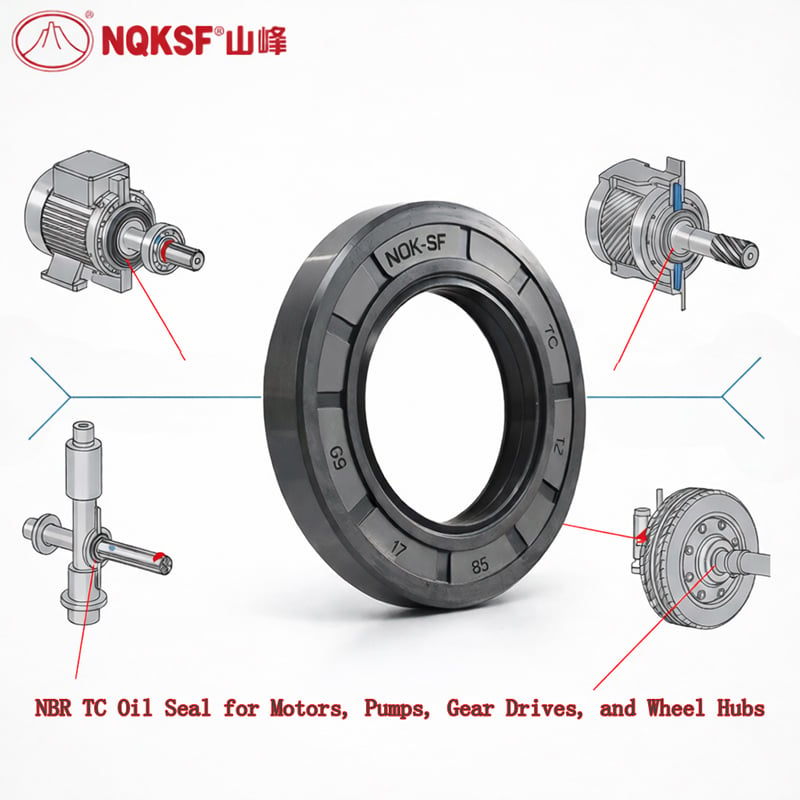
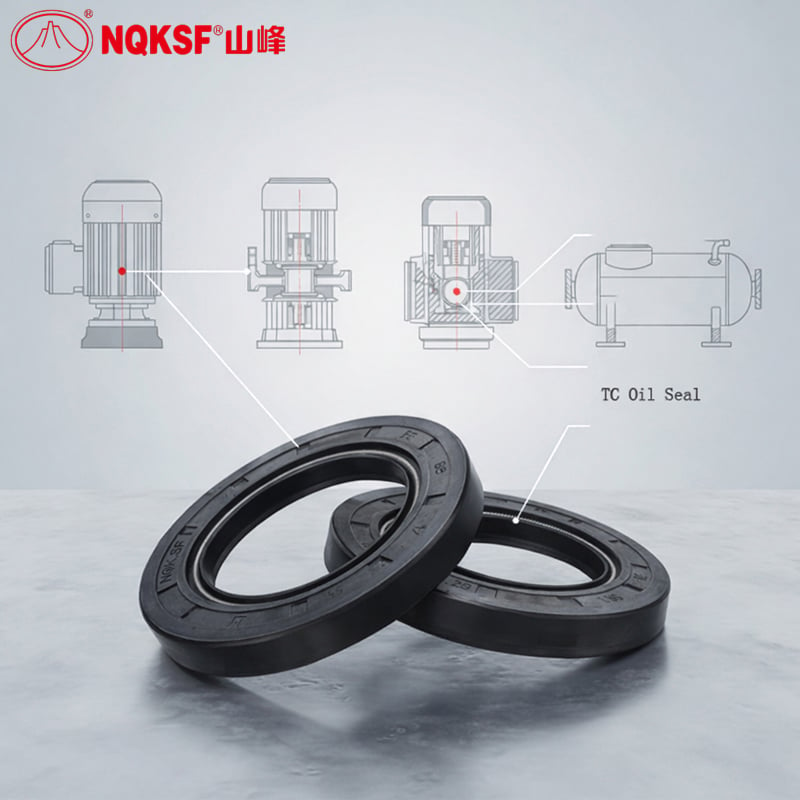
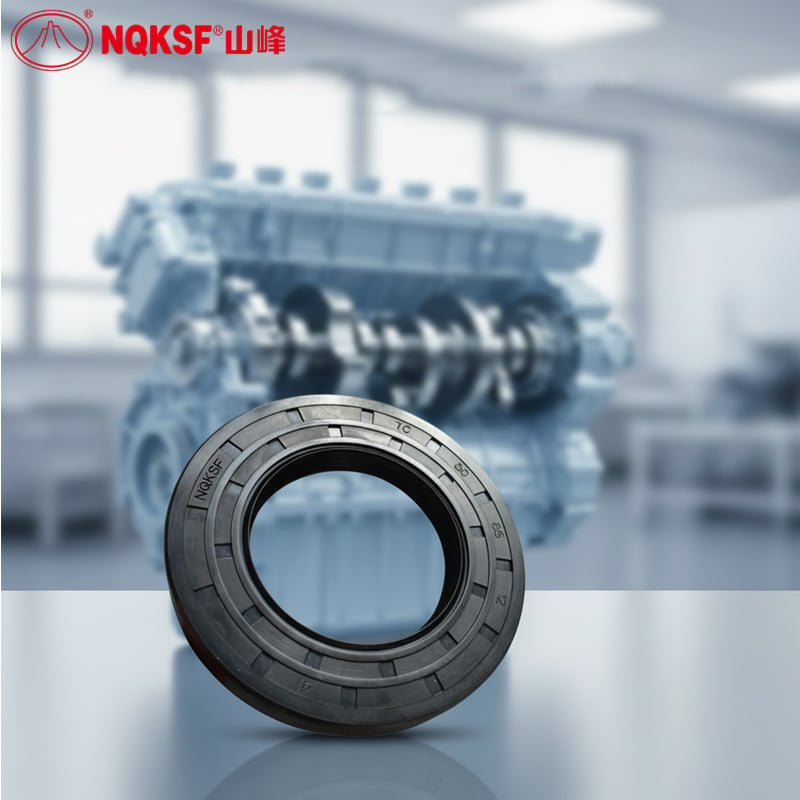
Applications for the oil seal tc type span numerous industries, including automotive, industrial machinery, hydraulic systems, and power generation equipment. The oil seal tc type performs exceptionally in engines, transmissions, pumps, and compressors where fluid containment is critical. Its versatility extends to both standard and demanding environments, making the oil seal tc type an essential component for equipment manufacturers and maintenance professionals.
The technological features of the oil seal tc type include robust construction, temperature resistance, and compatibility with various fluid types. Modern iterations of the oil seal tc type incorporate advanced materials that withstand extreme pressures and temperatures while maintaining their sealing integrity. This combination of functionality and durability has established the oil seal tc type as an industry standard for preventing leakage and extending equipment lifespan.

 EN
EN