skeleton maslovchi yopish
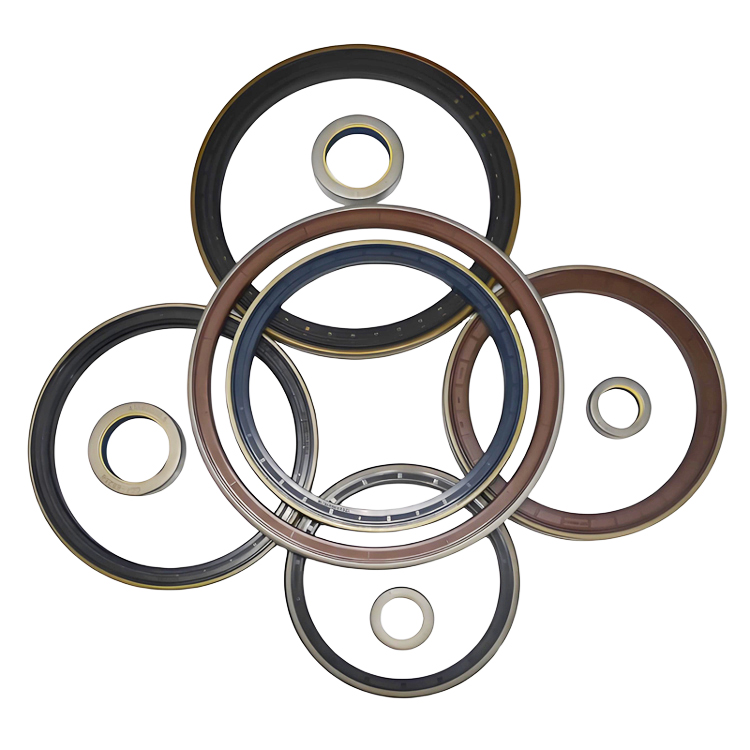
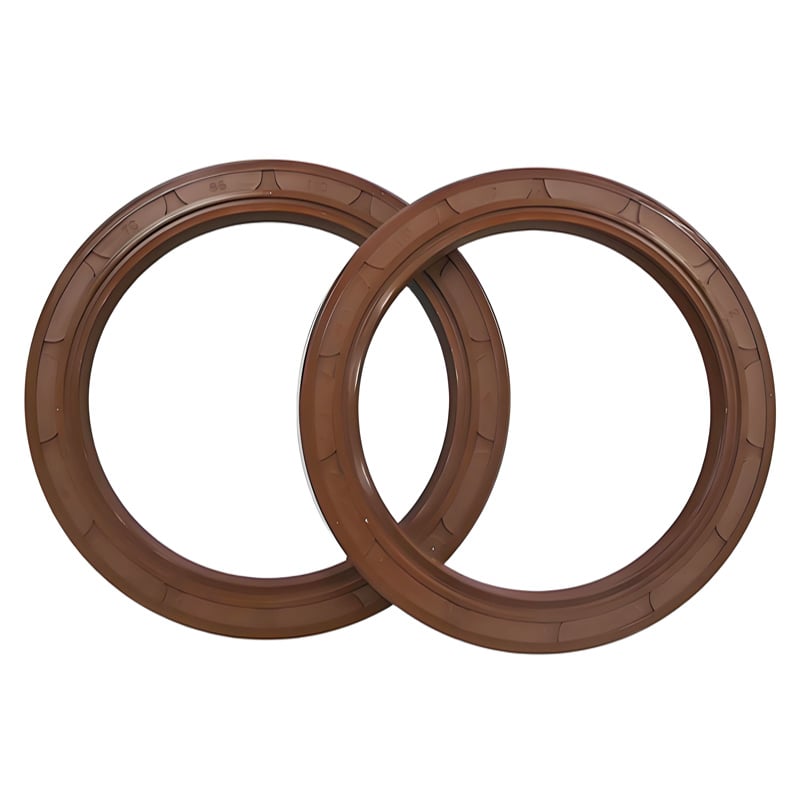
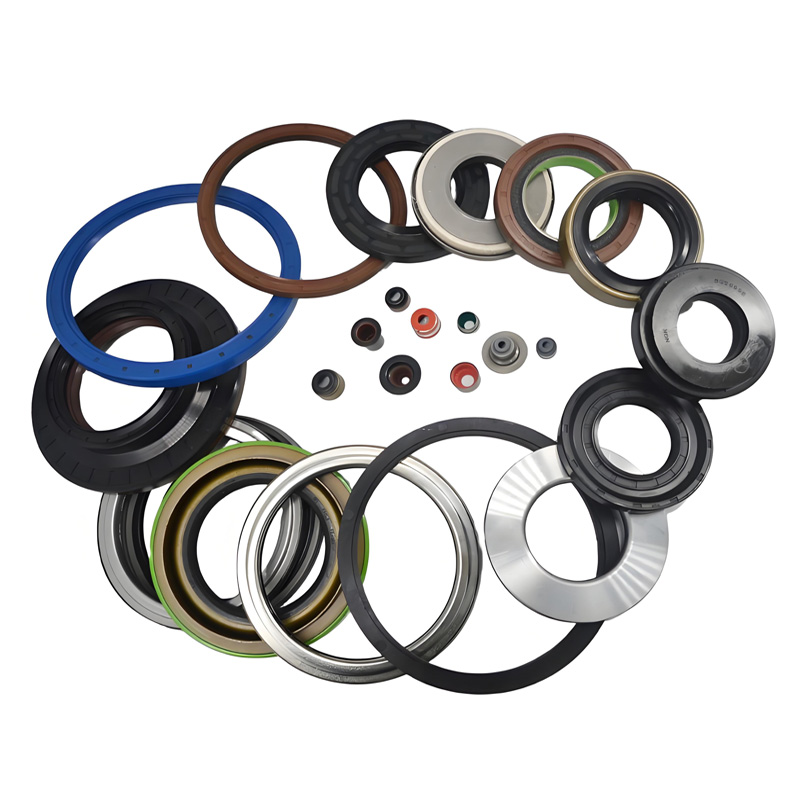
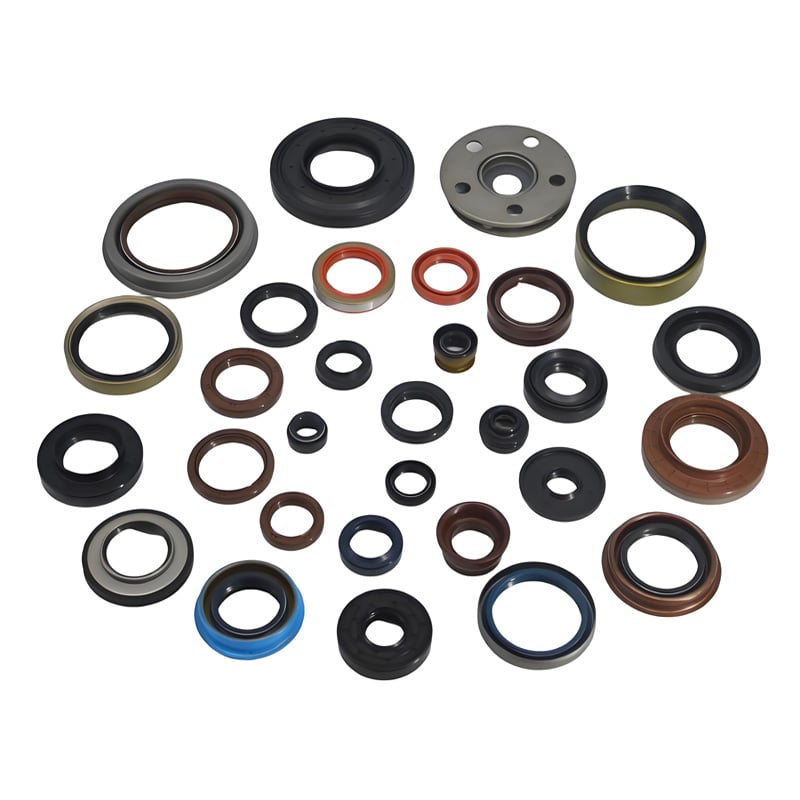
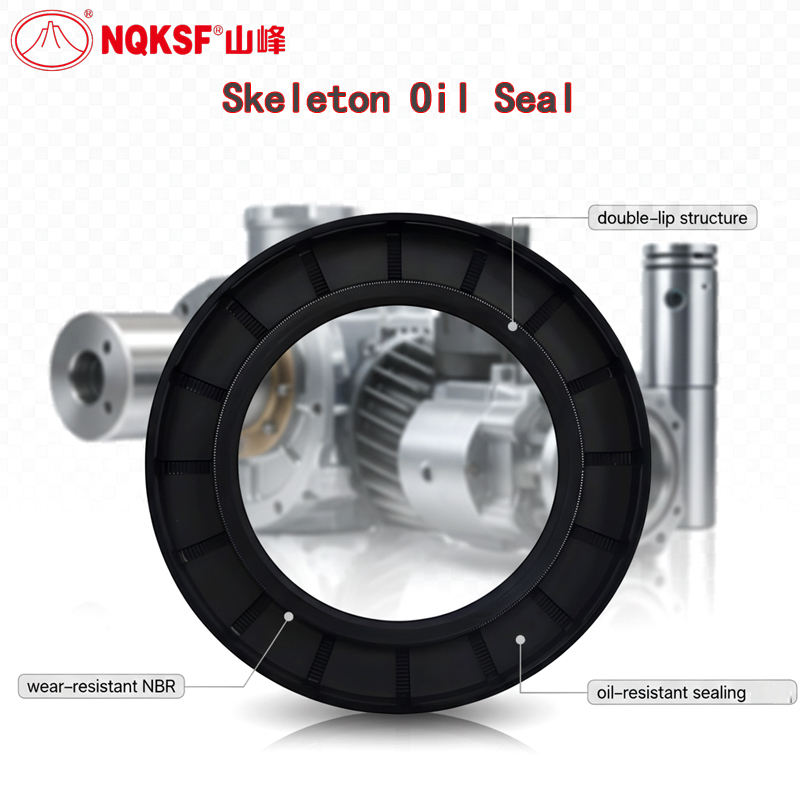
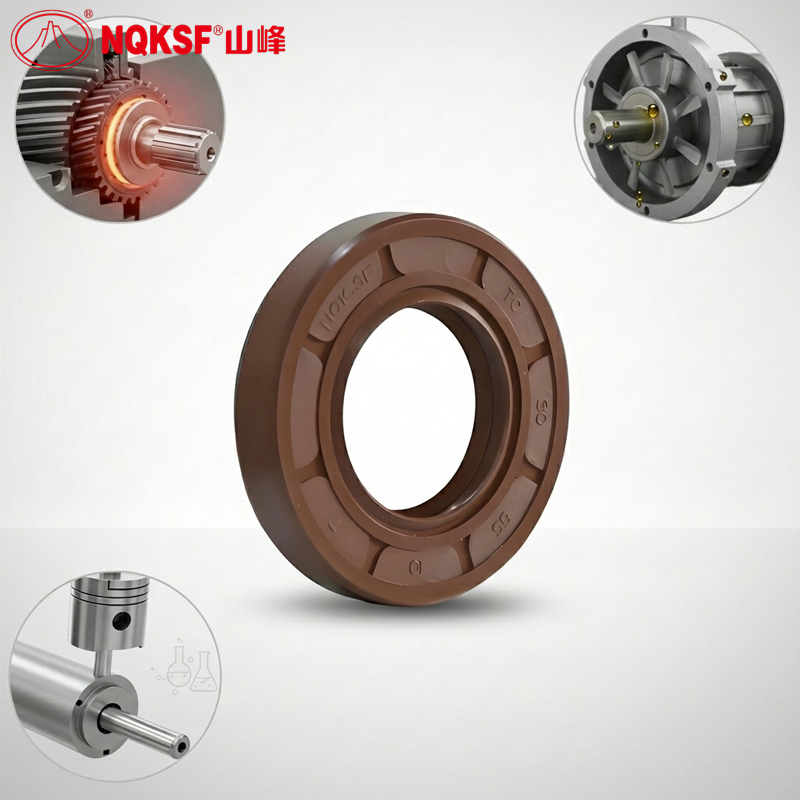
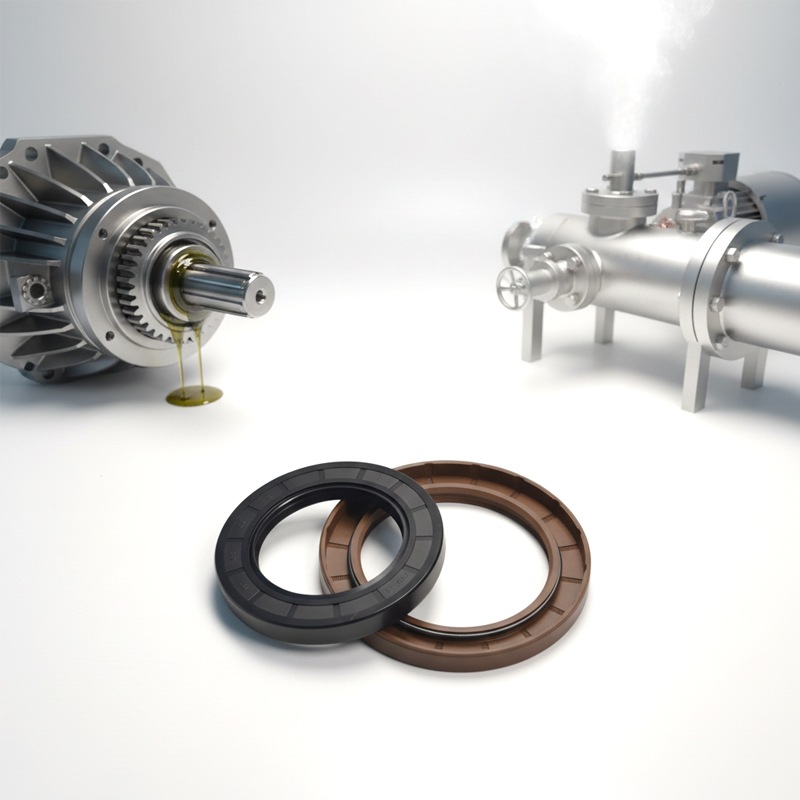
Skeletli moy sig'imi zamonaviy mexanik tizimlarning muhim qismi bo'lib, qattiq sanoat sharoitida moy oqib ketishini oldini oladi va optimal ishlashni ta'minlaydi. Bu maxsus sig'imbosh aylanayotgan va aylanmaydigan yuzalar o'rtasida to'siq hosil qiladi, shu bilan birga mexanizmlarga moylash moylarini saqlab turadi va chetgi iflosliklarni chetlab o'tkazadi. Skeletli moy sig'imi metall burmalarning tortish kuchi va elastomer materiallarining birlashmasi orqali ishlaydi; ular birgalikda val yuzasiga doimiy bosim qo'llaydi. Skeletli moy sig'iminining asosiy vazifasi dvigatellarda, nasoslarda, reduktorlarda va avtomobil tizimlarida aylanayotgan vallarni sig'imboshlashdir. Skeletli moy sig'imi turli val tezliklari va ishlatish haroratlariga mos keladigan aniq muhandislik yechimlari orqali bu vazifani bajaradi. Unikal dizaynida elastomer labdan iborat moslashuvchan qismni qo'llab-quvvatlaydigan metall ramka mavjud bo'lib, bu skeletli moy sig'iminining mayda val nuqsonlariga moslashishini va samarali sig'imboshlashni saqlab turishini ta'minlaydi. Texnologik jihatdan skeletli moy sig'imi ekstremal sharoitlarda ishonchlilikni ta'minlaydigan ilg'or materiallar va ishlab chiqarish usullaridan foydalanadi. Metall burma qismi doimiy radial kuchni beradi, elastomer sig'imbosh labi esa val yuzasiga doimiy aloqada turadi. Skeletli moy sig'imi odatda -40°C dan +120°C gacha bo'lgan harorat oralig'ida ishlaydi, shu sababli turli xil sohalarda qo'llanilishi mumkin. Konstruksiyasi skeletli moy sig'iminining valning siljish va markazdan chetlanishini qabul qilishini ta'minlaydi va sig'imboshning butunligini buzmaydi. Qo'llanilish sohalari avtomobil dvigatellari, sanoat jihozlari, gidravlik tizimlar va qishloq xo'jaligi texnikasi hisoblanadi. Zamonaviy skeletli moy sig'imi dizaynlari doimiylik, arzonlik va atrof-muhitga moslikni ta'minlashga e'tibor qaratadi, shu sababli ular zamonaviy muhandislik yechimlarida beqiyos ahamiyatga ega.

 EN
EN