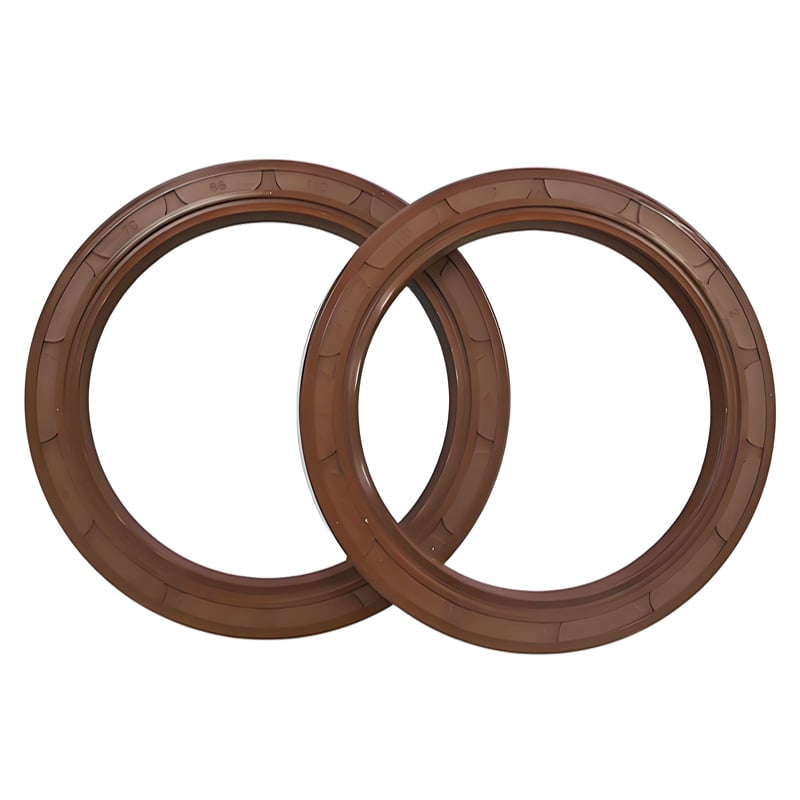
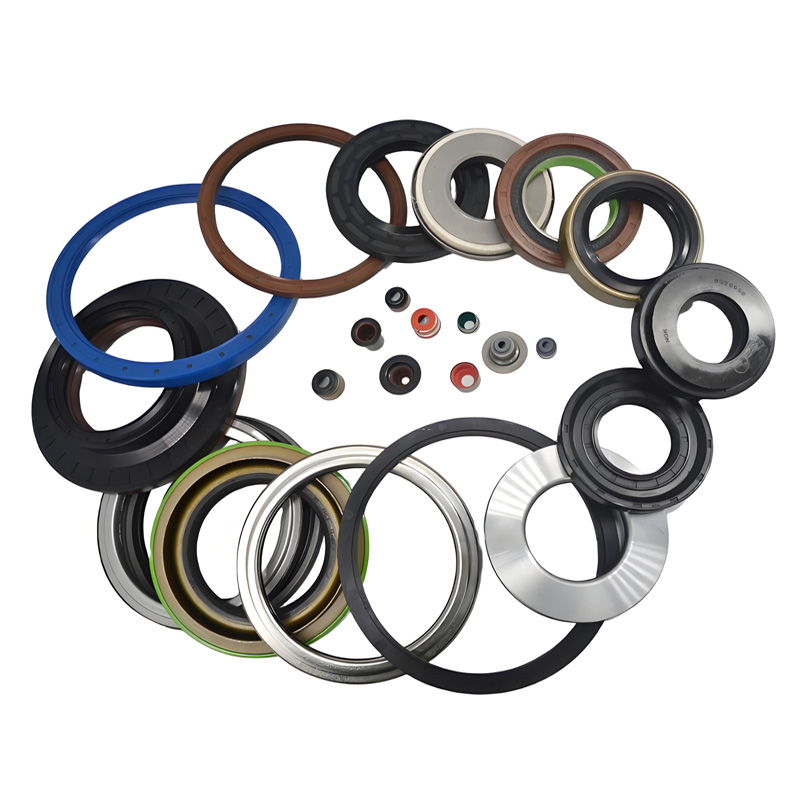
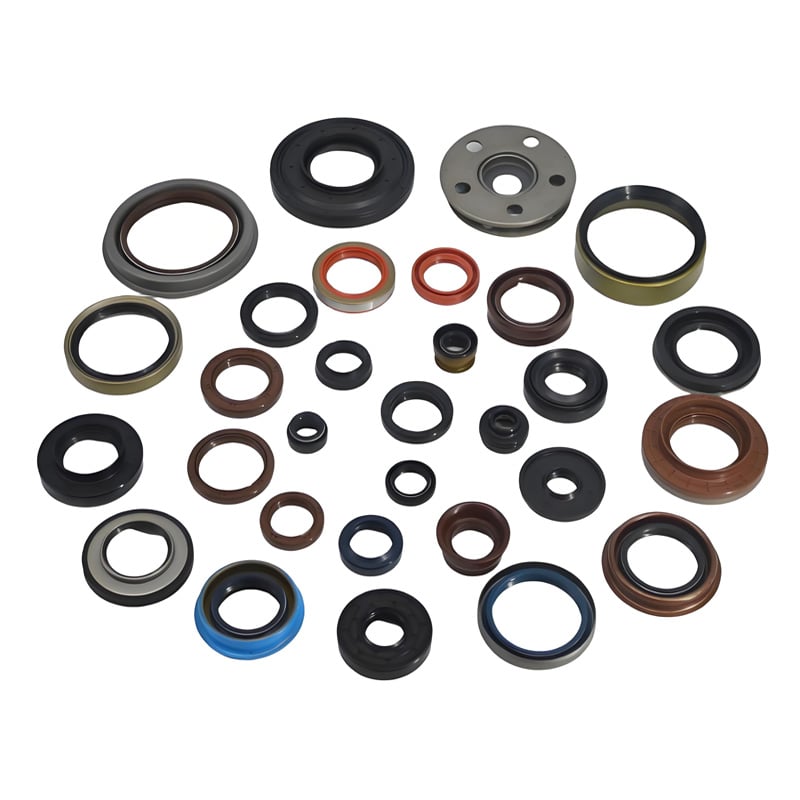
skeleton oil seal
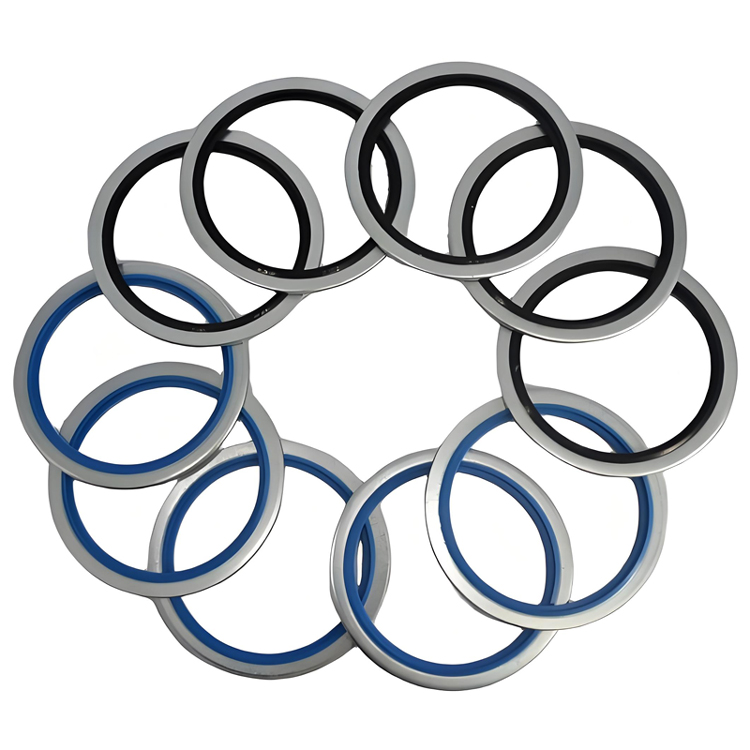
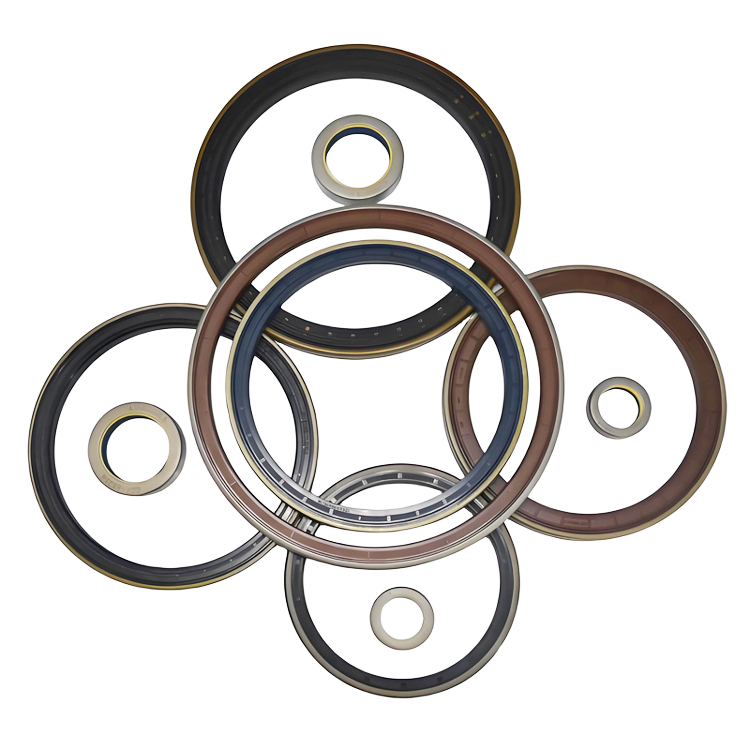
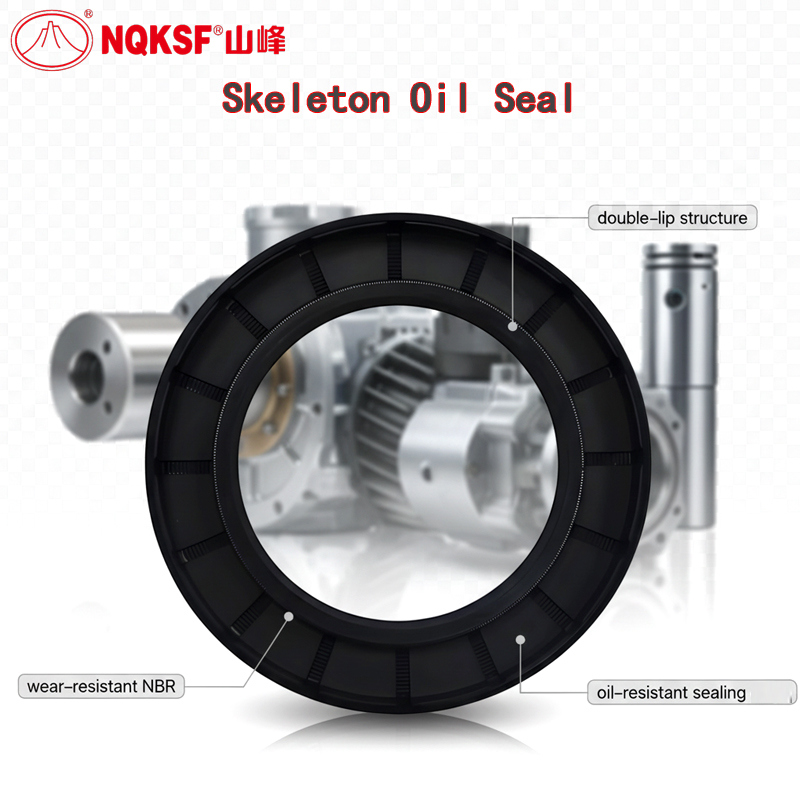
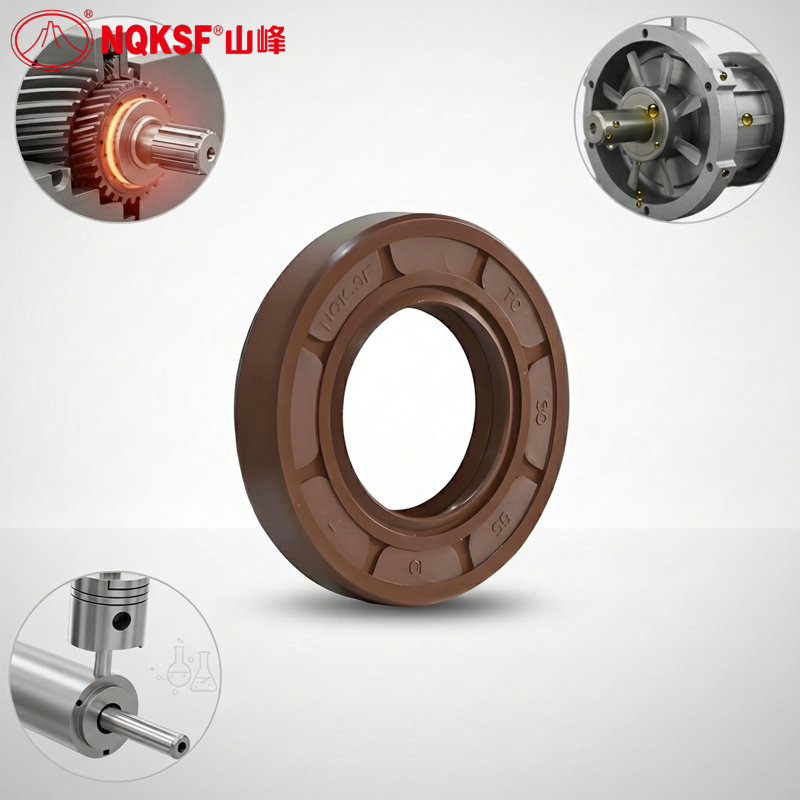
A skeleton oil seal represents a critical component in modern mechanical systems, designed to prevent fluid leakage while maintaining optimal performance in demanding industrial environments. This specialized seal functions by creating a barrier between rotating and stationary surfaces, effectively containing lubricating oils within machinery while excluding contaminants. The skeleton oil seal operates through a combination of metal spring tension and elastomer materials that work together to maintain consistent pressure against shaft surfaces.
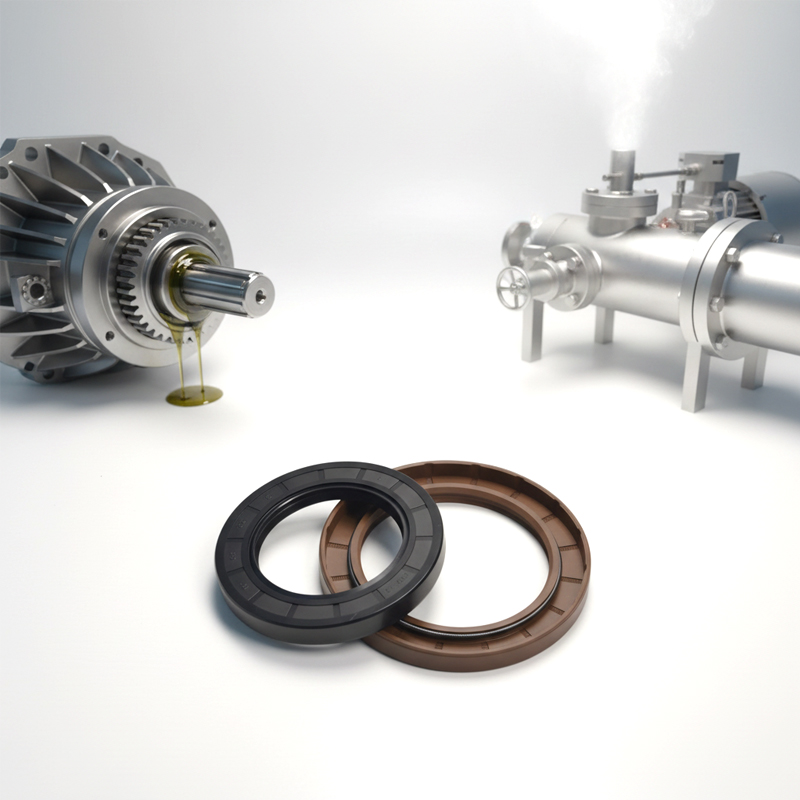
The primary function of a skeleton oil seal involves sealing rotating shafts in motors, pumps, gearboxes, and automotive applications. A skeleton oil seal achieves this through precision engineering that accommodates various shaft speeds and operating temperatures. The unique design features a metal framework supporting a flexible elastomer lip, enabling the skeleton oil seal to adapt to minor shaft irregularities while maintaining effective sealing performance.
Technologically, the skeleton oil seal incorporates advanced materials and manufacturing processes that ensure reliability under extreme conditions. The metal spring component provides consistent radial force, while the elastomer seal lip maintains contact with the shaft surface. A skeleton oil seal typically operates across temperature ranges from -40°C to +120°C, making it suitable for diverse applications. The construction allows the skeleton oil seal to handle shaft run-out and eccentricity without compromising seal integrity. Applications span automotive engines, industrial machinery, hydraulic systems, and agricultural equipment. Modern skeleton oil seal designs prioritize durability, cost-effectiveness, and environmental compatibility, making them indispensable in contemporary engineering solutions.
 EN