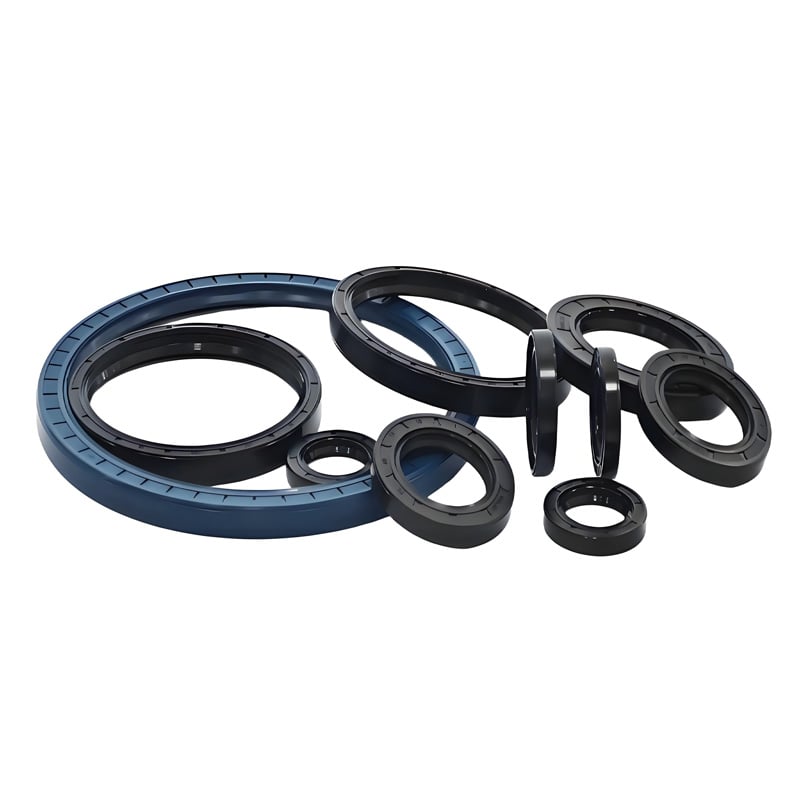
Combination Seal Solutions: Advanced Multi-Barrier Sealing Technology for Industrial Applications

All Categories

combination seal

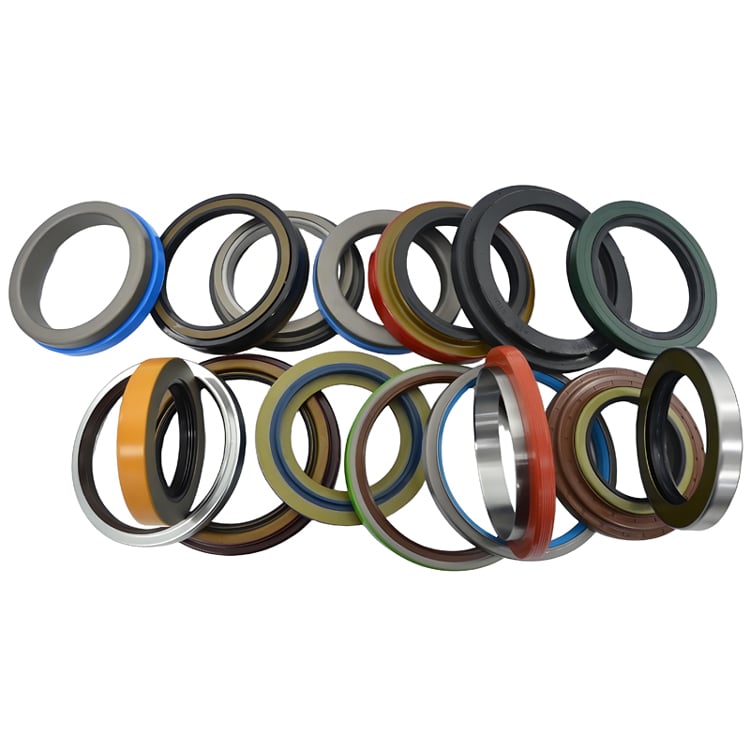
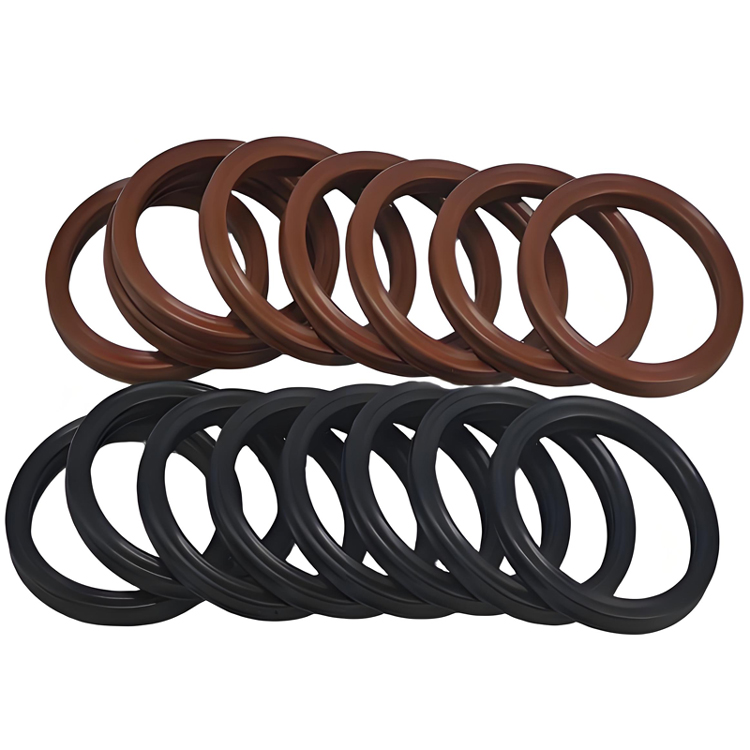
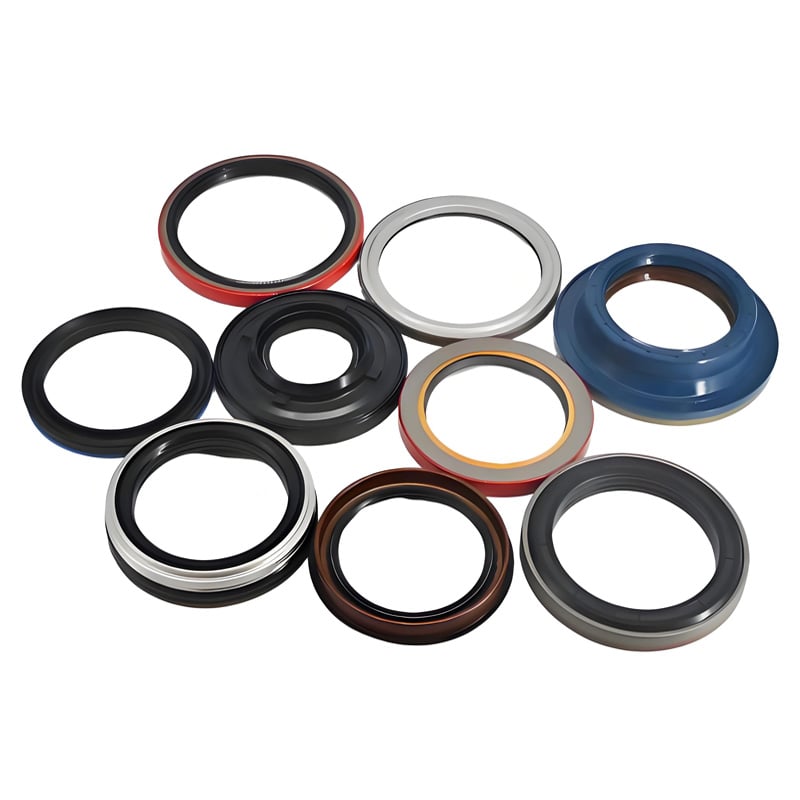
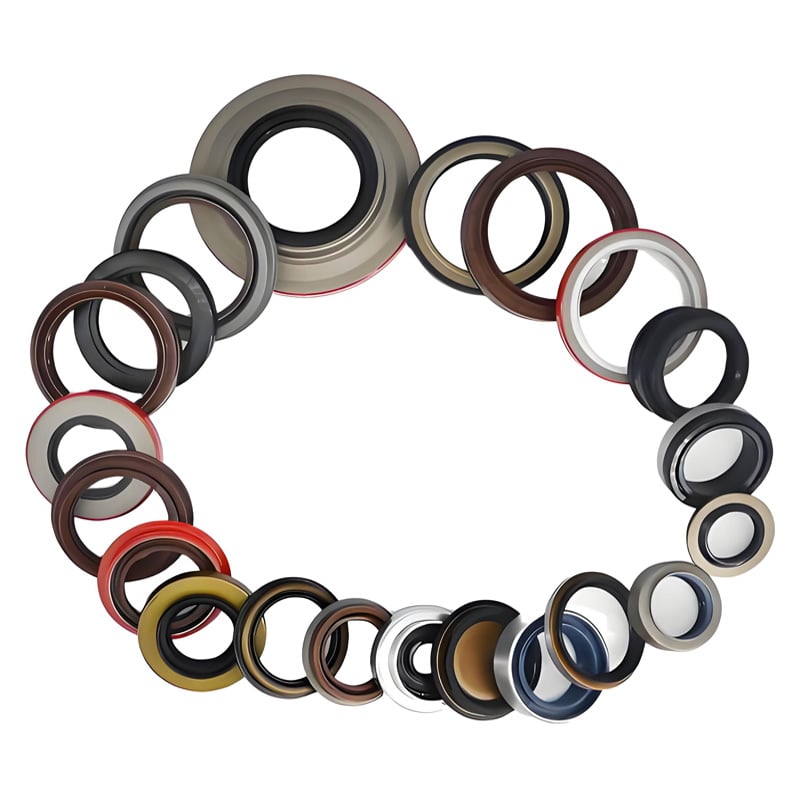
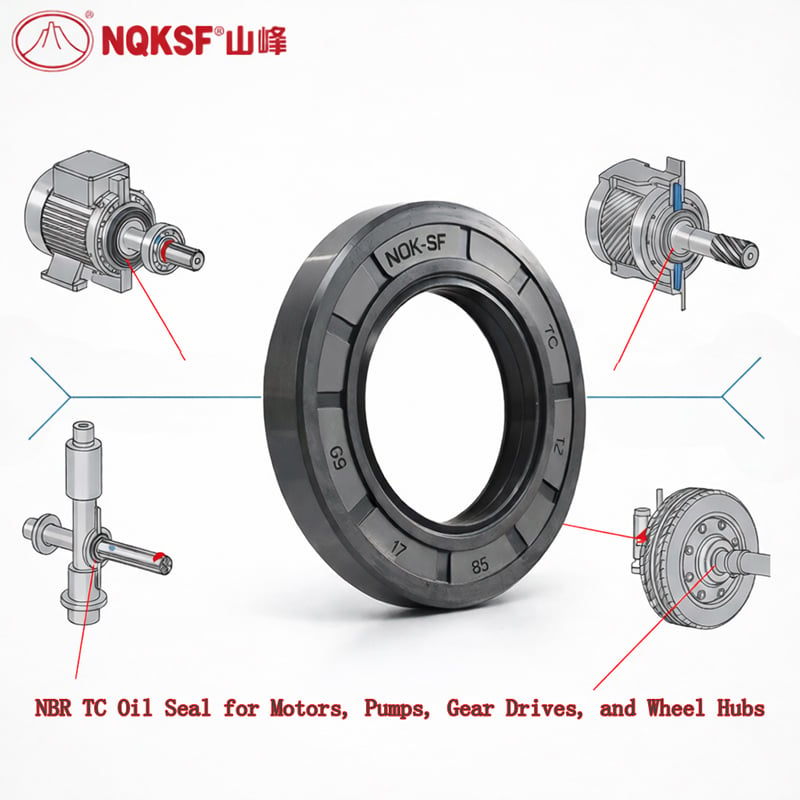
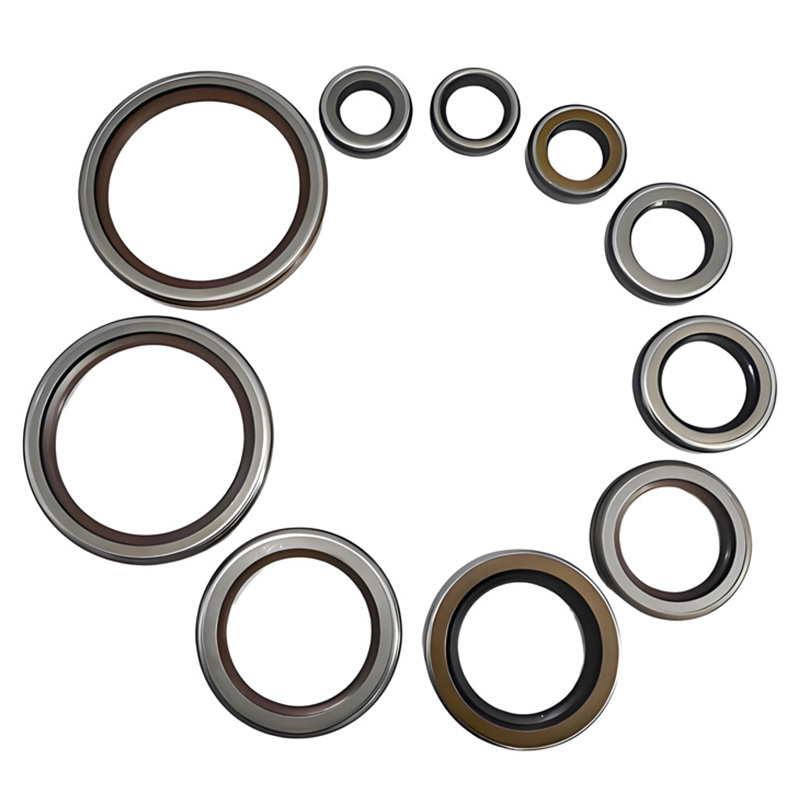
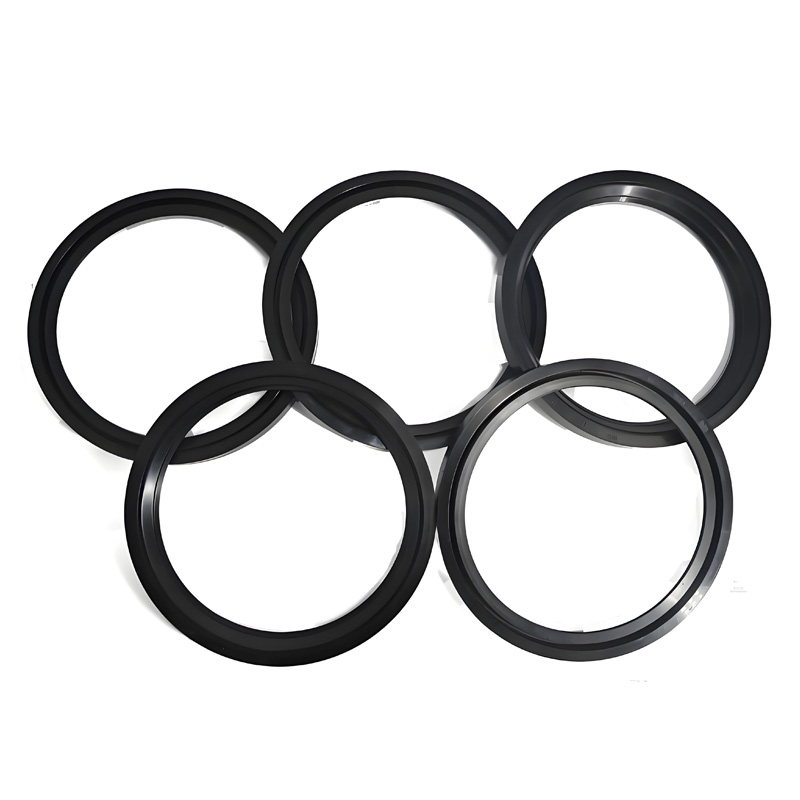
A combination seal represents an innovative sealing solution that merges multiple sealing technologies into a single, integrated system designed to provide superior performance across diverse industrial applications. This advanced sealing mechanism combines the benefits of different seal types, such as mechanical seals, lip seals, and gaskets, to create a comprehensive barrier against fluid leakage while maintaining optimal operational efficiency. The combination seal functions as a multi-barrier protection system that prevents contamination ingress and fluid loss simultaneously. Its primary purpose involves creating reliable sealing interfaces in rotating and static applications where conventional single-seal designs prove insufficient. The technological foundation of combination seals relies on advanced materials engineering, incorporating elastomers, thermoplastics, and metal components that work synergistically to deliver exceptional sealing performance. These seals feature precision-engineered geometries that accommodate multiple sealing surfaces, allowing for effective sealing under varying pressure differentials and temperature fluctuations. The design typically incorporates primary and secondary sealing elements, with each component serving specific functions within the overall sealing system. Primary seals handle the main sealing responsibility, while secondary elements provide backup protection and contamination exclusion. Combination seals find extensive application in automotive transmissions, hydraulic systems, pumps, compressors, and industrial machinery where reliable fluid containment is critical. Their versatility makes them suitable for sealing various media including oils, hydraulic fluids, coolants, and gases across temperature ranges from sub-zero to elevated operating conditions. The manufacturing process involves precise molding techniques that ensure dimensional accuracy and material integrity, resulting in seals that maintain consistent performance throughout their service life. Quality control measures include comprehensive testing protocols that verify sealing effectiveness, durability, and compatibility with target applications, ensuring that each combination seal meets stringent industrial standards and customer requirements.

New Product Recommendations

Combination seals deliver exceptional value through their enhanced reliability compared to traditional single-seal solutions. These advanced sealing systems provide multiple layers of protection, significantly reducing the risk of unexpected failures that can lead to costly downtime and maintenance expenses. The multi-barrier design ensures that if one sealing element experiences wear or damage, backup components continue to maintain effective sealing performance, providing users with increased operational confidence and peace of mind. This redundancy translates directly into reduced maintenance requirements and extended service intervals, allowing businesses to optimize their operational schedules and minimize disruption to production processes. The cost-effectiveness of combination seals becomes evident through their extended service life and reduced replacement frequency. While the initial investment may be higher than conventional seals, the total cost of ownership proves significantly lower due to decreased maintenance interventions and longer operational periods between seal replacements. This economic advantage is particularly pronounced in applications where seal failure results in expensive downtime or contamination issues. Installation simplicity represents another key advantage, as combination seals are designed for straightforward installation procedures that require minimal specialized tools or expertise. This user-friendly approach reduces installation time and labor costs while minimizing the potential for installation errors that could compromise sealing performance. The comprehensive sealing solution eliminates the need for multiple individual components, streamlining inventory management and reducing procurement complexity. Combination seals excel in challenging operating conditions where temperature fluctuations, pressure variations, and contamination risks would compromise conventional sealing solutions. Their robust construction and material selection enable reliable performance across wide operating ranges, making them ideal for demanding industrial environments. The seals maintain their sealing integrity even when exposed to aggressive media, extreme temperatures, or high-pressure differentials that would cause premature failure in standard sealing systems. Versatility in application represents a significant practical benefit, as combination seals can accommodate various shaft sizes, housing configurations, and operating parameters without requiring extensive modifications to existing equipment. This adaptability reduces engineering complexity and enables retrofitting of existing systems with improved sealing technology, providing immediate performance benefits without major system redesigns or capital investments.

Tips And Tricks

Which Industries Benefit Most from Hydraulic Oil Seals?

27

Nov

Which Industries Benefit Most from Hydraulic Oil Seals?

In today's industrial landscape, hydraulic oil seals serve as critical components that ensure optimal performance and longevity of hydraulic systems across numerous sectors. These specialized sealing solutions prevent fluid leakage, maintain system p...
View More
Which Rubber Oil Seal Materials Fit Heavy-Duty Machinery?

06

Jan

Which Rubber Oil Seal Materials Fit Heavy-Duty Machinery?

Heavy-duty machinery operates under extreme conditions that demand reliable sealing solutions to prevent fluid leakage and contamination. The selection of appropriate rubber oil seal materials plays a critical role in maintaining equipment performanc...
View More
What Should Buyers Inspect When Selecting a Double Lip Shaft Oil Seal?

06

Jan

What Should Buyers Inspect When Selecting a Double Lip Shaft Oil Seal?

When selecting a double lip shaft oil seal for industrial applications, buyers must evaluate numerous critical factors that directly impact equipment performance and longevity. These specialized rubber oil seal components serve as the primary barrier...
View More
Oil Seal Brand Rankings?

06

Jan

Oil Seal Brand Rankings?

Understanding Oil Seal Quality and Market Evaluation In industrial transmission systems, fluid control assemblies, and rotating machinery, the oil seal plays a fundamental role in maintaining performance stability and operational safety. An oil seal ...
View More

Get a Free Quote

Our representative will contact you soon.
Email
Telephone
Name
Company Name
Message
0/1000

combination seal

Multi-Barrier Protection Technology

Multi-Barrier Protection Technology

The multi-barrier protection technology incorporated in combination seals represents a revolutionary approach to industrial sealing that fundamentally transforms reliability expectations and operational confidence. This sophisticated system employs multiple independent sealing elements arranged in series, creating redundant protection layers that ensure continued operation even when individual components experience wear or temporary compromise. The primary sealing element handles the main sealing responsibility under normal operating conditions, utilizing advanced materials and precision engineering to maintain optimal contact with sealing surfaces. Behind this primary barrier, secondary sealing components provide backup protection and contamination exclusion capabilities, creating a fail-safe system that prevents catastrophic seal failure. The technology incorporates intelligent design principles that allow each sealing element to function independently while contributing to overall system performance. When operating pressures or environmental conditions exceed the capacity of the primary seal, secondary elements automatically engage to maintain sealing integrity without interruption to system operation. This seamless transition between sealing modes eliminates the sudden failures characteristic of single-seal designs, providing operators with early warning indicators and time to schedule maintenance activities proactively. The multi-barrier approach proves particularly valuable in critical applications where seal failure could result in environmental contamination, safety hazards, or expensive production shutdowns. Industries such as chemical processing, oil and gas, and aerospace benefit significantly from this enhanced protection level, as the technology provides the reliability necessary for mission-critical operations. The barrier system also extends operational parameters, allowing equipment to function reliably under conditions that would overwhelm conventional sealing solutions. Temperature excursions, pressure spikes, and contamination events that would cause immediate failure in standard seals are effectively managed by the layered protection approach, maintaining system integrity and preventing costly emergency repairs or replacements.
Advanced Material Engineering

Advanced Material Engineering

Advanced material engineering forms the cornerstone of combination seal performance, incorporating cutting-edge polymer science and metallurgy to create sealing solutions that exceed traditional performance boundaries. The material selection process involves comprehensive analysis of operating environments, media compatibility, and service life requirements to identify optimal material combinations that deliver superior performance characteristics. High-performance elastomers provide flexibility and conformability necessary for dynamic sealing applications, while engineered thermoplastics contribute dimensional stability and chemical resistance essential for long-term reliability. Metal components, including springs and reinforcement elements, are manufactured from corrosion-resistant alloys that maintain their mechanical properties throughout extended service periods. The material engineering approach considers molecular-level interactions between different components, ensuring compatibility and preventing degradation that could compromise sealing performance. Advanced compounding techniques incorporate specialized additives that enhance specific properties such as heat resistance, chemical compatibility, and wear resistance. These additives are precisely formulated to provide targeted performance improvements without negatively affecting other critical seal characteristics. The manufacturing process utilizes state-of-the-art molding and curing technologies that optimize material properties and ensure consistent quality across production runs. Quality assurance protocols include comprehensive material testing that verifies mechanical properties, chemical resistance, and thermal stability under simulated operating conditions. The result is a combination seal that maintains its sealing effectiveness across wide temperature ranges, resists degradation from aggressive chemicals, and provides consistent performance throughout its designed service life. Material traceability systems ensure that each seal can be tracked from raw material sourcing through final inspection, providing customers with confidence in product quality and enabling rapid response to any quality concerns. The continuous improvement process incorporates feedback from field applications to refine material formulations and enhance performance characteristics for specific operating environments.
Versatile Application Compatibility

Versatile Application Compatibility

Versatile application compatibility distinguishes combination seals as the preferred choice for diverse industrial sealing challenges, offering unprecedented flexibility that accommodates varying operating conditions, equipment configurations, and performance requirements across multiple industry sectors. This adaptability stems from sophisticated design methodologies that incorporate adjustable parameters and modular construction principles, enabling customization for specific applications without compromising standardized manufacturing efficiency. The seal design accommodates various shaft diameters, housing configurations, and installation constraints through innovative geometric solutions that maintain sealing effectiveness regardless of dimensional variations. Dynamic sealing applications benefit from the combination seal's ability to handle varying rotational speeds, from slow-speed mixing equipment to high-speed turbomachinery, while static applications utilize the same technology for reliable gasket and O-ring replacement solutions. Temperature compatibility spans extreme ranges, from cryogenic applications in liquefied gas handling to high-temperature environments in automotive and aerospace systems, with material formulations specifically engineered for each temperature regime. Pressure handling capabilities extend from vacuum applications to high-pressure hydraulic systems, with the multi-barrier design providing reliable sealing across the complete pressure spectrum. Chemical compatibility encompasses a broad range of media including aggressive solvents, corrosive acids, petroleum products, and specialized industrial fluids, with material selection and surface treatments optimized for each chemical environment. The installation flexibility allows for retrofit applications where existing equipment can be upgraded with combination seal technology without extensive modifications or downtime. Standard groove dimensions and mounting configurations enable direct replacement of conventional seals, while custom configurations accommodate unique equipment designs and specialized requirements. Industry-specific certifications and compliance with international standards ensure that combination seals meet regulatory requirements across sectors including automotive, aerospace, chemical processing, oil and gas, and food processing. The modular design approach enables field servicing and component replacement without complete seal replacement, reducing maintenance costs and minimizing equipment downtime during service intervals.

Get a Free Quote

Our representative will contact you soon.
Email
Telephone
Name
Company Name
Message
0/1000