Was Oil Seal: Premium Sealing Solutions for Industrial and Automotive Applications

All Categories

was oil seal

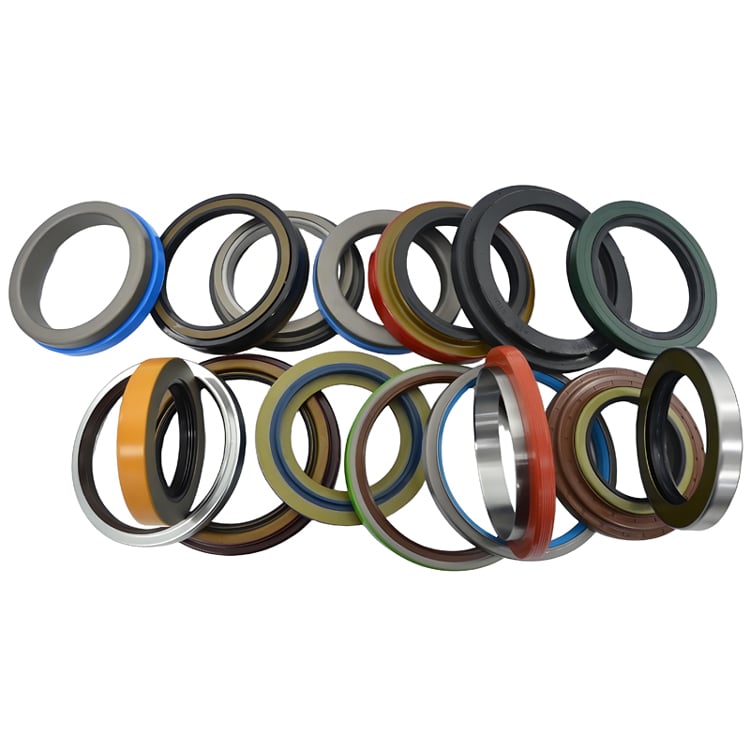
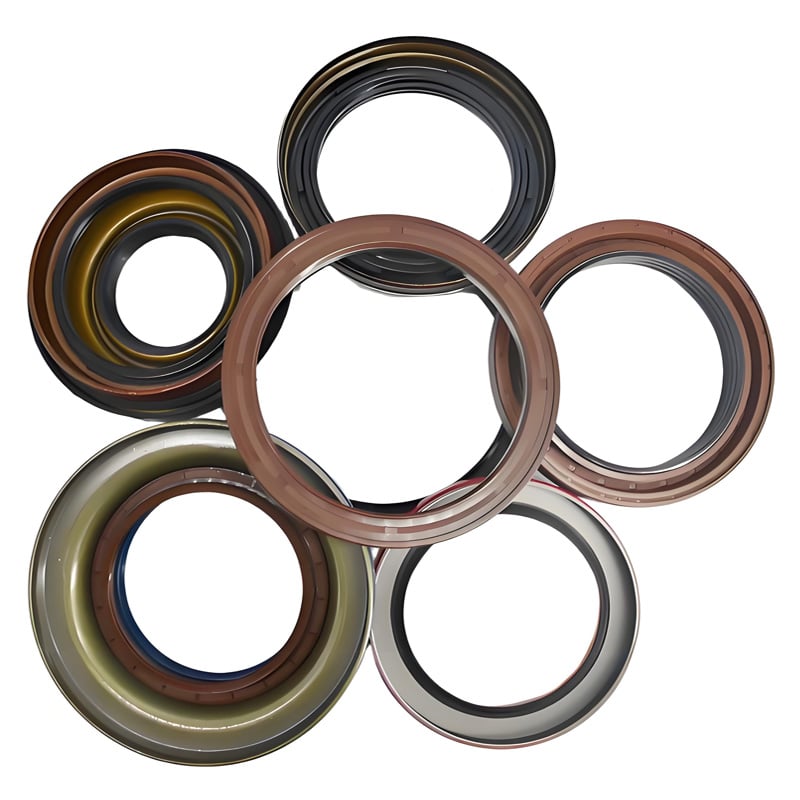
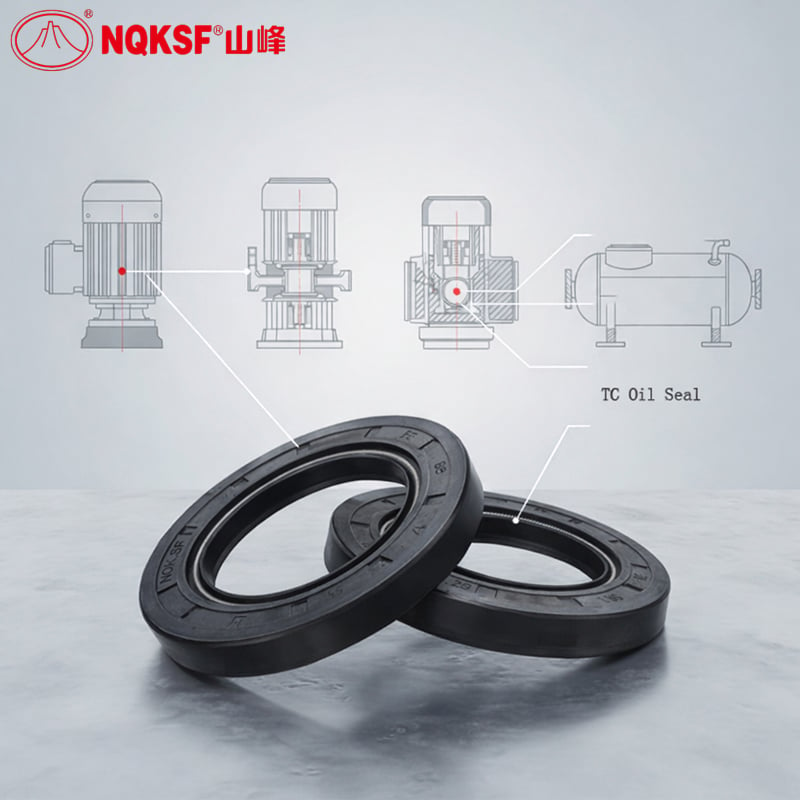
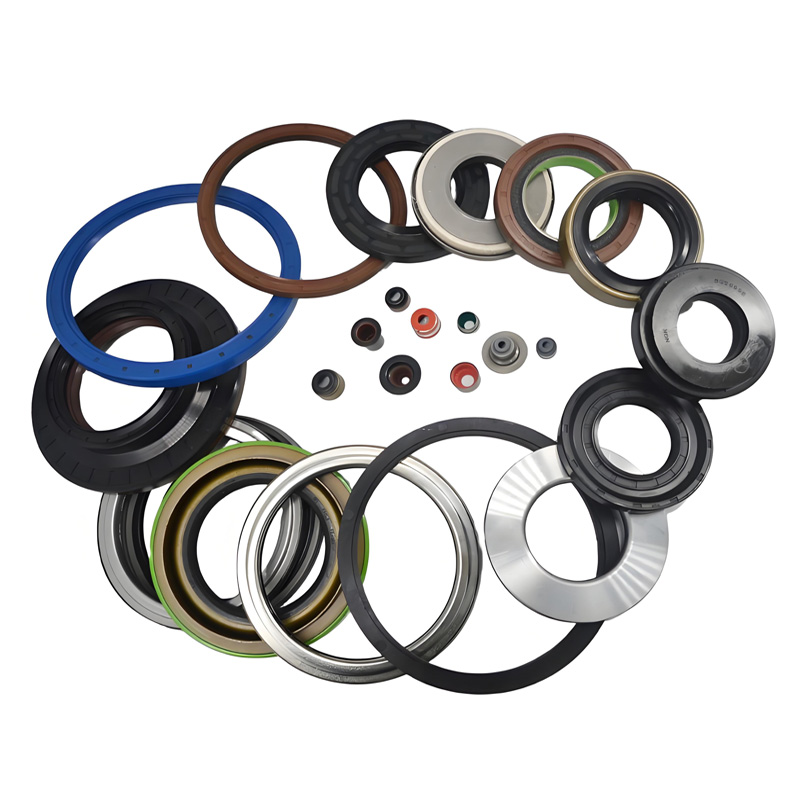
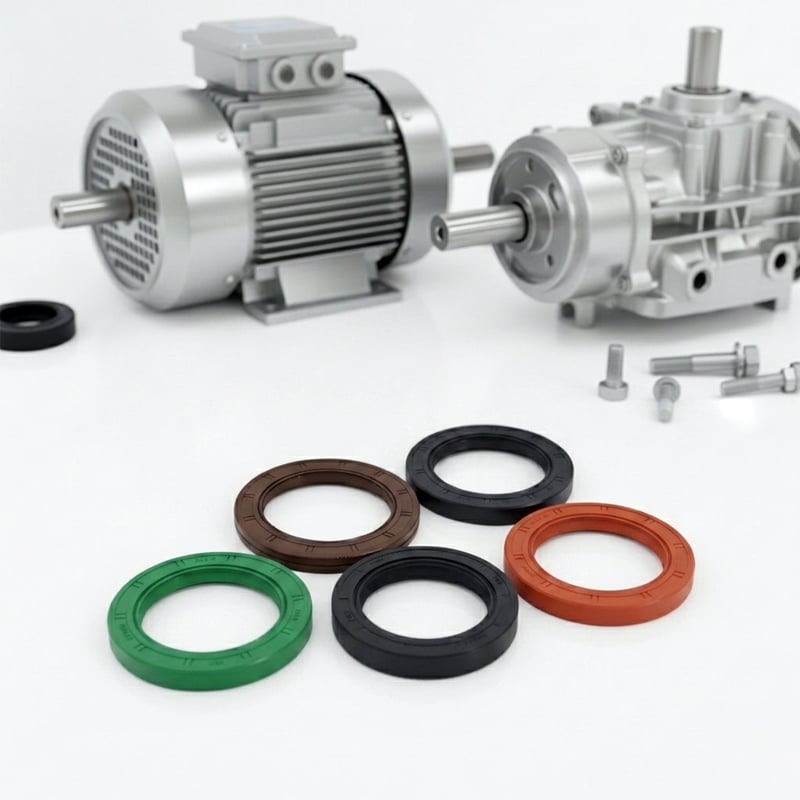
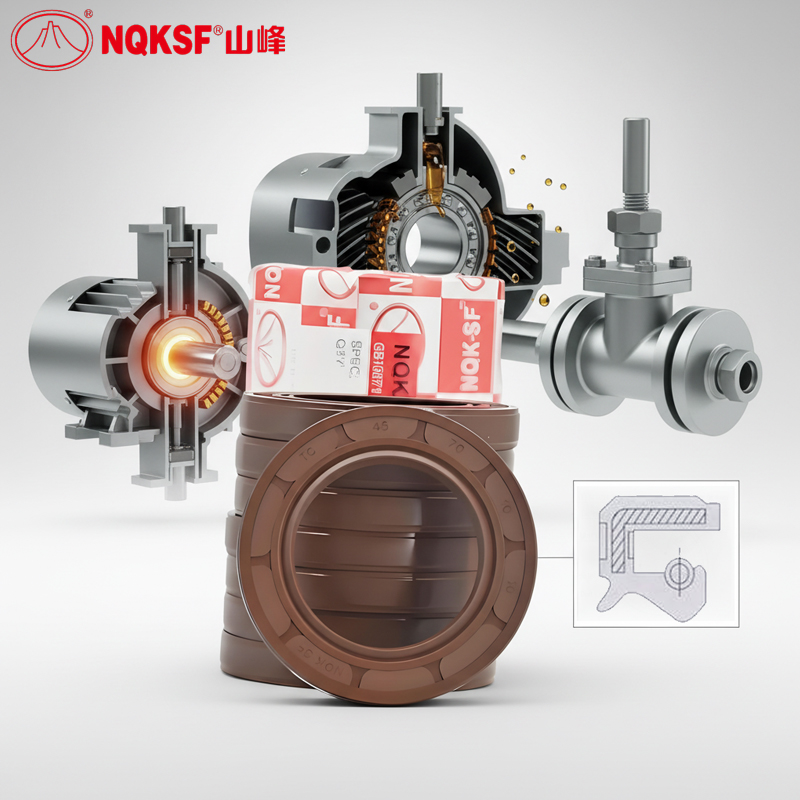
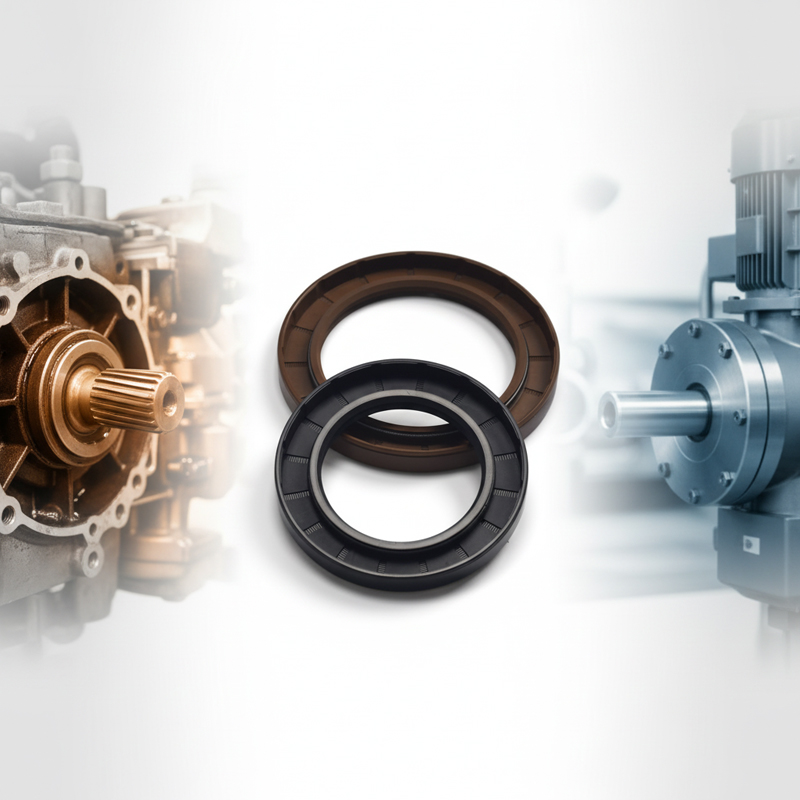
The was oil seal represents a critical component in modern machinery and automotive systems, designed to prevent lubricant leakage while maintaining optimal operational efficiency. This specialized sealing solution incorporates advanced materials and precision engineering to create a reliable barrier between moving and stationary parts. The was oil seal functions primarily as a containment device for lubricating oils and other fluids, ensuring that these essential substances remain within designated chambers while preventing contamination from external elements. The technological foundation of the was oil seal relies on sophisticated elastomeric compounds that exhibit exceptional resistance to temperature variations, chemical exposure, and mechanical stress. These seals feature a unique lip design that maintains constant contact with rotating shafts, creating an effective seal that adapts to minor surface irregularities and shaft runout. The manufacturing process involves precise molding techniques that ensure consistent dimensions and uniform material distribution throughout the seal structure. Modern was oil seal designs incorporate multiple sealing elements, including primary and secondary lips, dust excluders, and sometimes integrated spring systems that maintain optimal contact pressure throughout the seal's operational life. The material composition typically includes synthetic rubber compounds such as nitrile, fluoroelastomer, or polyacrylate, selected based on specific application requirements including temperature range, chemical compatibility, and pressure conditions. Applications for the was oil seal span numerous industries, from automotive transmissions and differentials to industrial gearboxes and hydraulic systems. In automotive applications, these seals protect critical components like wheel bearings, transmission systems, and engine crankshafts from fluid loss and contaminant ingress. Industrial machinery benefits from was oil seal technology in applications including pumps, compressors, and rotating equipment where reliable fluid containment is essential for operational efficiency and equipment longevity.

New Product Releases

The was oil seal delivers substantial benefits that directly impact operational efficiency and maintenance costs across various applications. These seals provide superior leakage prevention compared to conventional sealing methods, ensuring that expensive lubricating oils remain within their intended systems rather than creating costly waste and environmental concerns. The advanced design of the was oil seal minimizes friction between moving parts, which translates to reduced energy consumption and improved overall system efficiency. This friction reduction also contributes to lower operating temperatures, extending component life and reducing the frequency of maintenance interventions. The durability characteristics of the was oil seal significantly outperform traditional sealing solutions, with many installations achieving service lives exceeding 100,000 operational hours under normal conditions. This extended service life reduces replacement costs and minimizes system downtime associated with maintenance activities. The was oil seal effectively blocks contamination from entering sealed chambers, protecting sensitive components from abrasive particles, moisture, and corrosive substances that could cause premature failure. This contamination resistance is particularly valuable in harsh operating environments where exposure to dust, dirt, and chemicals is unavoidable. Installation of the was oil seal requires minimal specialized tools or training, making replacement procedures straightforward and cost-effective for maintenance personnel. The standardized dimensions and consistent quality of these seals ensure reliable performance across different suppliers and production batches. Temperature stability represents another significant advantage of the was oil seal, with many variants capable of operating effectively in temperature ranges from negative forty degrees to over two hundred degrees Celsius. This broad temperature tolerance makes these seals suitable for applications ranging from Arctic equipment to high-temperature industrial processes. The chemical resistance properties of modern was oil seal formulations enable compatibility with synthetic lubricants, hydraulic fluids, and specialized process chemicals without degradation or loss of sealing effectiveness. Cost-effectiveness emerges as a primary advantage when considering total ownership costs, as the initial investment in quality was oil seal technology typically pays for itself through reduced maintenance, extended equipment life, and improved operational reliability.

Practical Tips

Why Do Industrial Systems Depend on Reliable Rotary Oil Seals?

06

Jan

Why Do Industrial Systems Depend on Reliable Rotary Oil Seals?

Industrial machinery operates under extreme conditions where precision engineering and component reliability determine operational success. Among the critical components that ensure seamless functionality, the oil seal stands as a fundamental element...
View More
What Should You Look For When Choosing a Durable O-Ring Kit?

06

Jan

What Should You Look For When Choosing a Durable O-Ring Kit?

Industrial applications demand reliable sealing solutions that can withstand extreme conditions, chemical exposure, and mechanical stress. An O-Ring Kit serves as a comprehensive solution for maintenance teams, engineers, and technicians who need imm...
View More
Oil Seal Brand Rankings?

06

Jan

Oil Seal Brand Rankings?

Understanding Oil Seal Quality and Market Evaluation In industrial transmission systems, fluid control assemblies, and rotating machinery, the oil seal plays a fundamental role in maintaining performance stability and operational safety. An oil seal ...
View More
Which Oil Seal Manufacturer Is the Best?

06

Jan

Which Oil Seal Manufacturer Is the Best?

Precision Sealing and the Role of a Reliable Oil Seal Manufacturer In modern industrial systems, stable sealing performance is a basic requirement rather than an added advantage. From rotating shafts in automotive powertrains to high-speed equipment ...
View More

Get a Free Quote

Our representative will contact you soon.
Email
Telephone
Name
Company Name
Message
0/1000

was oil seal

Advanced Multi-Lip Sealing Technology

Advanced Multi-Lip Sealing Technology

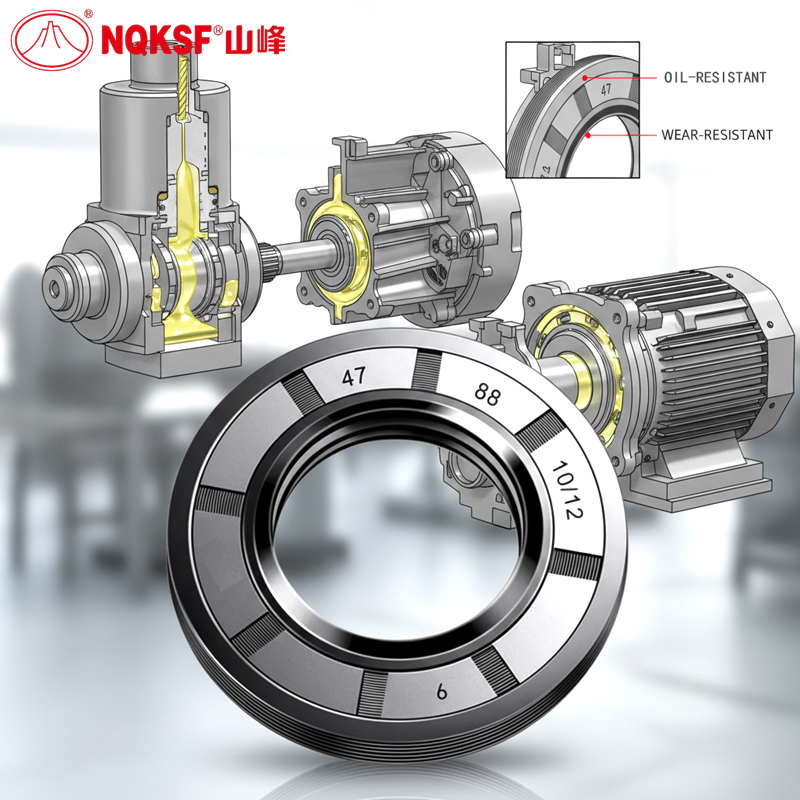
The was oil seal incorporates sophisticated multi-lip sealing technology that provides unparalleled protection against fluid leakage and contamination ingress. This innovative design features primary and secondary sealing lips that work in tandem to create multiple barriers against lubricant loss while maintaining optimal contact with rotating shafts. The primary lip handles the main sealing function, utilizing precision-molded geometry that ensures consistent contact pressure across the entire circumference of the shaft. This primary sealing element is engineered with specific angles and surface finishes that optimize the hydrodynamic pumping action, which actually helps return any migrating oil back to the lubricated side of the seal. The secondary lip serves as a backup sealing element and contamination barrier, preventing external contaminants from reaching the primary sealing zone. Between these sealing lips, a carefully designed cavity traps any minute quantities of lubricant that might pass the primary seal, preventing external leakage while maintaining system integrity. The was oil seal often includes an additional dust lip positioned on the atmosphere side of the assembly, specifically designed to exclude dirt, moisture, and other environmental contaminants that could compromise sealing performance or cause abrasive wear. This multi-lip configuration creates a labyrinth effect that significantly enhances the overall sealing capability compared to single-lip designs. The spacing and geometry of these multiple lips are precisely calculated using advanced computer modeling to optimize performance across varying operational conditions including shaft speed, temperature fluctuations, and pressure differentials. Manufacturing tolerance control ensures that each lip maintains its intended contact characteristics throughout the seal's operational life. The material selection for each lip can be customized based on specific application requirements, with the primary lip often utilizing the most chemically resistant compound while the dust lip may prioritize abrasion resistance. This advanced multi-lip technology enables the was oil seal to achieve exceptional performance in demanding applications where single-lip seals would fail prematurely.
Superior Material Engineering and Chemical Resistance

Superior Material Engineering and Chemical Resistance

The was oil seal demonstrates exceptional performance through advanced material engineering that delivers superior chemical resistance and longevity across diverse operating environments. Modern formulations utilize high-performance elastomers including fluoroelastomers, hydrogenated nitrile rubber, and specialized polyacrylate compounds that exhibit remarkable resistance to synthetic lubricants, hydraulic fluids, and aggressive chemicals. These advanced materials undergo rigorous testing protocols to ensure compatibility with modern fluid formulations including synthetic oils, biodegradable hydraulics, and specialty lubricants that would degrade conventional rubber seals. The molecular structure of these elastomers is specifically designed to resist swelling, hardening, and chemical attack when exposed to petroleum-based products, synthetic esters, and various additive packages commonly found in industrial lubricants. Temperature stability represents a critical aspect of the was oil seal material engineering, with specially formulated compounds maintaining flexibility and sealing effectiveness across temperature ranges extending from extreme cold conditions to elevated operating temperatures exceeding 200 degrees Celsius. This thermal stability prevents the brittleness and cracking that commonly affect inferior sealing materials in temperature-cycling applications. The was oil seal materials also demonstrate excellent ozone and UV resistance, making them suitable for outdoor applications and equipment that experiences exposure to environmental conditions. Antioxidant additives incorporated into the rubber compound help prevent deterioration from oxidation and thermal aging, significantly extending service life compared to conventional materials. The shore hardness of the was oil seal is carefully optimized to provide the ideal balance between sealing effectiveness and wear resistance, ensuring long-term performance without excessive friction or premature failure. Special compounding techniques create materials with low compression set characteristics, meaning the seal maintains its original shape and contact pressure even after extended periods under load. Quality control procedures include extensive testing for tensile strength, elongation properties, and tear resistance to ensure consistent performance across production batches. These superior materials enable the was oil seal to maintain reliable sealing performance in applications involving aggressive fluids, extreme temperatures, and demanding operational cycles that would quickly destroy conventional sealing products.
Precision Manufacturing and Quality Assurance Excellence

Precision Manufacturing and Quality Assurance Excellence

The was oil seal benefits from precision manufacturing processes and comprehensive quality assurance programs that ensure consistent performance and reliability across all production batches. Advanced molding techniques utilize computer-controlled injection systems that maintain precise temperature, pressure, and timing parameters throughout the manufacturing cycle, resulting in seals with uniform material distribution and consistent dimensional accuracy. The manufacturing process begins with carefully controlled material preparation where raw elastomer compounds are mixed according to exact specifications, ensuring that each batch meets stringent requirements for chemical composition, viscosity, and cure characteristics. Precision tooling manufactured to extremely tight tolerances ensures that every was oil seal produced maintains exact dimensional specifications for inside diameter, outside diameter, and cross-sectional geometry. These critical dimensions directly impact sealing performance and installation characteristics, making precision manufacturing essential for reliable operation. Quality control procedures include comprehensive dimensional inspection using advanced measuring equipment that verifies conformance to specification tolerances typically measured in thousandths of an inch. Surface finish quality receives particular attention during manufacturing, with specialized techniques employed to achieve the smooth, uniform surfaces required for optimal sealing contact. The curing process utilizes precisely controlled time and temperature cycles that ensure complete vulcanization while preventing over-cure conditions that could compromise material properties. Post-cure inspection procedures include visual examination for surface defects, dimensional verification, and material property testing to confirm that each production lot meets established performance standards. Advanced statistical process control methods track manufacturing parameters continuously, enabling immediate detection and correction of any variations that could affect product quality. The was oil seal undergoes rigorous performance testing including pressure testing, temperature cycling, and accelerated aging protocols that simulate years of operational service in compressed time periods. Traceability systems maintain complete records of material sources, manufacturing conditions, and quality test results for each production batch, enabling rapid identification and resolution of any quality issues. These comprehensive manufacturing and quality assurance practices ensure that every was oil seal delivers the reliable performance and extended service life that customers require for their critical applications.

Get a Free Quote

Our representative will contact you soon.
Email
Telephone
Name
Company Name
Message
0/1000