wAS Õliherme
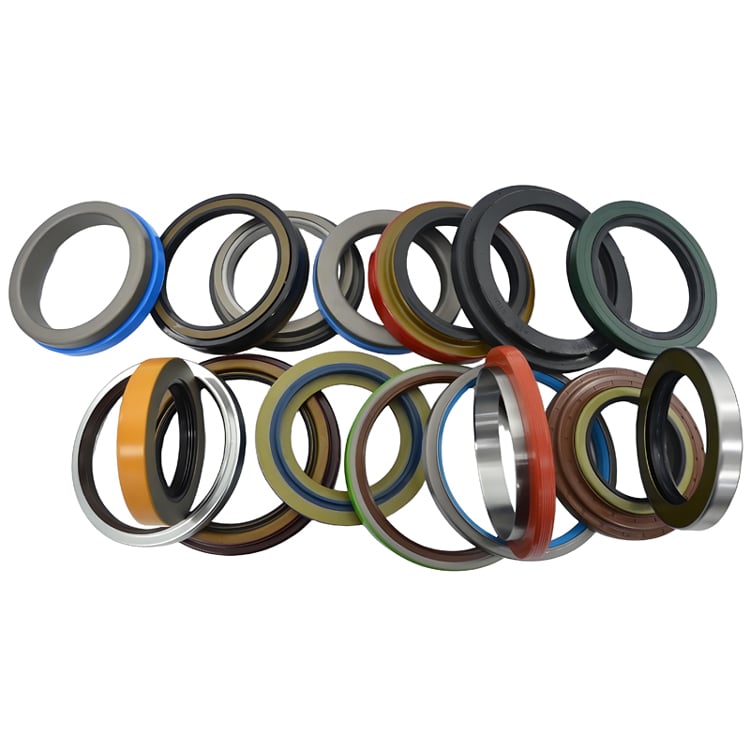
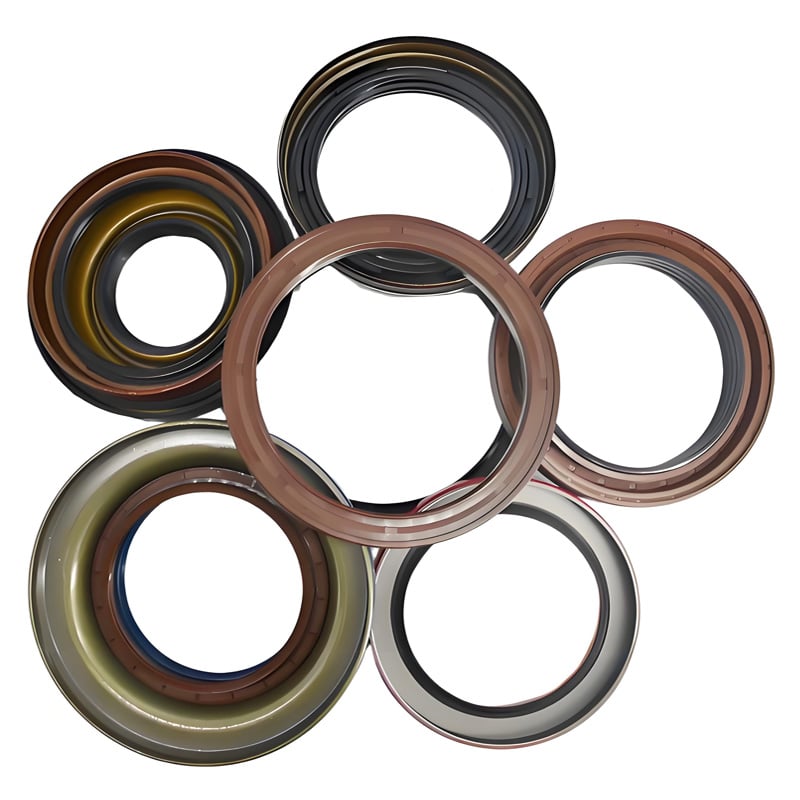
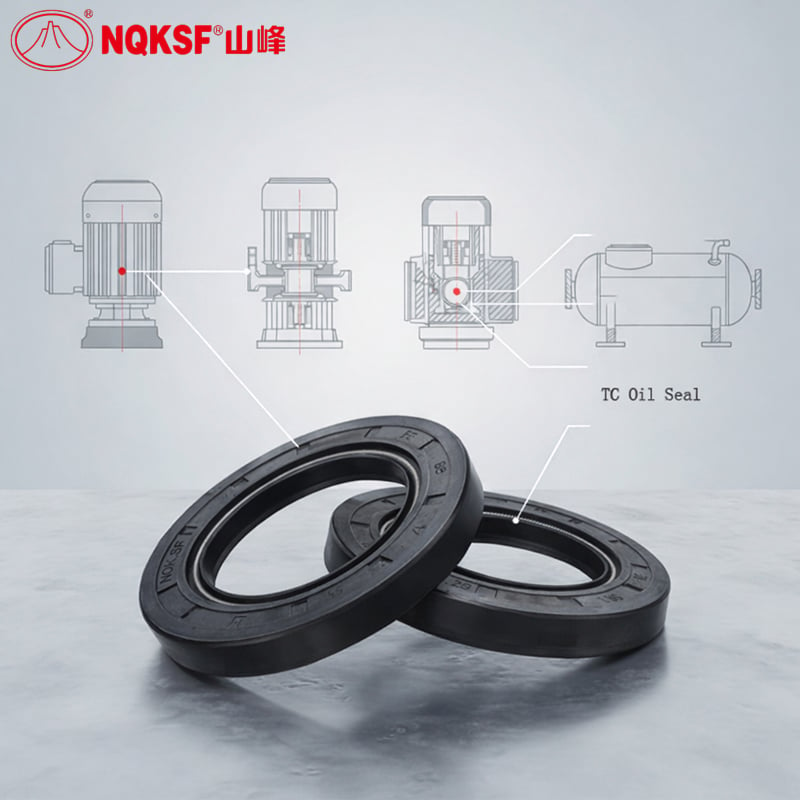
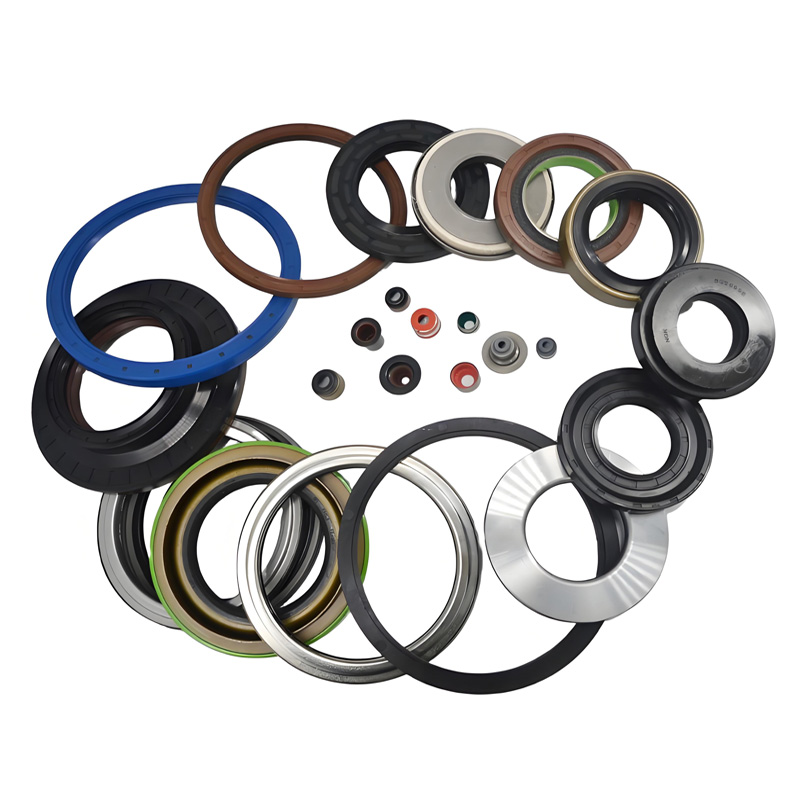
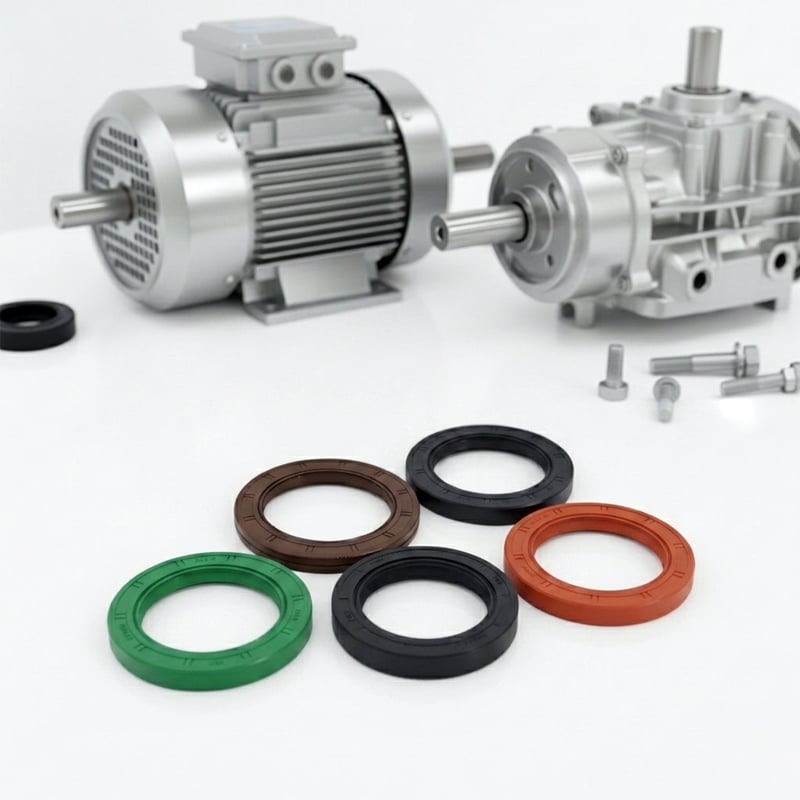
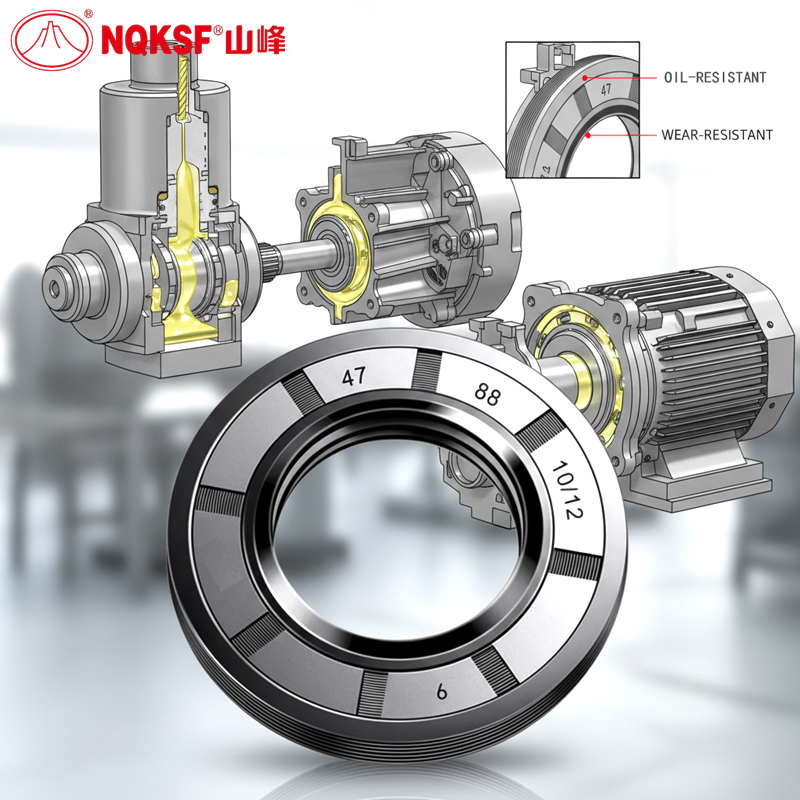
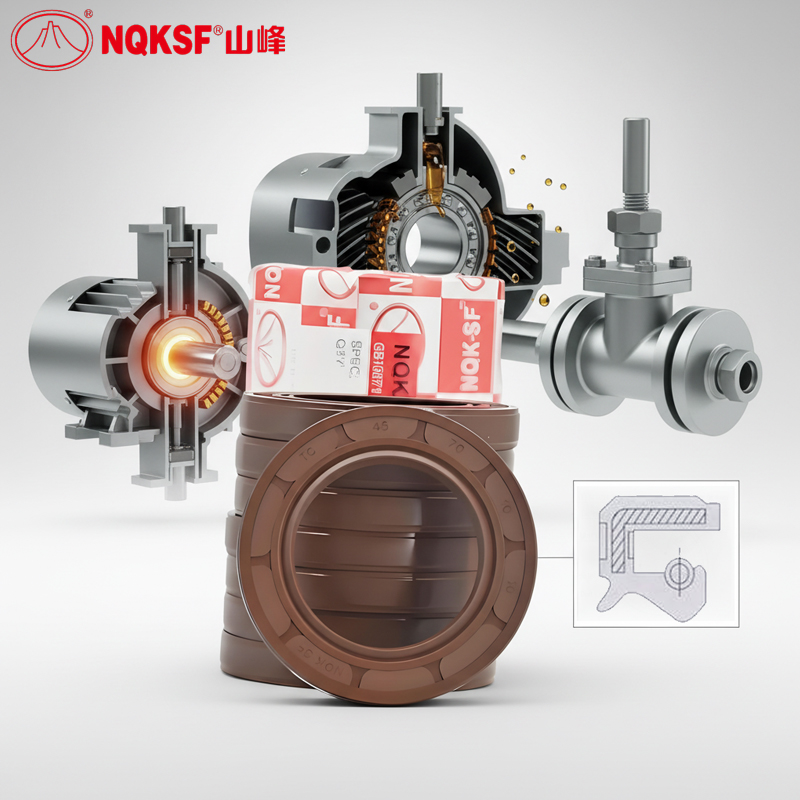
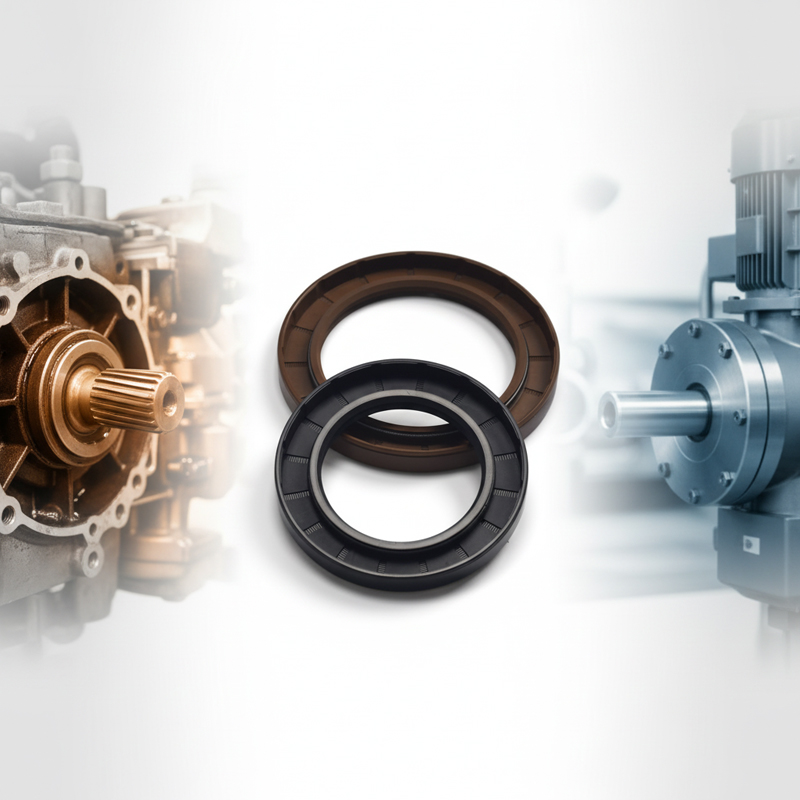
A oliõlerõngas on kriitiline mehaaniline komponent, mille eesmärk on takistada vedeliku lekkimist ja saastumist pöörlevate telgede rakendustes. See oluline tihendusseade toimib, loodes barjääri sisemise ja välimise keskkonna vahel, et kaitsta masinad vedeliku kaotuse ja võõrkehade sissepääsu eest. Oliõlerõngas on esmane kaitsevahend mootorites, pumpades ja hüdraulikasüsteemides, kus vedeliku terviklikkuse säilitamine on ülimat tähtsust. Oliõlerõngas on spiraalvõimaldav konstruktsioon, mis tagab pideva kokkupuute pöörleva teljega ning tagab usaldusväärse tihendusfunktsiooni erinevate rõhkude tingimustes. Selle ehitus koosneb tavaliselt süntetilisest kummist labast ja metallist korpusest, moodustades vastupidava konstruktsiooni, mis talub äärmuslikke temperatuure ja rasket kasutuskeskkonda. Oliõlerõngaste tehnoloogia põhineb täpsusinsenerias, mis võimaldab telje sujuvat pööramist, samal ajal kui lekkimine takistatakse. Oliõlerõngaste rakendused hõlmavad mitmeid tööstusharusid, sealhulgas autotööstust, tööstusmasinad, põllumajandusmasinad ja merepropulssüsteemid. Need tihendused kaitsevad olulisi komponente veest, tolmust ja muudest saastajatest, mis võiksid nende toimimist häirida. Oliõlerõngas tagab optimaalse lubrikantide jaotumise ning takistab kalliste vedelike kaotust, mis võib põhjustada seadmete katkemist. Oliõlerõngaste täiustatud disain tagab nende sobivuse erinevate telje läbimõõtude ja korpuskonfiguratsioonidega. Kaasaegsed oliõlerõngad pakuvad suuremat vastupidavust, pikemat kasutusiga ja parimat usaldusväärsust traditsiooniliste tihenduslahendustega võrreldes. Oliõlerõngaste rolli mõistmine aitab ettevõtetel säilitada seadmete tõhusust ja oluliselt vähendada hoolduskulusid.

 EN
EN