
 EN
EN
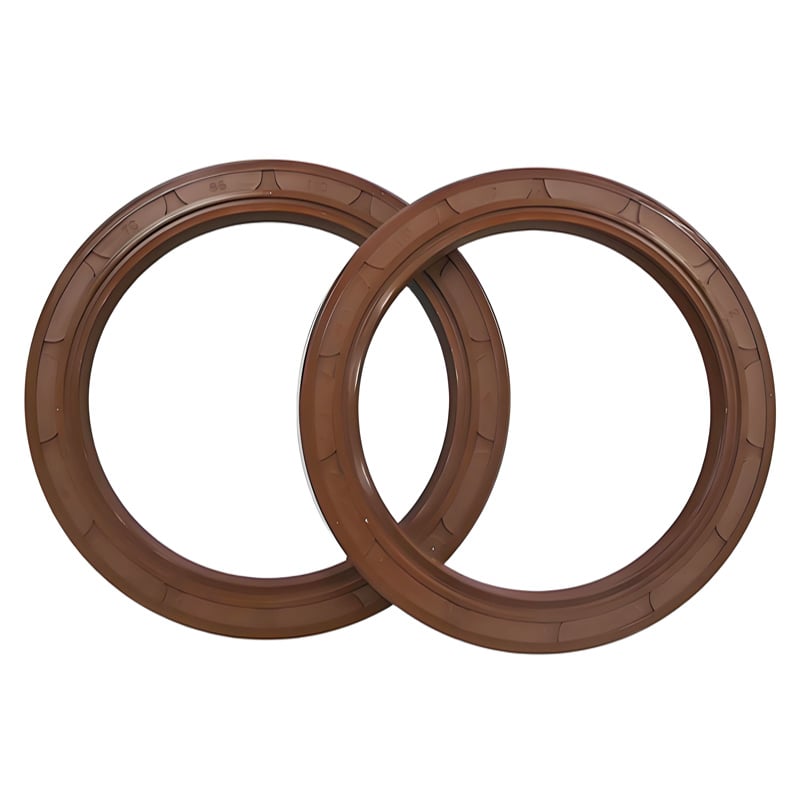
Selecting the right materials for a high temperature oil seal in furnaces is critical to ensuring operational reliability and extending equipment lifespan. Furnace environments expose seals to extreme thermal stress, mechanical pressure, and chemical degradation from hot oils and combustion byproducts. The performance of your seal directly impacts energy efficiency, maintenance costs, and safety compliance. Understanding which materials withstand these demanding conditions will help you make informed procurement decisions and avoid costly failures.
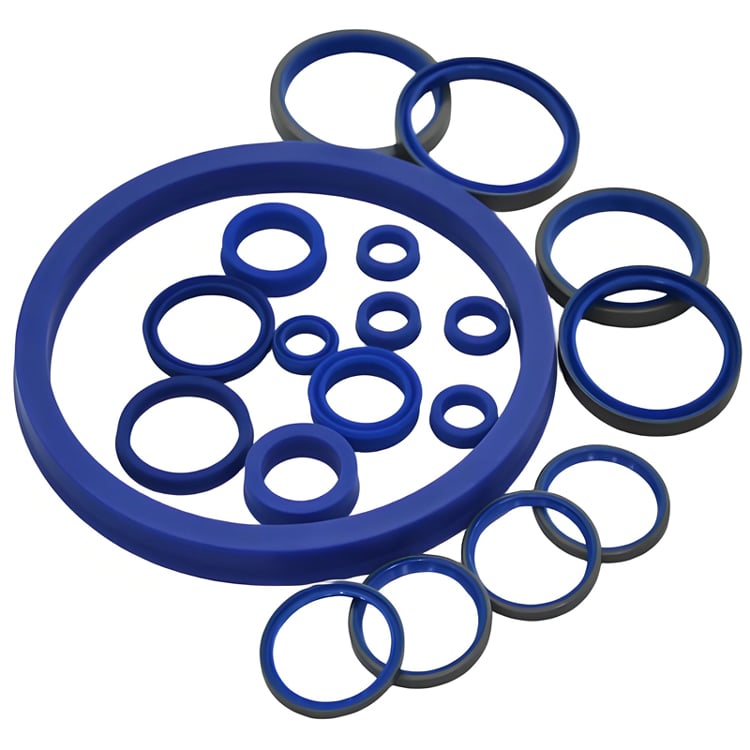
Modern furnace systems demand seals engineered for thermal resilience and chemical compatibility. Material selection goes far beyond simple elastomer choice; it involves understanding how thermal expansion and leakage prevention work together under real-world operating conditions. The most effective solutions combine elastomer base materials with specialized coatings, metal reinforcement, and precision engineering to meet strict rotary shaft seal performance specifications. This guide explores the material options that deliver proven results in extreme heat environments.
Material Selection for Extreme Heat Conditions
Fluorocarbon Elastomers and Thermal Performance
Fluorocarbon elastomers, commonly known as Viton or FKM, represent the industry standard for oil seal material selection for extreme heat applications. These elastomers maintain elasticity and mechanical strength across a wide temperature range, typically from minus forty degrees Celsius to two hundred degrees Celsius or higher depending on formulation. The chemical structure of fluorocarbon provides exceptional resistance to hydrocarbon oils, which are prevalent in furnace lubrication systems. When selecting a high temperature oil seal made from fluorocarbon, you benefit from proven long-term stability and minimal degradation in thermal cycling environments.
The durability advantage of fluorocarbon compounds stems from their carbon-fluorine bond strength, which resists oxidative degradation that accelerates failure in standard elastomers. In furnace applications where seal surfaces endure continuous thermal cycling between cold startup and peak operating temperatures, this material resilience translates to extended service intervals and reduced maintenance frequency. Oil seal material selection for extreme heat must account for the specific oil chemistry and temperature profile of your furnace to ensure optimal performance.
Polyurethane and Cost-Effective Performance
Polyurethane seals offer a cost-effective alternative for moderate to high temperature applications, particularly where furnace operating conditions remain below one hundred eighty degrees Celsius. Polyurethane elastomers deliver excellent abrasion resistance and mechanical strength, which supports superior rotary shaft seal performance specifications in high-speed applications. The material exhibits good compression set recovery, meaning it resists permanent deformation that typically leads to leakage in thermally stressed environments. A high temperature oil seal constructed from premium polyurethane can provide reliable service when properly selected for your specific furnace design and operating range.
The primary limitation of polyurethane involves its sensitivity to moisture and certain chemical additives found in advanced furnace oils. If your facility operates in humid environments or uses oils with aggressive demulsifying agents, fluorocarbon remains the safer choice. However, when thermal expansion and leakage prevention represent your primary concerns and temperatures remain within polyurethane's working range, this material delivers both performance and budget efficiency.
Thermal Expansion and Leakage Prevention Engineering
Metal Spring Assembly and Pressure Optimization
A critical component of high temperature oil seal design involves the metal spring assembly that maintains consistent sealing pressure regardless of thermal fluctuations. As furnace temperatures change, the elastomer expands and contracts at different rates than the metal shaft and housing materials. The metal spring compensates for these thermal expansion and leakage prevention challenges by automatically adjusting the seal lip force to maintain contact pressure. Premium rotary shaft seal performance specifications require metal springs engineered from stainless steel alloys capable of retaining spring force at elevated temperatures without fatigue.
The spring design philosophy balances multiple competing demands: maintaining enough pressure to prevent leakage without causing excessive friction that generates heat and accelerates elastomer degradation. In furnace environments, incorrect spring tension leads to either catastrophic leakage or premature seal wear. Selecting a high temperature oil seal with properly engineered spring components ensures this balance remains stable throughout the equipment's service life, even as the elastomer ages and the shaft wears microscopically.
Secondary Sealing Surfaces and Material Compatibility
Secondary sealing surfaces, including the garter spring contact face and the primary lip geometry, must be engineered from materials that maintain dimensional stability at furnace operating temperatures. Thermal expansion and leakage prevention depend directly on these surfaces remaining in precise contact with the rotating shaft. Many advanced oil seal material selection designs incorporate hard-anodized aluminum or stainless steel housings that resist galling and provide reliable secondary sealing even after thousands of thermal cycles. The elastomer's compression set and surface friction characteristics must align with these metal surfaces to ensure long-term leak-free performance.
Material compatibility extends beyond simple contact surfaces to include considerations of galvanic corrosion when dissimilar metals interface within the seal assembly. In furnace environments where moisture ingress occasionally occurs, incompatible metal pairs can generate electrochemical reactions that weaken structural integrity. Oil seal material selection that emphasizes compatible metallurgy throughout the assembly prevents these hidden failure modes and supports rotary shaft seal performance specifications for the full equipment lifecycle.
Real-World Application and Performance Specifications
Furnace Temperature Profiles and Material Matching
Every furnace operates under unique thermal profiles determined by combustion temperature, burner design, and insulation quality. A high temperature oil seal specified for continuous operation at one hundred eighty degrees Celsius will fail prematurely if the actual furnace reaches two hundred ten degrees Celsius due to inadequate cooling or design changes. Understanding your specific furnace temperature range, including peak transient temperatures during rapid heating cycles, becomes essential for matching appropriate oil seal material selection. Many furnace operators discover thermal performance mismatches only after experiencing unexpected seal failures, which can trigger extended downtime and safety incidents.
Best practice involves conducting a thorough thermal audit of your furnace before specifying replacement seals. Verify maximum operating temperatures at multiple measurement points, document temperature cycling rates during startup and shutdown cycles, and confirm oil sump temperature stability. This data directly informs whether fluorocarbon, polyurethane, or specialized high-performance elastomers deliver the most cost-effective performance. Thermal expansion and leakage prevention capabilities improve dramatically when seal materials match the actual thermal environment rather than relying on generic temperature ratings.
Rotary Shaft Seal Performance Specifications and Selection Criteria
Standard rotary shaft seal performance specifications include pressure ratings, temperature limits, speed capabilities, and chemical compatibility matrices. However, furnace applications often operate at the margins of these published specifications, requiring deeper analysis of how materials actually perform under combined thermal and mechanical stress. A high temperature oil seal selected purely from generic specifications may fail to meet your actual operational demands. Comprehensive performance specifications should document elastomer hardness, spring force characteristics, pressure rating verification at operating temperature, and accelerated thermal cycling test results specific to your furnace environment.
Consultation with seal manufacturers who provide application-specific engineering analysis ensures your oil seal material selection delivers both thermal resilience and extended service life. Performance specifications should include leakage rate limits, permissible pressure drops across the seal, and thermal gradient tolerance windows. When these specifications are clearly defined and validated through field testing, maintenance intervals can be accurately predicted and equipment availability maximized throughout the seal lifecycle.
FAQ
What temperature limit should I specify for a high temperature oil seal in my furnace?
Always specify seal temperature ratings that exceed your maximum measured furnace operating temperature by at least thirty degrees Celsius to account for transient thermal spikes and aging-related performance degradation. Fluorocarbon seals safely operate to two hundred degrees Celsius or higher in most furnace applications, while polyurethane materials work well to one hundred eighty degrees Celsius. Verify actual furnace temperatures with calibrated thermometers at multiple locations rather than relying solely on equipment nameplate specifications, as furnace designs and maintenance conditions vary significantly.
How does thermal expansion and leakage prevention affect oil seal material selection for extreme heat?
Thermal expansion and leakage prevention depend on material stability and spring force retention as furnace temperatures fluctuate. Fluorocarbon elastomers maintain compression set and mechanical properties across thermal cycles better than polyurethane, making them superior for furnaces with frequent temperature swings. The metal spring assembly and secondary sealing surfaces must also be engineered from thermally stable materials to prevent stress relaxation and loss of sealing pressure. Understanding how your specific material combination responds to your furnace's thermal profile is essential for preventing leakage and extending seal life.
Can polyurethane seals perform as well as fluorocarbon in high temperature applications?
Polyurethane delivers excellent rotary shaft seal performance specifications in moderate temperature furnace applications up to one hundred eighty degrees Celsius, particularly where mechanical strength and abrasion resistance matter more than extreme thermal cycling resilience. However, fluorocarbon consistently outperforms polyurethane in continuous high-temperature exposure above one hundred eighty degrees Celsius and in furnaces with aggressive thermal cycling patterns. Your specific furnace operating profile, not just peak temperature alone, determines whether polyurethane represents an acceptable cost trade-off or whether fluorocarbon justifies the higher initial investment.