 EN
EN
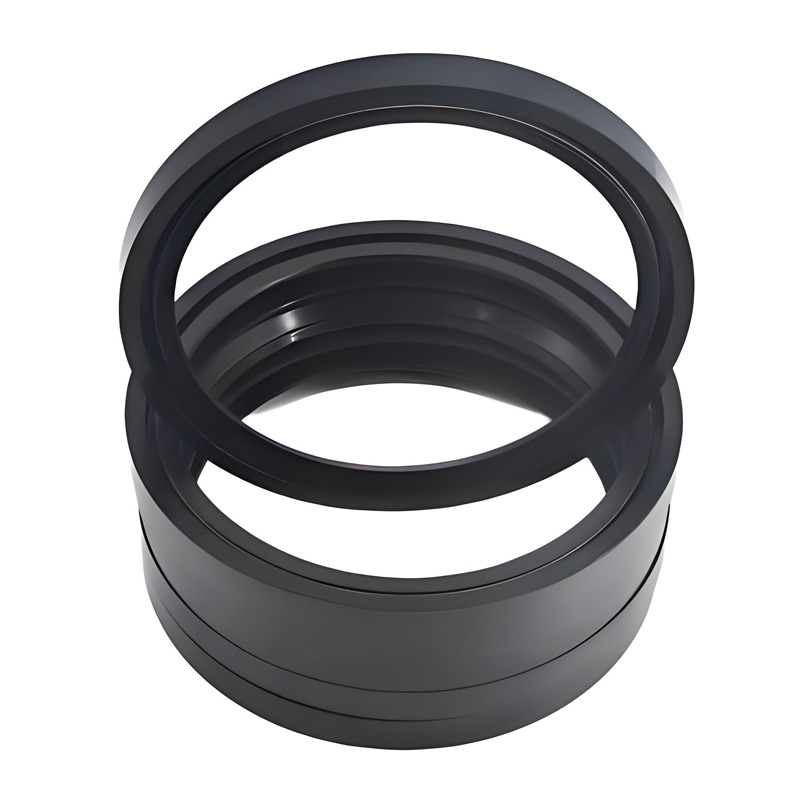
High-vibration environments present unique challenges for sealing systems, and rubber o rings have become the industry standard for managing these demanding conditions. The selection of sealing components in machinery subjected to constant oscillation, shock loads, and dynamic stress requires materials that can withstand prolonged exposure to repetitive motion without degrading or losing structural integrity. Rubber o rings deliver consistent performance precisely because their elastomeric properties enable absorption of vibrational energy while maintaining hermetic seals across diverse industrial applications.
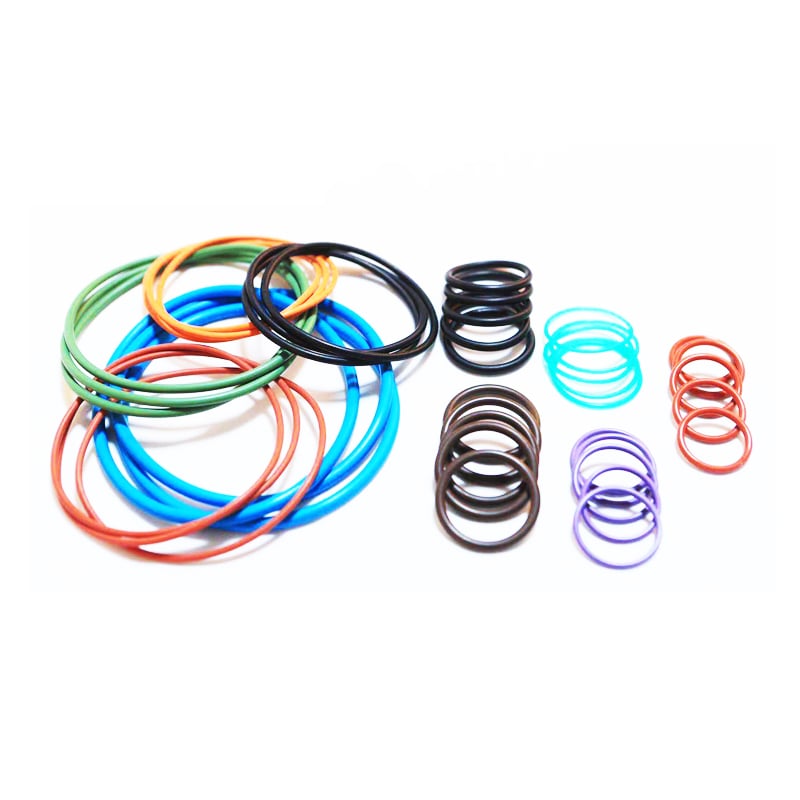
The fundamental advantage of rubber o rings in vibration-intensive systems lies in their material composition and mechanical behavior under stress. Unlike rigid sealing alternatives, elastomeric materials deform elastically rather than plastically, meaning they return to their original shape after each vibration cycle. This resilience prevents the permanent deformation that would otherwise compromise seal integrity, leading to leakage and system failure. Engineers and procurement professionals across pumping, compressor, hydraulic, and pneumatic industries rely on rubber o rings because they combine durability, cost-effectiveness, and proven reliability in applications where vibration represents a primary threat to operational continuity.
Elastomeric Properties Supporting Vibration Resistance
Energy Absorption and Damping Capacity
Rubber o rings absorb and dissipate vibrational energy through their inherent molecular flexibility. When machinery vibrates, the repeated compression and expansion cycles would cause rigid seals to crack, fracture, or separate from their grooves. Elastomeric materials, by contrast, flex slightly with each oscillation, converting kinetic energy into localized heat rather than allowing stress to accumulate in the seal material. This damping effect protects both the seal itself and the surrounding system components, reducing wear on mating surfaces and extending equipment service intervals significantly.
Maintaining Seal Integrity Under Dynamic Loading
O ring seal applications in high-vibration machinery demand materials that preserve compressive force continuously. Rubber maintains its elasticity across wide temperature ranges typical of industrial settings, preventing the loss of sealing pressure that would otherwise develop if the material became brittle or hardened. This consistent compression force, combined with the material's ability to conform to minor surface irregularities, ensures that rubber o rings create reliable barriers against fluid or gas leakage even as vibration stresses the connection continuously.
Material Compatibility and Performance Specifications
Nitrile O Ring Specifications for Industrial Duty
Nitrile o ring specifications have become the benchmark for high-vibration applications because nitrile rubber combines exceptional resistance to mineral oils, fuels, and common hydraulic fluids with superior vibration tolerance. Nitrile o rings maintain their elasticity in temperature ranges from minus forty to one hundred degrees Celsius, making them suitable for both outdoor industrial equipment and climate-controlled manufacturing environments. The material's resistance to ozone, UV radiation, and oxidative degradation ensures that seals perform reliably throughout extended service life, even when equipment operates continuously in demanding conditions where vibration-induced stress accelerates aging in inferior materials.
O Ring Material Compatibility Across System Fluids
The selection of o ring material compatibility depends on the specific fluids present in each application. Beyond nitrile, engineers specify EPDM rubber for steam and water-based systems, Viton for aggressive chemical environments and elevated temperatures, and specialized elastomers for specialized applications involving synthetic oils or extreme temperature swings. In high-vibration settings, material compatibility ensures that the seal material does not swell, soften, or degrade chemically, which would compound the mechanical stress already imposed by vibration. Testing o ring material compatibility before deployment prevents premature failures that might otherwise occur months into operation.
Real-World Application Contexts and Benefits
Pump and Compressor System Reliability
Rotodynamic pumps, reciprocating compressors, and centrifugal machinery operate continuously in conditions where rubber o rings prove indispensable. These systems generate inherent vibration from rotating shafts, reciprocating pistons, and pulsating fluid flows. Rubber o rings seal shaft penetrations, cylinder heads, and housing covers, isolating internal pressures from external environments while enduring millions of vibration cycles. The cost of replacing a failed pump seal, combined with unplanned production downtime and fluid contamination risks, makes the investment in quality rubber o rings economically rational for maintenance and engineering teams.
Extended Service Life and Reduced Maintenance Burden
Installing properly specified rubber o rings reduces the frequency of seal replacements and the associated labor costs inherent in maintaining high-vibration equipment. Because elastomeric materials resist fatigue cracking and maintain consistent sealing force despite repetitive stress cycles, equipment operates longer between maintenance intervals. This reliability improves operational efficiency, reduces inventory carrying costs for replacement seals, and minimizes the organizational disruption associated with unscheduled equipment downtime. Industrial operations managers recognize that investing in proven rubber o ring solutions during initial equipment procurement or repair cycles delivers superior total cost of ownership compared to selecting inferior sealing alternatives.
FAQ
Why do rubber o rings outperform plastic or composite seals in vibration environments?
Rubber o rings absorb vibrational energy through elastic deformation rather than transmitting stress directly to the seal material, preventing the cumulative fatigue and cracking that occurs in rigid materials. Plastic and composite materials lack this elastic recovery capability, causing them to harden, crack, or separate from grooves when subjected to prolonged vibration. Additionally, rubber's consistent compressive force remains stable across temperature fluctuations, while synthetic alternatives often lose sealing effectiveness as temperatures change during operation.
What factors determine which o ring seal applications require nitrile versus other rubber types?
Nitrile o ring specifications deliver optimal performance in mineral oil, hydraulic fluid, and fuel environments across moderate temperature ranges. Applications involving steam, water, or extreme temperature conditions typically specify EPDM or Viton materials instead. The specific fluid, operating temperature range, pressure requirements, and regulatory compliance needs all drive the material selection decision. Consulting application guidelines or conducting compatibility testing ensures the chosen material delivers both vibration resistance and chemical compatibility.
How does o ring material compatibility affect seal performance in high-vibration settings?
Incompatible materials swell or soften when exposed to system fluids, reducing the material's ability to maintain proper compression force and elastic damping properties. This degradation accelerates seal failure in high-vibration conditions because the compromised material cannot absorb and dissipate vibrational energy effectively. Specifying o ring material compatibility based on actual system fluids and operating conditions ensures the seal material maintains its mechanical properties, elasticity, and sealing effectiveness throughout the equipment's entire service life.