
 EN
EN
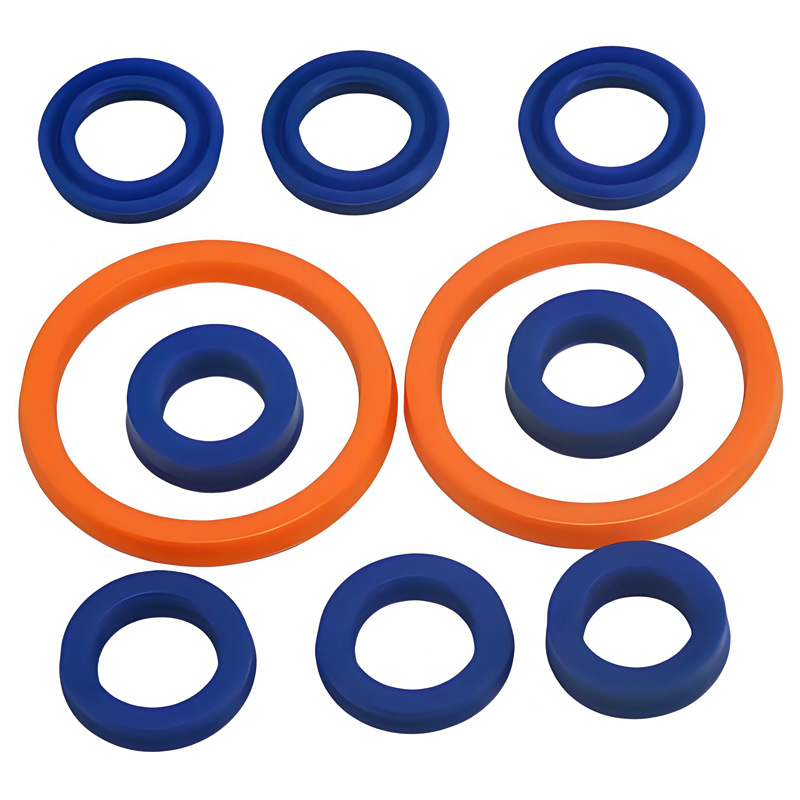
Material hardness stands as one of the most critical factors determining whether a hydraulic oil seal can withstand extreme pressures and maintain system integrity over time. When hydraulic systems operate at high pressures, seals face tremendous mechanical stress that demands materials with specific hardness characteristics to prevent failure. Understanding this relationship is essential for engineers, maintenance professionals, and equipment designers who need reliable hydraulic system leakage prevention strategies. The hardness of seal materials directly influences whether the seal will compress appropriately, resist extrusion, and maintain consistent contact with dynamic rod surfaces under demanding operational conditions.
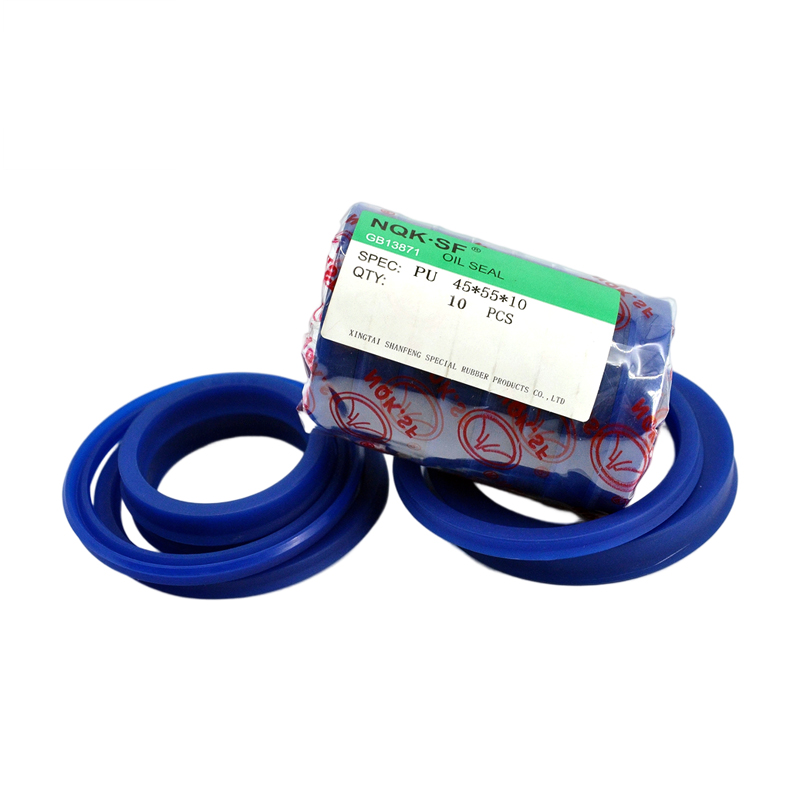
The relationship between material hardness and seal performance is far more nuanced than simply choosing the hardest available material. Too-hard materials become brittle and prone to cracking under pressure spikes, while insufficiently hard materials deform excessively and allow leakage to develop rapidly. Achieving the correct hardness balance ensures that your hydraulic system leakage prevention efforts remain effective throughout the seal's operational lifetime, reducing unplanned downtime and maintenance costs significantly.
Understanding Hardness Requirements for Hydraulic Pressure
Why Pressure Demands Specific Material Properties
Hydraulic systems generate substantial internal pressures that constantly challenge seal materials. When system pressure increases, the seal experiences compressive forces that attempt to deform or extrude the material from between the piston rod and cylinder bore. Material hardness provides resistance to these deformation forces by maintaining the seal's structural integrity. A hydraulic oil seal with inadequate hardness will compress too much, losing its sealing surface contact and allowing hydraulic fluid to bypass the seal boundaries. This loss of contact directly causes hydraulic system leakage prevention to fail, leading to fluid loss and reduced system efficiency.
Pressure Spikes and Material Brittleness
Pressure spikes represent a particular challenge for seal material selection. Sudden pressure increases create shock loads that can crack or fracture overly hardened materials. The ideal hydraulic oil seal material must absorb these transient pressure events without developing internal fractures that propagate into complete seal failure. Modern polyurethane and elastomer formulations balance hardness with elasticity to handle both steady-state pressures and transient spikes. Engineers conducting rod seal replacement maintenance often discover that seal failures correlate directly with pressure spike incidents when materials were too brittle to accommodate the dynamic loads.
Material Hardness and Leakage Prevention
How Hardness Controls Extrusion Resistance
Extrusion represents the primary failure mode when material hardness falls below critical thresholds. As hydraulic pressure pushes against the seal, the material tends to flow into the clearance gap between the rod and bore, gradually extruding outward until the seal separates completely from its sealing surfaces. Material hardness directly resists this extrusion tendency by maintaining the seal's dimensional stability. A properly hardened hydraulic system leakage prevention seal maintains its geometry despite sustained pressure, preserving the sealing surface contact that prevents fluid escape. Conversely, soft materials extrude rapidly under pressure, transforming a functioning seal into a leaking liability within hours or days.
Surface Contact and Seal Integrity
The sealing function depends entirely on maintaining proper contact between the seal's dynamic surface and the piston rod or bore wall. Material hardness determines how much the seal deforms under load and whether that deformation remains within acceptable limits. Excessive deformation reduces contact pressure and creates pathways for fluid leakage. Adequate material hardness ensures that contact surfaces remain engaged consistently across pressure cycles, maintaining effective hydraulic system leakage prevention. Additionally, during rod seal replacement maintenance, technicians recognize that seals showing extensive surface deformation patterns typically indicate that the original material hardness was insufficient for the operating pressure environment.
Compatibility Standards and Hardness Selection
Meeting Hydraulic Fluid Compatibility Requirements
Hydraulic fluid compatibility standards establish specific material hardness ranges that must be maintained while ensuring chemical resistance to the fluid in service. Different hydraulic fluids, including mineral oils, synthetic fluids, and water-resistant formulations, interact differently with seal materials and can soften or harden the elastomer over extended use. The hydraulic fluid compatibility standards typically specify durometer hardness targets that balance seal performance with fluid swelling characteristics. A hydraulic oil seal selected without regard to hydraulic fluid compatibility standards may soften excessively in service, losing its pressure-resisting capability. Engineers must verify that the selected material hardness remains stable throughout the seal's service life when exposed to the specific hydraulic fluid in their system.
Environmental and Operating Condition Adjustments
Operating temperature directly influences material hardness and must factor into selection decisions. Higher temperatures typically reduce material hardness, softening the seal and increasing extrusion risk. Cold environments can make seals more brittle and prone to cracking during pressure spikes. Rod seal replacement maintenance becomes more frequent when hardness selection fails to account for the full range of operating temperatures. Aggressive duty cycles, intermittent shock loads, and extended operating hours all demand materials with hardness specifications calibrated for those specific conditions. By aligning material hardness selection with actual operating environments and ensuring compliance with hydraulic fluid compatibility standards, maintenance teams can extend seal service intervals substantially and improve hydraulic system reliability.
Practical Implementation and Maintenance Considerations
Specifying the Correct Hardness for Your System
Selecting the appropriate material hardness for a hydraulic oil seal requires understanding your system's maximum operating pressure, fluid type, temperature range, and duty cycle. Equipment manufacturers typically specify hardness requirements in durometer units for both elastomer and polyurethane materials. Referencing the equipment documentation ensures that replacement seals meet the original material specifications. When upgrading or modifying hydraulic systems, consulting with seal manufacturers about hardness requirements specific to the new operating parameters prevents common selection errors. The pressure rating of your system should drive hardness selection more than cost considerations, as undersized hardness inevitably leads to premature failure and unplanned downtime.
Monitoring Seal Performance During Service
Regular inspection of seal surfaces during rod seal replacement maintenance reveals whether material hardness remained adequate throughout the service life. Seals showing excessive deformation, surface distortion, or material degradation indicate that hardness specifications should be reviewed for future replacements. Hydraulic system leakage prevention effectiveness depends on catching these performance indicators early and adjusting material specifications accordingly. Documenting seal failure patterns across multiple replacement cycles helps identify whether current hardness selections match your operational environment. By treating seal failures as data points rather than random events, maintenance teams can systematically optimize material hardness choices and improve overall hydraulic system reliability and cost efficiency.
FAQ
What happens when hydraulic oil seal material hardness is too low?
When material hardness is insufficient, the seal deforms excessively under pressure, loses contact with the rod surface, and allows hydraulic system leakage prevention to fail rapidly. The seal extrudes outward into the clearance gaps, and fluid begins bypassing the seal boundaries within days or weeks. This leads to fluid loss, reduced system performance, and increased maintenance frequency.
How does material hardness affect rod seal replacement maintenance intervals?
Properly selected material hardness extends rod seal replacement maintenance intervals significantly by maintaining dimensional stability and resistance to extrusion under pressure. Undersized hardness causes premature seal failure and shortens service life dramatically. Matching hardness specifications to actual operating conditions ensures that seals reach their designed service life before replacement becomes necessary.
Which hardness specification ensures compliance with hydraulic fluid compatibility standards?
Hydraulic fluid compatibility standards specify exact durometer hardness ranges that maintain seal performance while resisting softening from the fluid in service. Consult the equipment manufacturer's documentation and the seal supplier's material compatibility charts to verify that the hardness specification matches both your hydraulic fluid type and your system's operating pressure. Different fluid chemistries require different material hardness selections to ensure long-term stability.