
 EN
EN
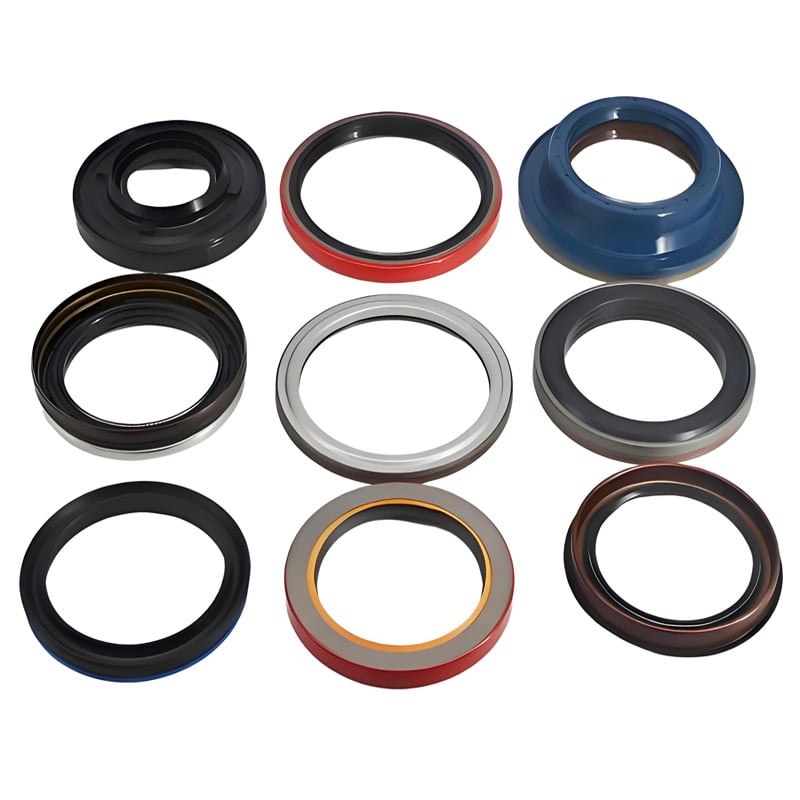
A rotary shaft seal serves as a critical component in modern machinery, designed to prevent fluid leakage and contamination around rotating shafts. These precision-engineered devices work continuously to maintain system integrity, protect internal components, and ensure operational efficiency across industrial applications. Understanding the core functions of rotary shaft seals helps equipment operators and maintenance professionals make informed decisions about seal selection, installation, and care.
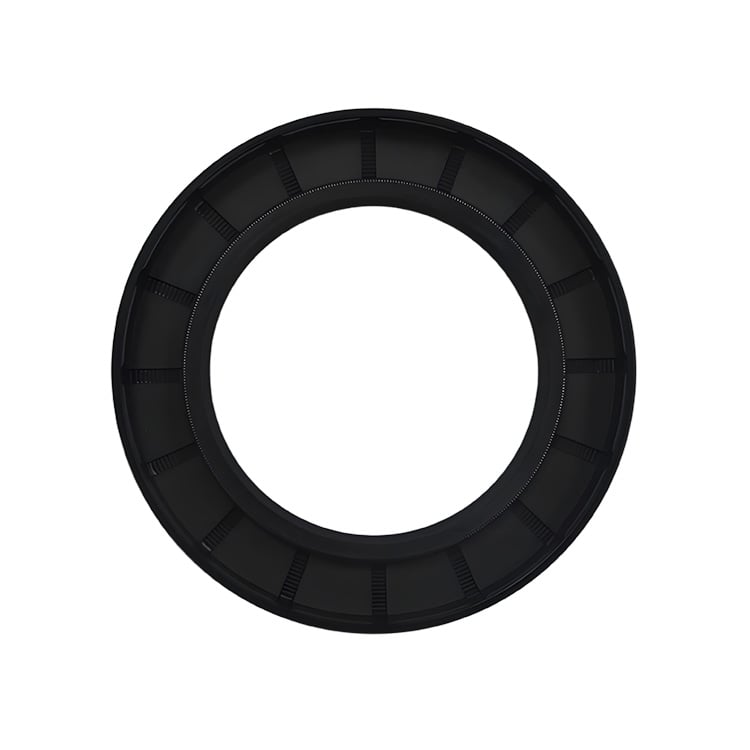
Industrial machinery relies on dynamic seal leakage prevention to maintain product quality, reduce waste, and extend equipment lifespan. Whether in pumps, compressors, turbines, or gearboxes, rotary shaft seals perform multiple essential functions that directly impact operational reliability and cost-effectiveness. This guide explores how these seals function, their primary roles in machinery, and why proper maintenance matters.
Primary Sealing Functions and Leakage Prevention
Dynamic Seal Leakage Prevention Mechanisms
Dynamic seal leakage prevention represents the primary function of any rotary shaft seal. As the shaft rotates, the seal maintains continuous contact with the shaft surface through controlled pressure and material compatibility. This contact creates a micro-barrier that restricts fluid flow while allowing minimal, controlled leakage that lubricates the seal itself. Modern seal designs minimize this leakage to near-zero levels, protecting valuable fluids and preventing environmental contamination.
The sealing surface interface depends on precision manufacturing and material selection. A rotary shaft seal typically includes elastomeric components that compress slightly under spring tension, conforming to shaft irregularities while maintaining a reliable seal line. This design prevents internal fluids from escaping into the environment while blocking external contaminants from entering the machinery. Effective dynamic seal leakage prevention reduces maintenance frequency and extends component life significantly.
Pressure Containment and Fluid Management
Beyond basic leakage prevention, rotary shaft seals maintain system pressure integrity. In high-pressure applications such as hydraulic systems and process pumps, seals must withstand substantial differential pressure while continuing to contain fluids reliably. The seal design includes pressure-balancing features that distribute forces evenly across the sealing surface, preventing premature wear and seal failure. This pressure management capability ensures consistent equipment performance throughout extended operating cycles.
Contaminant Exclusion and Protection
Barrier Against External Contamination
Machinery exposed to dust, moisture, or chemical environments requires robust protection from external contamination. A rotary shaft seal acts as a primary defense barrier, preventing particles and moisture from entering internal components where they would cause accelerated wear, corrosion, and mechanical failure. Seal materials selected for specific environmental conditions enhance this protective function, extending equipment intervals and reducing unplanned downtime.
Mechanical seal types and applications vary based on environmental exposure levels and fluid properties. Lip-style seals excel at excluding light contamination in general manufacturing environments, while dual-seal configurations provide enhanced protection in harsh outdoor or chemical processing settings. Proper seal selection ensures that contaminant exclusion performance matches real operational conditions, protecting internal machinery investments.
Maintaining System Cleanliness
Clean operating fluid directly impacts machinery reliability and component longevity. Rotary shaft seals prevent external contaminants from degrading fluid quality, which in turn protects bearings, gears, and other precision components. In industrial applications, maintaining system cleanliness through effective sealing reduces wear particle generation, extends oil change intervals, and minimizes the risk of catastrophic equipment failure from contamination-related damage.
Installation and Maintenance Excellence
Shaft Seal Installation and Maintenance Best Practices
Proper shaft seal installation and maintenance determines seal performance and service life in the field. Installation must follow manufacturer specifications precisely, including correct orientation, press depth, and surface cleanliness. Incorrect installation creates misalignment, excessive stress, or inadequate compression, all of which dramatically reduce seal effectiveness and lifespan. Technicians should verify shaft surface finish, gland design, and seal material compatibility before assembly.
Ongoing shaft seal installation and maintenance practices include regular inspection for leakage patterns, temperature monitoring, and fluid condition assessment. Early detection of degradation allows planned seal replacement before catastrophic failure occurs. Maintenance teams should track seal performance data, document replacement intervals, and adjust procedures based on actual field experience. This proactive approach minimizes emergency repairs and keeps operations running smoothly.
Troubleshooting Common Seal Issues
Mechanical seal types and applications require different troubleshooting approaches when problems arise. Excessive leakage may indicate seal wear, material incompatibility with operating fluid, or shaft surface damage. Seal hardening or cracking suggests exposure to extreme temperature fluctuations or incompatible chemical environments. Mechanical seal types and applications expertise helps technicians distinguish between normal operational wear and conditions requiring immediate intervention. Understanding these distinctions prevents unnecessary seal replacements while catching genuine problems before equipment damage occurs.
FAQ
What is the primary function of a rotary shaft seal?
The primary function of a rotary shaft seal is to prevent fluid leakage from rotating equipment while excluding external contaminants. It maintains system pressure, protects internal components, and ensures reliable operation across industrial applications.
How does dynamic seal leakage prevention work in practice?
Dynamic seal leakage prevention operates through controlled contact between the seal lip and rotating shaft surface. Spring tension maintains consistent pressure, creating a micro-barrier that blocks fluid flow while allowing minimal self-lubricating leakage. Material compatibility and surface finish quality ensure this sealing line remains effective throughout the seal's service life.
Why is proper shaft seal installation and maintenance critical?
Proper shaft seal installation and maintenance ensure maximum performance and longevity. Correct installation prevents misalignment and excessive stress, while regular maintenance detects wear early. These practices minimize emergency failures, extend equipment intervals, and protect valuable machinery investments over time.