
 EN
EN
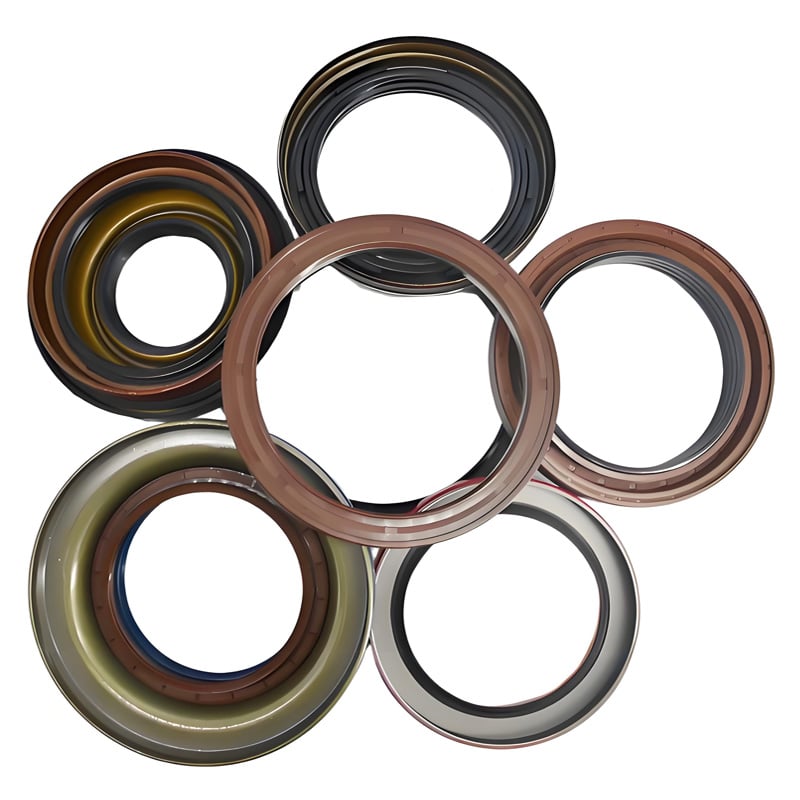
Selecting the right rotary shaft seal for heavy-duty construction environments requires understanding how different designs perform under extreme pressure, temperature fluctuations, and contamination exposure. Heavy-duty equipment operates in conditions that test seal integrity continuously, making the choice between design types critical to equipment reliability and operational costs. Construction machinery faces constant vibration, shock loads, and exposure to abrasive particles that accelerate wear on traditional seal components. The performance difference between inadequate and optimized rotary shaft seal designs can mean the difference between months of uninterrupted operation and catastrophic equipment failure in the field.
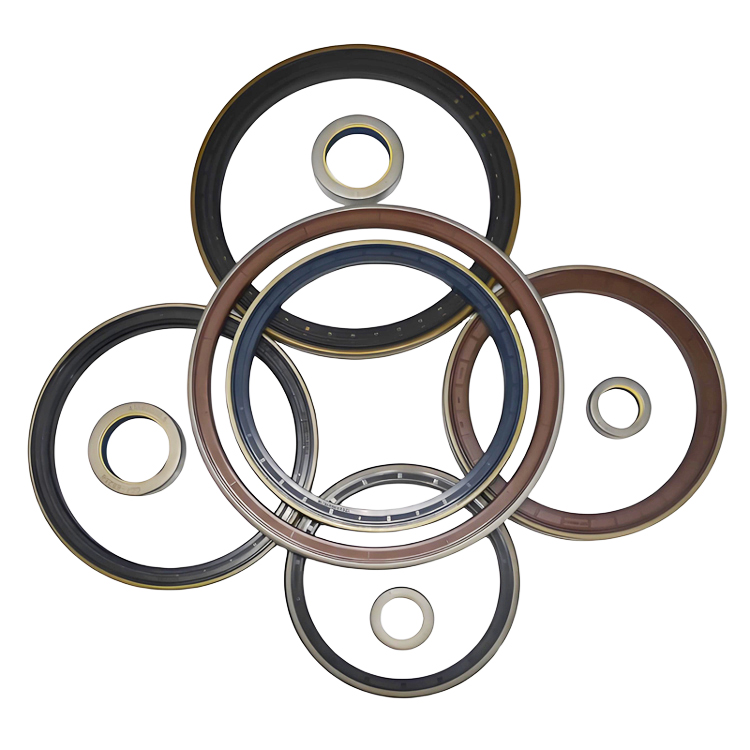
Understanding rotary shaft seal materials and types directly influences how well equipment performs in demanding applications. The best designs combine advanced elastomer compounds with precision engineering to withstand heavy-duty construction challenges. This article explores the design characteristics that distinguish high-performance rotary shaft seal solutions from standard offerings, helping you make informed decisions for your heavy machinery fleet.
Understanding Mechanical Seal Failure Causes in Heavy-Duty Environments
Common Failure Mechanisms
Mechanical seal failure causes in construction equipment stem from multiple interacting factors rather than single defects. Abrasive contamination from dust, sand, and particulate matter embeds in seal faces and creates micro-scratches that progressively degrade sealing surfaces. Thermal cycling from extreme temperature swings causes elastomer materials to harden and lose resilience, reducing their ability to maintain contact pressure. Shaft misalignment and vibration from heavy loads induce face separation, allowing fluid leakage before seal faces can re-establish contact.
Impact of Operating Conditions
Heavy-duty construction environments accelerate mechanical seal failure causes through sustained high pressures, contaminated fluid conditions, and continuous duty cycles. Equipment operating in muddy, sandy, or dusty sites encounters abrasive particles that standard seals cannot exclude effectively. Temperature extremes ranging from intense summer heat to cold winter conditions stress seal materials beyond their designed operational envelope. Vibration from diesel engines, hydraulic impacts, and rough terrain transmission compounds the stress on seal interfaces, multiplying failure risk exponentially.
Rotary Shaft Seal Materials and Types for Optimal Performance
Premium Elastomer Compounds
Rotary shaft seal materials and types have evolved significantly to address heavy-duty construction demands. Fluoroelastomer (FKM) materials offer superior temperature stability and chemical resistance compared to traditional nitrile rubbers, maintaining sealing integrity across wider operating ranges. Polytetrafluoroethylene (PTFE) components in modern rotary shaft seal designs provide low-friction characteristics that reduce heat generation and extend seal life. Composite seal structures combining multiple material layers deliver advantages that single-material seals cannot achieve, balancing hardness for contamination resistance with elasticity for dynamic sealing.
Mechanical Seal Architecture
The best rotary shaft seal designs incorporate dual-seal configurations with barrier fluid systems that prevent contamination from reaching primary seal faces. Cartridge-style rotary shaft seal products simplify installation and reduce alignment errors that commonly cause premature failure. Spring-loaded seal rings maintain constant contact pressure despite shaft runout, while labyrinth grooves in seal cavities redirect contaminants away from critical sealing surfaces. Advanced gland designs incorporate integral pump-out features that manage fluid pressure and prevent hydrostatic separation under extreme loads.
Shaft Seal Leakage Prevention Strategies for Heavy Machinery
Design Optimization Techniques
Shaft seal leakage prevention requires integrated approaches combining material selection, geometric optimization, and installation precision. Hydrodynamic groove patterns machined into seal faces generate fluid films that support seal separation under pressure, minimizing direct contact wear. Rotary shaft seal designs with tangential entry ports reduce turbulence and prevent air entrapment that compromises sealing effectiveness. Temperature-compensated elastomer formulations expand or contract in proportion to seal cavity dimensions, maintaining consistent interference fit throughout operational temperature ranges.
Contamination Control Integration
Effective shaft seal leakage prevention incorporates multi-stage filtration and exclusion features into the rotary shaft seal assembly. Integral labyrinth stages mechanically separate abrasive particles from seal faces without adding external components. Felt or mesh insert materials trap fine contaminants while allowing controlled fluid circulation that cools seal components. Rotating deflector rings sling particles outward through centrifugal force, preventing them from reaching critical sealing interfaces. These mechanical exclusion methods reduce maintenance intervals and extend equipment uptime significantly in construction environments.
FAQ
What makes one rotary shaft seal design superior for heavy-duty applications?
Superior rotary shaft seal designs combine advanced elastomer materials like FKM with precision-engineered mechanical components, contamination exclusion features, and temperature-stable formulations. The best designs incorporate dual-seal configurations with labyrinth stages that prevent contaminants from reaching primary sealing surfaces. Designs that address mechanical seal failure causes through improved face geometry, spring balancing, and thermal compensation outperform standard seals significantly in heavy-duty construction environments.
How do rotary shaft seal materials and types influence leakage rates?
Material selection directly affects shaft seal leakage prevention effectiveness through elastomer hardness, chemical compatibility, and thermal stability. PTFE components reduce friction and heat generation that accelerates seal degradation, while fluoroelastomer compounds maintain sealing compliance across wider temperature ranges. Composite constructions combining rigid and elastic materials optimize contact pressure distribution, reducing localized wear that creates leakage pathways. Premium materials cost more initially but deliver dramatically lower total cost of ownership through extended service intervals.
Can rotary shaft seal design prevent mechanical seal failure causes in extreme construction conditions?
Well-designed rotary shaft seal solutions significantly reduce but cannot completely eliminate failure risk in extreme conditions. Advanced designs incorporate features specifically addressing mechanical seal failure causes, including cartridge-style installation that minimizes misalignment, integrated pump-out capabilities that manage pressure spikes, and multi-stage contamination exclusion systems. Combining optimized seal design with proper installation, regular maintenance monitoring, and timely fluid analysis provides the most effective protection against catastrophic equipment failure in heavy-duty construction applications.