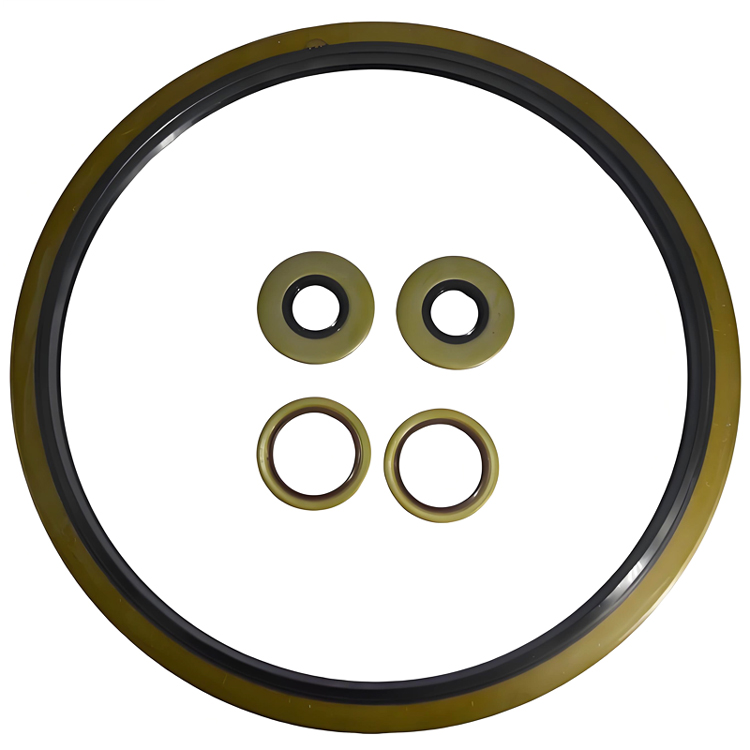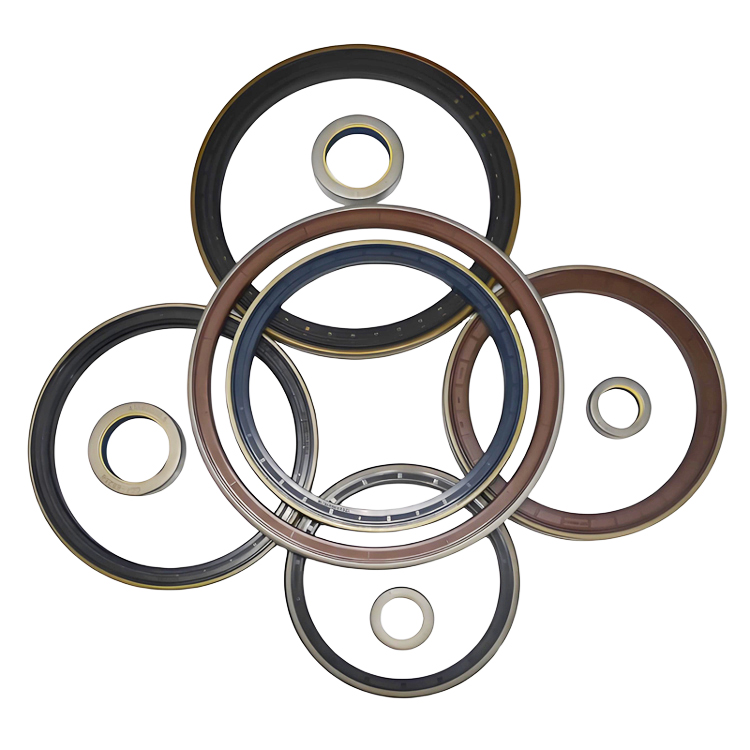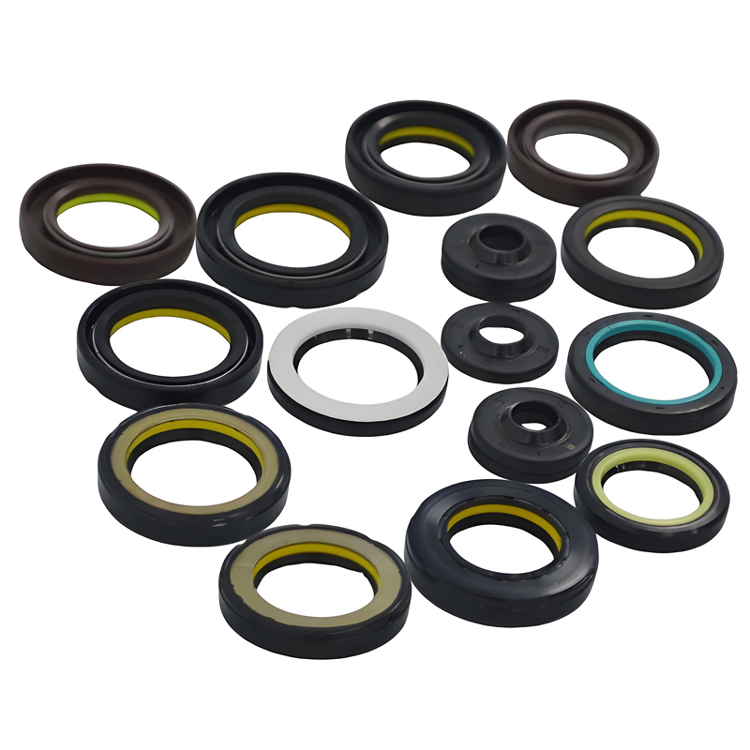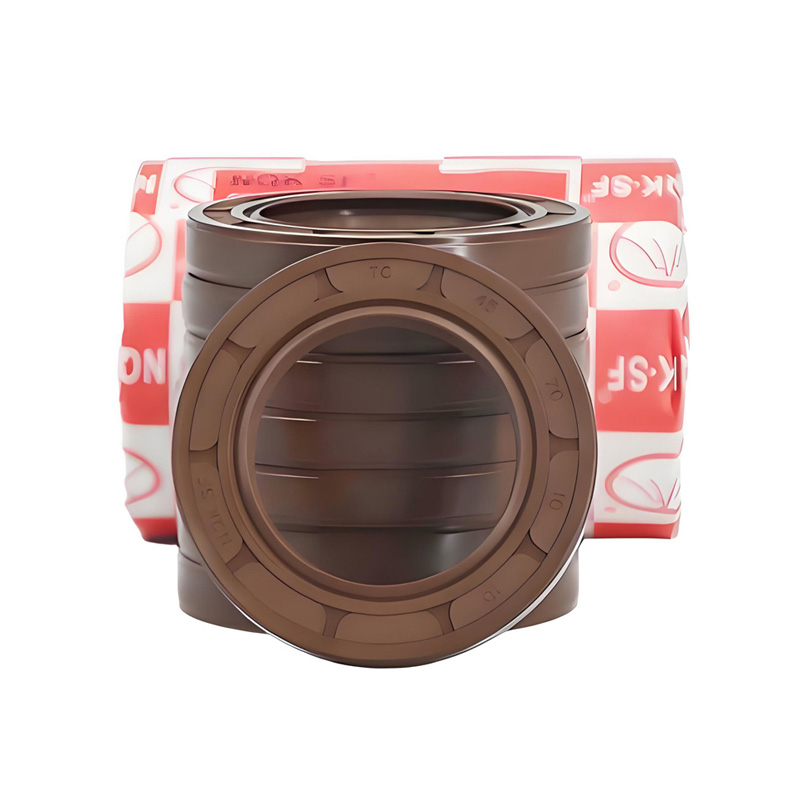

O-rings are crucial components used in a wide range of industries, from automotive to industrial machinery, to ensure proper sealing in hydraulic systems, pumps, and engines. While O-rings may seem like simple parts, their material, size, and design directly influence the sealing performance and longevity of the equipment. Selecting the right O-ring for your application is vital for preventing leakage, reducing maintenance costs, and ensuring reliable operation. In this article, we will discuss the key aspects to consider when choosing durable O-rings for your machinery.
1. Material Compatibility
The material of the O-ring plays a critical role in determining its resistance to various conditions such as temperature, pressure, chemicals, and wear. Common O-ring materials include Nitrile Rubber (NBR), Fluorocarbon Rubber (FKM), Ethylene Propylene Diene Monomer (EPDM), and more. Each of these materials has unique properties suited for different environments.
NBR (Nitrile Rubber)
NBR is the most widely used O-ring material, known for its excellent resistance to oils and fuels. It is ideal for general-purpose sealing in hydraulic systems and automotive applications. However, NBR has limited temperature resistance, typically up to 100°C, and is unsuitable for extreme chemical environments.
Advantages:
Excellent oil and wear resistance
Cost-effective and widely available
Limitations:
Limited high-temperature resistance
Poor chemical resistance to acids and alkalis
FKM (Fluorocarbon Rubber)
Fluorocarbon rubber (FKM) is ideal for high-temperature and chemical resistance applications. FKM O-rings can withstand temperatures of up to 200°C or more and are commonly used in industries such as automotive, aerospace, and chemical processing, where high performance is critical.
Advantages:
Exceptional high-temperature resistance
Excellent chemical resistance to a wide range of fluids and gases
Limitations:
Higher cost compared to NBR
Less effective at low temperatures
EPDM (Ethylene Propylene Diene Monomer)
EPDM O-rings are known for their excellent resistance to water, steam, and ozone, making them ideal for applications in water treatment, HVAC systems, and outdoor environments. EPDM O-rings are suitable for temperatures ranging from -40°C to 120°C, but they are not compatible with oils or hydrocarbons.
Advantages:
Excellent resistance to water, steam, and UV radiation
Ideal for sealing in outdoor and water-based applications
Limitations:
Not suitable for applications with oils or hydrocarbons
Limited high-temperature resistance
2. Accurate Sizing
Selecting the correct size of O-ring is crucial to achieving an effective seal. An O-ring that is too large or too small for the sealing groove can lead to poor sealing performance, leakage, or even damage to the O-ring. The key dimensions to consider include:
Inner diameter (ID): The O-ring must fit snugly around the shaft or inside the housing to prevent fluid leakage.
Outer diameter (OD): The O-ring’s outer diameter must match the dimensions of the groove to ensure proper compression.
Cross-sectional thickness: The thickness of the O-ring should match the groove depth for a tight and effective seal.
By ensuring accurate sizing, you guarantee the proper compression of the O-ring and improve the longevity and effectiveness of the seal.
3. Temperature and Pressure Resistance
The temperature and pressure conditions that the O-ring will be exposed to are critical factors in material selection. O-rings used in high-pressure, high-temperature environments must be durable enough to withstand fluctuating pressures without compromising the sealing effect.
Temperature Resistance
If the O-ring is used in high-temperature environments, FKM and HNBR are ideal materials due to their high-temperature resistance. Conversely, for lower temperature applications, EPDM or NBR might be more suitable.
Pressure Resistance
In high-pressure systems, the O-ring must be able to withstand the internal pressure without extruding from the groove or losing its shape. Materials like FKM and HNBR are often chosen for their superior pressure resistance.
Ensuring the O-ring can withstand the expected temperature and pressure helps prevent premature failure and maintains long-term sealing performance.
4. Chemical and Corrosion Resistance
Many industrial systems operate in environments where O-rings are exposed to aggressive chemicals, oils, and gases. Selecting an O-ring material that offers good chemical resistance is critical in these applications. FKM and HNBR are known for their superior chemical resistance to acids, solvents, and oils, making them ideal for harsh chemical environments.
For water or steam applications, EPDM is an excellent choice due to its high resistance to water, ozone, and UV radiation, though it is unsuitable for oils or hydrocarbons.
Understanding the chemicals the O-ring will encounter helps ensure that the selected material will withstand degradation and maintain sealing integrity.
5. Reliability of the Supplier and After-Sales Support
For businesses, selecting a reliable O-ring supplier is crucial. A good supplier not only provides high-quality O-rings but also offers fast delivery, customer support, and technical expertise. NQKSF is an industry leader with over 30 years of experience in manufacturing sealing solutions for a variety of industries.
Why Choose NQKSF?
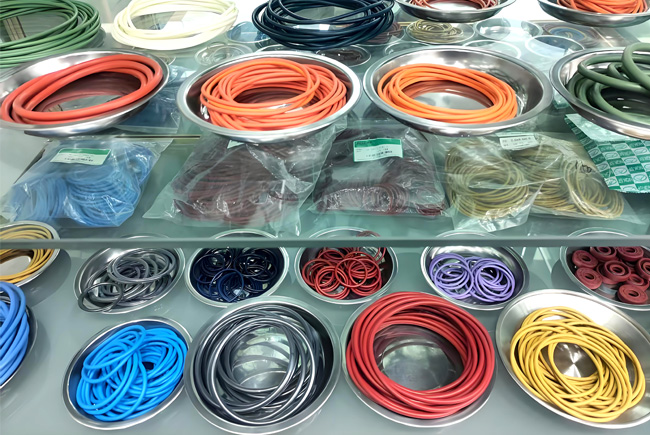
Standard Parts in Stock: We offer a wide range of O-rings, oil seals, and other sealing components, with over 10,000 specifications available in stock. Our extensive inventory ensures quick delivery to meet urgent orders, minimizing downtime.
Customized Full-Service Solutions: NQKSF offers customized O-ring solutions tailored to your specific needs. From material selection to design, testing, and production, we provide comprehensive support to ensure the highest performance in your application.
Technical Expertise: With over three decades of experience, NQKSF works with customers to optimize sealing systems, reduce operational costs, and improve equipment reliability. Our expert team is always available to provide technical assistance and advice.
When selecting durable O-rings, understanding the specific operational conditions, material compatibility, size requirements, and resistance to temperature, pressure, and chemicals is crucial. By considering these factors, you can ensure optimal sealing performance and extend the lifespan of your equipment. Whether you need standard O-rings or customized solutions, NQKSF is here to provide high-quality products and expert support to meet your sealing needs.
 Hot News
ShanFeng Special Rubber Products Co., Ltd., operating under brand NQKSF since 1990, is a global leader in the sealing industry.
Copyright © 2026 ShanFeng Special Rubber Products Co., Ltd. All rights reserved. Privacy Policy
 EN
EN